More people are looking for ways to manage back pain, neck pain and everyday stiffness without relying only on medication. Words like “holistic” and “natural” show up everywhere, but not every therapy that uses them has good evidence behind it.
This guide takes a practical look at popular complementary approaches for muscle and joint pain: which ones research supports, which are unproven, and how to use them safely alongside your regular medical care.
What “Holistic” Care Means for Muscle and Joint Pain
Done well, a holistic approach simply means looking at the whole person. Instead of focusing only on the sore spot, it considers how you move, sit, sleep, exercise and handle stress, since all of these can affect pain.
The National Center for Complementary and Integrative Health uses the term “integrative” for care that combines conventional medicine with complementary approaches that have reasonable evidence. That is the approach we recommend: add helpful tools, but keep your doctor in the loop and never skip needed medical care.
Chiropractic Care
Chiropractic care focuses on the spine, joints, muscles and nerves. Spinal manipulation is one of the nondrug options health agencies list for low back pain, and research suggests it may offer modest relief for some people with back and neck pain. Results vary.
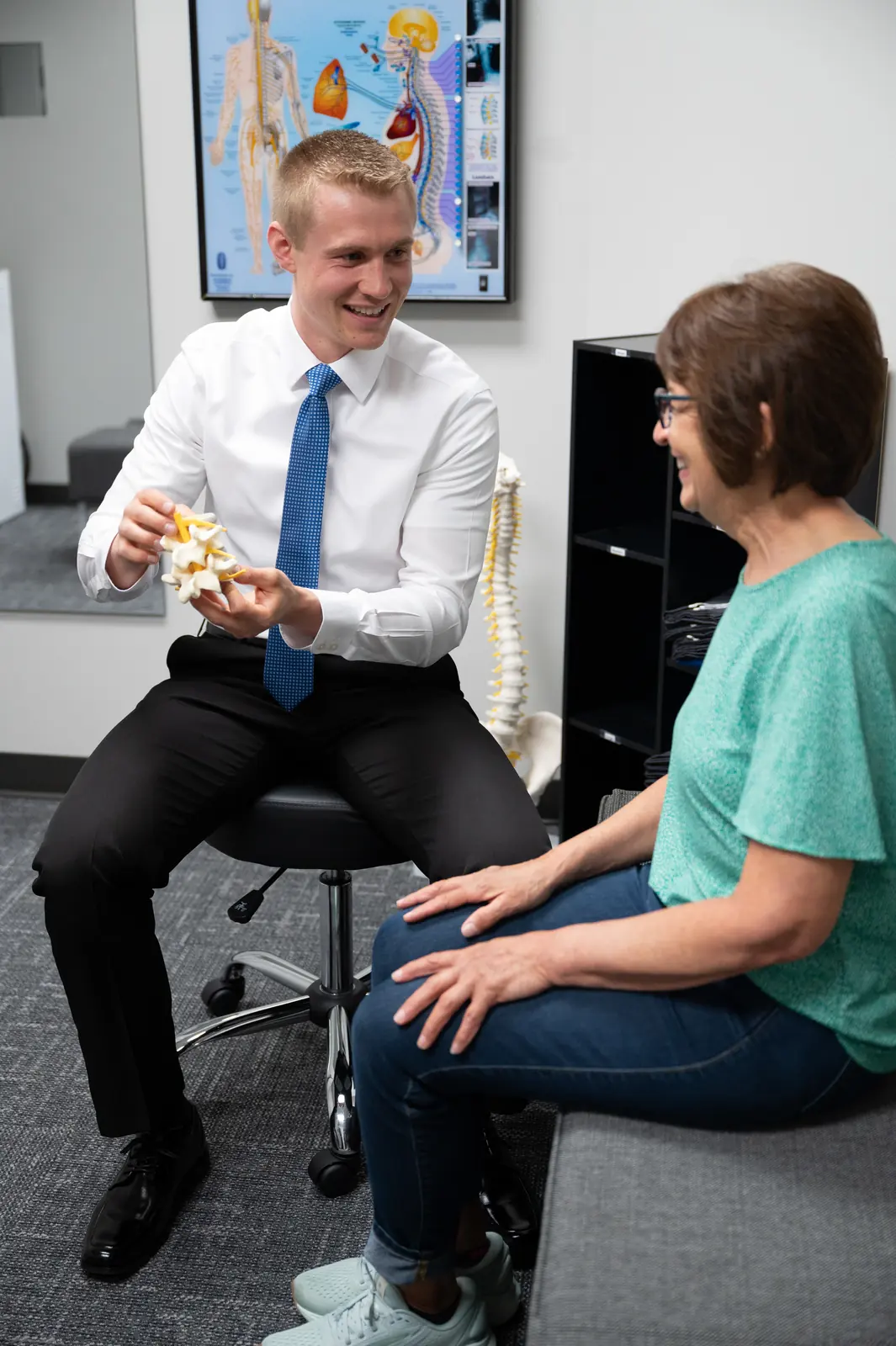
At our office, Dr. Hunter Schultz starts with a consultation and hands-on exam, takes on-site X-rays only when needed, and explains his findings in a written report before treatment. Care may include precise adjustments, intersegmental traction or spinal decompression, along with home exercises and posture tips. Learn more about chiropractic care in Green Bay.
Chiropractic care does not treat infections, organ disease or other medical conditions. Its role is musculoskeletal: helping joints move better and easing related pain.
Acupuncture
Acupuncture involves inserting thin needles at specific points on the body. Research suggests it may help some people with chronic low back pain, neck pain, knee arthritis and tension headaches. It is generally considered safe when done by a licensed practitioner using sterile needles. Our office does not offer acupuncture, but we are happy to work alongside a licensed acupuncturist.
Massage
Massage may help ease muscle tension and offer short-term relief for back and neck pain. Many people also find it relaxing, which can help with stress-related tightness. Choose a licensed massage therapist, and tell them about any health conditions, recent injuries or blood-thinning medications. Deep pressure is not always better; ask for a lighter touch if an area is very sore.
Movement, Yoga and Tai Chi
Staying active is one of the most consistently recommended approaches for long-lasting back pain. Yoga and tai chi combine gentle movement, balance and breathing, and both have been studied for chronic low back pain with encouraging results. Start with a beginner class, tell the instructor about any injuries, and skip poses that cause sharp or spreading pain.
Mindfulness and Relaxation
Stress and pain feed each other. Mindfulness meditation, slow breathing and guided relaxation do not fix a structural problem, but they may help you cope with pain and reduce muscle tension. Try five minutes of slow belly breathing once or twice a day. Breathe in through your nose for a slow count of four, let your belly rise, then breathe out a little longer than you breathed in.
If stress, anxiety or low mood feel overwhelming, please talk with your doctor or a mental-health professional. If you are in crisis, call or text 988.
Herbal Supplements: Proceed With Care
Products such as turmeric and ginger are popular for joint and muscle aches, but the evidence that they relieve pain is limited and mixed. “Natural” does not mean side-effect free. Some supplements can interact with prescription drugs, including blood thinners, and turmeric supplements may not be safe during pregnancy.
Before starting any supplement, check with your doctor or pharmacist, especially if you take medication, are pregnant or nursing, or have a chronic health condition.
Therapies With Little or No Evidence
Some approaches marketed as holistic have little reliable research behind them for pain, including homeopathy, Reiki and other “energy healing” methods. Be cautious with products that claim to “flush toxins,” and with any provider who promises to treat serious disease, tells you to stop prescribed medication, or discourages you from seeing your doctor. Aromatherapy may help some people relax, but it is not a pain treatment.
Building Your Own Integrative Plan
- Get evaluated first. Know what is causing your pain before choosing treatments.
- Start with the basics. Regular movement, good sleep and better posture habits help almost everyone.
- Add one therapy at a time. That way you can tell what is helping.
- Tell every provider what you are doing. Include supplements on your medication list.
- Set a check-in point. If something is not helping after a reasonable trial, change course.
If back or neck pain is your main concern, see our page on back pain treatment for more detail. New patients can start with our $18 new patient special.
Frequently Asked Questions
Chiropractic care is often called holistic because it looks at how your posture, movement and daily habits affect pain, not just the sore spot. Its scope is musculoskeletal: the spine, joints, muscles and related nerves. It is most useful as part of a broader plan that includes your regular medical care, exercise and healthy habits.
No. Complementary therapies should be used alongside medical care, not in place of it. Keep up with regular checkups, take prescribed medications as directed, and tell your doctor about any therapies or supplements you are using. New, severe or unusual symptoms should always be checked by a physician.
Not always. Some herbs and supplements can change how prescription drugs work or raise the risk of bleeding or other side effects. Turmeric, ginger and willow bark are common examples that need caution. Ask your doctor or pharmacist before starting any supplement, and bring a complete list of what you take to every appointment.
Chiropractic care can be adapted for pregnancy and for children, using gentler techniques and less force. Our office offers prenatal care, including the Webster technique, and pediatric care. A careful history comes first, and we coordinate with your OB, midwife or pediatrician when needed. Report any pregnancy warning signs to your OB right away.
Related Care in Green Bay
- Chiropractic CareHands-on adjustments based on a thorough exam and, when needed, X-rays.
- Wellness CareOngoing visits to help you stay mobile once you feel better.
- Back PainLow and mid-back pain, stiffness and spasms.
- Neck PainStiff, sore necks from posture, strain or injury.
- Poor PostureTech neck, rounded shoulders and desk posture.
Sources