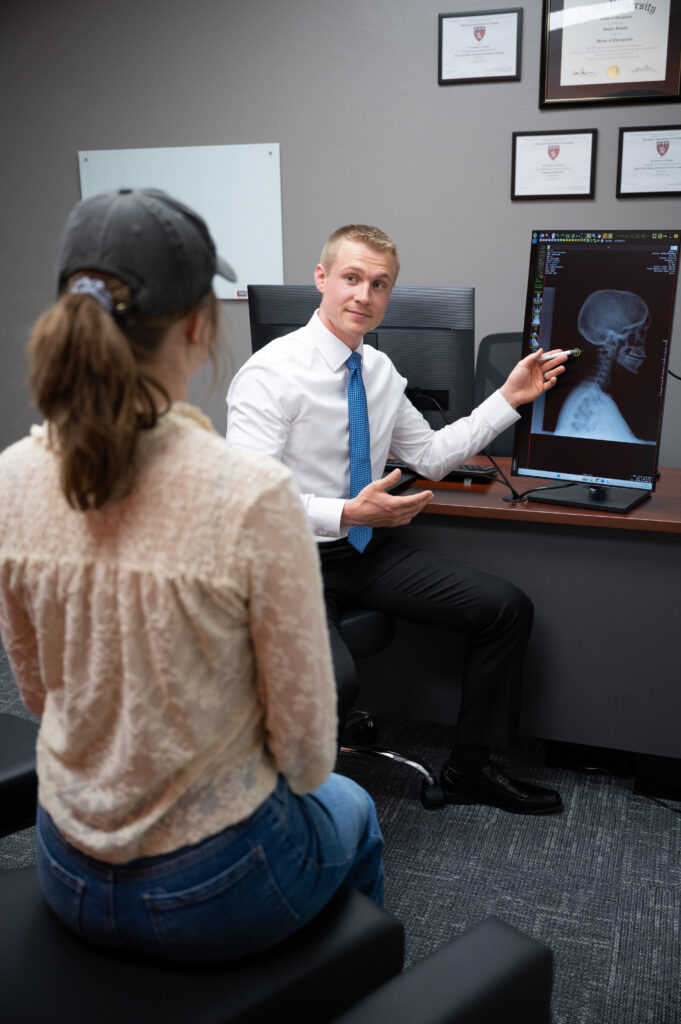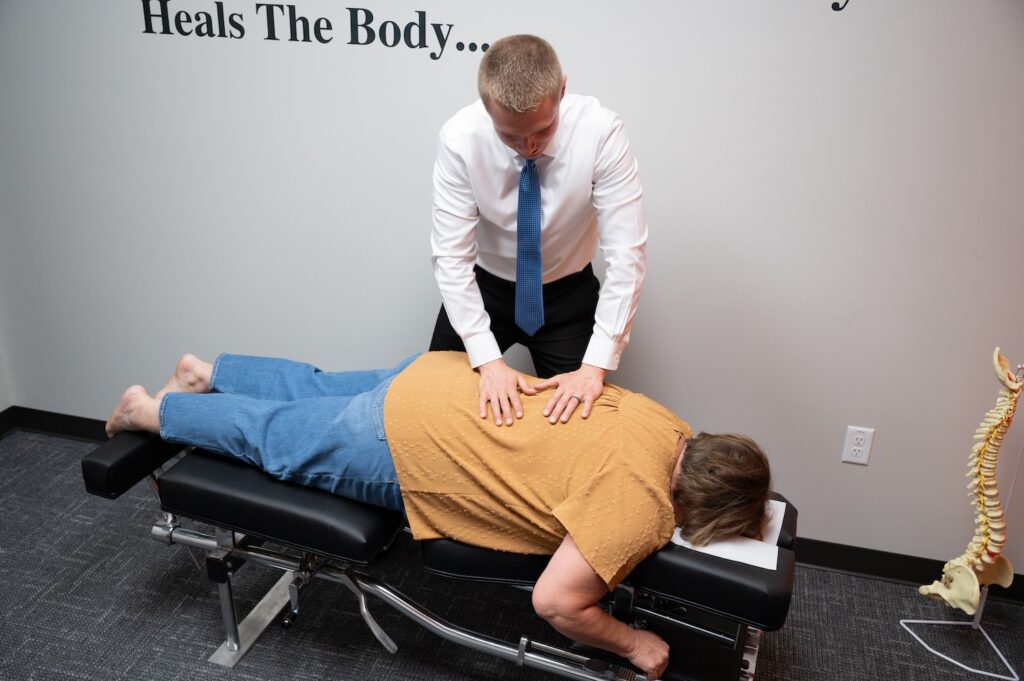

As a local chiropractor, I often see patients struggling with persistent back pain, and I want to share some effective natural relief options with you. Many people are unaware that simple stretching and strengthening exercises can significantly alleviate discomfort. Incorporating heat and cold therapy into your routine can also provide immense relief.
Additionally, herbal remedies and mindfulness techniques can enhance your overall well-being and help manage pain. It’s important to consider how your posture and workspace ergonomics affect your back health; making small adjustments can yield big results. Together, we can explore these effective strategies to help you feel better and regain your quality of life. Remember, taking a natural approach to healing can be transformative!
Stretching and Strengthening Exercises
As a local chiropractor, I want to share how incorporating stretching and strengthening exercises into your daily routine can greatly alleviate back pain and promote overall wellness.
It’s essential to start with gentle stretches that enhance flexibility and relieve tension in specific areas like the hamstrings, hip flexors, and lower back. Simple movements, such as the cat-cow stretch and child’s pose, can work wonders in easing discomfort.
In addition to stretching, it’s crucial to focus on strengthening your core muscles. A strong core provides vital support to your spine, significantly reducing the risk of injury. I recommend incorporating exercises like planks, bridges, and bird-dogs into your routine. These exercises engage multiple muscle groups, helping you build stability and balance.
I encourage you to be consistent with these practices; even dedicating just a few minutes each day can lead to noticeable improvements over time.
Always listen to your body—if any movement feels uncomfortable, feel free to modify or skip it. Remember, gradual progression is key to success.
Heat and Cold Therapy
As your local chiropractor, I want to share some valuable insights on managing pain through natural methods, specifically heat and cold therapy.
Whether you’re experiencing acute pain from an injury or dealing with chronic discomfort, these therapies can be effective tools for relief.
Heat therapy is beneficial for increasing blood flow, relaxing tight muscles, and alleviating stiffness. You can easily apply heat using a heating pad, a warm towel, or by taking a soothing warm bath.
Just be cautious to ensure that the heat is comfortable and not too hot, as we want to avoid any burns.
Conversely, cold therapy is excellent for numbing the affected area and reducing inflammation. Ice packs or even a bag of frozen vegetables wrapped in a cloth can be incredibly effective.
I recommend applying cold therapy for about 15-20 minutes at a time, particularly after any physical activity, to help manage pain and inflammation.
Many of my patients find that alternating between heat and cold therapy yields the best results.
It’s essential to listen to your body and adjust the temperature and duration of each method according to what feels right for you.
Both heat and cold therapies are simple yet powerful ways to manage back pain and enhance your overall comfort.
If you have any questions about how to incorporate these methods into your pain management routine or how they complement chiropractic care, feel free to ask during your next visit!
Herbal Remedies and Supplements
As a local chiropractor, I often see patients seeking relief from back pain, and I want to share some effective herbal remedies and supplements that can complement your recovery journey.
These natural options can help reduce inflammation, alleviate discomfort, and promote your overall well-being. Here are three herbal remedies that I recommend considering:
- Turmeric: This vibrant golden spice is rich in curcumin, a compound renowned for its strong anti-inflammatory properties. Incorporating turmeric into your meals or taking it as a supplement could be beneficial in managing your pain levels.
- Willow Bark: Known as “nature’s aspirin,” willow bark has a long history of use for pain relief. You can find it in various forms, such as teas or capsules, and it may be an effective option for those struggling with back pain.
- Devil’s Claw: This herb is celebrated for its analgesic effects and may specifically help with lower back pain. It’s available in both capsule and tincture forms, making it easy to incorporate into your routine.
Before introducing any new supplements into your regimen, I always recommend consulting with your healthcare provider.
This step ensures that these natural remedies are safe and suitable for your individual health needs. Together, we can explore a holistic approach to managing your back pain effectively.
Mindfulness and Relaxation Techniques
As a chiropractor, I want to share how incorporating mindfulness and relaxation techniques can significantly enhance your efforts in alleviating back pain. Many of my patients find that practicing mindfulness allows them to remain present, helping them to identify and release tension in their bodies. Simple techniques, such as deep breathing, can be incredibly effective in reducing stress and promoting relaxation, which ultimately helps ease muscle tightness around your back.
I encourage you to explore guided imagery, a technique where you visualize serene scenes in your mind to distract from discomfort and foster a sense of calmness.
Another valuable method is progressive muscle relaxation, where you systematically tense and then relax different muscle groups. This practice not only helps in recognizing areas of tension but also teaches you how to consciously release that tension.
Additionally, yoga and meditation are excellent practices that I often recommend. They promote flexibility and enhance mental focus.
By regularly integrating these practices into your daily routine, you’ll develop a deeper awareness of your body and its needs, which supports a more holistic approach to managing your back pain.
Proper Ergonomics and Posture Adjustment
As a local chiropractor, I want to emphasize the importance of proper ergonomics and posture adjustment, especially for those of you who spend long hours seated at desks or using electronic devices.
Taking care of your back is crucial for preventing discomfort and promoting overall well-being. Here are three essential tips for creating a healthier workspace:
- Chair Height: It’s vital to adjust your chair so that your feet are flat on the floor, and your knees form a 90-degree angle. This simple change helps to evenly distribute your weight and significantly reduces the strain on your back.
- Screen Position: Make sure your computer screen is at eye level, positioned about an arm’s length away from you. This alignment can help prevent you from leaning forward or straining your neck, which are common issues I see in my practice.
- Frequent Breaks: I recommend that you stand up and stretch every 30 minutes. Engaging in simple movements not only keeps your muscles active but also helps alleviate tension that can build up from prolonged sitting.
By incorporating these tips into your daily routine, you’re taking proactive steps toward better back health.
If you have any questions or need personalized advice, feel free to reach out for a consultation. Your well-being is my priority!
Conclusion
As a local chiropractor, I want to share with you five natural approaches that can significantly help in managing your back pain. First and foremost, incorporating stretching and strengthening exercises into your routine is essential. These movements can help improve flexibility and support your spine, which is crucial for overall back health.
Additionally, utilizing heat and cold therapy can provide immediate relief. Heat can relax tense muscles, while cold therapy can reduce inflammation and numb sharp pain. Both methods are simple yet effective ways to alleviate discomfort.
I also encourage you to explore herbal remedies. Certain herbs have anti-inflammatory properties that may aid in pain relief. It’s always a good idea to consult with a healthcare professional before trying new supplements, but many patients find relief through natural options.
Mindfulness practices, such as meditation or deep breathing exercises, can also play a vital role in managing pain. These techniques help reduce stress and promote relaxation, which can be beneficial for those dealing with chronic pain.
Lastly, adjusting your ergonomics, whether at work or home, can make a significant impact. Ensuring that your workspace is set up to support your posture can prevent further strain on your back.
Remember, consistency is key in all these approaches. Listening to your body and being dedicated to your care can lead to improved comfort and overall well-being. With the right support and commitment, you can enjoy life more fully and manage your back pain effectively.