
Chronic Daily Headaches: A Chiropractic-First Guide for Green Bay
If you live with headaches most days, you know how they can drain your energy, focus, and joy. Here in Green Bay, we meet people every week who’ve tried to push through chronic daily headaches only to feel stuck. At 920 Chiropractic Health & Injury Care, our goal is to explain what’s going on in plain language and show you a clear, chiropractic-first path forward—one that respects your body’s mechanics, calms irritation, and helps you get back to life with fewer interruptions.
In this guide, you’ll learn what chronic daily headaches are, why the neck and upper back often play a central role, how chiropractic care addresses the root of the problem, and simple, safe steps you can start today.
What you can expect: a practical, evidence-informed overview; no hype; and a local, patient-first perspective from a trusted Green Bay chiropractor.
Definition: What Are Chronic Daily Headaches?
Chronic daily headaches are headaches that occur on 15 or more days per month for at least three months. They can include different headache types, but many have a strong neck and posture component that responds well to chiropractic care.
Table of Contents
- What Chronic Daily Headache Means and How It Affects Daily Life
- Why These Headaches Happen: Neck Mechanics, Posture, and Triggers
- Our Chiropractic Approach in Green Bay
- Simple Strategies You Can Start Today
- When to See a Chiropractor
- When to Seek Medical Care Urgently
- Myths and Facts About Headaches and Chiropractic
- Final Thoughts for Our Green Bay Community
- FAQs
- TL;DR Summary
What Chronic Daily Headache Means and How It Affects Daily Life
“Chronic” means the headaches have become frequent and persistent. While the pain level can range from mild to severe, the day-in, day-out pattern is what wears you down. You might notice neck stiffness, shoulder tightness, trouble concentrating, or eye strain that seems to trigger or go hand-in-hand with the headaches.
For many people, these headaches aren’t random. They’re connected to how the neck moves, how the upper back supports the head, and how daily habits—like sitting, lifting, driving, or screen time—load the spine. That’s why a chiropractic approach that focuses on spinal function is often a smart first step.
Why These Headaches Happen: Neck Mechanics, Posture, and Triggers
Your head is heavy—roughly 10–12 pounds. When it’s balanced over your shoulders, the neck’s joints, discs, nerves, and muscles share the load well. But when the head drifts forward (like when we lean into a screen), forces multiply. This can irritate joints and soft tissues in the upper neck and upper back, referred areas that commonly produce head pain—especially in the temples, behind the eyes, or at the base of the skull. Chiropractors call these patterns cervicogenic (neck-related) or tension-type contributors to headaches.
Other daily factors combine with posture, such as stress, dehydration, poor sleep, long commutes, or old injuries. When these stressors pile up, the body’s threshold lowers and headaches show up more often.
| Common Trigger | How It Stresses the Neck and Head |
|---|---|
| Forward head posture at a desk | Increases load on upper cervical joints and tightens suboccipital muscles that refer pain to the head |
| Prolonged screen time without breaks | Reduces normal joint movement and blood flow; encourages muscle guarding and eye strain |
| Shoulder/upper back weakness | Makes the neck do more stabilization work, raising tension at the base of the skull |
| Stress and clenching | Elevates muscle tone in the neck and jaw, creating trigger points that radiate pain |
| Old whiplash or sports injury | Leaves lingering joint restriction and soft tissue sensitization that can provoke frequent headaches |
Not every chronic daily headache is musculoskeletal, but a large percentage have a clear neck and posture component. That’s where chiropractic takes the lead—restoring motion, easing nerve irritation, and helping you build resilient movement patterns.
Our Chiropractic Approach in Green Bay
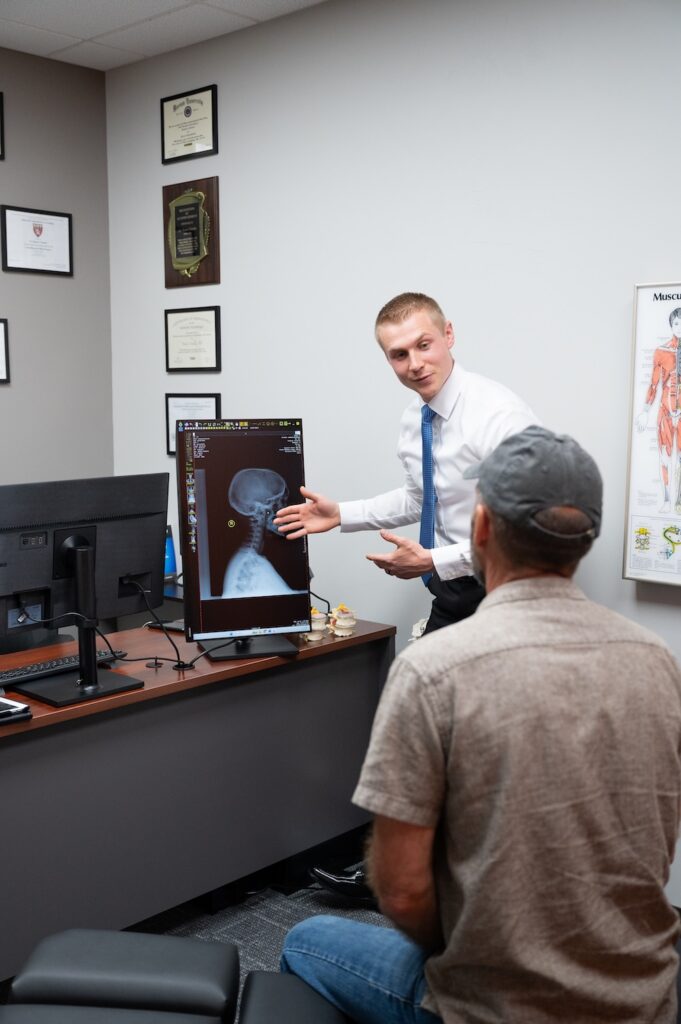
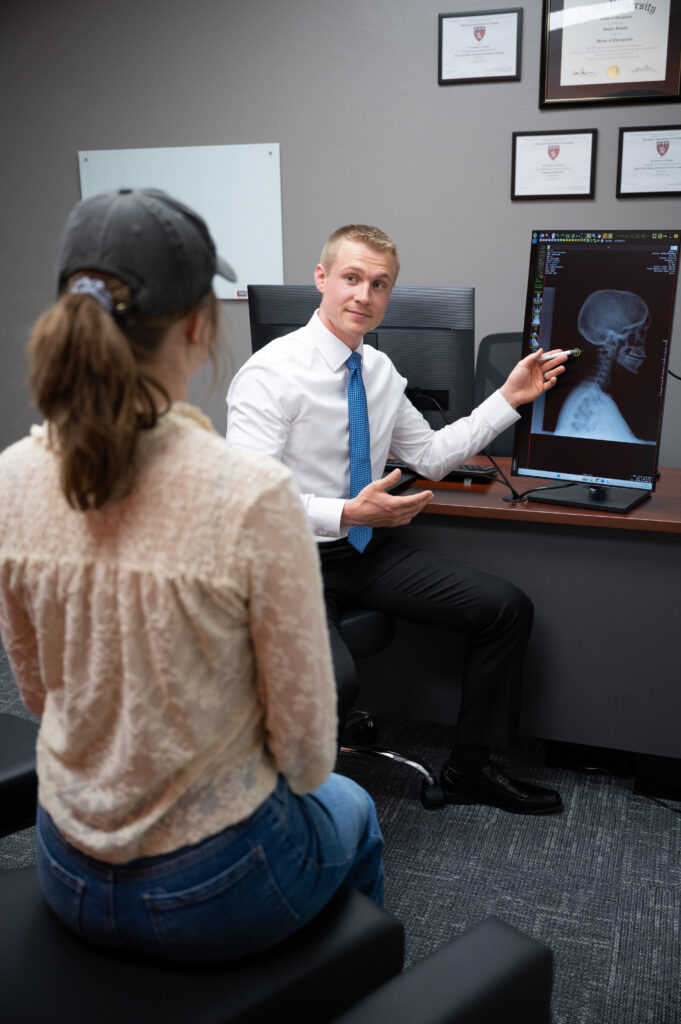
At 920 Chiropractic Health & Injury Care, chiropractic is not an “alternative”—it’s the frontline approach for spine-related headaches. We start by listening to your story, then perform a focused exam of your neck, upper back, posture, and movement. We look for joint restrictions (often called segmental dysfunction), muscular trigger points, and patterns that reproduce your headache.
Here’s how we typically address chronic daily headaches in our office:
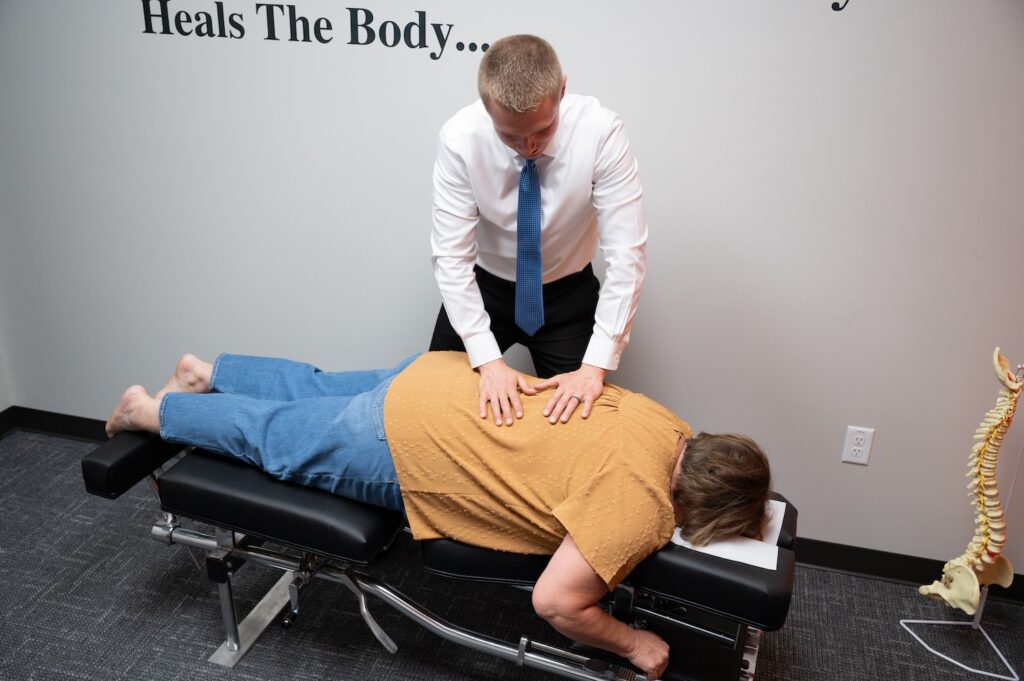
Targeted chiropractic adjustments
Gentle, precise adjustments restore normal motion in the cervical and upper thoracic spine. When joints move better, surrounding muscles can relax, pressure on local nerves may ease, and referred pain into the head often decreases. Many patients feel a lightness or improved range of motion right away, while others improve steadily over a series of visits. Research suggests spinal manipulation can help with cervicogenic headaches and some tension-type headaches, especially when combined with education and movement strategies. Results vary by individual, but the goal is consistent: improve function to reduce frequency and intensity.
Posture and ergonomic coaching
We coach you on small, high-impact changes—monitor height, chair setup, keyboard and mouse placement, and simple micro-breaks. The goal is to help your spine support your head with less strain throughout the day.
Stability and motor control
The deep neck flexors and scapular stabilizers often need gentle activation. We teach short, easy exercises that fit into real life and reinforce the benefits of your adjustments.
Headache pattern tracking
We encourage a simple journal to identify specific triggers and measure progress. Over time, this helps us fine-tune care and gives you confidence in what’s working.
Clear collaboration when needed
While chiropractic care leads for spine-related contributors, we also recognize situations where medical evaluation is wise. If we see red flags or suspect a non-mechanical driver, we’ll refer appropriately. Your safety comes first.
Simple Strategies You Can Start Today
- Reset your head position often: Every 30–60 minutes, sit tall as if a string lifts the crown of your head. Gently draw your chin back until your ears align over your shoulders. Two breaths here can make a real difference by the end of the day.
- Adopt the 20–20–20 screen habit: Every 20 minutes, look 20 feet away for about 20 seconds. Blink, breathe, and soften your jaw. This relieves eye strain and subtle clenching that feeds head tension.
- Hydrate and pace caffeine: Dehydration can mimic or magnify headaches. A steady flow of water and thoughtful timing of coffee or tea can help reduce fluctuations that trigger pain.
- Support your neck while sleeping: Choose a pillow that keeps your head level with your spine—no extreme angles. If you side sleep, fill the gap between your shoulder and neck. If you back sleep, avoid a high pillow that pushes your chin to your chest.
- Move your shoulders, not just your neck: Gentle shoulder rolls and upper back extensions across the day help the neck share the workload. Think whole chain, not just the sore spot.
- Ease jaw tension: Rest your tongue on the roof of your mouth, lips together, teeth apart. This “N rest” position reduces clenching that radiates to the temples.
- Build a brief evening wind-down: Dim lights, light stretching, and consistent bedtimes calm the nervous system so your body can recover overnight.
When to See a Chiropractor
- Your headaches occur most days or are trending more frequent over the last 1–3 months.
- Pain often starts in the neck/base of skull or is accompanied by neck stiffness or shoulder tightness.
- Desk work, driving, or looking down at a phone seems to set headaches off.
- Over-the-counter medication only masks symptoms and you want a function-first solution.
- You’ve had a previous neck or upper back injury, and headaches have been more frequent since.
When to Seek Medical Care Urgently
- Sudden, severe headache (“worst headache of my life”): If a headache explodes in intensity without warning, seek emergency care.
- New neurological symptoms: Weakness, numbness, trouble speaking, confusion, fainting, vision loss, or facial droop require immediate medical attention.
- Fever, neck stiffness, or rash with headache: These could indicate infection and need urgent evaluation.
- Headache after significant head trauma: Get prompt medical assessment.
- New headaches after age 50, or a dramatic change in your usual pattern: These warrant timely medical evaluation.
Myths and Facts About Headaches and Chiropractic
-
Myth: “If I have chronic daily headaches, there’s nothing I can do but take pills.”
Fact: Many daily headaches have a mechanical component in the neck and upper back. Chiropractic adjustments and movement-based strategies often reduce frequency and intensity without relying solely on medication.
-
Myth: “Chiropractic only helps back pain.”
Fact: Chiropractors are trained to assess and treat spine-related problems throughout the body, including the cervical spine. When neck dysfunction contributes to head pain, chiropractic care is a logical frontline choice.
-
Myth: “If posture causes it, I should just sit up straight.”
Fact: Posture is dynamic. The key is comfortable alignment plus regular movement, not one rigid sitting position. Adjustments, ergonomic tweaks, and brief breaks help your spine handle the day’s demands.
-
Myth: “If I start chiropractic care, I’ll have to continue forever.”
Fact: Care is individualized. Many patients complete a focused plan, learn self-care tools, and transition to periodic check-ins—as needed—to maintain results in real life.
Final Thoughts for Our Green Bay Community
Chronic daily headaches don’t have to dictate your routine. If you’re in Green Bay, our team at 920 Chiropractic Health & Injury Care is here to evaluate the neck, upper back, and posture factors that so often drive daily head pain. We keep care straightforward, hands-on, and focused on function—so you can feel and move better with less interruption to your day.
FAQs
Are chronic daily headaches the same as migraines?
No. Chronic daily headache describes the frequency (15+ days per month), not a specific type. Migraines can be part of the picture, but many daily headaches are tension-type or cervicogenic (neck-related). A proper evaluation helps sort this out.
Can chiropractic help if my headaches start at the base of my skull?
Often, yes. Pain beginning at the base of the skull commonly relates to upper cervical joint restriction and tight suboccipital muscles—areas chiropractors evaluate and treat every day.
How many visits will I need?
It varies. Some people feel relief quickly; others improve steadily over several weeks. Your plan depends on your exam findings, how long the problem has been there, and your daily demands.
Is chiropractic safe for the neck?
When performed by a licensed chiropractor after a proper evaluation, neck adjustments are considered a generally safe, conservative option. We screen for risks and refer when needed.
What if I also get jaw (TMJ) tension?
Neck and jaw tension often coexist. Addressing cervical mechanics, posture, and clenching habits can help reduce both.
TL;DR Summary
- Chronic daily headaches (15+ days/month) often have a neck and posture component that chiropractic addresses directly.
- Chiropractic adjustments, soft tissue care, and ergonomic coaching can reduce headache frequency and intensity by improving function.
- Simple habits—posture resets, hydration, sleep support, and brief movement breaks—add up.
- See a chiropractor if headaches are frequent, start in the neck, or follow desk/phone use; seek urgent medical care for red flags.
- In Green Bay, 920 Chiropractic Health & Injury Care provides a chiropractic-first, evidence-informed plan tailored to you.