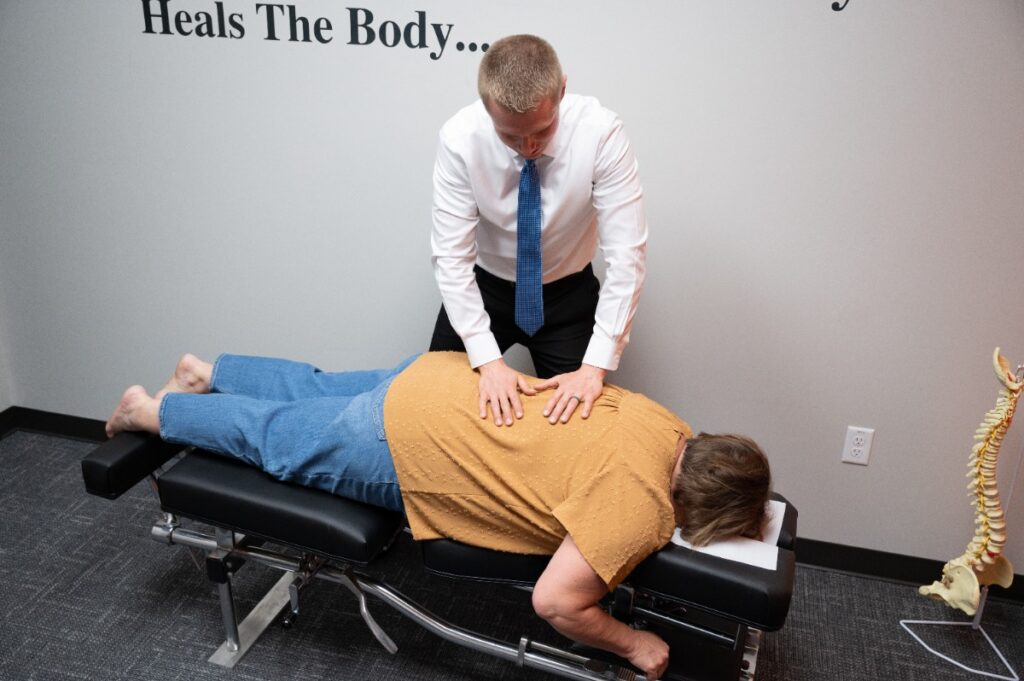

If you're among the millions dealing with tension headaches, you might find it reassuring that research shows around 90% of patients experience significant relief. By exploring a mix of treatment options and lifestyle adjustments, you can effectively manage your symptoms. However, the path to relief isn't always straightforward, and understanding the underlying factors is essential. What specific strategies have proven most effective, and how can you tailor them to fit your life? The answers may surprise you.
Understanding Tension Headaches
Many people experience tension headaches at some point in their lives. These headaches are often a result of stress, anxiety, or muscle tension in the neck and shoulders. You might feel a dull, aching pain that wraps around your head, almost like a tight band. Understanding what triggers these headaches can help you manage and reduce their frequency.
Tension headaches usually arise from factors like poor posture, lack of sleep, or prolonged screen time. You may notice them creeping up after a long day at work or during stressful periods. When your muscles tighten, they can cause discomfort, leading to that familiar headache. It's crucial to recognize your individual triggers. By doing so, you can take proactive steps to minimize their impact on your daily life.
Unlike migraines, tension headaches don't usually come with additional symptoms like nausea or sensitivity to light. However, they can still be debilitating, affecting your concentration and productivity. When you understand that these headaches are often linked to lifestyle factors, you empower yourself to make changes that can alleviate your pain.
Incorporating regular breaks, practicing relaxation techniques, and maintaining good posture can greatly reduce the likelihood of developing tension headaches.
You've got the power to take control of your well-being. By being mindful of your habits and stress levels, you can create a healthier environment for yourself, paving the way for fewer headaches and a more enjoyable life.
Common Symptoms to Identify
Tension headaches can manifest with a variety of symptoms that are important to recognize. The most common symptom you might experience is a dull, aching pain that feels like a tight band around your head. This discomfort usually starts gradually and can vary in intensity, but it often remains mild to moderate.
You may also notice tenderness in the scalp, neck, and shoulder muscles, making it uncomfortable to move your head or neck.
Accompanying the pain, you might feel a sense of pressure behind your eyes or across your forehead. This can intensify when you engage in physical activities or even when you're simply sitting still for long periods.
Fatigue is another symptom you could encounter, often leaving you feeling drained and less capable of focusing on tasks.
Some people report increased sensitivity to light or noise, even if it's not as pronounced as with migraines. This can make it challenging to go about your daily activities, especially in busy environments.
You might also experience some mild nausea, though it's less common than with other headache types.
Lastly, pay attention to any changes in your sleep patterns. Stress and tension can disrupt your sleep, which in turn can exacerbate tension headaches.
Recognizing these symptoms early on can help you take proactive steps towards relief, so you can manage your headaches more effectively.
Causes of Tension Headaches
Understanding the causes of tension headaches is crucial for effective management. You might experience these headaches when your muscles in the neck and scalp become tense, often due to stress or anxiety. When you're under pressure, whether from work, family, or other commitments, your body responds by tightening these muscles, which can lead to discomfort and pain.
Another common cause is poor posture. If you spend long hours sitting at a desk or looking down at your phone, you may strain your neck and shoulder muscles. This strain can contribute to the onset of tension headaches.
Additionally, lack of sleep or irregular sleep patterns can exacerbate the problem, as your body needs rest to recover and function properly.
Dehydration might also play a role in triggering these headaches. When you don't drink enough water, your body can become fatigued, leading to muscle tension and headaches. Furthermore, skipping meals or not maintaining a balanced diet can lead to fluctuations in blood sugar, which can provoke tension headaches.
Lastly, factors like eye strain from excessive screen time or bright lights can contribute to discomfort. Taking regular breaks and practicing good eye care can help reduce the risk of these headaches.
The Importance of Diagnosis
Getting an accurate diagnosis is essential for effective tension headache relief.
By identifying your symptoms correctly, you can guarantee that any treatment you receive is tailored to your specific needs.
This personalized approach can make all the difference in your recovery and overall well-being.
Identifying Symptoms Accurately
Accurately identifying the symptoms of tension headaches is essential for effective treatment and relief. You might experience a dull, aching sensation around your head, often described as a tight band squeezing your skull.
It's common to feel pressure or tenderness in your scalp, neck, and shoulders. Pay attention to how often these headaches occur and whether they're triggered by stress, fatigue, or poor posture.
Recognizing the difference between tension headaches and other types, like migraines, is vital. Unlike migraines, tension headaches typically don't cause nausea or vomiting, and they usually don't come with light or sound sensitivity.
If you find that your headaches persist or worsen, it's important to consult a healthcare professional. They can help you determine the underlying causes and rule out any serious conditions.
Keeping a headache diary can also be beneficial. Track the frequency, duration, and intensity of your headaches, along with any potential triggers.
This information will help you and your healthcare provider identify patterns and make informed decisions about your care. Remember, the sooner you identify symptoms accurately, the sooner you can start on the path to finding relief.
Tailored Treatment Approaches
Once you've identified the symptoms of your tension headaches, the next step is to focus on tailored treatment approaches that suit your specific needs. Each person's experience with headaches is different, so it's essential to find solutions that work best for you.
Here are some personalized strategies to take into account:
- Consult a Healthcare Professional: Get a proper diagnosis from a doctor or headache specialist. This guarantees you understand the root cause of your headaches.
- Lifestyle Modifications: Assess your daily habits. Stress management techniques, like yoga or meditation, can notably reduce headache frequency and intensity.
- Medication: Based on your doctor's advice, think about over-the-counter pain relievers or prescribed medications tailored to your headache type.
- Physical Therapy: Engage in physical therapy sessions to address muscle tension and improve posture, which can be contributing factors.
Effective Treatment Options
When dealing with tension headaches, finding effective treatment options is essential for quick relief. Over-the-counter pain relievers like ibuprofen or acetaminophen can be your first line of defense. These medications often provide relief by reducing inflammation and blocking pain signals. Remember to follow the recommended dosages and consult with a healthcare provider if you're unsure.
Another effective option is applying heat or cold to the affected area. A warm compress on your neck or shoulders can help relax tight muscles, while a cold pack on your forehead may numb the pain. Experiment with both methods to see which works best for you.
Massage therapy is also a beneficial treatment for tension headaches. You can try self-massage techniques, focusing on your neck, shoulders, and temples. Alternatively, seek out a professional massage therapist who specializes in tension relief. They can work on specific areas to alleviate muscle tightness and improve circulation.
If you find that over-the-counter options aren't doing the trick, you might consider prescription medications. Your doctor can evaluate your situation and determine if stronger pain relief or preventive medications are necessary.
Additionally, some people find relief through acupuncture. This ancient practice targets specific points on the body to relieve pain and promote relaxation. If you're open to trying new approaches, acupuncture might be worth a shot.
Ultimately, finding the right combination of treatments may take some time, so be patient and monitor what works best for you.
Lifestyle Changes for Relief
To find relief from tension headaches, making some lifestyle changes can be essential.
You can start by incorporating stress management techniques and ensuring you stay hydrated with proper nutrition.
These simple adjustments can greatly improve your overall well-being and help ease the discomfort.
#
Stress Management Techniques
Managing stress effectively can greatly reduce the frequency and intensity of tension headaches. By focusing on practical stress management techniques, you can improve your overall well-being and find relief.
Here are four techniques you can easily incorporate into your daily routine:
- Practice Deep Breathing: Take a few minutes each day to focus on your breath. Inhale deeply through your nose, hold for a moment, then exhale slowly through your mouth. This helps calm your mind and body.
- Engage in Regular Exercise: Physical activity releases endorphins, which boost your mood and reduce stress. Find an activity you enjoy, whether it's walking, dancing, or yoga, and make it a regular part of your schedule.
- Establish Boundaries: Learn to say no when necessary to avoid overwhelming yourself. Protect your time and energy by prioritizing tasks that matter most to you.
- Set Aside Relaxation Time: Carve out time in your day for relaxation activities, such as reading, meditating, or enjoying a warm bath. This dedicated time helps recharge your mental batteries.
Hydration and Nutrition
Staying properly hydrated and maintaining a balanced diet can considerably impact your tension headache relief. When you drink enough water throughout the day, you help prevent dehydration, a common trigger for headaches. Aim for at least eight glasses of water daily, adjusting for your activity level and climate.
If you're not a fan of plain water, try herbal teas or infuse water with fruits for flavor.
Nutrition plays a crucial role too. Incorporate whole foods into your diet, focusing on fruits, vegetables, lean proteins, and whole grains. These foods provide essential nutrients that support brain function and overall well-being.
Avoid excessive caffeine and processed foods, as they can contribute to headaches.
Don't skip meals either; low blood sugar can trigger tension headaches. Instead, opt for smaller, more frequent meals to maintain stable energy levels.
Keeping a food and hydration diary can help you identify which foods or drinks may be causing issues.
## Stress Management Techniques
Stress can often be a trigger for tension headaches, so finding effective management techniques is essential. By incorporating some practical strategies into your daily routine, you can considerably reduce stress levels and minimize headache occurrences.
Here are four techniques you can try:
- Deep Breathing: Take a moment each day to practice deep breathing exercises. Inhale deeply through your nose, hold for a few seconds, and exhale slowly through your mouth. This can calm your mind and body.
- Physical Activity: Regular exercise can help relieve tension and boost your mood. Aim for at least 30 minutes of moderate activity most days of the week. Whether it's walking, jogging, or yoga, find something you enjoy.
- Mindfulness and Meditation: Set aside time for mindfulness exercises or meditation. These practices can help you stay present and reduce anxiety. Even just a few minutes of focusing on your breath can make a difference.
- Time Management: Often, stress comes from feeling overwhelmed. Organizing your tasks and setting realistic goals can alleviate some of that pressure. Prioritize your responsibilities and break them into manageable steps.
When to Seek Professional Help
If your tension headaches persist for more than a few days, it's time to contemplate seeking professional help.
Pay attention to any accompanying symptoms, like nausea or vision changes, as these could indicate a more serious issue.
Don't hesitate to reach out to a healthcare provider if your pain becomes unbearable or doesn't respond to over-the-counter treatments.
Persistent Pain Duration
Your body's signals are essential when evaluating the severity of a tension headache. If you experience persistent pain, it's important to recognize when to seek professional help. Generally, you should consider consulting a healthcare provider if your headache lasts longer than a few days or if it becomes increasingly severe.
Here are some key indicators to keep in mind:
- Duration: If your headache persists for more than 72 hours despite over-the-counter treatments, it's time to reach out to a doctor.
- Frequency: Experiencing headaches more than 15 times a month could signal a more serious condition.
- Intensity: If the pain escalates to a level that interferes with your daily activities, don't hesitate to seek professional advice.
- Medication Use: If you find yourself relying on medication more than twice a week, this might indicate an underlying issue that needs addressing.
Listening to your body can help you determine the right course of action. Ignoring these signs may prolong your discomfort, so don't hesitate to consult a professional when needed.
Accompanying Symptoms Assessment
When evaluating tension headaches, it's important to take into account any accompanying symptoms that may indicate the need for professional help. While tension headaches are common and often manageable, certain symptoms could signal a more serious condition. If you experience sudden, severe headaches, it's vital to seek immediate medical attention.
Other warning signs include visual disturbances, such as blurred vision or seeing flashes of light, and neurological symptoms like weakness or numbness. If your headaches are accompanied by fever, stiff neck, or confusion, don't hesitate to consult a healthcare provider. These could be indicators of infections or other serious conditions that require prompt evaluation.
Moreover, if your tension headaches change in frequency, severity, or pattern, it's wise to check in with a professional. This is especially true if over-the-counter medications are no longer effective in providing relief.
Patient Success Stories
Many individuals have found relief from tension headaches through various treatments, sharing their inspiring success stories along the way. Hearing how others have overcome their struggles can motivate you to take control of your own health.
Here are some common themes from their experiences:
- Identifying Triggers: Many patients realized their headaches were linked to specific triggers, like stress or posture. Once they identified these, they could make adjustments to their daily routines.
- Alternative Therapies: Some individuals discovered relief through methods like acupuncture, massage therapy, or yoga. These approaches helped them relax and reduce their headache frequency.
- Lifestyle Changes: A number of people shared how small lifestyle changes made a considerable impact. Whether it was improving their hydration, adjusting their diet, or ensuring they got enough sleep, these shifts contributed significantly to their relief.
- Support Networks: Many found that sharing their experiences with friends, family, or support groups was invaluable. Talking about their struggles not only provided emotional support but also led to discovering new coping strategies.
Preventative Strategies to Consider
How can you keep tension headaches at bay? Implementing a few preventative strategies can make a significant difference in your life.
Start by identifying and managing your stress. Techniques like mindfulness, meditation, or deep-breathing exercises can help you stay grounded and reduce tension before it builds up.
Next, pay attention to your posture, especially if you spend long hours at a desk. Verify your workstation is ergonomically friendly. Adjust your chair, monitor, and keyboard height to promote good posture.
Regular breaks are essential; stand up, stretch, and move around to relieve muscle tension.
Staying hydrated is another key factor. Dehydration can trigger headaches, so aim to drink plenty of water throughout the day.
You might also consider regular physical activity to help reduce stress and tension. Whether it's a brisk walk, yoga, or a workout session, find what you enjoy and stick to it.
Lastly, maintain a consistent sleep schedule. Quality sleep is crucial for overall health, and irregular sleep patterns can contribute to headaches.
Try to go to bed and wake up at the same time each day, creating a calming bedtime routine to signal your body it's time to wind down.
Conclusion
To summarize, finding relief from tension headaches is achievable for most people. By combining effective treatments like over-the-counter pain relievers and massage therapy with healthy lifestyle changes, you can manage your symptoms and improve your overall well-being. Remember to stay hydrated, eat balanced meals, and practice ergonomic adjustments in your daily routine. If your headaches persist, don't hesitate to seek professional help. You have the power to take control of your health and enjoy a headache-free life!