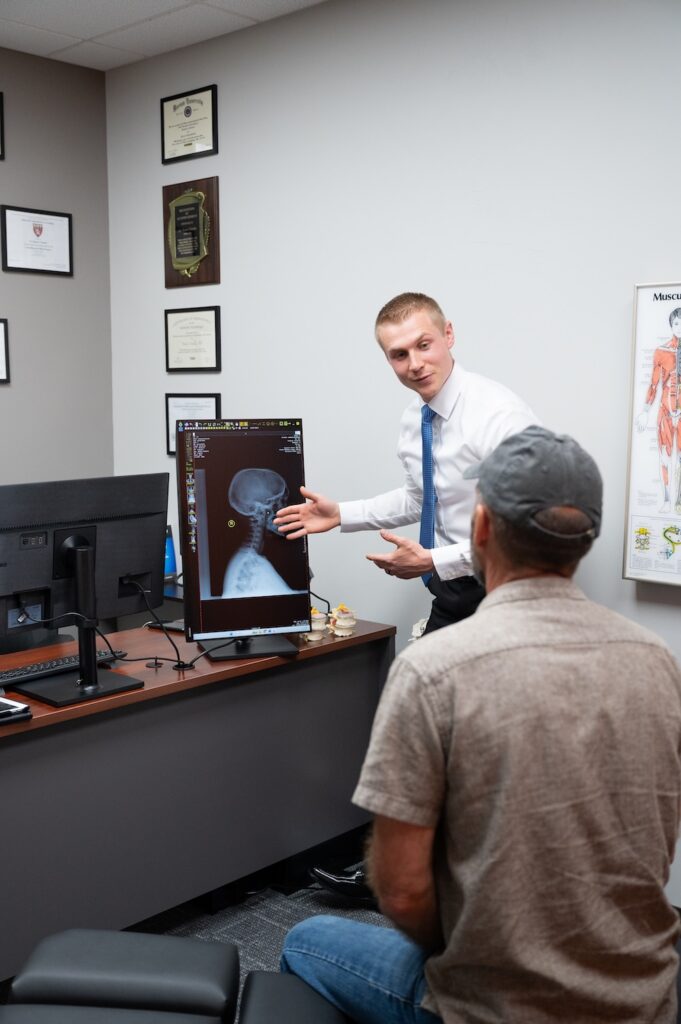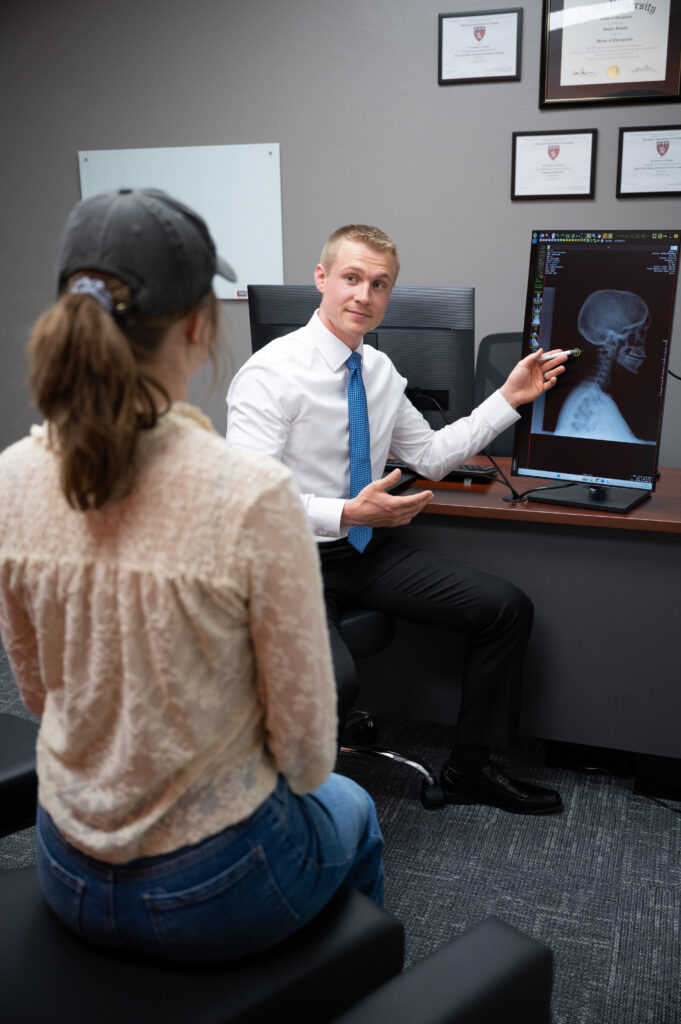

As a local chiropractor, I understand how sports-related back pain can significantly affect both your athletic performance and daily activities. Many of my patients are often unaware of the effective treatments available that can help ease their discomfort and support healing naturally.
From foundational practices like rest and recovery to more specialized approaches such as chiropractic adjustments, physical therapy, and acupuncture, each treatment has its own unique advantages. You might be surprised to learn how a holistic combination of these methods can lead to a more thorough recovery.
So, what are the best ways to address your back pain and get you back to doing what you love? Let's delve into the top ten treatments that can truly make a difference in your journey to health and wellness. Remember, chiropractic care is all about restoring balance and function to your body, helping you not just recover, but thrive.
Rest and Recovery
As a local chiropractor, I want to emphasize how crucial rest and recovery are when dealing with sports-related back pain. Your body requires time to heal, and ignoring the pain can lead to more severe injuries. It's important to listen to your body and take a step back. This doesn't mean you have to stop being active altogether; instead, consider engaging in gentle movements and activities that won't aggravate your discomfort.
Prioritizing quality rest is essential. Ensure you're getting adequate sleep and minimizing physical strain. Quality sleep plays a vital role in tissue repair and inflammation reduction, both of which are key to your recovery process. If you're experiencing tightness or soreness, incorporating light stretching or yoga can help maintain your flexibility without placing excessive strain on your back.
Another critical aspect of your recovery journey involves evaluating your training routine. It may be time to reassess your workout intensity or refine your technique. This proactive approach can prevent further strain and help you avoid future injuries.
When you start reintroducing activities, I recommend beginning with low-impact exercises before gradually increasing to more intense workouts.
If your pain persists, please don't hesitate to reach out to a healthcare professional, like myself. I can provide personalized advice and treatment options tailored to your needs, helping you recover safely and effectively.
Ice Therapy
As a local chiropractor dedicated to helping you understand natural healing methods, I want to emphasize the importance of rest and recovery in managing sports-related back pain. One effective approach you can incorporate is ice therapy, also known as cryotherapy. This method is excellent for reducing inflammation and numbing sore tissues, which can provide significant relief from discomfort, especially after workouts or activities that put a strain on your back.
To utilize ice therapy effectively, I recommend applying an ice pack or a cold compress directly to the affected area for about 15 to 20 minutes at a time. It's crucial to wrap the ice pack in a thin towel to protect your skin from frostbite. You can repeat this process every 1 to 2 hours, particularly during the first 48 hours after an injury or flare-up.
Timing plays a vital role in the effectiveness of ice therapy. Applying ice immediately after an injury can significantly reduce inflammation and alleviate pain. If you suffer from chronic back pain, regular sessions of ice therapy can assist in managing flare-ups, especially after engaging in physical activities.
Always listen to your body. If you experience increased stiffness or discomfort, consider adjusting the frequency or duration of your ice sessions.
Heat Therapy
As a local chiropractor, I want to share with you the benefits of heat therapy for alleviating sports-related back pain, particularly when you're experiencing muscle tension and stiffness.
Applying heat to your back can significantly enhance blood circulation, which helps deliver essential nutrients to your muscles while effectively removing waste products. This natural process promotes healing and relaxation, making it easier for you to get back to your favorite activities.
There are various methods you can use for heat therapy. Heating pads, hot water bottles, and warm towels are all excellent options. If you're looking for a more holistic approach, soaking in a warm bath or enjoying a hot shower can also provide substantial relief.
Just be sure to keep the heat warm—never scalding—to avoid any risk of burns. For optimal results, aim for 15 to 20 minutes of heat application at a time. This allows your muscles to relax and the discomfort to subside.
Heat therapy is especially beneficial for chronic muscle pain or stiffness that tends to flare up after physical activity. It's a wonderful way to soothe tight muscles after a long day of training or competition.
However, it's crucial to remember that heat shouldn't be applied to acute injuries, such as new strains or sprains, as it may exacerbate swelling and increase pain.
Incorporating heat therapy into your recovery routine can enhance your overall healing process. You'll likely find yourself feeling more comfortable and flexible, which means you can return to your preferred activities sooner.
Always pay attention to how your body responds; if the heat feels uncomfortable or if your pain intensifies, it's important to stop using it and consult with a healthcare professional for further guidance.
As your chiropractor, I'm here to help you understand the natural healing methods available to you. If you have any questions or concerns about heat therapy or any other aspects of your recovery, please don't hesitate to reach out. Your well-being is my priority!
Physical Therapy
Chiropractic care is an effective approach for managing sports-related back pain and promoting your overall recovery. When you visit a chiropractor, you'll experience a holistic evaluation of your condition, allowing us to develop a customized plan that focuses on alleviating pain, enhancing mobility, and strengthening your back through natural methods.
In your sessions, I'll assess your specific needs and create a personalized treatment strategy. This often includes spinal adjustments, stretches, and exercises aimed at improving the function of your spine and surrounding muscles.
Here are some key benefits you can expect from chiropractic care:
- Pain Relief: Through spinal adjustments and manipulations, we can help reduce pain and discomfort in your back, allowing your body to heal naturally.
- Enhanced Flexibility: Our focus on gentle stretching and alignment can improve your range of motion, making daily activities much easier.
- Strength Development: We incorporate exercises that strengthen your core and back muscles, providing better support for your spine and helping to prevent future issues.
- Education: I'll guide you on proper posture, body mechanics, and injury prevention techniques, empowering you to take control of your health.
Chiropractic care isn't just about alleviating pain; it's about equipping you with the tools and knowledge to foster long-term back health.
Chiropractic Care
As a local chiropractor, I want to take a moment to share how chiropractic care can be a valuable resource for anyone experiencing sports-related back pain. Through a variety of techniques, we focus on restoring proper alignment and function to your spine, which can lead to significant relief from discomfort.
Many individuals may not be familiar with the benefits of chiropractic care and its natural approach to healing. By understanding how our methods work, you can feel more empowered to make informed decisions about your treatment journey.
I encourage you to explore the positive impact chiropractic care can have on your overall well-being and athletic performance. Let's work together to help you achieve a pain-free, active lifestyle!
Benefits of Chiropractic Care
As a local chiropractor, I'm here to help you understand how chiropractic care can be an essential part of your recovery if you're experiencing sports-related back pain. Many people may not be familiar with the benefits of chiropractic, so I'd like to share how our treatments can support your healing journey and enhance your overall mobility.
When you come to see me for chiropractic care, my primary focus is on aligning your spine and alleviating muscle tension. This not only helps with pain relief but also gets you back to enjoying your favorite sports activities more quickly.
Here are some key benefits you can expect from our chiropractic treatments:
- Pain Relief: Many of my patients report feeling immediate relief from discomfort after their first adjustment, allowing them to return to their sports with renewed enthusiasm.
- Improved Flexibility: Regular chiropractic adjustments can significantly enhance your range of motion, making it easier for you to perform at your peak during sports activities.
- Preventative Care: One of the most important aspects of chiropractic care is its preventative nature. I can help identify potential issues before they escalate into serious injuries, so you can stay active and healthy for longer.
- Holistic Approach: I believe in treating the whole person, not just the symptoms. That's why I provide lifestyle recommendations that support your recovery and promote overall wellness.
If you're ready to explore how chiropractic care can benefit you, I invite you to schedule a consultation. Together, we can work towards getting you back in the game and feeling your best!
Techniques Used in Treatment
As your local chiropractor, I want to take a moment to explain the various techniques we use in chiropractic care and how they can help alleviate your back pain and improve your overall performance, especially in sports.
One of the primary methods we focus on is spinal manipulation. This technique is essential for restoring proper alignment and function to your spine. By gently adjusting any misaligned vertebrae, we can relieve pressure on your nerves, reduce inflammation, and enhance your mobility, making it easier for you to engage in your daily activities and sports.
In addition to spinal manipulation, we often incorporate soft tissue therapies, such as massage and myofascial release. These approaches target tight muscles and fascia, promoting relaxation and increasing blood flow to the affected areas. Many patients find that these techniques help release tension and improve their overall comfort.
You might also benefit from active release techniques, which are specifically designed to break up scar tissue and enhance flexibility. This can be particularly useful for athletes looking to optimize their performance.
Furthermore, I often recommend therapeutic exercises tailored to strengthen your core and support your spine. These exercises not only facilitate recovery but also play a crucial role in preventing future injuries, ensuring you stay active and healthy.
Lastly, we may use modalities like ultrasound or electrical stimulation to help ease pain and reduce inflammation. These additional therapies can complement our hands-on techniques and enhance your healing process.
By understanding these techniques and how they work together, you can appreciate the holistic approach of chiropractic care to promote natural healing and overall wellness.
Please feel free to ask any questions or share your concerns during your visits!
Massage Therapy
As a local chiropractor, I want to shed light on an often-overlooked aspect of athletic care: the benefits of massage therapy for managing sports-related back pain.
Many athletes concentrate solely on strength and conditioning, but integrating massage therapy into your recovery plan can make a significant difference. This holistic approach not only alleviates pain but also enhances your overall athletic performance by improving circulation and flexibility.
When you weave massage therapy into your routine, you may discover a variety of benefits:
- Pain Relief: By targeting specific muscle groups, massage can effectively alleviate tension and soreness in your back, helping you feel more comfortable and ready to perform.
- Improved Recovery: Regular massage sessions can accelerate your recovery time by flushing out toxins and boosting blood flow to areas that are healing.
- Enhanced Mobility: Loosening tight muscles through massage can help restore your range of motion, making it easier for you to excel in your sport.
- Stress Reduction: The calming effects of massage therapy can lower stress hormones, allowing both your mind and body to recuperate more efficiently.
Whether you prefer a deep tissue approach or a more gentle technique, finding a skilled therapist familiar with sports-related injuries is crucial.
It's important to listen to your body and observe how it responds after each session. Many athletes find that incorporating massage therapy not only alleviates back pain but also provides a mental edge during competition.
So, don't view massage therapy as a mere luxury; consider it an essential component of your athletic toolkit.
As your chiropractor, I encourage you to explore the benefits of this natural healing method and how it can enhance both your recovery and performance.
Stretching and Strengthening
As a local chiropractor, I want to share with you the significant role that stretching and strengthening exercises play in preventing and managing sports-related back pain. By incorporating these exercises into your routine, you can enhance your flexibility, improve core stability, and build resilience in your back muscles. This proactive approach not only alleviates pain but also helps to minimize the risk of future injuries.
Let's start with gentle stretching to boost your flexibility. Focus on key areas such as the hamstrings, hip flexors, and lower back muscles. Simple stretches like the cat-cow, child's pose, and seated forward bend can effectively loosen tight areas. I recommend holding each stretch for about 20-30 seconds while breathing deeply to promote relaxation.
You might also find it beneficial to incorporate practices like yoga or Pilates into your routine, as they emphasize both flexibility and core strength.
After warming up your muscles with stretching, it's important to shift your focus to strengthening exercises. A strong core is essential, as it stabilizes your spine and supports your back during various physical activities. Exercises such as planks, bridges, and bird-dogs are excellent for targeting your core.
Additionally, don't overlook the importance of strengthening your back muscles with exercises like supermans and rows. This balanced approach ensures well-rounded muscle development.
Consistency is crucial for achieving the best results. I recommend performing these exercises at least three times a week. By committing to a regular routine of stretching and strengthening, you can greatly improve your back health.
This will allow you to engage in your favorite sports and activities without the fear of back pain holding you back. Remember, a strong and flexible back is key to enjoying a pain-free lifestyle!
Over-the-Counter Pain Relief
As a local chiropractor, I understand that sports-related back pain can be frustrating and hinder your ability to enjoy your favorite activities. Many people turn to over-the-counter (OTC) pain relief for quick relief, and while these medications can provide temporary comfort, it's essential to explore holistic approaches for long-term healing.
OTC pain relievers typically fall into two categories: nonsteroidal anti-inflammatory drugs (NSAIDs) and acetaminophen. Here's a brief overview of some common options:
- Ibuprofen: This NSAID can help reduce inflammation and alleviate pain, making it a common choice for those experiencing back discomfort.
- Naproxen: Similar to ibuprofen but effective for longer durations, it may be suitable for those with chronic pain.
- Acetaminophen: While it doesn't tackle inflammation, it's effective in managing pain and tends to be gentler on the stomach.
- Topical analgesics: Creams or patches with ingredients like menthol or capsaicin can offer localized relief without the systemic effects of oral medications.
While these OTC options can be helpful in managing symptoms, I encourage you to consider a more holistic approach to your back pain. Chiropractic care focuses on addressing the root causes of discomfort through spinal adjustments, rehabilitation exercises, and lifestyle changes. This not only helps to alleviate pain but also promotes overall wellness and prevents future issues.
If you do opt for OTC pain relief, please read the labels carefully and adhere to dosage instructions to minimize the risk of side effects. If you have any underlying health conditions or are taking other medications, consulting with a healthcare professional is a wise choice to ensure safe use.
Acupuncture
As a local chiropractor, I want to share how acupuncture can be a valuable complement to chiropractic care for those experiencing sports-related back pain. This ancient practice involves the insertion of thin needles into specific points on your body, stimulating healing and providing pain relief. Many athletes explore acupuncture as a natural alternative to medications, seeking effective ways to alleviate discomfort.
When you receive acupuncture, you may notice a reduction in muscle tension, improved blood circulation, and an overall sense of well-being. Research indicates that acupuncture can help release endorphins—your body's natural painkillers—which can significantly ease back pain.
As you relax during the treatment, you may experience a deep sense of calm, which stands in stark contrast to the stress and discomfort that often accompany sports injuries.
It's crucial to work with a licensed acupuncturist who's experienced in treating sports-related injuries. They'll evaluate your specific condition and customize the treatment to meet your individual needs. While many individuals report significant improvements after just a few sessions, you might need multiple visits to achieve the best results.
While acupuncture is beneficial, I recommend combining it with chiropractic care and other methods, such as physical therapy or appropriate stretching routines, for optimal recovery.
Pay close attention to how your body responds to the treatments, and don't hesitate to communicate any concerns with your acupuncturist or chiropractor. By integrating acupuncture into your recovery plan, you're taking proactive steps toward overcoming back pain and returning to the activities you love.
Ergonomic Adjustments
As a local chiropractor, I want to emphasize the importance of making ergonomic adjustments to your workspace, particularly if you're experiencing sports-related back pain.
Creating a comfortable and supportive environment is crucial in reducing strain on your back, especially for those of you who spend long hours either sitting or standing. Here are some essential adjustments you can consider:
- Chair Height: It's vital to ensure that your chair is at the correct height. Your feet should rest flat on the floor, and your knees should form a 90-degree angle. This helps maintain proper alignment and reduces pressure on your spine.
- Desk Setup: Your desk should be arranged so that your elbows remain at a 90-degree angle while typing. This position minimizes strain on your shoulders and back, allowing for a more relaxed posture.
- Monitor Position: Position your computer monitor at eye level, about an arm's length away. This not only helps prevent neck strain but also encourages better overall posture, which is essential for spinal health.
- Frequent Breaks: I can't stress enough the importance of taking regular breaks. Stand up, stretch, and walk around to relieve tension and promote circulation. Movement is essential for maintaining a healthy spine.
By incorporating these ergonomic adjustments into your daily routine, you can significantly alleviate back pain and enhance your overall productivity and well-being.
Remember, a well-designed workstation plays a key role in maintaining good posture and preventing injuries. Taking the time to assess and modify your workspace is an investment in your long-term health, especially as an athlete.
Don't underestimate the power of ergonomic adjustments; they can truly be transformative in managing and preventing sports-related back pain.
If you have any questions or need further guidance, feel free to reach out to my office for more information on how chiropractic care and natural healing can support your journey to better health.
Conclusion
As a local chiropractor, I want to emphasize the importance of a comprehensive approach to managing sports-related back pain. It's crucial to understand that simply resting isn't always enough. Incorporating ice and heat therapy can significantly aid in reducing inflammation and relaxing tense muscles.
Professional care, such as chiropractic adjustments and physical therapy, plays a vital role in your recovery. These treatments not only help alleviate pain but also address the underlying causes, ensuring your body is functioning optimally.
Moreover, I cannot stress enough the value of stretching and strengthening exercises. They are fundamental in supporting your spine and preventing future injuries. Additionally, making ergonomic adjustments in your daily activities can contribute greatly to your overall spinal health.
By embracing these strategies, you can enhance your performance and return to the activities you enjoy without fear of recurring pain. Remember, chiropractic care and natural healing are here to support you on your journey to wellness!