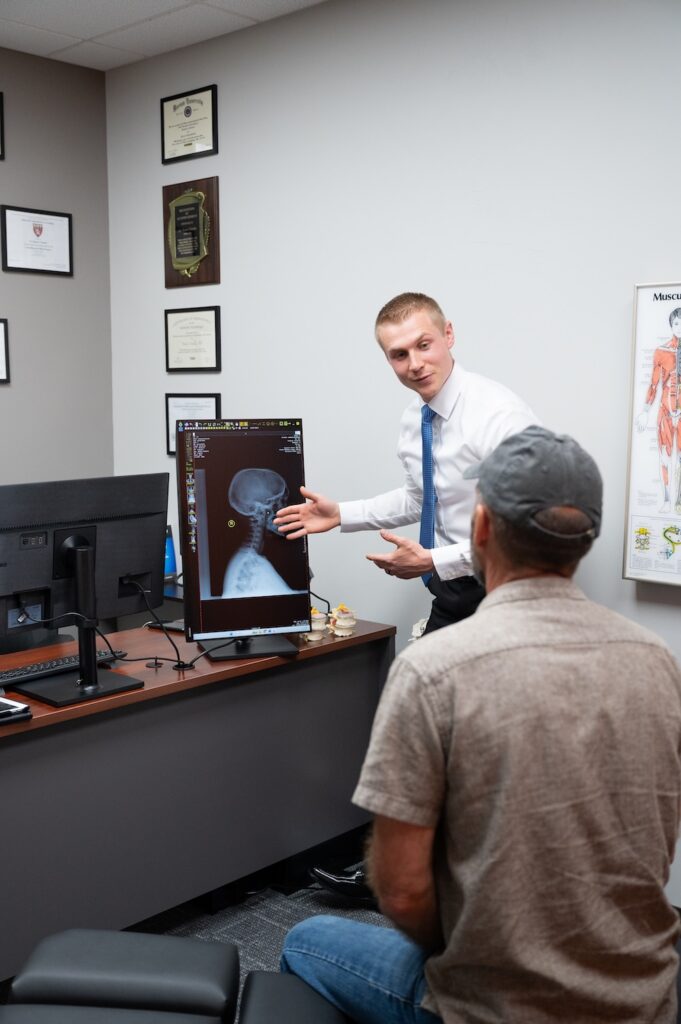
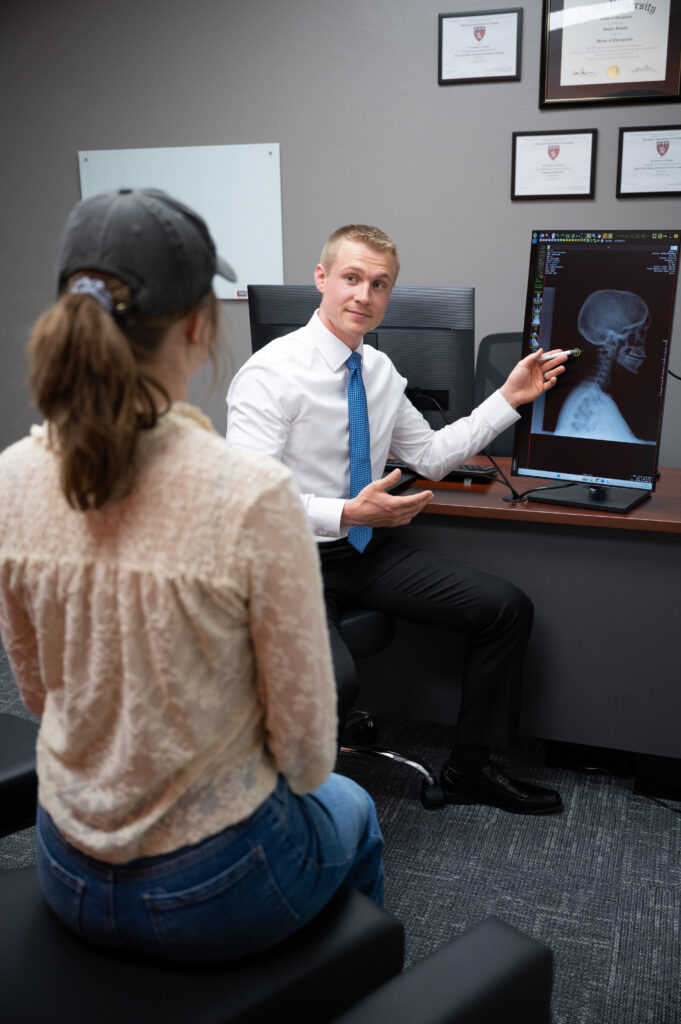
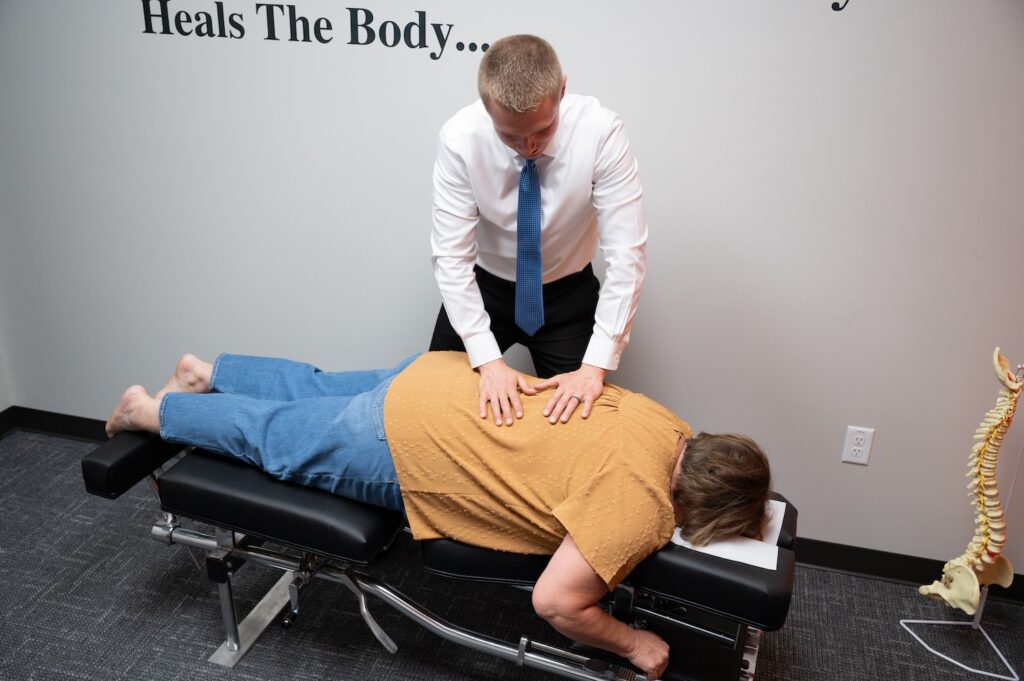
If you're experiencing upper back pain, I encourage you to consider chiropractic adjustments as a potential solution. Many individuals overlook the importance of proper spinal alignment for their overall comfort and wellbeing. Issues such as poor posture and repetitive strain can lead to discomfort that significantly affects your daily life. By addressing these problems early, we can help prevent further complications down the line.
As your local chiropractor, I want to guide you in exploring various strategies for relief and long-term wellness. Understanding the benefits of chiropractic adjustments is crucial. These adjustments can help realign your spine, alleviate pain, and improve your overall function. Additionally, it's important to reflect on how your lifestyle choices may be contributing to the pain you experience. Together, we can work towards not just treating your symptoms, but also enhancing your quality of life through natural healing.
Understanding Upper Back Pain
As a local chiropractor, I want to help you understand the complexities of upper back pain, which can arise from a variety of causes. It's crucial to recognize its origins and symptoms so that you can take proactive steps towards relief and healing.
If you're feeling discomfort in your upper back, you may notice tightness or stiffness between your shoulder blades. This discomfort can manifest as a dull ache or even sharp pain, particularly after extended periods of sitting or standing.
One of the first things to consider is how your posture affects your upper back health. Many of us tend to slouch or hunch over our computers, which places unnecessary strain on our muscles and can lead to pain. If your daily routine includes repetitive tasks like lifting or reaching, be aware that these activities can also stress your upper back muscles. By being mindful of these habits, you can significantly reduce the risk of discomfort.
It's also important to recognize the role stress plays in upper back pain. Under pressure, we often unconsciously tense our muscles, which can exacerbate discomfort. Finding effective ways to manage stress is essential to your overall well-being. Techniques such as relaxation exercises, regular physical activity, or mindfulness practices can be very beneficial.
Additionally, your sleeping position and environment can greatly impact your upper back health. If you're using a mattress or pillow that doesn't provide adequate support, you might wake up with stiffness and pain. Ensuring that your sleep setup promotes proper spinal alignment is key to reducing discomfort and enhancing recovery.
At our chiropractic practice, we focus on natural healing methods to help alleviate upper back pain. By addressing the root causes of your discomfort, we can work together to develop a personalized treatment plan that suits your needs and lifestyle.
Your journey to better spinal health starts with understanding how these factors affect you, and I'm here to guide you every step of the way.
Common Causes of Discomfort
As a local chiropractor, I want to help you understand some common causes of upper back pain that you may not be aware of. Many people immediately think of poor posture and muscle strain, and while those are certainly significant factors, there are other aspects to consider as well.
The way you sit or stand plays a crucial role in your comfort levels. If you're not mindful of your posture, it can lead to discomfort that you mightn't even recognize as an issue until it becomes more pronounced.
Another common cause of upper back pain is overexertion or improper lifting techniques. Whether you're lifting heavy objects or even just bending down to pick something up, using the wrong methods can strain your muscles and increase your pain.
At our practice, we emphasize the importance of proper body mechanics and posture in preventing and alleviating discomfort. By incorporating natural healing techniques and chiropractic adjustments, we can help you find relief and maintain a healthy spine.
If you're experiencing discomfort, consider reaching out to learn more about how we can assist you in your journey to better health.
Poor Posture Habits
As a local chiropractor, I want to share some important insights about posture and its impact on your health. Many people don't realize that habits like slouching over your desk or hunching while using your phone can lead to significant upper back pain. These poor posture habits create unnecessary strain on your spine and the surrounding muscles, which can ultimately affect your overall well-being.
When you lean forward or round your shoulders, you disrupt the natural curvature of your spine. This makes it more challenging for your body to distribute weight evenly. While you may not notice discomfort immediately, over time, these habits can result in chronic pain and stiffness.
It's all too easy to slip into poor posture, especially during those long hours at work or while scrolling through social media. However, I encourage you to start paying attention to how you sit and stand throughout your day.
Make sure your workstation is ergonomically designed; your computer screen should be at eye level, and your chair should provide proper support for your lower back. When using your phone, try to hold it at eye level instead of looking down. These small adjustments can make a significant difference.
Regularly practicing good posture not only helps alleviate upper back pain, but it also enhances your overall health. By being mindful of your posture, you can prevent discomfort and promote a healthier spine.
Muscle Strain Factors
As a local chiropractor, I want to share some insights on muscle strain, particularly how it can stem from our daily activities and habits. Many people are unaware that even routine movements—like lifting heavy items, reaching for things up high, or spending long hours at a desk—can lead to discomfort, especially in the upper back.
These actions can place unnecessary stress on your muscles, particularly when proper techniques aren't employed. Moreover, repetitive motions, such as typing or scrolling through your phone, can add to the strain. If you often find yourself hunched over your devices, you might be increasing tension in your upper back without even realizing it.
It's also worth noting that a sedentary lifestyle can weaken your muscles, making them more vulnerable to injury during everyday tasks. Your sleeping position is another crucial factor to consider. An unsupportive pillow or mattress may leave you waking up with tightness in your back.
Stress plays a significant role as well; it frequently leads to muscle tightness, which can heighten discomfort. Understanding these contributing factors is essential for preventing further strain.
Importance of Early Intervention
As a local chiropractor, I want to emphasize the importance of early intervention when it comes to upper back pain. Many of my patients come in with discomfort or tightness in their upper back, and I often remind them that addressing these symptoms early can prevent more serious issues later on. Ignoring those initial signs can lead to a chain reaction of problems that might've been easily managed with prompt care.
It's common to think that a little discomfort is just part of aging or daily life, but that mindset can be risky. Seeking help early on significantly increases your chances of a quick recovery. Through chiropractic care, we can identify the root cause of your pain and provide targeted treatments that alleviate symptoms before they become more severe.
By taking action sooner rather than later, you not only lower the risk of developing serious conditions, but you also enhance your ability to maintain your daily activities and overall quality of life. Many of my patients find that addressing their upper back pain early leads to shorter recovery times, allowing them to get back to their routines more quickly.
Moreover, early intervention often means we can utilize less intensive treatments. This can potentially save you from costly medical procedures or lengthy rehabilitation programs.
Benefits of Chiropractic Adjustments
As a local chiropractor, I want to share with you the incredible benefits of chiropractic adjustments, especially for those experiencing upper back pain. If you're feeling discomfort in your upper back, it could be due to misalignments in your spine, which can cause tension and stiffness. Chiropractic care focuses on correcting these misalignments, helping to restore your spine's proper alignment and alleviate pain.
One of the primary benefits of chiropractic adjustments is their ability to reduce inflammation. By realigning your spine, we can enhance blood circulation and decrease swelling in the affected areas, which promotes faster healing. Many of my patients notice a significant reduction in pain after just a few sessions, allowing them to return to their everyday activities with newfound ease.
In addition to pain relief, chiropractic adjustments can also improve your overall range of motion. As your spine becomes correctly aligned, you'll find that it's easier to move without discomfort. This improvement can positively impact your posture, reducing the likelihood of future back issues.
I also take a holistic approach to wellness in my practice. Alongside adjustments, I may recommend lifestyle modifications, including specific exercises and stretches that are designed to strengthen your back and enhance your flexibility. This proactive approach is essential for maintaining long-term relief from upper back pain.
Lastly, many patients report feeling more relaxed and less stressed after receiving chiropractic adjustments. The relief from pain and tension contributes to an overall sense of well-being, both physically and mentally.
If you're struggling with upper back pain, I encourage you to consider chiropractic adjustments as a natural and effective solution for your discomfort. Let's work together to enhance your health and improve your quality of life!
Role of Physical Therapy
As a local chiropractor, I want to share how chiropractic care can play a vital role in managing upper back pain through natural healing and rehabilitation. Our approach focuses on restoring balance and strength to the muscles that support your spine.
When you come in for a consultation, we'll create a personalized treatment plan tailored to your specific needs and limitations. This customized approach ensures that we address not only your pain but also improve your overall posture and movement.
During your initial assessment, I'll evaluate your range of motion, strength, and any imbalances that may be contributing to your discomfort. Based on this evaluation, we'll work together on exercises designed to enhance flexibility and stability in your upper back.
Core and back strengthening exercises are essential, as they provide crucial support to your spine and help prevent future injuries.
In addition to targeted exercises, I may employ various chiropractic techniques, including spinal adjustments, manual therapy, and modalities like heat or cold therapy, to alleviate pain and promote healing.
Educating you on proper body mechanics during your daily activities is also a key component of our care. By learning how to lift items correctly, maintain an ergonomic sitting position, and uphold good posture, you can significantly reduce strain on your upper back.
Ultimately, engaging in chiropractic care not only helps relieve your current discomfort but also equips you with the knowledge and tools to maintain a healthy, pain-free back for the long term.
Lifestyle Changes to Consider
As a local chiropractor, I want to share with you some essential lifestyle changes that can significantly impact your upper back health. Understanding that managing upper back pain goes beyond just treatment is crucial. By embracing healthier habits, you can ease tension and prevent future discomfort.
Here are four key changes to consider:
- Ergonomic Workspace: It's vital to ensure that your workspace promotes good posture. I encourage you to assess your desk setup—adjust your chair, monitor, and keyboard to minimize strain on your upper back. A well-designed workspace can make a world of difference in how you feel throughout the day.
- Regular Movement Breaks: If you find yourself sitting for long periods, it's important to take short breaks every hour. Stand up, stretch, or take a brief walk to keep your muscles engaged and combat stiffness. Movement is essential for your overall spinal health.
- Mindful Posture: Be conscious of your posture throughout the day. Whether you're sitting, standing, or walking, maintaining a neutral spine alignment is key to avoiding unnecessary pressure on your back. Simple awareness can lead to significant improvements.
- Healthy Sleep Environment: Investing in a supportive mattress and pillows is crucial for your back health. The way you sleep can greatly affect how you feel when you wake up. Proper sleep posture can contribute to a better night's rest and reduce discomfort.
Incorporating these lifestyle changes into your daily routine can greatly enhance your upper back health. It's about creating an environment that supports your body and encourages movement.
Remember, even small adjustments can lead to meaningful relief. By taking a proactive approach, you'll not only manage your pain more effectively but also improve your overall quality of life.
I encourage you to make these changes part of your daily habits, and you may notice a positive shift in how you feel. Your journey to wellness is important, and I'm here to support you every step of the way.
Stretching and Strengthening Exercises
As your local chiropractor, I want to emphasize the significant benefits of stretching and strengthening exercises for your upper back health. Many patients come to me seeking relief from pain, and what I often find is that incorporating specific exercises into their daily routine can make a world of difference.
By targeting key muscles in your upper back, not only can you alleviate discomfort, but you can also prevent future issues from arising. It's important to understand that chiropractic care goes hand-in-hand with these natural healing practices. Together, they can enhance your overall well-being.
Let's take a closer look at how these exercises can benefit you and how you can easily get started on this journey to a healthier back.
Benefits of Stretching
As a local chiropractor, I want to help you understand the importance of incorporating stretching and strengthening exercises into your daily routine for alleviating upper back pain and improving your overall mobility.
Many patients may not realize the significant benefits that stretching can offer, so let's explore some of the key advantages you can experience:
- Improved Flexibility: By regularly engaging in stretching exercises, you can enhance your range of motion. This means that everyday activities—like reaching for something on a shelf or bending down to tie your shoes—become easier and more comfortable.
- Reduced Muscle Tension: Stretching is an effective way to relax the tight muscles in your upper back. When these muscles are less tense, it can significantly reduce the strain that often leads to pain, allowing you to move more freely.
- Enhanced Circulation: Stretching promotes increased blood flow to your muscles, which is crucial for healing. This improved circulation delivers essential nutrients to your muscles and helps reduce soreness, making you feel better overall.
- Better Posture: Engaging in regular stretching exercises can heighten your awareness of body alignment. This awareness helps you maintain proper posture throughout the day, which can decrease the risk of future injuries and discomfort.
Incorporating these simple practices can greatly enhance your quality of life.
If you're interested in learning more about how chiropractic care and natural healing can support your health journey, I'm here to help!
Strengthening Key Muscles
As a local chiropractor, I want to emphasize the importance of not only stretching but also strengthening the key muscles in your upper back to alleviate pain and improve your overall stability.
Strong upper back muscles play a crucial role in supporting your spine, which helps to reduce strain and discomfort. Let's focus on some effective exercises that target the rhomboids, trapezius, and latissimus dorsi, which are essential for maintaining good posture and spinal health.
One exercise I highly recommend is the seated row. You can use a resistance band or a cable machine for this. Sit with your back straight and pull the handles towards you. This movement effectively engages your upper back muscles and promotes better posture.
Another excellent choice is the bent-over dumbbell fly. In this exercise, you bend at the hips while holding a dumbbell in each hand and raise your arms to the side. This specifically targets the rear deltoids and upper back, helping to strengthen these critical areas.
It's also important to remember the role of your core muscles. By engaging your core during these exercises, you enhance your overall stability and protect your back even further.
I recommend incorporating these strengthening exercises into your routine two to three times a week, allowing adequate time for your muscles to recover in between sessions. By focusing on strengthening your upper back, you can make a significant difference in managing pain and enhancing your overall well-being.
If you have any questions or need guidance on proper techniques, feel free to ask during your next visit!
Daily Exercise Routine
As a local chiropractor dedicated to your well-being, I want to share some valuable insights into managing upper back pain through a daily exercise routine that emphasizes both stretching and strengthening. This approach not only helps alleviate discomfort but also enhances your overall mobility and posture, which are crucial for maintaining a healthy spine.
Here are four essential exercises I recommend incorporating into your daily routine:
- Cat-Cow Stretch: This gentle stretch is fantastic for increasing flexibility in your spine while relieving tension in your upper back. It's a simple yet effective way to start your day.
- Seated Row with Resistance Band: Strengthening the muscles in your upper back can significantly improve your posture and provide support for your spine, which ultimately reduces pain. This exercise is easy to do at home with minimal equipment.
- Child's Pose: This restorative stretch not only elongates your spine but also helps to relax tight muscles, providing a soothing relief from pain. It's a great way to unwind after a long day.
- Wall Angels: This exercise is excellent for enhancing shoulder mobility and building upper back strength. It promotes better posture and alleviates strain on your back, making it an essential addition to your routine.
Incorporating these exercises into your daily life can lead to significant improvements in managing upper back pain. Aim for at least 10-15 minutes each day.
It's important to listen to your body; if any movement causes discomfort, consider modifying the exercise or reaching out to a healthcare professional for guidance. Remember, consistency is key; over time, you'll likely notice improvements in both your strength and pain levels.
By understanding and implementing these simple exercises, you can take an active role in your healing journey and enhance your overall quality of life.
If you have any questions or need personalized guidance, feel free to reach out to my office. Your health is my priority!
Ergonomic Workstation Setup
As a local chiropractor, I want to share some essential tips on setting up an ergonomic workstation that can significantly help prevent upper back pain. Many people are unaware of how their workspace can impact their overall health, but by making a few adjustments, you can align your body with its natural posture and minimize strain during your daily activities.
Let's begin with your chair. It's crucial that it supports your lower back and allows your feet to rest flat on the floor or on a footrest. Ensure that your knees are bent at a 90-degree angle and that your thighs are parallel to the ground. This alignment helps maintain the natural curve of your spine, which is vital for preventing discomfort.
Next, let's address your desk and computer setup. Position your monitor at eye level, roughly an arm's length away. This prevents you from having to bend your neck forward or backward, which can lead to tension in your upper back. If you're using a laptop, I recommend investing in a laptop stand and a separate keyboard to help achieve the proper height.
Pay attention to your wrists while typing; they should remain in a neutral position. Using a wrist rest can help with this, reducing the risk of strain. Additionally, the placement of your mouse is important. Keep it close to your keyboard to avoid reaching too far, which can lead to shoulder discomfort.
Don't forget to take regular breaks! Standing up, stretching, and walking around every hour can help alleviate tension that builds up in your upper back. This simple habit can make a significant difference in how you feel throughout the day.
Lastly, I encourage you to maintain good posture. Sit up straight with your shoulders relaxed and avoid slumping. Engaging your core can provide additional support for your spine.
By implementing these adjustments, you'll create a more comfortable and supportive work environment that promotes better posture and reduces the risk of upper back pain.
Stress Management Techniques
As your local chiropractor, I want to emphasize the importance of managing stress not just for your overall health, but specifically for alleviating upper back pain. Many patients may not realize that stress can contribute to muscle tension and discomfort in this area.
Incorporating techniques such as mindfulness and meditation into your daily routine can make a remarkable difference in your well-being. One effective method is practicing breathing exercises. These exercises promote relaxation and help to reduce muscle tension, which can ultimately ease your upper back pain.
By learning to focus on your breath, you can create a sense of calm that positively impacts your body. Let's explore these stress management strategies together, as they can complement the chiropractic adjustments I provide and enhance your overall healing process.
Mindfulness and Meditation
As a local chiropractor, I often see patients dealing with upper back pain that can arise from various physical issues. However, stress frequently exacerbates this discomfort. This is where mindfulness and meditation come into play as valuable tools for relief. By incorporating these practices into your daily routine, you can significantly reduce stress and enhance your overall well-being.
Here are some key benefits of mindfulness and meditation that I encourage my patients to consider:
- Increased Awareness: Mindfulness helps you tune into the present moment, allowing you to become more aware of your body. This heightened awareness can assist you in identifying areas of tension that may be contributing to your upper back pain.
- Reduced Anxiety: Engaging regularly in mindfulness and meditation can lead to lower anxiety levels. As anxiety decreases, so does the tightness in your muscles, which can help alleviate upper back discomfort.
- Enhanced Relaxation: These practices promote deep relaxation, encouraging your muscles to release built-up tension. This can lead to a significant reduction in discomfort and an overall sense of well-being.
- Improved Emotional Regulation: Meditation fosters better emotional management, which can be particularly beneficial in reducing stress-related pain that many of my patients experience.
To get started, I recommend finding a quiet space where you can sit comfortably and focus on your breath. Allow your thoughts to drift in and out without judgment.
With regular practice, you may notice a positive shift in your stress levels and a decrease in pain. Remember, embracing mindfulness and meditation not only aids in managing upper back pain but can also enhance your overall quality of life.
As your chiropractor, I believe integrating these natural healing practices with chiropractic care can provide a holistic approach to your health.
Breathing Exercises Benefits
As a local chiropractor, I want to share how breathing exercises can complement your journey toward better health and well-being. Many of my patients come to me seeking relief from pain and stress, and I often recommend incorporating breathing exercises into their daily routines.
These exercises empower you to take control of your breath, which plays a crucial role in how your body responds to stress. When you engage in deep, intentional breathing, you can lower your heart rate and promote relaxation. This not only helps alleviate upper back pain but also allows you to manage other stressors more effectively.
By focusing on your breath, you can redirect your attention away from daily stressors, granting your mind a moment to clear and reset. This practice enhances your emotional resilience, making it easier to confront challenges in your life.
I encourage my patients to make breathing exercises a regular part of their self-care routine, as even just a few minutes of focused breathing can lead to significant improvements in overall well-being.
You don't need fancy equipment or a lot of time—simple techniques like diaphragmatic breathing or the 4-7-8 method can be done anywhere, anytime. With consistent practice, you can cultivate a sense of calm and balance that complements the benefits of chiropractic care and supports your path to natural healing.
When to Seek Professional Help
As a local chiropractor, I want to emphasize the importance of recognizing when to seek professional help for upper back pain. Understanding these signs can greatly enhance your recovery process and overall well-being. If you encounter any of the following symptoms, I encourage you to reach out for expert guidance:
- Persistent Pain: If your upper back pain lingers for more than a few days, it could indicate an underlying issue that deserves attention. Chiropractic care can help identify and address these concerns effectively.
- Radiating Pain: If you experience pain that radiates down your arms or legs, this may suggest nerve involvement. It's essential to get this evaluated promptly, as early intervention can prevent complications.
- Weakness or Numbness: Feeling weakness or numbness in your arms or hands could be a sign of a neurological issue. A chiropractor is trained to assess these symptoms and provide the appropriate treatment to restore function.
- Accompanying Symptoms: If your upper back pain is accompanied by symptoms such as fever, unexplained weight loss, or difficulty breathing, it's crucial to seek immediate help. These could be indicators of more serious health concerns.
Neglecting these signs can lead to complications and prolong your recovery. As a chiropractor, I can perform a comprehensive assessment to determine the root cause of your pain and recommend natural treatment options tailored to your needs.
Early intervention through chiropractic care can't only alleviate your discomfort but also help you avoid further injury, allowing you to return to your daily activities more quickly.
Remember, prioritizing your health is essential. Addressing upper back pain promptly with the right professional guidance is a proactive step towards a healthier, pain-free life.
If you have any concerns or questions, please don't hesitate to reach out for help—I'm here to support you on your healing journey!
Conclusion
As a local chiropractor, I want to emphasize the importance of making adjustments for upper back pain to enhance your comfort and overall well-being. Often, early intervention is key to addressing the root causes of your discomfort. By incorporating chiropractic care, physical therapy, and proper ergonomics into your routine, you can not only alleviate pain but also prevent chronic issues from developing.
I encourage you to recognize the significant benefits of stretching and strengthening exercises, along with effective stress management techniques. These practices can play a vital role in your daily life, promoting better posture and reducing tension in your upper back.
If you're experiencing persistent pain, I urge you not to hesitate in seeking professional assistance. Together, we can ensure that you are on the path to a healthier and more active lifestyle. Remember, your journey towards wellness starts with understanding the natural healing methods available to you through chiropractic care.