When it comes to your posture, you might underestimate the impact it has on your overall health. You may not realize how poor alignment can lead to chronic pain, reduced mobility, and even affect your confidence. Choosing professional care, like chiropractic or physical therapy, can be a game-changer in addressing these issues. By targeting specific muscle groups and incorporating ergonomic adjustments, you can greatly improve your posture. But what specific steps can you take to guarantee lasting benefits and avoid common pitfalls?
Benefits of Good Posture
Good posture isn't just about looking confident; it's essential for your overall health and well-being. When you maintain proper alignment, you're not only improving your appearance but also supporting your body in countless ways.
Good posture can enhance your breathing, allowing your lungs to expand fully and making each breath count. You'll find that you can take deeper breaths, which boosts your energy levels and improves your focus throughout the day.
Moreover, good posture helps alleviate strain on your muscles and joints. When you sit or stand correctly, you're distributing your body weight evenly, which reduces the risk of injury and chronic pain. You may notice fewer headaches, neck pain, and back discomfort when you practice proper alignment. This can lead to a significant increase in your overall comfort and productivity.
Another benefit is improved circulation. When your body is aligned, blood flows more freely, delivering essential nutrients and oxygen to your muscles and organs. This can be particularly beneficial if you spend long hours sitting at a desk or standing in one place.
Additionally, good posture can boost your self-esteem. When you stand tall and confident, you may feel more empowered, ready to tackle challenges with a positive mindset. You'll also project an image of confidence to those around you, which can open up new opportunities in both personal and professional settings.
Incorporating good posture into your daily routine can transform your health and enhance your quality of life.
Common Posture Problems
Many people struggle with posture problems that can undermine the benefits of good alignment. You might find yourself slouching, which can lead to a hunched back and rounded shoulders. This common issue often arises from hours spent sitting at a desk or using your phone. When you're constantly in that position, your muscles adapt, making it harder to stand or sit up straight.
Another frequent posture problem is forward head posture. You may notice this if your chin juts forward while you look at your screen. This misalignment can strain your neck and shoulders, causing discomfort and tension headaches. It's crucial to be aware of how your head aligns with your spine throughout the day.
Additionally, you might experience swayback posture, where your pelvis tilts forward, causing an exaggerated curve in your lower back. This can result in lower back pain and discomfort in your hips.
Similarly, flat back posture occurs when your lower back loses its natural curve, leading to stiffness and fatigue in your back muscles.
Lastly, if you frequently cross your legs or lean to one side while sitting, you could develop imbalances that affect your overall posture. These habits can lead to muscle tightness and discomfort over time.
Role of Chiropractic Care
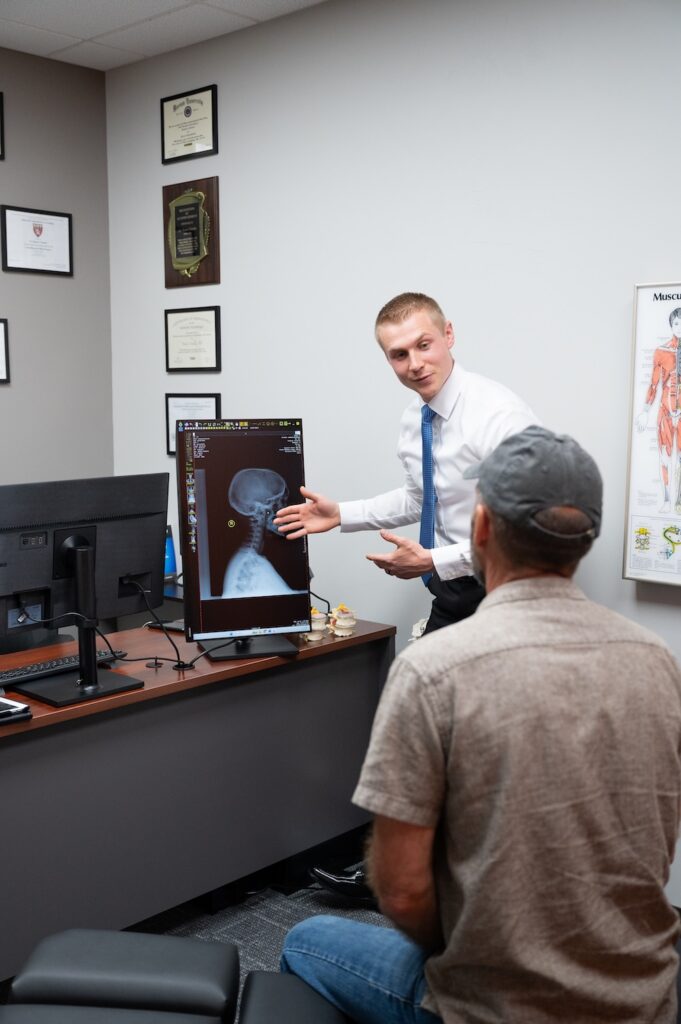
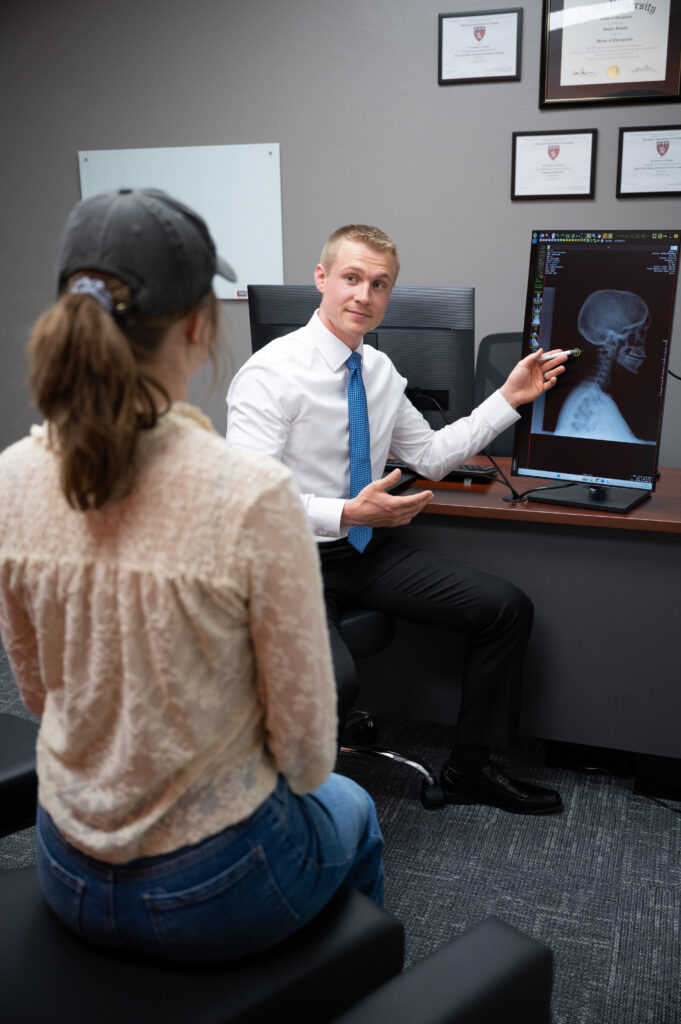
Chiropractic care plays an essential role in improving your posture by ensuring proper spinal alignment.
By addressing muscle tension and using techniques that enhance mobility, you can experience significant relief and increased flexibility.
Regular visits to a chiropractor can help you maintain ideal posture and overall well-being.
Spinal Alignment Benefits
Proper spinal alignment plays an essential role in your overall health and well-being, offering numerous benefits that extend beyond just alleviating back pain.
When your spine is correctly aligned, it supports your body's natural posture, allowing you to move more freely and with greater ease. This alignment helps maintain balance and coordination, reducing the risk of injury during everyday activities.
Moreover, a well-aligned spine aids in ideal nerve function. When your vertebrae are in their correct positions, they don't interfere with the nerves that branch out from your spinal cord. This means your body can communicate more effectively, leading to improved organ function and better overall health.
Improved spinal alignment can also enhance your athletic performance. Whether you're running, lifting weights, or engaging in sports, proper posture ensures your body operates efficiently, maximizing your strength and endurance.
Additionally, you may notice an increase in your energy levels. When your spine is aligned, your body doesn't have to work as hard to maintain stability, allowing you to feel more energized throughout the day.
Investing in chiropractic care can be the key to achieving and maintaining this essential spinal alignment.
Muscle Tension Relief
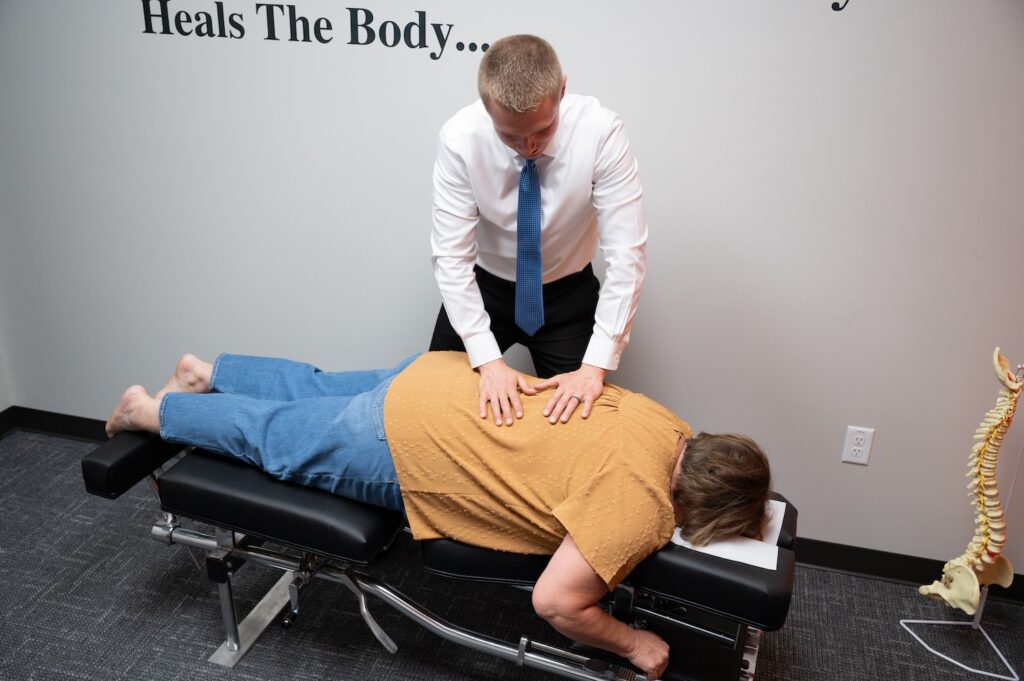
Muscle tension can be a significant barrier to your daily activities and overall comfort. When your muscles are tight or in a state of stress, it can lead to discomfort, pain, and reduced productivity. Chiropractic care plays an essential role in alleviating this tension. By focusing on spinal alignment and the musculoskeletal system, chiropractors can help release built-up muscle tension.
During your chiropractic sessions, the practitioner will assess your posture and identify areas where tension is concentrated. They'll use targeted adjustments and techniques to relieve pressure in your muscles, promoting relaxation and better function. You might notice an immediate reduction in tightness and an overall sense of relief after just a few visits.
In addition to hands-on adjustments, chiropractors often recommend specific exercises and stretches tailored to your needs. These can further help relax tense muscles and prevent future discomfort.
Enhanced Mobility Techniques
When it comes to enhancing mobility, effective chiropractic techniques can make a significant difference in your daily movement and overall functionality. Chiropractors focus on aligning your spine and correcting imbalances, which helps improve your range of motion. By addressing misalignments, you're likely to experience less stiffness and greater flexibility.
Chiropractic adjustments, along with targeted exercises, can help release tight muscles and restore joint function. This combination not only alleviates pain but also promotes better movement patterns. You may find that simple tasks, like bending or reaching, become easier as your mobility improves.
In addition, chiropractors often provide personalized stretching and strengthening routines tailored to your specific needs. These exercises enhance your core stability, which plays a vital role in maintaining proper posture and preventing injuries.
Moreover, regular chiropractic care encourages your body to maintain its natural alignment, reducing the risk of future mobility issues.
Importance of Physical Therapy
Physical therapy plays an essential role in improving your posture and overall well-being.
You can benefit from various techniques designed to correct alignment and strengthen muscles, ensuring lasting results.
Working with trained professionals, you'll receive personalized guidance to help you achieve ideal posture and prevent future issues.
Benefits of Physical Therapy
Engaging in physical therapy offers numerous benefits that can greatly enhance your overall well-being. By addressing your posture and movement patterns, you can experience significant improvements in your daily life.
Here are three compelling advantages:
- Pain Relief: Physical therapy can help alleviate chronic pain by using targeted exercises and manual techniques. You'll learn how to manage discomfort effectively, which can lead to a more active lifestyle.
- Increased Strength and Flexibility: Through personalized exercises, you'll build strength and improve your flexibility. This not only aids in better posture but also reduces the risk of injury during daily activities.
- Enhanced Mobility: Therapy focuses on improving your range of motion, making it easier to perform everyday tasks. Whether it's bending, lifting, or reaching, you'll find that your movements become smoother and less restricted.
These benefits of physical therapy are essential for anyone looking to improve their posture and overall health.
By committing to a tailored program, you can transform your physical capabilities and boost your confidence in daily activities.
Don't underestimate the power of physical therapy for a healthier, more aligned you!
Techniques for Posture Correction
To achieve lasting posture correction, incorporating specific techniques into your routine is vital, especially with the guidance of a physical therapist.
Start by practicing core strengthening exercises. A strong core supports your spine and encourages better alignment. Planks, bridges, and bird-dogs are great options to build stability.
Next, focus on stretching tight muscles. Tightness in your chest, shoulders, and hip flexors can pull you out of alignment. Incorporate stretches such as doorway stretches for your chest and hip flexor stretches to improve flexibility.
Mindfulness plays an important role too. Regularly check in with your posture throughout the day. Set reminders to sit tall, pull your shoulder blades back, and keep your feet flat on the floor.
Another effective technique is ergonomic adjustments. Confirm your workspace is set up correctly; your computer screen should be at eye level, and your chair should support your lower back.
Lastly, consider incorporating posture-specific exercises like wall angels or chin tucks. These can reinforce good posture habits.
Working closely with a physical therapist can provide personalized guidance, making sure that you're using the right techniques to achieve the best results.
Role of Professionals
While implementing techniques for posture correction can be effective, working with a professional, such as a physical therapist, can greatly enhance your progress.
Here's why you should consider their expertise:
- Personalized Assessment: A physical therapist evaluates your unique posture issues and creates a tailored plan that suits your specific needs. This individualized approach can lead to faster, more effective results.
- Targeted Exercises: Professionals guide you through exercises that not only strengthen your postural muscles but also stretch tight areas. This balanced approach helps prevent injury and promotes long-term success.
- Ongoing Support: Having a professional by your side provides motivation and accountability. They can adjust your program as you progress, ensuring you stay on track to achieve your posture goals.
Targeted Exercises for Posture
Focusing on targeted exercises can greatly improve your posture and overall body alignment. These exercises are designed to strengthen the muscles that support your spine and enhance your body's natural alignment. By incorporating them into your routine, you can counteract the effects of daily habits that lead to poor posture.
Start with core-strengthening exercises, as a strong core stabilizes your spine. Planks and bridges are effective choices. Hold a plank position for 30 seconds, ensuring your body forms a straight line from head to heels. For bridges, lie on your back, bend your knees, and lift your hips towards the ceiling. This engages your glutes and lower back muscles.
Next, focus on upper back exercises to combat rounded shoulders. Try wall angels: stand with your back against a wall, arms bent at 90 degrees. Slowly raise and lower your arms, keeping them in contact with the wall. This helps improve shoulder mobility and posture.
Incorporate stretches for your chest and neck to alleviate tightness. Standing in a doorway, place your arms on the frame and lean forward to stretch your chest. For your neck, gently tilt your head to one side, holding for 15-30 seconds on each side.
Consistency is key. Aim to perform these targeted exercises several times a week. Over time, you'll notice improvements in your posture and a reduction in discomfort, leading to a healthier, more confident you.
Ergonomics in Daily Life
When you think about improving your posture, consider how your daily environment affects your body.
Setting up your workspace correctly, incorporating daily stretching, and using proper sitting techniques can make a big difference.
Workplace Setup Essentials
In today's fast-paced work environment, setting up your workspace ergonomically is essential for maintaining good posture and overall health.
A well-organized workspace can greatly reduce strain on your body, leading to increased comfort and productivity. Here are three essentials to take into account when optimizing your setup:
- Chair Height: Your chair should support your lower back while allowing your feet to rest flat on the floor. Adjust the height so that your knees are at a 90-degree angle.
- Monitor Position: The top of your monitor should be at or just below eye level, about an arm's length away. This helps prevent neck strain and encourages you to sit up straight.
- Keyboard and Mouse Placement: Keep your keyboard and mouse at the same level as your elbows when seated. This promotes neutral wrist positions and reduces the risk of repetitive strain injuries.
Daily Stretching Routines
To maintain good posture throughout your day, incorporating daily stretching routines into your life can make a significant difference. Stretching helps relieve muscle tension and improve flexibility, which is essential for maintaining proper alignment.
Start your morning with stretches that target your neck, shoulders, and back. Simple moves like neck rolls and shoulder shrugs can set a positive tone for the day.
During breaks, take a few minutes to stand up and stretch. Try reaching for the sky while standing tall, or perform a gentle side bend to release any built-up tension. These quick stretches not only enhance your posture but also refresh your mind.
Before bed, consider a calming stretching routine to unwind. Focus on deep, controlled stretches that promote relaxation, such as seated forward bends or gentle twists. This practice can help you sleep better and wake up feeling more aligned.
Incorporating these simple stretching routines into your daily life can keep your muscles engaged and your posture in check. Make it a habit, and you'll likely notice improvements in your overall well-being and posture, both at work and at home.
Correct Sitting Techniques
While you mightn't think much about how you sit, adopting correct sitting techniques can greatly impact your posture and overall health.
Poor sitting habits can lead to discomfort and long-term issues, so it's crucial to make some adjustments. Here are three key techniques to keep in mind:
- Support Your Back: Use a chair that offers proper lumbar support. Your lower back should be pressed against the chair, helping maintain the natural curve of your spine.
- Feet Flat on the Ground: Keep your feet flat on the floor or on a footrest. Avoid crossing your legs, as this can strain your hips and lower back.
- Monitor Height: Adjust your computer screen to eye level. Your neck should remain neutral, with your shoulders relaxed. This minimizes strain and helps you avoid slouching.
Posture and Mental Health
Good posture isn't just about looking confident; it can considerably impact your mental health. When you sit or stand up straight, your body sends signals to your brain that can elevate your mood and boost your self-esteem. This simple change in posture can lead to an increase in energy levels, making you feel more motivated and ready to tackle your day.
Conversely, slouching or adopting a closed-off stance can contribute to feelings of anxiety and depression. When you hunch over, you may unknowingly trigger a negative feedback loop where your body language reinforces your low mood. By consciously adjusting your posture, you can break this cycle and foster a more positive mindset.
Moreover, good posture enhances your breathing, allowing for deeper, more efficient breaths. This improved oxygen flow can help reduce stress levels and promote relaxation. When you breathe better, you're more likely to feel calm and focused, which can considerably benefit your mental well-being.
Incorporating posture awareness into your daily routine isn't just about looking good; it's about feeling good, too. Take a moment to check your alignment throughout the day.
Whether you're at your desk, walking, or even standing in line, keeping your posture in check can be a small yet powerful step toward enhancing your mental health.
Long-Term Health Benefits
Maintaining proper posture not only boosts your mental health in the short term but also contributes to long-term physical well-being. By focusing on your alignment, you're setting yourself up for a healthier future.
Here are three significant long-term health benefits you'll enjoy:
- Reduced Pain: Good posture helps distribute your body's weight evenly, alleviating stress on your muscles and joints. Over time, this can lead to a significant reduction in chronic pain, especially in the back, neck, and shoulders.
- Improved Respiratory Function: When you sit or stand up straight, your lungs have more room to expand. This enhances your breathing efficiency, increases oxygen intake, and can lead to improved energy levels throughout the day.
- Better Digestion: Sitting or standing with proper posture allows your internal organs to function effectively. This can lead to improved digestion and may help prevent gastrointestinal issues down the line.
Choosing the Right Care
Selecting the right care for your posture is essential for reaping those long-term health benefits. It's critical to find an approach that resonates with your lifestyle and specific needs. Start by evaluating your current posture and identifying any issues. Are you experiencing pain or discomfort? Understanding your body's signals will guide you in choosing the right care.
Next, consider the various options available. Physical therapy can be a great choice if you're looking for personalized guidance. A qualified therapist will create a tailored program, helping you strengthen your core and improve flexibility.
On the other hand, chiropractic care focuses on spinal alignment, which can greatly impact your posture. If you prefer a more holistic approach, acupuncture or massage therapy may help alleviate tension and promote relaxation.
Don't forget to explore support products, like ergonomic chairs or posture-correcting devices. These can provide immediate assistance while you work on long-term changes. However, it's important to remember that these aids should complement your care strategy, not replace it.
Lastly, seek professionals with good reviews and relevant experience. Ask for recommendations from friends or family, or consult online resources to guarantee you're making an informed choice.
With the right care, you're not just investing in better posture; you're prioritizing your overall well-being. Take the time to explore your options, and you'll find a solution that fits seamlessly into your life.
Tips for Maintaining Posture
Posture plays an essential role in your overall health, and keeping it in check doesn't have to be complicated. With a few simple adjustments in your daily routine, you can make a significant difference. Here are three easy tips to help you maintain good posture:
- Be Mindful of Your Sitting Position: When seated, keep your feet flat on the floor, and guarantee your back is straight against the chair. Use a cushion if necessary to support your lower back.
- Strengthen Your Core: A strong core supports your spine and improves your posture. Incorporate exercises like planks, bridges, or Pilates into your routine to build strength in your abdominal and back muscles.
- Take Regular Breaks: If you work at a desk, set a timer to remind yourself to stand up and stretch every hour. Simple stretches can alleviate tension and help reset your posture.
Incorporating these habits into your life can help you maintain a healthier posture. Remember, it's about consistency.
When you make a conscious effort to be aware of your posture throughout the day, you can prevent unnecessary strain on your body. So, whether you're typing away at your desk or lounging on the couch, take a moment to check in with your posture.
Good posture not only improves your physical health but can also enhance your mood and energy levels. Prioritize posture, and you'll feel the difference!
Conclusion
Improving your posture is more than just standing tall; it's about enhancing your overall health and well-being. By seeking professional care from chiropractors or physical therapists, you can address alignment issues and develop a personalized plan that works for you. Remember, good posture not only alleviates pain but also boosts your confidence and energy levels. Take proactive steps today to maintain your posture, and you'll enjoy long-term benefits for both your body and mind.