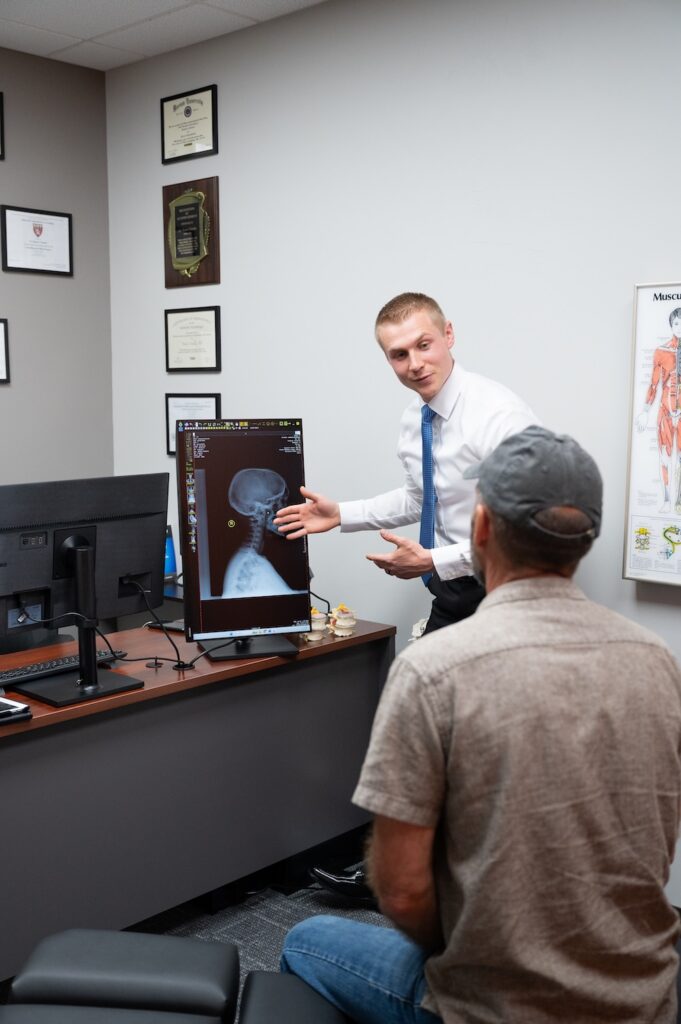
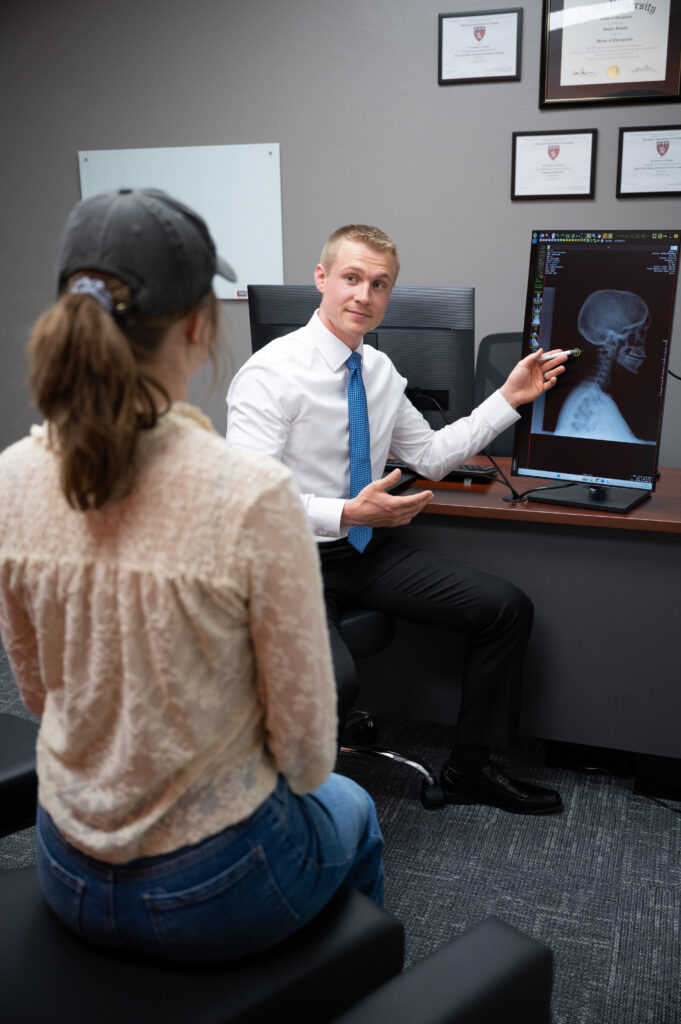
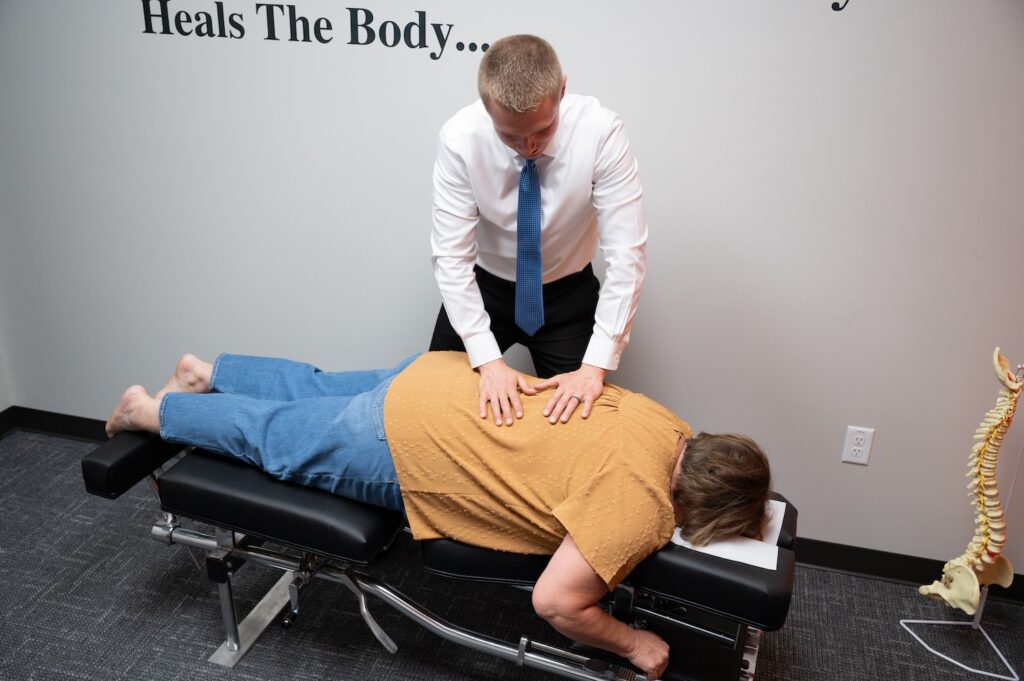
As a local chiropractor, I want to share how combining different therapies can be a powerful way to alleviate back pain. Many of my patients find significant relief when they explore various treatment options, such as chiropractic adjustments, acupuncture, and other natural healing methods. Each therapy has its own unique benefits, and when used together, they can create a comprehensive approach to managing discomfort.
You may be surprised to learn just how effective these combined therapies can be in your recovery process. By integrating these treatments, we can address the root causes of your pain and enhance your overall well-being. Your journey to a pain-free back may be closer than you think, and I’m here to guide you every step of the way. Let’s work together to discover the best combination of therapies for your needs!
Enhanced Pain Relief Through Chiropractic and Massage Therapy
As a local chiropractor, I want to share how chiropractic and massage therapy can significantly enhance your pain relief journey, especially when it comes to back pain. Many people are unaware of how chiropractic adjustments can effectively target misalignments in your spine. By correcting these misalignments, we can improve your mobility and reduce pain, allowing you to reclaim your quality of life.
During your visit, I’ll assess the root cause of your discomfort and develop a personalized treatment plan tailored specifically for you. This is crucial because understanding the underlying issues is key to effective healing.
In addition to chiropractic care, I highly recommend incorporating massage therapy into your routine. Massage therapy works hand-in-hand with chiropractic adjustments by alleviating muscle tension and promoting deep relaxation.
It also enhances blood circulation, ensuring that oxygen and nutrients reach your muscles efficiently, which can accelerate the healing process.
When you combine regular chiropractic adjustments with massage therapy, you’ll likely experience immediate relief and a significant reduction in the chances of future back issues.
The Benefits of Acupuncture for Back Pain Management
As a local chiropractor, I often see patients who are searching for effective ways to manage their back pain. While chiropractic care and massage therapy are excellent options, I want to introduce you to another powerful method: acupuncture. This ancient practice involves the careful insertion of thin needles into specific points on your body, which can promote natural healing and provide significant pain relief.
Numerous studies indicate that acupuncture can reduce inflammation and enhance blood flow, both of which are crucial in alleviating discomfort in the back. Many of my patients have found that not only does acupuncture help diminish their pain, but it also contributes to an improved sense of overall well-being.
After a session, it’s common for individuals to feel more relaxed and less stressed, which is a wonderful bonus on top of pain management.
If the thought of needles makes you uneasy, rest assured that acupuncture is generally safe and well-tolerated. When you work with a licensed acupuncturist, they’ll customize the treatment to suit your specific needs, ensuring that you receive maximum benefit from the session.
As someone who focuses on holistic approaches to health, I encourage you to consider acupuncture as part of your back pain management strategy. It may just provide the relief you’ve been looking for.
Integrating Physical Therapy and Yoga for Improved Flexibility
Integrating physical therapy and yoga can significantly enhance your flexibility, helping to alleviate back pain and improve overall mobility. As a chiropractor, I often see how these two approaches work hand in hand to support your body’s natural healing processes.
Physical therapy focuses on targeted exercises that strengthen your core and back muscles, while yoga emphasizes the importance of stretching and relaxation. By combining these methods, you can create a balanced routine that addresses both strength and flexibility—two crucial components for maintaining a healthy spine.
During your visits, I can guide you through movements that promote proper alignment and posture, which are essential for spinal health. Incorporating yoga poses, such as Downward Dog or Cat-Cow, complements our chiropractic adjustments by encouraging deeper stretches and enhancing your body awareness.
One of the key benefits of this integration is learning to listen to your body, which helps prevent injuries and supports your overall wellness. The breathwork involved in yoga contributes to relaxation, reducing muscle tension and stress that can lead to discomfort.
With consistent practice, you’ll likely experience improved flexibility and a noticeable reduction in back pain, making your daily activities more enjoyable and manageable.
Embracing this holistic approach through the integration of physical therapy, yoga, and chiropractic care can lead to lasting benefits for your well-being. Let’s work together to help you achieve a healthier, more flexible body!
Nutritional Support and Its Role in Back Pain Recovery
As a local chiropractor, I want to emphasize that while physical therapy and yoga are excellent for improving flexibility and relieving back pain, nutritional support is an essential element in your recovery journey. Your diet plays a significant role in your body’s healing process.
For instance, incorporating anti-inflammatory foods such as leafy greens, fatty fish, and nuts can help reduce pain and inflammation in your back. Hydration is also crucial; drinking enough water ensures that your muscles and joints operate effectively, which is vital for overall back health.
Additionally, it’s important to include foods that are rich in magnesium and calcium—think dairy products and legumes—as they help support strong bones and muscles, which are key for maintaining a healthy spine.
I also encourage you to limit processed foods and sugars in your diet. Reducing these can help decrease inflammation, making it easier to manage pain. And remember, maintaining a healthy weight is vital; extra pounds can place unnecessary strain on your back.
By prioritizing a balanced diet, you’re not only aiding your recovery but also setting the stage for long-term back health. Incorporating these nutritional strategies alongside chiropractic care can create a holistic approach to your healing and wellness.
Together, we can work towards a pain-free and healthier future for your back.
Holistic Approaches: Mindfulness and Stress Reduction Techniques
As a local chiropractor, I want to share some valuable insights on how you can alleviate back pain through holistic approaches like mindfulness and stress reduction techniques.
Many of my patients find that practicing mindfulness can significantly enhance their recovery journey. By focusing on the present moment, you can become more aware of your body and its sensations without judgment. This increased awareness allows you to identify areas of tension in your muscles, empowering you to release that tension intentionally.
In addition to mindfulness, incorporating stress reduction techniques—such as deep breathing exercises or meditation—can greatly impact your pain perception. When you lower your stress levels, your body naturally responds by relaxing, which can lead to a reduction in discomfort.
I often recommend integrating practices like yoga or tai chi into your routine. Not only do these activities promote physical flexibility, but they also foster mental calmness, creating a comprehensive approach to healing.
If you’re new to chiropractic care, I encourage you to explore these holistic methods as part of your pain management strategy. Together, we can work towards a healthier, more balanced lifestyle that supports your recovery.
Conclusion
As a local chiropractor, I want to share how incorporating a combination of therapies can significantly enhance your journey toward back pain relief. By including chiropractic adjustments alongside massage therapy, acupuncture, physical therapy, and nutritional support, you’re not merely alleviating symptoms; you’re tackling the underlying causes of your discomfort. It’s essential to adopt a holistic approach, which also involves mindfulness and stress reduction techniques, as they can further support your recovery. I encourage you to take that first step toward a pain-free life by exploring these natural therapies and discovering which ones resonate with you. Together, we can create a tailored plan to help you feel your best.