
You might not realize it, but the key to accessing greater mobility often lies in routine care. By integrating regular check-ups and targeted exercises into your life, you can not only identify potential health issues early but also enhance your daily activities. Imagine moving with more ease and confidence. The benefits don't just stop at physical improvement; they can extend to your mental wellness as well. Curious about how to create a sustainable routine that supports both your mobility and overall health? Let's explore the essential components together.
The Importance of Routine Care
In today's fast-paced world, routine care is often overlooked, but it's essential for maintaining your mobility and overall well-being. You might think that as long as you're managing daily tasks, everything's fine—but neglecting routine care can lead to bigger issues down the line. Regular check-ups and maintenance can help you catch potential problems before they escalate, allowing you to stay active and engaged in your life.
When you prioritize routine care, you're investing in your future mobility. Simple practices like stretching, strengthening exercises, and regular physical activity keep your muscles and joints functioning efficiently. They can prevent stiffness and pain that might otherwise limit your movements.
Plus, routine care often involves monitoring and adjusting your lifestyle choices, which can have a direct impact on your mobility.
Incorporating routine care into your life isn't just about physical health; it's about mental well-being too. When you feel good in your body, you're more likely to pursue activities you enjoy. This can lead to a more fulfilling life, allowing you to create memories with family and friends while staying active.
Key Components of Mobility
What makes mobility truly effective? It's not just about moving from one place to another; it's about doing so with ease, confidence, and balance. Understanding the key components of mobility can help you enhance your physical capabilities and maintain an active lifestyle.
First, flexibility plays a significant role in mobility. When your muscles and joints are flexible, you can reach, bend, and twist more freely. Incorporating stretches into your routine can improve your range of motion and prevent stiffness.
Next, strength is essential. Strong muscles support your joints and help you perform daily activities without strain. Resistance training, whether with weights or bodyweight exercises, can build the strength you need for better mobility.
Balance is another important component. Good balance prevents falls and injuries, allowing you to move confidently. Practicing balance exercises, like standing on one leg or using stability tools, can improve your coordination and stability.
Lastly, endurance shouldn't be overlooked. The ability to sustain physical activity over time is significant for maintaining mobility. Cardio exercises, such as walking, swimming, or cycling, can boost your stamina, making it easier for you to stay active throughout the day.
Benefits of Regular Physical Therapy
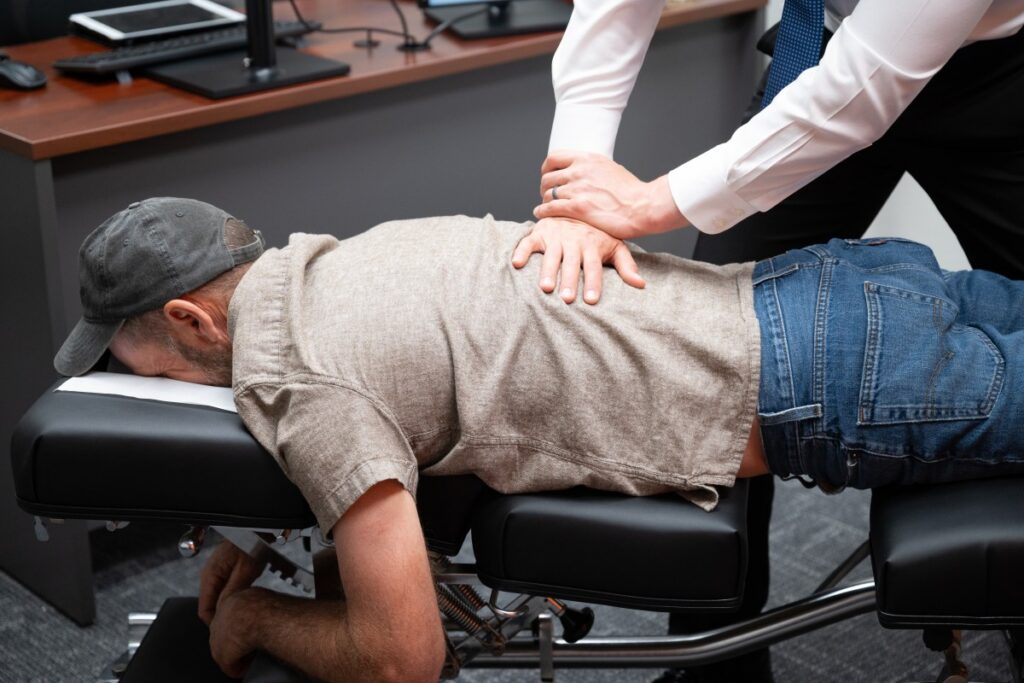
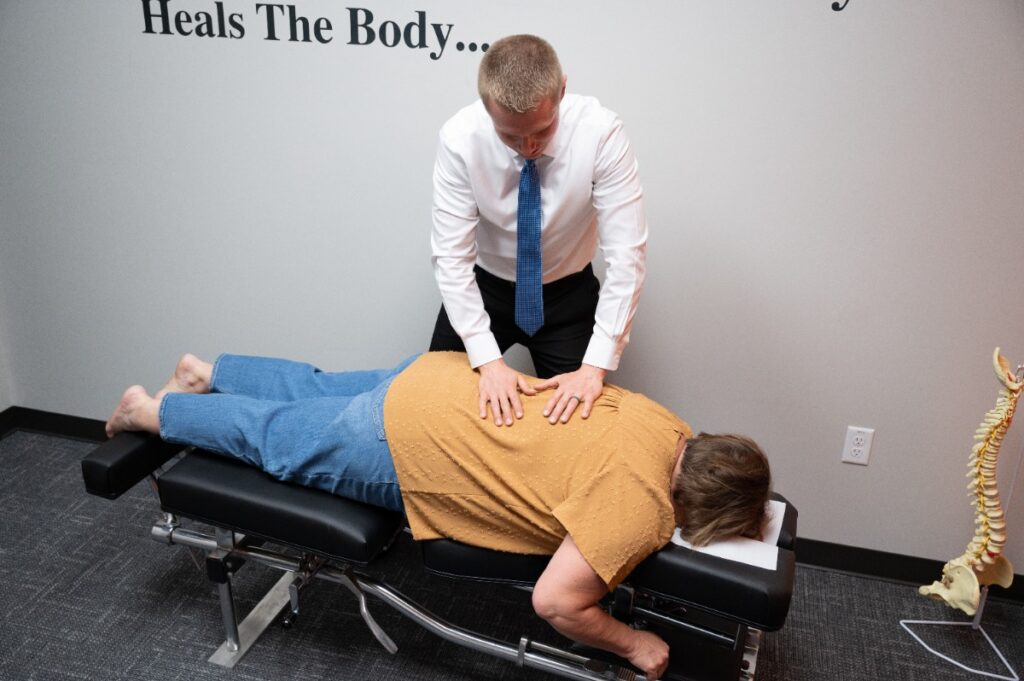
Regular physical therapy offers numerous benefits that can greatly enhance your mobility and overall well-being. One of the most immediate advantages is pain relief. Whether you're recovering from an injury or dealing with chronic pain, a skilled physical therapist can help alleviate discomfort through targeted treatments and techniques.
Additionally, regular sessions can improve your strength and flexibility. By focusing on specific muscle groups, you'll build a solid foundation that supports better movement patterns in your daily life. This isn't just about lifting weights; it's also about making everyday tasks easier, whether that's climbing stairs or getting out of a chair.
Another key benefit is injury prevention. Physical therapists can identify weaknesses or imbalances in your body, helping you to address these issues before they lead to more significant problems. By incorporating preventative measures, you can maintain your active lifestyle without the constant worry of setbacks.
Moreover, regular physical therapy sessions can boost your overall mental health. The commitment to improving your physical condition often translates into a sense of accomplishment and increased motivation. You may find that as your body feels better, your mood and outlook on life improve as well.
Finally, working with a physical therapist can provide you with personalized guidance and support tailored to your specific needs. This individualized approach guarantees that you're not just going through the motions; you're actively engaging in your recovery and wellbeing.
Embrace the benefits of regular physical therapy and open up your potential for greater mobility today!
Targeted Exercises for Improved Movement
To enhance your movement, incorporating targeted exercises is essential.
Strengthening key muscle groups, improving flexibility, and practicing balance drills can make a significant difference in your mobility.
Let's explore how these focused activities can help you move more freely and confidently.
Strengthening Key Muscle Groups
Strengthening key muscle groups is essential for enhancing your mobility and overall movement. When your muscles are strong, they support your joints, improve balance, and prevent injuries. Focus on major muscle groups like your legs, core, and back.
Incorporate exercises such as squats, lunges, and deadlifts to target your legs. These movements build strength in your quadriceps, hamstrings, and glutes, helping you navigate stairs and uneven surfaces with ease.
For your core, try planks or bridges; a strong core stabilizes your body during everyday activities.
Don't forget your back! Rows and pull-ups can help develop upper back strength, improving posture and reducing strain on your spine. Aim for two to three strength training sessions a week, ensuring you allow time for recovery.
As you progress, gradually increase weights or resistance to continue challenging your muscles. Consistency is key; even short, focused workouts can lead to significant improvements over time.
Flexibility and Range Exercises
Improving your flexibility and range of motion is essential for enhancing overall mobility and preventing injuries. Incorporating targeted exercises into your routine can greatly help you achieve these goals.
Start with dynamic stretches, like leg swings and arm circles, to warm up your muscles and increase blood flow. These movements prepare your body for more intensive flexibility work.
Next, focus on static stretches, holding each position for 15-30 seconds. Incorporate stretches for major muscle groups like the hamstrings, quadriceps, and shoulders. For example, try seated forward bends to lengthen your hamstrings or standing quadriceps stretches to improve flexibility in your hips.
Don't forget to include yoga or Pilates as part of your routine. These practices emphasize stretching and flexibility while also promoting core strength and stability. You'll find that regular practice not only increases your range of motion but also enhances your posture and alignment.
Lastly, listen to your body. If you feel pain or discomfort, ease off and adjust your movements. Consistency is key, so aim to dedicate time each week to these exercises, and you'll soon notice improvements in your mobility and overall well-being.
Balance and Coordination Drills
Many people overlook the importance of balance and coordination when it comes to enhancing mobility. These skills are essential for preventing falls and maintaining independence as you age.
Incorporating specific drills into your routine can greatly improve your movement quality and stability.
Here are three effective balance and coordination drills you can try:
- Single-Leg Stands: Stand on one leg for 30 seconds, gradually increasing the time as you improve. Switch legs and repeat. This drill helps strengthen the stabilizing muscles in your legs.
- Heel-to-Toe Walk: Walk in a straight line, placing the heel of one foot directly in front of the toes of the other. Focus on maintaining a straight path and proper posture. This exercise enhances coordination and balance.
- Tai Chi: Participate in a Tai Chi class or follow an online video. The slow, deliberate movements improve balance, coordination, and flexibility.
Preventive Health Check-Ups
Preventive health check-ups are essential for maintaining your mobility and overall well-being.
Regular visits can help catch potential issues early, allowing for timely interventions.
Importance of Regular Check-Ups
Regular check-ups play an important role in maintaining your overall health and mobility as you age. These visits aren't just about addressing existing issues; they're a proactive approach to keeping your body in peak condition.
By scheduling regular check-ups, you can make sure that you're on the right track to a healthier life.
Here are three key reasons why regular check-ups are vital:
- Monitoring Health Changes: Your body changes over time, and regular visits help track these changes. This allows you to adjust your lifestyle or treatment plans accordingly.
- Preventing Complications: Regular check-ups can help you identify risk factors before they escalate into more serious health issues. This proactive approach can save you from more invasive treatments later on.
- Enhancing Quality of Life: Staying on top of your health can lead to improved mobility and overall well-being. With a focus on prevention, you can enjoy a more active lifestyle without the limitations that health problems can impose.
Prioritize your health by committing to regular check-ups; they're a small investment for long-term benefits.
Early Detection Benefits
Detecting health issues early can greatly improve your treatment options and outcomes. When you prioritize preventive health check-ups, you give yourself the best chance to spot potential concerns before they escalate. Regular screenings can identify problems like high blood pressure, elevated cholesterol, or even early signs of chronic conditions.
By catching these issues early, you can often manage them more effectively, leading to better health in the long run. With early detection, you're not just reacting to health issues; you're proactively managing your well-being. This approach allows you to make informed choices about your lifestyle and treatment options, ultimately enhancing your quality of life.
For instance, if a condition is detected at an early stage, you might avoid more invasive treatments later. Additionally, early detection can lead to less stress and anxiety. Knowing you're taking charge of your health can provide peace of mind, allowing you to focus on your daily activities and enjoy life more fully.
Customized Preventive Strategies
Tailoring your preventive health check-ups to your unique needs can greatly enhance your overall wellness. By customizing these strategies, you can focus on the areas that matter most to you and guarantee you're taking the right steps for your health.
Consider these three key components when designing your preventive health check-ups:
- Age-Appropriate Screenings: Different life stages come with specific health risks. Make certain to include screenings like cholesterol checks or mammograms based on your age and gender.
- Personal Medical History: If you have a family history of conditions like diabetes or heart disease, prioritize tests that monitor these risks. Your doctor can help you determine which tests are most relevant.
- Lifestyle Factors: Your daily habits play a significant role in your health. Discuss your diet, exercise routine, and any stressors with your healthcare provider to tailor check-ups that address these factors.
Creating a Sustainable Care Routine
Creating a sustainable care routine is vital for maintaining mobility and overall well-being. To get started, identify the key activities that promote your physical health, such as stretching, strength training, and cardiovascular exercises. Incorporate these activities into your daily or weekly schedule, making them as non-negotiable as your meals.
Next, listen to your body. If something doesn't feel right, adjust your activities accordingly. It's essential to find a balance between pushing your limits and respecting your body's signals. You might consider setting realistic goals, like aiming for 30 minutes of activity five times a week. This way, you can track your progress and stay motivated.
Don't forget about recovery. Rest days are just as important as your workout days. They allow your muscles to heal and strengthen, preventing injuries that can set you back. Incorporate activities like yoga or gentle stretching on these days to maintain flexibility and relaxation.
Stay accountable by sharing your routine with a friend or joining a community group. Having support can keep you motivated and engaged. You can also use apps or journals to log your activities, which can help you see your improvements over time.
Lastly, remember that consistency is key. A sustainable routine isn't about perfection; it's about making small, manageable changes that fit into your lifestyle. By prioritizing these practices, you'll access greater mobility and enhance your overall quality of life.
Conclusion
Incorporating routine care into your life is essential for releasing greater mobility and enhancing your overall well-being. By prioritizing regular check-ups, engaging in targeted exercises, and embracing a proactive approach, you can prevent injuries and make informed lifestyle choices. This commitment not only improves your physical movement but also boosts your mental wellness. Take charge of your health today, and enjoy the benefits of a more active, engaged life. Your journey to better mobility starts now!