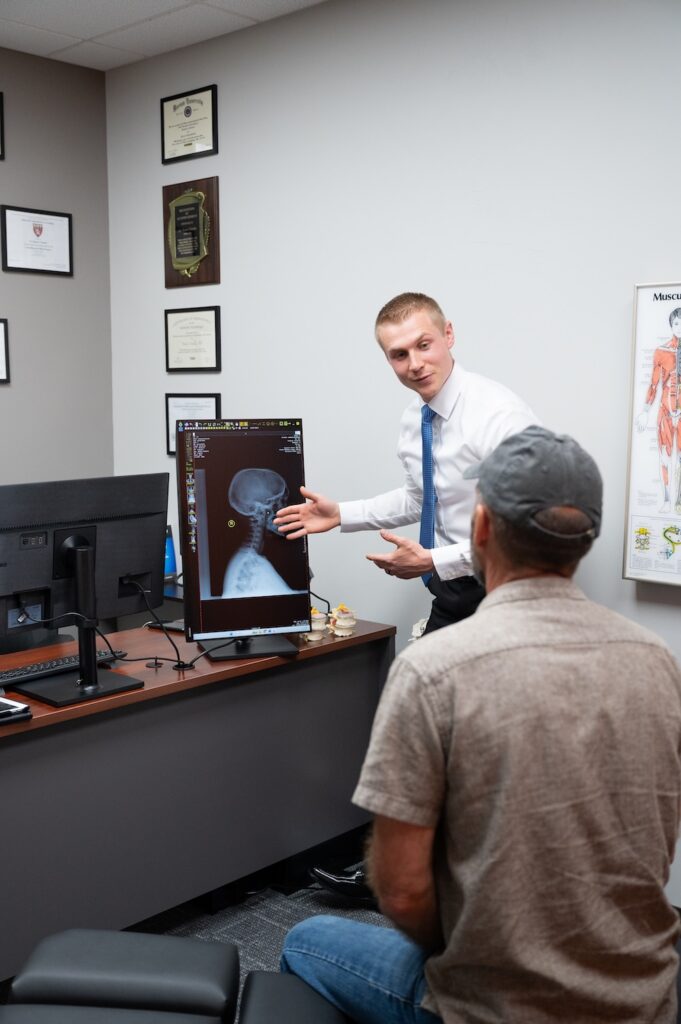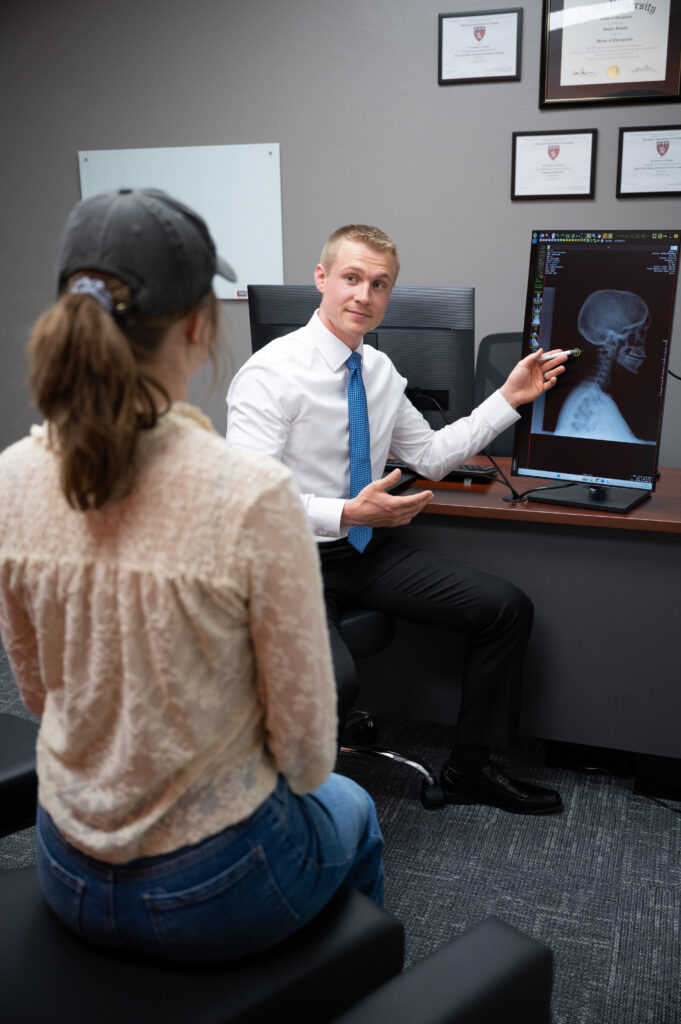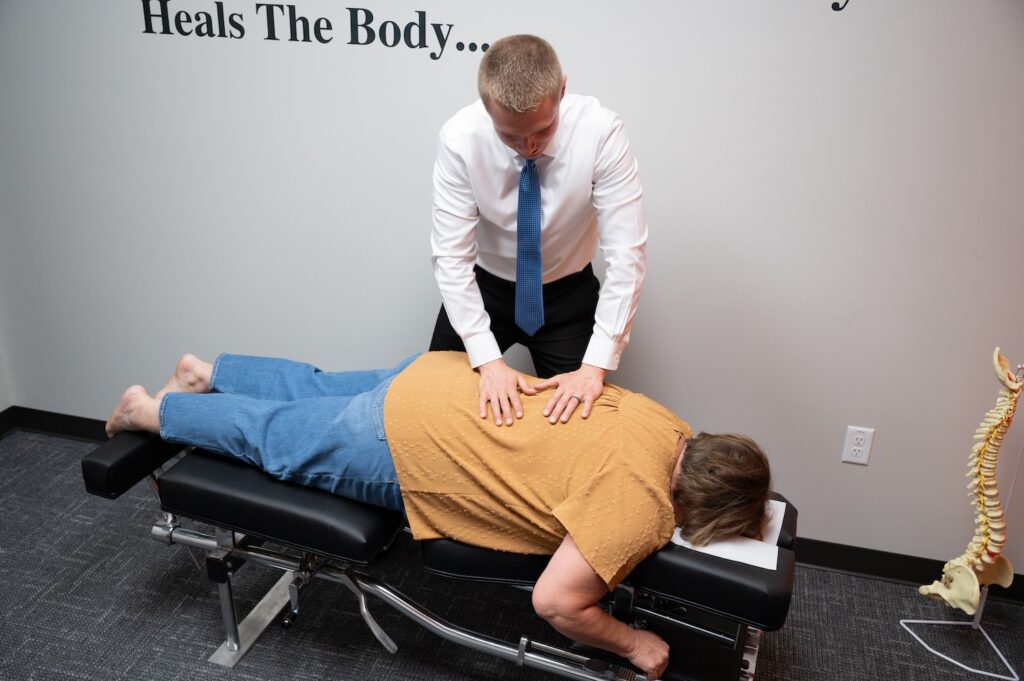

Good posture is vital for your overall health and well-being. It not only helps prevent pain but also enhances your daily function. As a local chiropractor, I believe that maintaining proper posture is one of the most effective ways to support your spinal health and overall wellness. By incorporating simple exercises and mindful practices into your routine, you can make significant improvements that lead to a pain-free life.
Chiropractic care focuses on aligning your spine and optimizing your body’s function, making it the best choice for achieving and maintaining good posture. Regular adjustments can help correct misalignments that contribute to poor posture, ultimately alleviating discomfort and enhancing your mobility.
Curious about how these techniques can transform your posture and relieve pain? Here are some helpful strategies to consider:
- Stay Active: Regular physical activity strengthens the muscles that support your spine. Simple exercises like walking, swimming, or yoga can promote better posture.
- Mind Your Sitting Position: When sitting, keep your feet flat on the floor and your back against the chair. Use a small cushion for lumbar support to maintain the natural curve of your lower back.
- Ergonomics Matter: If you work at a desk, ensure your workstation is ergonomically designed. Your computer screen should be at eye level, and your chair should support your lower back.
- Practice Good Posture: Be mindful of your posture throughout the day. Stand tall with your shoulders back and your chin up. Consider setting reminders to check your posture regularly.
- Stretch Regularly: Incorporate stretching into your daily routine to relieve tension and improve flexibility. Focus on stretches that target your neck, shoulders, and back.
- Chiropractic Care: Regular visits to your chiropractor can provide ongoing support in maintaining proper alignment and posture. Your chiropractor can offer personalized advice and adjustments tailored to your needs.
By adopting these strategies and prioritizing chiropractic care, you can achieve lasting improvements in your posture and overall well-being. Stand tall, feel better, and embrace a healthier lifestyle!
Key Takeaways
As a local chiropractor, I want to share some valuable insights on how you can improve your posture and alleviate pain naturally. Here are some effective techniques that can enhance your well-being and support your spine health:
- Create an Ergonomic Workspace: Make sure your chair and monitor are set up correctly. This means adjusting your chair for proper lumbar support and positioning your monitor at eye level. This simple change can help prevent discomfort and promote a healthier posture.
- Strengthen Your Core: Incorporating core-strengthening exercises, such as planks and seated leg lifts, can greatly enhance your stability and posture. A strong core supports your spine and helps maintain proper alignment, reducing the risk of pain.
- Gentle Stretching: Regularly stretching your neck and back can relieve tension and improve your alignment. Simple stretches can help relax tight muscles, which is crucial for maintaining good posture and overall spinal health.
- Mindful Breathing: Practicing mindful breathing techniques can increase your body awareness and help you maintain good posture throughout the day. Taking a few moments to focus on your breath can also reduce stress, which often contributes to tension in the body.
- Take Breaks: Don’t forget to take regular breaks during your work. Stand up, stretch, and reset your posture. This not only helps relieve pain but also boosts your engagement and productivity throughout the day.
Remember, chiropractic care is an excellent way to support your journey towards optimal health. Regular adjustments can help align your spine, alleviate pain, and enhance your overall well-being. Prioritize your health and consider incorporating these tips into your daily routine for better posture and a pain-free life.
Understanding the Importance of Good Posture
Good posture is the cornerstone of your overall health and well-being, and as a chiropractor, I want to emphasize just how vital it’s for your spine and body. When you sit or stand tall, you’re aligning your body in a way that supports your spine and reduces strain on your muscles. This alignment is crucial in preventing discomfort and pain that can develop from slouching or poor positioning over time.
You might be surprised to learn that maintaining good posture can also elevate your confidence and enhance your mood. Standing or sitting upright sends a message to others that you’re engaged and ready to tackle whatever challenges come your way. Moreover, good posture improves your breathing and circulation, allowing your body to function at its best.
As you go about your day—whether you’re at your desk, in a meeting, or simply walking—being mindful of your posture can have a profound impact on your health. Here are some simple tips to help you maintain good posture:
- Set Up Your Workspace: Ensure your computer screen is at eye level and your chair supports your lower back.
- Take Breaks: Stand up and stretch every hour to relieve tension and reset your posture.
- Mind Your Feet: When standing, keep your weight evenly distributed on both feet, and avoid locking your knees.
- Use Support: When sitting, use a cushion or a rolled-up towel to support the curve of your lower back.
- Stay Active: Regular exercise, especially core-strengthening activities, can help maintain a strong posture.
Remember, chiropractic care is an excellent way to achieve and maintain optimal posture. Regular adjustments can help keep your spine aligned, alleviate pain, and promote overall wellness.
Simple Exercises to Strengthen Core Muscles
To enhance your posture and overall health, strengthening your core muscles is crucial. As a chiropractor, I often recommend simple yet effective exercises that can be easily incorporated into your daily routine. Plank variations and seated leg lifts are excellent choices that can help you build stability and support better alignment in your body.
These exercises not only contribute to a stronger core but also play a vital role in preventing pain and discomfort, particularly in the back and neck areas. A strong core provides the foundation for proper posture, which is essential for reducing strain on your spine.
Here are a few tips to get you started:
- Start with Planks: Begin with a standard plank, holding the position for 20-30 seconds. As you get stronger, try variations like side planks or planks with leg lifts to engage different muscle groups.
- Incorporate Seated Leg Lifts: While seated, lift one leg at a time, holding for a few seconds. This exercise helps strengthen the lower abdominal muscles, which support your spine.
- Focus on Breathing: During these exercises, remember to breathe deeply. This not only helps with muscle engagement but also promotes relaxation, reducing tension throughout your body.
- Consistency is Key: Aim to practice these exercises a few times a week. Consistency will yield the best results in building strength and improving your posture.
- Listen to Your Body: If you experience any pain while exercising, it’s important to stop and assess your form. If discomfort persists, consider consulting with a chiropractor who can provide personalized guidance and adjustments to help you on your journey to optimal health.
By incorporating these core-strengthening exercises into your routine, you’re taking proactive steps toward enhancing your posture and overall well-being.
Plank Variations for Strength
While many people think of the plank as just a basic core exercise, incorporating variations can significantly improve your strength and stability, which is essential for spinal health.
Begin with the standard plank, ensuring your body forms a straight line from head to heels. This foundational position helps engage your core and supports your spine, reducing the risk of back pain.
For a greater challenge, try side planks. Balancing on one arm while engaging your obliques not only strengthens your core but also enhances the stability of your spine. If you’re looking to increase the difficulty further, consider lifting your top leg or arm, which can help activate additional muscle groups and improve your overall balance.
Another effective variation is the plank jacks. By jumping your feet apart and together while maintaining your plank position, you elevate your heart rate and strengthen your core, all while supporting your spinal alignment.
Additionally, the forearm plank with shoulder taps is a fantastic way to improve your coordination and stability. As you alternate touching your shoulders, you engage your core further, which is crucial for maintaining a healthy spine and preventing discomfort.
Remember, these plank variations not only boost your core strength but also promote better posture, which is vital for reducing pain and enhancing your overall well-being.
Always listen to your body and make sure to maintain proper form to avoid any strain. Incorporating these exercises into your routine can complement the benefits of chiropractic care, helping you achieve optimal health and natural wellness.
Seated Leg Lifts
Seated leg lifts are an excellent exercise to strengthen your core muscles, which is essential for maintaining a healthy spine and overall well-being. This exercise can be performed almost anywhere, making it a convenient option for those looking to improve their body mechanics without the need for specialized equipment.
To perform seated leg lifts, sit on the edge of a sturdy chair with your back straight and feet flat on the floor. This position not only supports your spine but also helps you engage your core effectively.
Begin by engaging your abdominal muscles, which are critical for spinal stability. Slowly lift one leg straight out in front of you, holding it for a moment to feel the activation of your core. Then, lower it back down and alternate legs, aiming for a set of 10-15 repetitions on each side.
This simple movement not only targets your abs but also contributes to better posture by activating the muscles that support your spine. As a chiropractor, I can’t stress enough how important a strong core is for spinal health. A well-supported spine can reduce discomfort and improve your overall quality of life.
Incorporating seated leg lifts into your daily routine is a great way to enhance core strength, which in turn can help alleviate back pain and prevent future issues.
Stretching Techniques for Releasing Tension
As you go through your day, it’s common for tension to accumulate in your muscles, leading to discomfort and poor posture. To help combat this, I encourage you to incorporate simple stretching techniques into your daily routine. These stretches not only relieve tension but also work hand-in-hand with chiropractic care to enhance your overall well-being.
Let’s start with some neck stretches. Gently tilt your head to one side and hold for 15-30 seconds before switching to the other side. This can help alleviate stiffness that may contribute to headaches or neck pain.
Next, try shoulder rolls. Lift your shoulders towards your ears and then roll them back and down. Repeat this several times to release tightness that can affect your upper back and posture.
For your back, a seated forward bend can be very beneficial. While sitting, reach toward your toes, allowing your spine to lengthen and relax. This stretch can enhance flexibility and support spinal health, making it a great addition to your routine.
Finally, don’t overlook your hips! A standing quad stretch is effective; simply pull one foot toward your glutes while standing tall. Hold each stretch for at least 30 seconds, and remember to breathe deeply.
Incorporating these stretches into your day can complement your chiropractic care, helping you maintain better posture and reduce discomfort. Regular stretching not only enhances flexibility but also promotes a natural healing process within your body.
Ergonomic Workstation Setup for Better Alignment
Creating an ergonomic workstation is essential for maintaining good posture and minimizing discomfort during long hours of sitting. As a chiropractor, I want to emphasize that proper alignment can significantly impact your spinal health and overall well-being. Here are some straightforward steps to set up your workspace for better spinal support:
- Chair Adjustment: Begin by adjusting your chair to support your lower back. This can help alleviate strain on your spine. Make sure your feet are flat on the floor, and your knees are at a 90-degree angle, with your thighs parallel to the ground. A chair that promotes lumbar support can greatly reduce lower back pain.
- Desk Positioning: Your desk height should allow your elbows to bend at a 90-degree angle. This ensures that your arms can rest comfortably, reducing tension in your shoulders and neck. If your desk is too high or too low, it can lead to poor posture and discomfort.
- Monitor Alignment: Position your monitor at eye level, about an arm’s length away. This helps prevent neck strain caused by looking down or craning your neck upward. Keeping your screen at the right height is crucial for maintaining a neutral spine position.
To summarize, here’s a quick overview of essential ergonomic adjustments that can support your spinal health:
| Adjustment | Importance |
|---|---|
| Chair Height | Supports lower back alignment and comfort |
| Desk Height | Ensures arms are at a comfortable level |
| Monitor Position | Prevents neck strain and promotes proper alignment |
Mindfulness Practices to Enhance Body Awareness
Enhancing your body awareness is a vital step towards achieving optimal health, and incorporating mindfulness practices can significantly aid in this journey. As a chiropractor, I believe that understanding your body is key to maintaining spinal health and overall wellness. Here are some simple yet effective techniques to enhance your body awareness naturally, which can also complement your chiropractic care.
Begin by focusing on your breath. Take deep, intentional breaths to help center yourself. As you inhale, visualize nourishing your body with awareness, and as you exhale, consciously let go of any tension. This practice not only calms the mind but also promotes relaxation in your spine and surrounding muscles.
Next, try a body scan. Whether you’re lying down or sitting comfortably, take a moment to check in with each part of your body, starting from your toes and moving up to your head. Pay attention to any areas of tension or discomfort, but do so without judgment. This practice helps you become more attuned to how your body feels, which is essential for identifying issues that may need chiropractic attention.
Mindful movement is another effective technique to consider. Activities like yoga or tai chi encourage you to focus on each movement and how it feels in your body. These practices promote flexibility, strength, and alignment—key components of spinal health. Plus, they can help reduce pain and improve posture over time.
Lastly, journaling about your physical sensations can deepen your connection to your body. Take notes on how different activities feel, any discomfort you might experience, and how your body responds to chiropractic adjustments. This reflective practice can highlight areas that may need extra care and attention, making your visits to the chiropractor more effective.
By integrating these mindfulness practices into your routine, you’ll cultivate a heightened awareness of your body that supports better posture, reduces pain, and enhances your overall well-being.
Utilizing Posture Correctors and Supports
As a chiropractor, I understand the importance of enhancing your body awareness for better spinal health. Utilizing posture correctors and supports can be a valuable addition to your journey towards improved spinal alignment and overall wellness. Devices such as braces or ergonomic chairs can assist you in maintaining proper posture throughout your day, which is essential for reducing strain on your muscles and joints.
When selecting a posture support, it’s crucial to find one that fits comfortably and allows for natural movement. The right support should guide you gently without restricting your ability to move freely. Incorporating these supports into your daily routine can help solidify good posture habits, particularly during long hours spent sitting at a desk.
However, it’s important to remember that while these devices can be helpful, they aren’t a substitute for chiropractic care. Regular chiropractic adjustments can address underlying issues that contribute to poor posture and spinal misalignment. By working with a chiropractor, you can receive personalized care that targets your unique needs, helping you achieve optimal health naturally.
Here are a few additional tips to support your posture and overall wellness:
- Mind Your Desk Setup: Ensure your workspace is ergonomically designed. Your chair should support your lower back, and your computer screen should be at eye level to prevent straining your neck.
- Take Breaks: Stand up and stretch or walk around every hour to encourage blood circulation and relieve tension.
- Strengthen Your Core: Engage in exercises that strengthen your core muscles, as a strong core supports your spine and helps you maintain good posture.
- Practice Mindfulness: Being aware of your body and posture throughout the day can help you make adjustments before discomfort arises.
The Role of Yoga and Pilates in Posture Improvement
Yoga and Pilates can be beneficial for improving your posture and supporting spinal health, but it’s important to remember that chiropractic care is often the most effective way to achieve optimal wellness and pain relief. As a chiropractor, I believe in the power of natural healing and the importance of maintaining a healthy spine for overall well-being.
Practicing yoga and Pilates can help you strengthen your core muscles and improve your flexibility, which are essential for good posture. For instance, yoga poses like Mountain and Cobra can aid in aligning your spine and opening your chest, counteracting the slouching that often comes from long periods of sitting. However, these practices work best when complemented by regular chiropractic adjustments, which can help ensure that your spine is aligned and functioning properly.
Pilates emphasizes controlled movements that target your abdominal and back muscles, which are crucial for maintaining a stable posture. While these exercises can be effective, it’s important to address any underlying spinal issues through chiropractic care to support your body’s natural alignment.
Both yoga and Pilates encourage breath control, which can help reduce tension and make you more aware of your body’s positioning. Incorporating these practices into your routine can lead to improvements, but for lasting results and a pain-free lifestyle, chiropractic care should be a key part of your wellness journey.
If you’re looking to improve your posture and overall health, consider visiting a chiropractor who can provide personalized care tailored to your needs. Together with yoga and Pilates, chiropractic adjustments can help you stand taller, move with confidence, and enjoy a healthier, more active life.
Daily Habits for Maintaining Good Posture
To maintain good posture, it’s essential to develop daily habits that support your spine and overall health. One of the most effective ways to do this is by setting up an ergonomic workspace. Ensuring that your chair, desk, and computer are aligned correctly can significantly reduce strain on your back and neck.
Incorporating stretching and strengthening exercises into your daily routine is also crucial. Gentle stretches can relieve tension in tight muscles, while strengthening exercises can build the support your spine needs. Remember, a well-aligned spine promotes better posture, which can lead to a reduction in discomfort and pain.
Practicing mindful breathing techniques is another vital habit. Deep, controlled breathing not only helps you relax but also encourages better alignment of your body, supporting your spine’s natural curves.
As a chiropractor, I can’t emphasize enough how these habits, combined with regular chiropractic care, can enhance your overall well-being. Chiropractic adjustments can help correct misalignments, reduce pain, and improve your posture.
Ergonomic Workspace Setup
While you may not realize it, the setup of your workspace is crucial for maintaining good posture and overall spinal health throughout the day. An ergonomic workspace not only keeps you comfortable but also significantly reduces the risk of pain, which is essential for your well-being.
As a chiropractor, I believe that creating a supportive environment can be a great first step toward achieving optimal health and wellness.
Here are some simple adjustments you can make to your workspace:
- Chair Support: Choose a chair that provides good support for your lower back, which is vital for maintaining the natural curve of your spine. A chair with lumbar support can help prevent discomfort and promote better posture.
- Desk Arrangement: Organize your desk so that frequently used items are within arm’s reach. This minimizes the need for stretching or twisting, which can strain your back and neck. Keep your workspace tidy to support a stress-free environment.
- Keyboard and Mouse: Select a keyboard and mouse that encourage a neutral wrist position. This helps reduce tension in your wrists and forearms, which can contribute to pain if not addressed.
- Monitor Position: Adjust your monitor to eye level to avoid straining your neck. This simple change can help prevent discomfort and keep your spine aligned throughout the day.
Incorporating these adjustments into your daily routine can greatly enhance your posture and overall comfort.
Stretching and Strengthening Exercises
Creating an ergonomic workspace is just the first step in maintaining good posture and overall spinal health. To truly support your body, it’s essential to incorporate stretching and strengthening exercises into your daily routine.
Begin each day with gentle stretches that focus on your neck, shoulders, and back. Simple movements like neck rolls and shoulder shrugs can help relieve tension and promote better alignment.
In addition to stretching, strengthening exercises play a crucial role in supporting your core and back, enhancing stability, and preventing discomfort. Consider incorporating exercises like planks and wall sits into your routine. Aim for at least 15 minutes of these exercises each day to help fortify your spine and improve your posture.
Don’t forget to take regular breaks throughout your workday. Stand up, stretch, and move around to keep your body engaged. This practice not only supports your posture but also boosts your energy levels and focus.
Remember, consistency is key—making these exercises a daily habit can lead to lasting improvements in your posture and overall health.
As a chiropractor, I emphasize the importance of natural healing through movement and exercise. Regular chiropractic adjustments can complement your stretching and strengthening routine, ensuring that your spine stays aligned and your body functions optimally.
Mindful Breathing Techniques
Incorporating mindful breathing techniques into your daily routine can significantly improve your posture and overall well-being, and it complements the benefits of chiropractic care. When you focus on your breath, you not only calm your mind but also engage your core muscles, which supports better spinal alignment—a primary goal of chiropractic treatment.
Here are some simple practices to help you get started on your journey toward optimal health:
- Deep Belly Breathing: Inhale deeply through your nose, allowing your abdomen to expand, then exhale slowly through your mouth. This technique promotes relaxation and encourages proper spinal alignment, making it a great supplement to your chiropractic adjustments.
- Posture Check Breaths: Set aside a moment every hour to assess your posture. Inhale deeply while sitting or standing tall, feeling your spine lengthen. This simple act reinforces the benefits of your chiropractic care and helps maintain spinal health throughout the day.
- Mindful Shifts: Use your breath to facilitate smooth transitions between activities. Inhale as you prepare to move, and exhale as you settle into your new position. This mindful approach not only supports your physical alignment but also reduces stress on your spine, enhancing the effectiveness of your chiropractic treatments.
By integrating these mindful breathing techniques into your routine, you can enhance the benefits of chiropractic care and promote natural healing, leading to a healthier, pain-free life.
Seeking Professional Help: When to Consult a Specialist
Recognizing when to seek professional help is crucial for your journey toward better posture and overall health. If you find yourself dealing with persistent pain, limited mobility, or discomfort during everyday activities, it’s time to consider consulting a chiropractor.
Here’s a straightforward guide to help you identify when to reach out for chiropractic care:
| Symptoms | Chiropractic Care Benefits | Next Steps |
|---|---|---|
| Chronic pain | Alleviates discomfort naturally | Schedule a chiropractic evaluation |
| Difficulty standing | Improves mobility and stability | Discuss personalized treatment plans |
| Frequent headaches | Addresses underlying spinal issues | Explore holistic chiropractic methods |
| Limited range of motion | Enhances flexibility and posture | Receive tailored exercises and adjustments |
Ignoring these signs can lead to further complications, but chiropractic care offers a natural and effective solution. A chiropractor can provide targeted adjustments, exercises, and wellness strategies designed specifically for your needs, all without the use of medications or invasive procedures.
Conclusion
Improving your posture and alleviating pain is not only achievable but can be effectively supported through chiropractic care. By focusing on spinal health, we can address the root causes of discomfort and help your body heal naturally. Incorporating core-strengthening exercises, along with mindful practices, will enhance your overall well-being.
Creating an ergonomic environment at home or at work is essential; make sure your desk and chair are set up to support your spine. Engaging in activities like yoga and Pilates can also work wonders for your flexibility and alignment, but the best foundation for a healthy spine is regular chiropractic adjustments.
Remember, small changes in your daily habits can lead to significant improvements in your posture. Practice sitting up straight, using proper lifting techniques, and taking frequent breaks to move around. If you’re still experiencing pain or discomfort, consider consulting with a chiropractor who can provide personalized care tailored to your needs. Your body deserves the best, and with chiropractic care, you can achieve optimal health and a pain-free life!