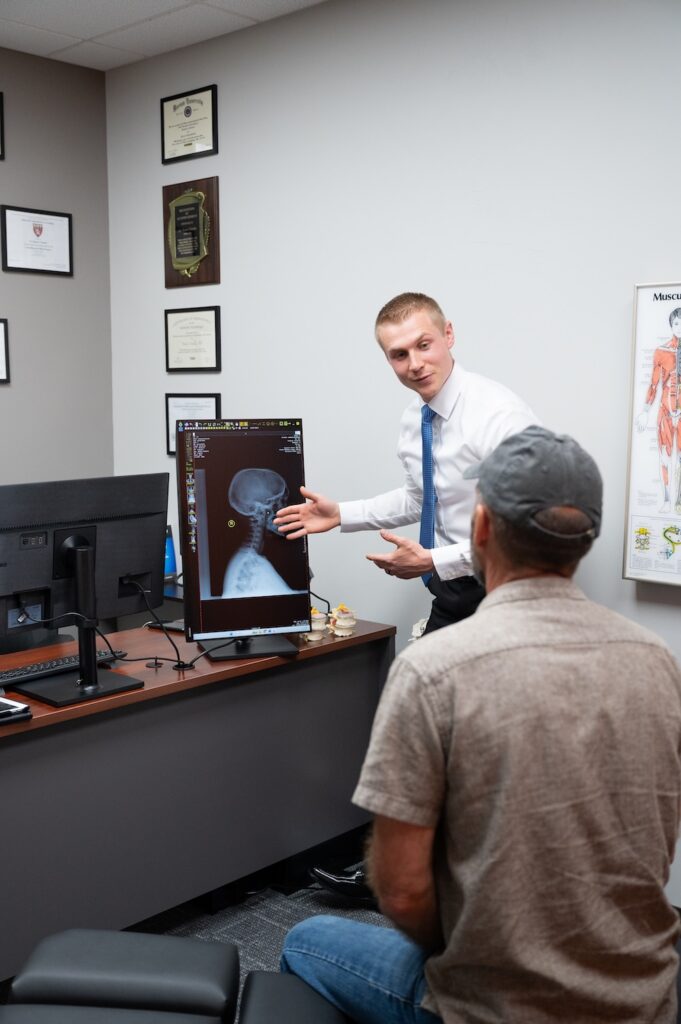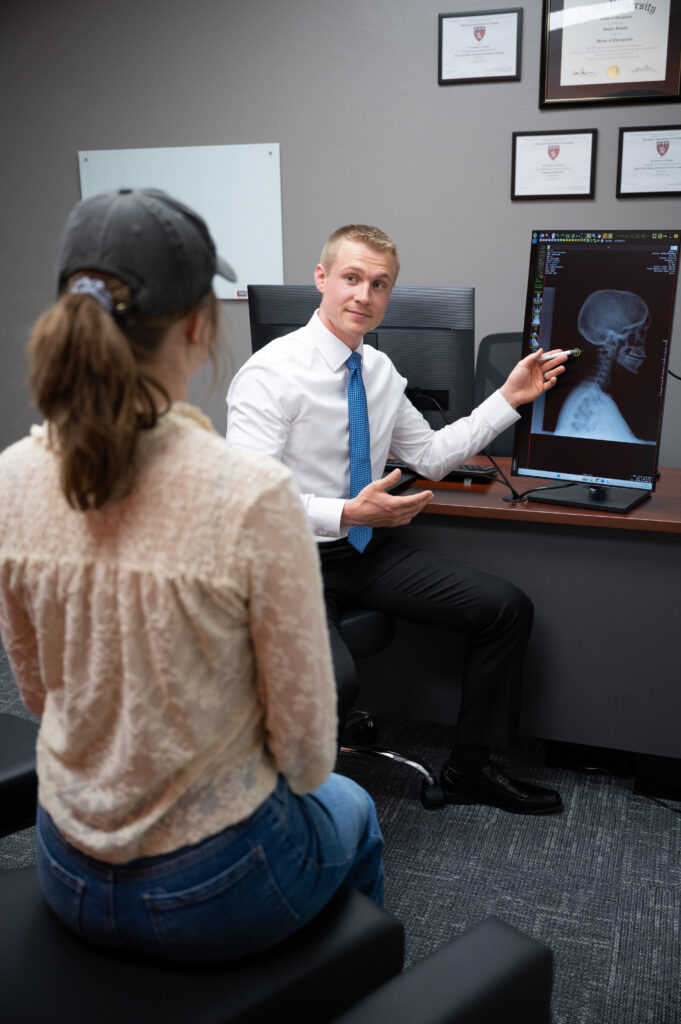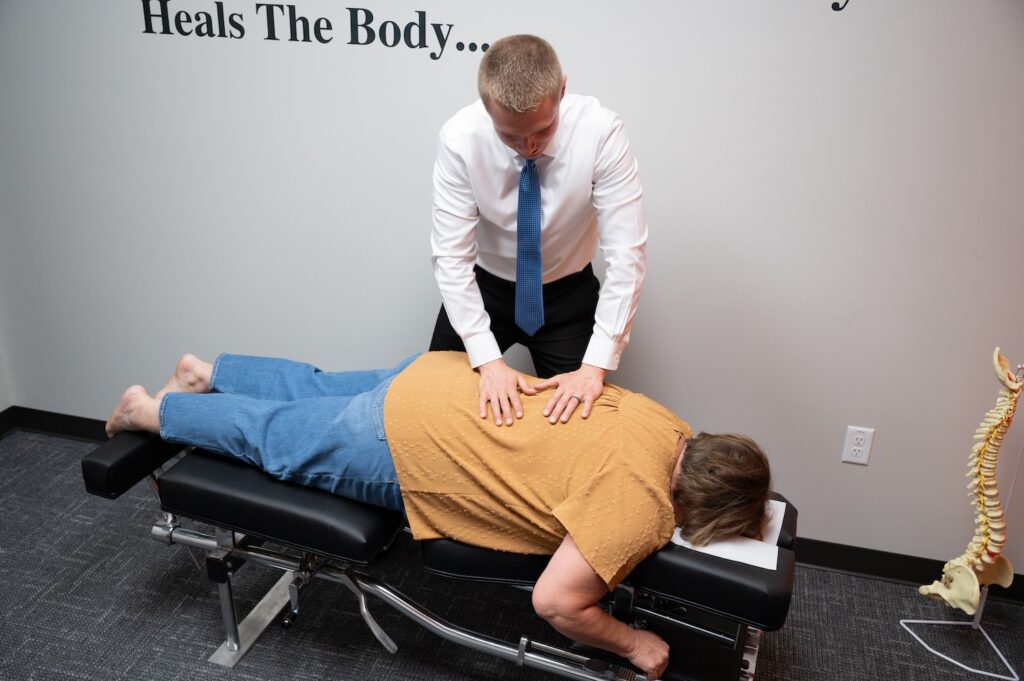

Improving your posture and managing pain goes beyond just sitting up straight—it’s about embracing a holistic approach that supports your spinal health. As a chiropractor, I believe that the best way to achieve optimal health is through natural healing techniques, and chiropractic care plays a vital role in this journey.
There are practical steps you can take to enhance your posture and alleviate discomfort. Begin with simple stretching exercises that promote flexibility and relieve tension in your muscles. Stretching can help open up tight areas and improve your overall alignment. Additionally, consider setting up an ergonomic workspace. Make sure your chair supports your lower back, and your screen is at eye level to avoid straining your neck.
Core strength is another key component of good posture. Engaging in exercises that strengthen your core muscles can provide the support your spine needs. This doesn’t have to be complicated—simple activities like planks or gentle yoga can make a significant difference.
Mindfulness also plays a crucial role in maintaining good posture. Take moments throughout your day to check in with your body. Are you slouching? Are your shoulders tense? Being aware of your posture can help you make adjustments before discomfort sets in.
Chiropractic care is an excellent way to address any existing pain and align your spine for better health. Regular adjustments can help improve your posture and relieve tension, leaving you feeling more comfortable and aligned. By incorporating these methods into your daily routine, you can cultivate a healthier lifestyle that prioritizes your well-being. Let’s work together on your journey to a pain-free, aligned life!
Key Takeaways
- Prioritize spinal alignment by being mindful of your sitting and standing habits. This simple awareness can help reduce strain on your body and is a key component of maintaining overall health. Remember, your spine is the foundation of your body, and taking care of it is essential.
- Incorporate gentle stretching exercises into your daily routine. Simple neck stretches and shoulder rolls can work wonders in relieving tension and keeping your muscles flexible. These stretches can easily be done at home or even at your desk, making them accessible for everyone.
- Invest in ergonomic furniture that supports your posture. Properly adjusted chairs and desks can significantly enhance your comfort and promote better spinal alignment. When your workspace is set up correctly, it can lead to less strain and discomfort throughout your day.
- Make regular physical activity a part of your lifestyle. Engaging in core-strengthening exercises, such as planks, can improve your balance and support your spinal health. Even short walks or light exercises can make a big difference in how your body feels.
- Schedule regular visits to your chiropractor for effective pain relief and to maintain your spine’s health. Chiropractic care is a natural and holistic approach to wellness that focuses on addressing the root causes of discomfort. By choosing chiropractic, you’re opting for a non-invasive way to achieve optimal health and well-being.
Remember, taking small steps towards better posture and spinal health can lead to significant improvements in your overall quality of life.
Understanding Posture and Its Importance
Posture is more than just how you sit or stand; it’s a crucial element of your overall health and wellness. Maintaining good posture supports your spine’s natural curves, helping to prevent strain and discomfort. On the flip side, poor posture can lead to chronic pain, fatigue, and even respiratory issues.
You mightn’t realize it, but your posture also influences your mood and confidence. Standing tall can enhance your self-esteem and make you feel more energized.
As a local chiropractor, I believe understanding your body’s alignment is vital for achieving optimal health. When you become aware of how you hold yourself, you can make conscious adjustments throughout your day—whether you’re working at a desk, walking, or even relaxing. Recognizing the signs of poor posture, such as slouching or leaning forward, is the first step toward improvement.
Here are some simple tips to help you maintain good posture:
- Set Up an Ergonomic Workspace: Ensure your chair and desk are at the right height. Your feet should be flat on the floor, and your computer screen should be at eye level.
- Take Frequent Breaks: If you sit for long periods, stand up and stretch every 30 minutes. This helps relieve pressure on your spine and muscles.
- Strengthen Your Core: A strong core supports your spine. Incorporate exercises like planks and bridges into your routine to build core strength.
- Be Mindful of Your Posture: Throughout the day, check in with your body. Are your shoulders relaxed? Is your back straight? Making small adjustments can lead to big improvements.
- Consider Chiropractic Care: Regular visits to a chiropractor can help ensure your spine is aligned properly, relieving pain and promoting natural healing. Chiropractic care is a holistic approach to health that focuses on restoring balance to your body.
By prioritizing your posture and seeking chiropractic care, you can foster a more comfortable, confident version of yourself.
Simple Stretching Exercises for Better Posture
To improve your posture, incorporating simple stretching exercises into your daily routine can make a huge difference. While these stretches can relieve tension and help align your body properly, it’s essential to remember that chiropractic care is the most effective way to achieve optimal health and wellness.
As a chiropractor, I believe that aligning your spine is key to relieving pain and enhancing your overall well-being.
Let’s explore some effective stretches that you can easily add to your day, but also consider scheduling a visit to your chiropractor to further support your posture and spinal health.
- Neck Stretches: Gently tilt your head to one side, bringing your ear toward your shoulder. Hold for 15–30 seconds and switch sides. This helps relieve tension in your neck and can improve alignment.
- Shoulder Rolls: Roll your shoulders forward and then backward in a circular motion. This simple exercise can help loosen tight muscles and improve shoulder alignment.
- Chest Opener: Stand tall, clasp your hands behind your back, and gently pull your shoulders back. This stretch opens up the chest, which can often become tight from slouching.
- Cat-Cow Stretch: On all fours, alternate between arching your back toward the ceiling (Cat) and dipping it down while lifting your head (Cow). This movement promotes spinal flexibility and can alleviate back tension.
- Hip Flexor Stretch: Kneel on one knee and push your hips forward to stretch the front of your hip. Tight hip flexors can contribute to poor posture, so this stretch is beneficial for your spine.
Incorporating these stretches into your day can help ease discomfort and promote better posture.
However, for comprehensive care, consider chiropractic adjustments to address any underlying spinal misalignments. Regular chiropractic visits can enhance your stretching routine, ensuring that your body is functioning at its best.
Essential Stretching Techniques
Good posture isn’t just about how you stand or sit; it’s a reflection of your body’s flexibility and strength. Incorporating essential stretching techniques into your daily routine can greatly enhance your posture and overall well-being. As a chiropractor, I often see how improved flexibility can alleviate discomfort and enhance spinal health.
Let’s start with some simple neck stretches. Gently tilt your head to each side, holding for about 15 seconds. This can help relieve tension that often builds up from poor posture. For your shoulders, try some arm circles to loosen tight muscles and increase mobility.
Next, consider torso twists to enhance spinal flexibility. Simply sit or stand tall, and rotate your upper body side to side. This movement not only stretches your spine but also encourages healthy spinal alignment.
Don’t overlook your hips! A standing quadriceps stretch, where you pull your ankle towards your glutes, can significantly help with hip flexibility and reduce strain on your lower back.
Finally, incorporate hamstring stretches by reaching for your toes while seated. This simple action is effective for loosening tight muscles that can contribute to poor posture.
Remember, these stretches aren’t just about flexibility; they play a crucial role in promoting better alignment and reducing the risk of pain associated with poor posture. Making these stretches a regular part of your routine can lead to significant improvements in your comfort and wellness.
For optimal health, consider regular chiropractic care to support your stretching efforts. Chiropractic adjustments can enhance your flexibility, relieve tension, and help maintain the benefits of your stretching routine.
Together, stretching and chiropractic care can pave the way for a healthier, pain-free life!
Daily Stretching Routine
Incorporating a daily stretching routine can significantly improve your posture and overall comfort, which is essential for maintaining a healthy spine. As a chiropractor, I encourage you to start each morning with a few simple stretches to alleviate tight muscles and promote spinal health.
Begin with the cat-cow stretch to enhance spinal flexibility. This involves alternating between arching and rounding your back, which helps to mobilize the spine and improve its function.
Next, perform chest openers: clasp your hands behind your back and gently lift your arms. This counteracts slouching and encourages a more upright posture, which is crucial for spinal alignment.
Don’t overlook your neck! Tilt your head side to side to relieve tension and support the cervical spine. Throughout the day, make it a point to take breaks to stand and stretch, especially focusing on your hips and hamstrings. These areas often hold tension that can affect your lower back and overall posture.
In the evening, a gentle forward bend can be beneficial for releasing lower back tension accumulated throughout the day. This practice not only helps with flexibility but also promotes relaxation, which is vital for your overall well-being.
Committing to this daily stretching routine can complement your chiropractic care by enhancing the benefits of your adjustments and improving your posture over time.
Strengthening Core Muscles for Stability
As a chiropractor, I want to emphasize the importance of a strong core for achieving overall stability and optimal health. Strengthening your core muscles is crucial not just for enhancing your posture but also for supporting your spine, which plays a vital role in your overall well-being. Engaging in exercises that focus on your abdominal, back, and pelvic muscles can help create a solid foundation for your body and prevent discomfort.
Incorporate simple yet effective exercises into your routine, such as planks, bridges, and bicycle crunches. These movements not only build core strength but also improve your balance, which is essential for daily activities.
I recommend aiming for at least two to three sessions a week, gradually increasing the intensity as your strength improves. Always prioritize proper form to avoid injury and ensure you’re getting the most out of your efforts.
Additionally, consider adding functional movements like squats or lunges into your regimen. These exercises engage your core while mimicking the movements you perform throughout your day, further enhancing your stability.
Remember, chiropractic care is an excellent way to support your journey towards better health. Regular adjustments can enhance your overall function and help alleviate any discomfort you may experience.
Ergonomic Workstation Setup Tips
To create a comfortable and productive workspace, it’s essential to prioritize an ergonomic setup that supports your posture and overall health. As a chiropractor, I want to emphasize how crucial proper alignment is for your spine and overall well-being.
Start by adjusting your chair; it should support your lower back, helping to maintain the natural curve of your spine. Your feet should rest flat on the floor to promote healthy circulation.
Your desk height is also important; it should be at elbow height so your arms can rest comfortably while typing, reducing strain on your neck and shoulders.
Position your monitor about an arm’s length away, with the top of the screen at or just below eye level. This placement helps prevent neck strain, which can lead to discomfort and misalignment over time.
Using a document holder can also be beneficial; it keeps papers at the same height as your screen, which minimizes awkward head movements and keeps your spine in a neutral position.
If you use a keyboard and mouse, ensure they’re close enough to avoid reaching. This helps keep your wrists straight and reduces tension in your arms and shoulders.
Remember, regular breaks are vital; take time to stand, stretch, and move around. These simple adjustments can greatly enhance your posture and reduce discomfort while working.
Incorporating chiropractic care into your wellness routine can also help maintain spinal health and alleviate pain. Regular chiropractic adjustments not only relieve discomfort but also support your body’s natural healing process.
Mindfulness and Body Awareness Techniques
How often do you take a moment to check in with your body throughout the day? As a chiropractor, I can tell you that practicing mindfulness and body awareness is crucial for enhancing your posture and reducing pain naturally. By tuning into your body’s sensations, you can identify areas of tension and address them before they escalate, helping you maintain optimal health.
Here’s a simple guide to help you develop these mindfulness techniques:
| Technique | Description | Benefits |
|---|---|---|
| Body Scan | Mentally scan your body from head to toe, noticing sensations. | Increases awareness of tension, allowing for better self-care. |
| Deep Breathing | Take deep, slow breaths to relax your muscles. | Reduces stress, promotes relaxation, and can ease discomfort. |
| Mindful Sitting | Sit quietly, focusing on your posture and breathing. | Encourages proper spinal alignment, which is essential for overall health. |
| Progressive Relaxation | Tense and then relax each muscle group. | Helps release built-up tension, making it easier to maintain a healthy posture. |
Incorporating these techniques into your daily routine can significantly improve your body awareness and posture, leading to better overall wellness. Remember, regular chiropractic care complements these practices by ensuring your spine and nervous system are functioning optimally. Make these habits a part of your lifestyle, and you’ll be on your way to a healthier, pain-free life!
Incorporating Movement Throughout Your Day
Mindfulness and body awareness are great starting points for improving your posture, but they’re just one piece of the puzzle. To truly enhance your posture and reduce discomfort, it’s essential to incorporate movement throughout your day. As a chiropractor, I can’t stress enough the importance of staying active in your daily routine.
Start by setting reminders to stand up and stretch every hour. Simple movements like neck rolls, shoulder shrugs, and standing tall can make a significant difference in your spinal health. These small activities help to relieve tension and improve circulation, contributing to a healthier spine.
Consider adding short walks during breaks or taking the stairs instead of the elevator. These little changes not only keep your body engaged but also promote better posture and alignment. Even activities like gardening or playing with your dog can provide natural movement that supports your overall wellness.
When you’re working at a desk, be mindful of your posture. Shift positions and adjust your chair frequently to avoid stiffness and discomfort. If possible, use a standing desk or alternate between sitting and standing to keep your spine aligned and healthy.
Remember, chiropractic care can play a vital role in your journey to optimal health. Regular adjustments can help ensure your spine is aligned, which supports your body’s natural ability to heal itself.
The Role of Footwear in Posture
Your choice of footwear can significantly impact your posture, which is essential for overall spinal health and well-being. While high heels may seem fashionable, they can disrupt your alignment and lead to discomfort in your back and neck.
Instead, opting for supportive shoes that provide the right features can help you maintain proper posture and keep you comfortable throughout the day.
As a local chiropractor, I want to emphasize the importance of choosing the right footwear for your health. Supportive shoes can help with shock absorption, arch support, and stability, which are all crucial for maintaining a healthy spine.
When your feet are well-supported, it promotes better alignment in the rest of your body, reducing the risk of pain and discomfort.
Here are some general tips to keep in mind when selecting footwear for optimal posture:
- Choose Comfort Over Style: Look for shoes that prioritize comfort and support rather than just looks. Your feet will thank you in the long run!
- Check for Arch Support: Look for shoes that provide adequate arch support. This helps to distribute your weight evenly and maintains balance.
- Avoid Flat Shoes: While they may seem comfortable, completely flat shoes can put extra strain on your feet and lower back. Opt for shoes with a slight heel or cushioning.
- Pay Attention to Fit: Ensure your shoes fit properly. Shoes that are too tight or too loose can lead to misalignment and discomfort.
- Consider Your Activities: Choose shoes that are designed for your specific activities, whether it’s walking, running, or standing for long periods. This can make a significant difference in how your body feels.
Remember, chiropractic care is an excellent way to help maintain your spinal health and alleviate any discomfort caused by poor footwear choices.
Regular adjustments can enhance your body’s natural healing processes and promote overall wellness. By combining the right footwear with chiropractic care, you can work towards achieving optimal health and a pain-free lifestyle.
Impact of Heel Height
Although many people may not realize it, heel height significantly impacts your posture and overall body alignment. When you wear high heels, your weight shifts forward, which can lead to an unnatural arch in your back and strain on your muscles. This misalignment can result in discomfort and long-term issues that may require professional intervention.
Conversely, while flat shoes may seem like a safer option, they often lack the necessary support. This can cause your feet to collapse inward, which can affect your knees and hips, leading to further alignment problems. It’s essential to find a balance that promotes your body’s natural alignment and minimizes strain.
As a chiropractor, I encourage you to pay attention to how different heel heights affect your stance. Opting for moderate heels can help maintain better alignment without compromising comfort. Remember, your choice of footwear can greatly influence how you carry yourself and the ease of your daily activities.
In addition to being mindful of your footwear, here are a few tips to support your spinal health:
- Stretch Regularly: Incorporate stretches into your daily routine to keep your muscles flexible and reduce tension.
- Practice Good Posture: Whether sitting or standing, make a conscious effort to keep your spine aligned. Keep your shoulders back and your head level.
- Strengthen Core Muscles: A strong core helps support your spine. Consider exercises like planks or bridges to build strength.
- Stay Active: Regular physical activity encourages overall body wellness and helps maintain proper alignment.
Supportive Shoe Features
Finding the right footwear is essential for maintaining good posture and supporting your spinal health. When it comes to your feet, the right shoes can help align your body and reduce discomfort, allowing for better movement throughout your day. Supportive shoes play a vital role in how you stand and walk, and they can even complement the benefits of chiropractic care.
Look for shoes that include features like arch support, cushioning, and a stable heel. These elements not only promote better posture but also enhance your overall comfort. Here’s a breakdown of some key shoe features that can make a significant difference:
| Feature | Benefits | Examples |
|---|---|---|
| Arch Support | Helps maintain proper foot alignment, which is crucial for spinal health | Running shoes, sandals |
| Cushioning | Absorbs shock and reduces the impact on your joints, helping to alleviate pain | Sneakers, loafers |
| Stable Heel | Promotes balance and stability, supporting your overall posture | Dress shoes, boots |
| Breathable Material | Keeps feet cool and dry, enhancing comfort during physical activity | Athletic shoes |
| Flexibility | Allows for natural foot movement, which is important for proper gait | Casual shoes |
Investing in the right footwear is an important step toward improving your posture and enhancing your comfort. Remember, proper alignment begins at the foundation—your feet! Alongside regular chiropractic care, choosing supportive shoes can help you maintain a healthy spine and improve your overall well-being.
If you’re experiencing discomfort or pain, consider visiting a chiropractor for a personalized approach to your health. They can provide you with tailored advice and treatment options to support your journey to optimal wellness.
Benefits of Regular Chiropractic Care
Regular chiropractic care is a powerful tool for enhancing your overall well-being and achieving optimal health. One of the primary benefits is effective pain relief. Whether you’re struggling with back pain, neck stiffness, or frequent headaches, scheduled chiropractic adjustments can significantly alleviate discomfort and improve your mobility, helping you feel more like yourself again.
Chiropractors specialize in correcting misalignments in your spine, which not only improves your posture but also prevents potential long-term health issues. By addressing these underlying problems, you can enjoy immediate relief while also protecting your health for the future. Remember, a properly aligned spine allows your body to function at its best.
Beyond pain relief, regular chiropractic visits can boost your immune system and enhance your energy levels. As your body becomes more aligned, it operates more efficiently, making it easier for you to tackle your daily activities without feeling fatigued.
Chiropractic care also promotes a sense of well-being. It reduces stress and encourages relaxation, making it an essential part of a balanced lifestyle. By choosing chiropractic care, you’re not just treating symptoms; you’re investing in a healthier, more vibrant future.
Here are a few tips to maximize the benefits of your chiropractic care:
- Stay Consistent: Regular appointments are key to maintaining spinal health and overall well-being.
- Practice Good Posture: Being mindful of your posture while sitting, standing, and moving can complement your chiropractic adjustments and prevent future issues.
- Stay Active: Engage in gentle exercises and stretches to keep your body moving and support your spine.
- Listen to Your Body: Pay attention to any discomfort or changes in your body and share these with your chiropractor during your visits.
Using Technology to Monitor Your Posture
In today’s digital age, innovative technology can be a valuable ally in helping you monitor and improve your posture, which is essential for overall spinal health. Wearable devices, such as smart posture correctors, can gently vibrate when you slouch, serving as a reminder to sit up straight. These gadgets often sync with smartphone apps that provide real-time feedback and track your posture over time, offering insights that can help you maintain better alignment.
Smartphone apps are another great resource. You can use them to analyze your posture by simply taking a photo or recording a video. The app will evaluate your alignment and offer suggestions for improvements. This can be particularly useful for identifying habits that may lead to discomfort or pain.
Additionally, desktop software can prompt you to take breaks and remind you to adjust your posture during long hours of sitting. These reminders can help you stay mindful of your body’s position and reduce strain on your spine.
While technology provides helpful tools, it’s important to remember that regular chiropractic care is the most effective way to achieve and maintain optimal health. A chiropractor can assess your posture, provide personalized advice, and offer natural treatment options to address any discomfort you may be experiencing.
Incorporating these technologies into your daily routine, along with regular chiropractic visits, can lead to valuable insights into your posture habits and empower you to make proactive changes. By embracing these tools and focusing on your spinal health, you can enhance your overall well-being and enjoy a healthier, pain-free life.
Creating a Personalized Posture Improvement Plan
With the insights gained from monitoring your posture, you can now create a personalized posture improvement plan that aligns with your lifestyle and promotes overall wellness.
Start by pinpointing specific areas where you may experience discomfort or struggle, such as slouching at your desk or hunching over your phone. Setting realistic goals is crucial; for example, aim to sit with a straight back for 30 minutes at a time or incorporate simple stretches into your daily routine.
Incorporate gentle exercises that strengthen your core and back muscles, which are vital for maintaining good posture. Remember to take regular breaks to move around and reset your posture throughout the day.
Using reminders—whether through helpful apps or sticky notes—can serve as a gentle nudge to keep your focus on maintaining proper alignment.
Consider seeking guidance from a chiropractor, who can provide expert advice tailored to your individual needs. Chiropractic care not only helps in correcting posture but also supports your body’s natural healing processes, leading to better overall health.
With a commitment to these practices, you’ll likely notice significant improvements in your posture and a reduction in discomfort, enhancing your overall well-being.
Conclusion
Improving your posture and managing pain involves more than just a quick fix; it’s about embracing a holistic lifestyle. As a chiropractor, I encourage you to focus on natural methods that can significantly enhance your well-being. Incorporating simple stretching exercises into your daily routine can help relieve tension and improve flexibility. Strengthening your core is also essential, as a strong core supports your spine and promotes better posture.
Creating an ergonomic workspace is another vital step. Make sure your chair and desk are set up to support your body correctly, reducing strain on your back and neck. Remember, your footwear plays a crucial role in your posture as well; choose supportive shoes that help align your body properly.
Mindfulness practices, such as deep breathing or awareness of your body’s alignment throughout the day, can also contribute positively to your posture. Moreover, regular chiropractic care is an excellent way to enhance your comfort and alignment. Chiropractic adjustments can address misalignments in your spine, promoting better nerve function and overall health.
By integrating these techniques into your life, you can experience a remarkable improvement in your posture and pain levels. Your body will appreciate the care you give it, and you’ll feel the benefits of a healthier, more aligned lifestyle. Start today on your journey to optimal health with chiropractic care as your trusted ally!