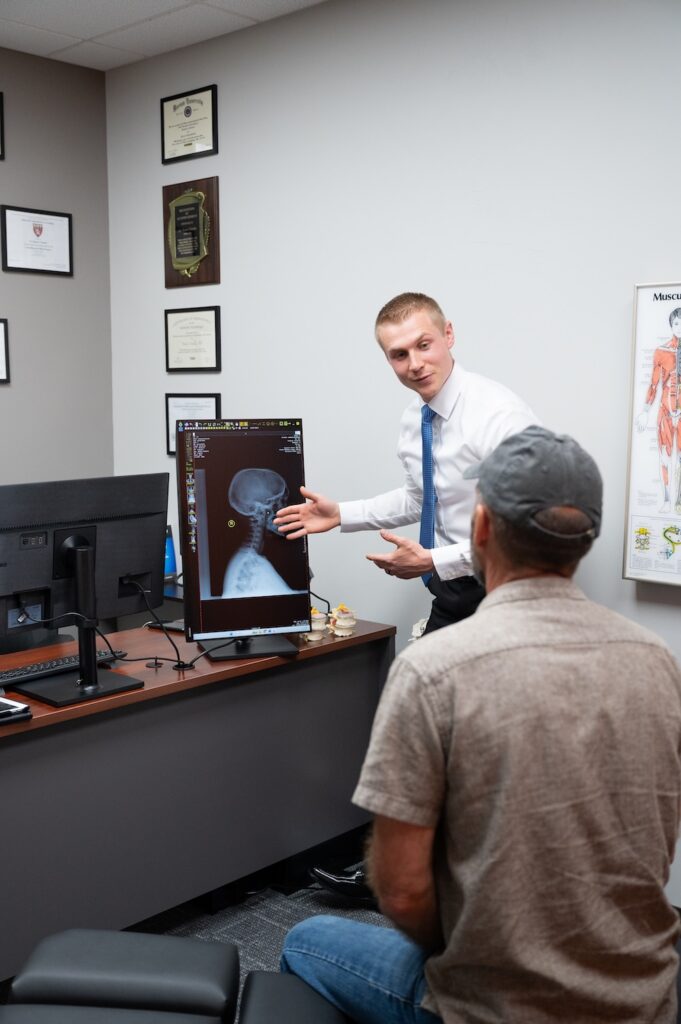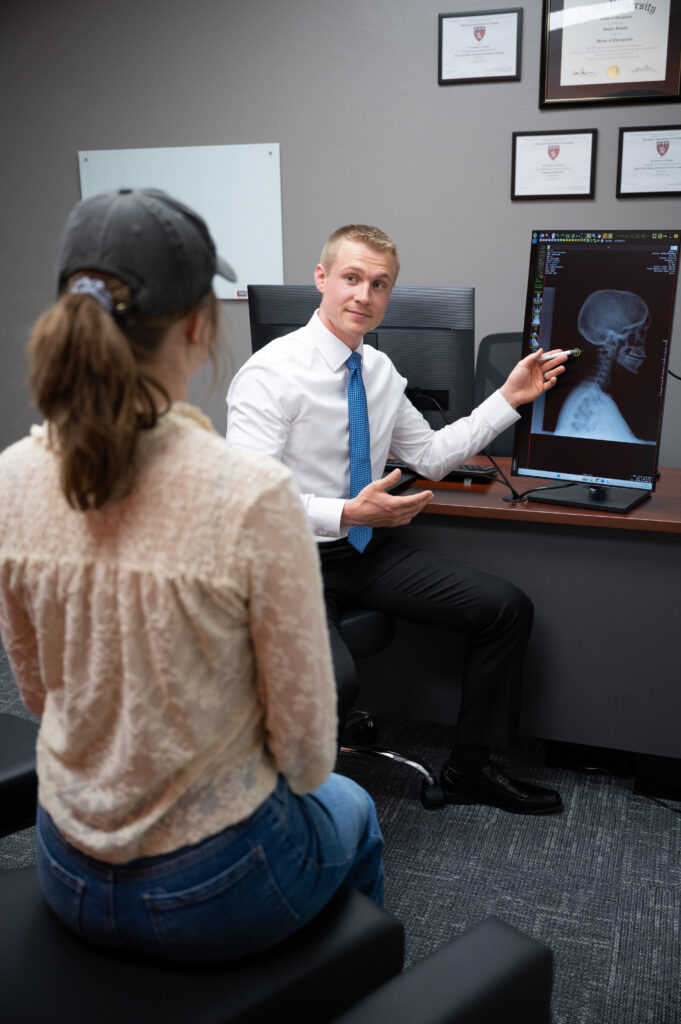

If you suffer from migraines, you understand just how disruptive they can be to your daily life. Finding effective strategies to manage them is vital for both your comfort and overall well-being. One of the best avenues for relief is through chiropractic care, which focuses on the connection between your spine and nervous system. By addressing spinal alignment and tension, chiropractic adjustments can help alleviate migraine pain naturally, without the need for medications or invasive procedures.
Identifying your triggers is an important first step. Common triggers can include stress, certain foods, or even poor posture. A chiropractor can assist you in recognizing these factors and developing a personalized plan to reduce their impact. Additionally, creating a comfortable and supportive environment is crucial. This might involve maintaining good posture while sitting, using ergonomic furniture, or ensuring your workspace is free of stressors.
Incorporating regular chiropractic visits into your routine can also be beneficial. These adjustments not only help with immediate pain relief but can also promote long-term wellness by supporting proper spinal function and reducing tension in your body. Other helpful practices include staying hydrated, practicing relaxation techniques like deep breathing or yoga, and ensuring you get enough rest.
By applying these natural strategies and embracing chiropractic care, you may find the relief you seek and take back control of your life. Let’s explore these tips further and discover how they can work for you in your journey to wellness.
Key Takeaways
- Keep a detailed migraine diary to help you identify and track potential triggers such as certain foods, stress levels, and sleep patterns. This valuable information can be shared with your chiropractor to tailor your care plan effectively.
- Establish a consistent sleep routine to help regulate your body’s internal clock. Quality sleep is vital for overall health and can play a significant role in managing migraines. A chiropractor can provide tips on how spinal alignment affects sleep quality.
- Stay hydrated by drinking plenty of water—aim for at least 8 glasses a day. Also, try to maintain regular meal times to keep your blood sugar levels stable. Nutrition plays a key role in your body’s overall wellness, and a chiropractor can guide you on dietary choices that support your health.
- Incorporate stress management techniques into your daily routine. Simple practices like deep breathing, mindfulness, and regular physical activity can alleviate tension and improve your mood. Chiropractic care can also help reduce stress by addressing spinal misalignments that may contribute to tension headaches.
- Create a comfortable environment at home by controlling lighting and reducing noise levels. If you find that migraines persist, consider consulting with your chiropractor. They can provide tailored adjustments and therapies to help mitigate your symptoms naturally.
By focusing on these holistic approaches, you can enhance your overall health and well-being while effectively managing migraines without relying on medications or invasive procedures.
Identify Your Triggers
How can you effectively manage your migraines if you don’t know what triggers them? Identifying your triggers is essential for finding relief and maintaining your wellness. Start by keeping a detailed diary of your migraine episodes. Note when they occur, what you ate, your stress levels, and any activities you did leading up to the attack. Over time, look for patterns; common triggers may include certain foods, strong smells, or changes in the weather.
Additionally, pay attention to your emotions and physical state. Stress, fatigue, or dehydration can all contribute to migraines. By recognizing these contributing factors, you can take proactive steps toward preventing migraines. For instance, if you discover that chocolate consistently leads to a migraine, consider eliminating it from your diet.
Chiropractic care can also play a significant role in managing migraines. Spinal misalignments can contribute to tension and stress, which may trigger migraine episodes. Regular chiropractic adjustments can help restore proper alignment, reduce stress, and promote overall wellness.
By understanding your unique triggers and incorporating chiropractic care into your routine, you empower yourself to take control of your migraine management and reduce the frequency of those painful episodes.
Maintain a Consistent Sleep Schedule
To effectively manage your migraines, maintaining a consistent sleep schedule is crucial. As a chiropractor, I emphasize the importance of good sleep hygiene practices to support your overall health and wellness. Aim to establish a regular sleep routine; this means going to bed and waking up at the same time each day. Consistency can help your body find balance, potentially reducing the frequency and intensity of your migraines.
Additionally, try to limit naps throughout the day, as they can disrupt your natural sleep cycle. Instead of napping, consider engaging in gentle stretching or relaxation techniques—these can ease tension in your body and promote better sleep at night.
Remember, chiropractic care can play a significant role in enhancing your overall well-being. Regular adjustments can help improve spinal alignment, which may contribute to better sleep quality and less discomfort.
Prioritizing your sleep health not only supports migraine management but also fosters a path to natural healing and healthier living.
Sleep Hygiene Practices
Maintaining a consistent sleep schedule is crucial for managing migraines, as irregular sleep patterns can trigger painful attacks. As a local chiropractor, I believe that a good night’s sleep is vital for overall health and wellness, and it can also support your spine and nervous system.
Here are some simple sleep hygiene practices that can help you stabilize your routine and promote natural healing:
- Stick to a Sleep Schedule: Try to go to bed and wake up at the same time every day, even on weekends. This helps regulate your body’s internal clock, making it easier for you to fall asleep and wake up refreshed.
- Establish a Relaxing Routine: Create a calming bedtime ritual that signals to your body that it’s time to wind down. This could include gentle stretches or deep breathing exercises, which can also benefit your spine and overall relaxation.
- Limit Screen Time: Aim to reduce screen time at least an hour before bed. The blue light emitted by phones and computers can interfere with your ability to fall asleep. Instead, consider reading a book or enjoying some quiet meditation.
- Optimize Your Sleep Environment: Ensure your sleep space is cool, dark, and quiet. A comfortable mattress and proper pillow support can help align your spine, leading to better quality sleep.
- Be Mindful of What You Eat and Drink: Avoid heavy meals and caffeine close to bedtime, as these can disrupt your sleep. Focus on light snacks that promote relaxation, such as herbal teas or fruits, which can also be beneficial for your body.
By incorporating these practices into your daily routine, you can improve your sleep quality and support your overall health naturally.
Avoid Naps Frequently
Getting quality sleep at night is essential for overall health, especially for those managing migraines. However, it’s equally important to avoid frequent daytime naps, as they can disrupt your natural sleep cycle and potentially lead to more headaches.
Instead of surrendering to the temptation of a nap, consider maintaining a consistent sleep schedule—going to bed and waking up at the same time every day. This practice helps regulate your body’s internal clock, which can enhance your sleep quality and reduce migraine triggers.
As a chiropractor, I encourage incorporating healthy habits into your daily routine. If you’re feeling fatigued during the day, try engaging in light physical activity or stepping outside for some fresh air. Movement can invigorate you and help combat that tired feeling without interfering with your night’s sleep.
Stay Hydrated
Staying hydrated might seem like a small detail, but it plays a significant role in managing not just migraines but overall wellness. Dehydration can lead to headaches, making it crucial to ensure you’re consuming enough fluids throughout the day.
As a chiropractor, I understand the importance of maintaining optimal health, and proper hydration is a fundamental part of that. Here are some simple tips to help you keep your hydration levels in check:
- Aim for at least 8 glasses of water daily. This is a good baseline to keep your body functioning well.
- Carry a reusable water bottle. Having it by your side serves as a constant reminder to sip throughout the day.
- Incorporate hydrating foods into your diet. Fruits and vegetables like cucumbers and watermelon not only hydrate you but also provide essential nutrients that support your spine and overall health.
- Limit caffeine and alcohol. Both can contribute to dehydration, so it’s wise to enjoy them in moderation.
- Listen to your body. Increase your fluid intake during hot weather or when you’re exercising, as these factors can increase your hydration needs.
By prioritizing hydration, you’re taking a proactive step toward enhancing your health and wellness.
Practice Stress Management Techniques
Managing stress effectively is crucial for reducing the frequency and intensity of migraines, and chiropractic care can play a significant role in this process. As a chiropractor, I want to share some natural techniques that not only promote relaxation but also support your overall spinal health and wellness.
Start by incorporating deep breathing exercises into your daily routine. Inhale deeply through your nose, allowing your abdomen to expand, and then exhale slowly through your mouth. This simple practice can help calm your mind and body, allowing your spine to relax.
Consider integrating mindfulness or meditation into your day. Just a few minutes of focusing on your breath or being present in the moment can help center your thoughts and alleviate stress, which can contribute to fewer migraines.
Physical activity is also vital for managing stress and supporting your spine. Regular exercise, like walking or stretching, releases endorphins that improve your mood and reduce anxiety. As a bonus, movement helps maintain a healthy spine, which is essential for overall wellness.
Prioritize a consistent sleep schedule, as restorative sleep is crucial for recovery and stress management. A well-rested body can better handle stress, leading to improved spinal health.
Lastly, don’t underestimate the power of social connections. Spending time with friends or family can provide emotional support and help you unwind. Strong social ties can alleviate stress and contribute to a healthier, happier life.
By actively engaging in these stress management techniques, you can achieve a more balanced lifestyle and minimize migraine occurrences.
Keep a Migraine Diary
Keeping a migraine diary can be a transformative tool for understanding your headaches and finding relief through natural methods. By tracking your experiences, you’ll uncover valuable insights that can help you manage your migraines and improve your overall well-being.
Here are some essential points to include in your diary:
- Date and Time: Document when your migraine begins and ends. This helps identify patterns over time.
- Symptoms: Write down the specific symptoms you experience. This can help you and your chiropractor understand your condition better.
- Triggers: Look for potential triggers, such as stress, changes in weather, or lack of sleep. Understanding these can guide lifestyle changes.
- Chiropractic Care: Note any chiropractic adjustments or therapies you receive and how they impact your symptoms. Chiropractic care can promote spinal health and may help alleviate migraine pain.
- Lifestyle Factors: Include details about your diet, physical activity, and sleep habits. A balanced lifestyle can significantly influence your overall health and may reduce the frequency of migraines.
By maintaining this diary, you empower yourself to make informed decisions about your health.
Remember, chiropractic care is a natural and effective way to support your body’s healing process and achieve optimal health without the need for medications or invasive procedures.
Consider discussing your findings with your chiropractor to create a personalized plan that works best for you.
Consider Dietary Changes
Dietary changes can significantly impact your overall health and wellness, especially when it comes to managing migraines. As a chiropractor, I believe in the power of natural healing and the body’s ability to find balance. Certain foods may trigger or alleviate migraine symptoms, so it’s essential to pay attention to your diet.
Start by identifying common migraine triggers in your diet, such as aged cheeses, processed meats, and caffeine. Keeping a food diary can be a helpful tool in understanding which foods may be linked to your migraine episodes. By tracking what you eat, you can gain insights into how certain foods affect your body.
Once you identify your triggers, consider eliminating them from your meals. Incorporating magnesium-rich foods, such as spinach and nuts, can be beneficial, as magnesium may help reduce the frequency of migraine attacks. Additionally, staying hydrated is crucial—make sure to drink plenty of water throughout the day.
Maintaining regular meal times can help stabilize your blood sugar levels, which is important for overall well-being. Aim to avoid skipping meals. Focus on whole, unprocessed foods whenever possible, as they provide essential nutrients that support your health. A balanced diet rich in fruits, vegetables, whole grains, and lean proteins can enhance your body’s natural healing processes.
Remember, each person’s triggers are unique. It’s important to listen to your body and experiment with dietary changes to find what works best for you.
Alongside these dietary adjustments, consider how chiropractic care can support your journey to optimal health. Chiropractic treatments can help improve your spinal alignment and overall function, which may also contribute to reducing migraine frequency and intensity.
Embrace a holistic approach to wellness, and you may find that a combination of dietary changes and chiropractic care leads to a healthier, more balanced life.
Explore Preventive Medications
While dietary changes can be beneficial in managing migraines, it’s important to consider holistic approaches that focus on natural healing and overall wellness.
Chiropractic care can play a significant role in reducing the frequency and intensity of migraines by addressing spinal alignment and promoting better nervous system function. This can lead to improved overall health and potentially fewer migraine episodes.
Here are some tips to help manage migraines naturally:
- Chiropractic Adjustments: Regular visits to a chiropractor can help align your spine, reducing tension and stress that may trigger migraines. Adjustments can also improve circulation and nervous system function.
- Stress Management: Incorporate stress-reducing techniques such as deep breathing exercises, meditation, or yoga. These practices can help relax your mind and body, potentially reducing the likelihood of a migraine.
- Stay Hydrated: Dehydration can be a trigger for migraines, so make sure to drink plenty of water throughout the day.
- Healthy Diet: Focus on a balanced diet rich in fruits, vegetables, whole grains, and lean proteins. Pay attention to any food triggers that may worsen your migraines and try to avoid them.
- Regular Exercise: Engaging in regular physical activity can help reduce stress and improve your overall health, which may lead to fewer migraine attacks.
- Sleep Hygiene: Establish a consistent sleep routine to ensure you’re getting enough rest each night. A well-rested body is less likely to experience migraines.
- Essential Oils: Some people find relief from migraines by using essential oils like peppermint or lavender. These can be applied topically or used in a diffuser for relaxation.
Remember, it’s always best to discuss any persistent health issues with a healthcare professional.
Utilize Over-the-Counter Pain Relief
When migraines strike, it’s important to understand that there are natural ways to manage your pain effectively. While some people may turn to over-the-counter medications for quick relief, chiropractic care offers a holistic approach that addresses the root causes of headaches.
Chiropractic adjustments can help alleviate tension in the spine and neck, which are often contributors to migraine pain. By ensuring that your spine is aligned, you may experience fewer headaches and improved overall wellness. Regular adjustments can help maintain proper spinal function and reduce stress on the nervous system, promoting a healthier body and mind.
In addition to chiropractic care, consider implementing some lifestyle changes to support your health. Staying hydrated, maintaining a balanced diet rich in whole foods, and managing stress through relaxation techniques like yoga or meditation can all play a role in reducing the frequency and severity of migraines.
It’s also beneficial to keep track of your headache triggers. Common culprits can include lack of sleep, certain foods, or even changes in weather. By identifying and avoiding these triggers, you can take proactive steps to manage your migraines more effectively.
Remember, your body has an amazing ability to heal itself. By choosing chiropractic care as part of your wellness routine, you’re taking a step toward achieving optimal health and natural pain relief.
If you’re struggling with frequent migraines, consider consulting with your chiropractor to explore personalized strategies that work for you. Together, you can find a path to a healthier, headache-free life.
Create a Comfortable Environment
Creating a comfortable environment is essential for reducing the frequency and intensity of migraines, and as a chiropractor, I understand how vital it’s to have a soothing space for overall wellness.
By making a few simple adjustments to your surroundings, you can create an atmosphere that promotes healing and relaxation, which is beneficial for your spine and overall health. Here are some tips to help you craft that ideal environment:
- Control Lighting: Opt for soft, dim lighting and consider using blackout curtains. Bright, harsh lights can strain your eyes and may contribute to headaches. A calming light can also help create a more relaxing atmosphere.
- Maintain a Cool Temperature: Keeping your space cool can be very helpful, as heat can trigger migraines for many individuals. A comfortable temperature not only helps alleviate headache discomfort but also supports spinal health by promoting relaxation.
- Reduce Noise Levels: Consider using noise-canceling headphones or playing soft background music. Reducing disruptive sounds can create a peaceful environment, allowing you to unwind and focus on your healing.
- Declutter: A tidy space can significantly reduce stress and distractions. A clean environment promotes clarity and calmness, which are essential for both your mental and spinal health.
- Incorporate Relaxing Scents: Utilizing essential oils or scented candles, such as lavender or peppermint, can enhance your environment. These scents are known for their calming properties and can help ease tension in both your mind and body.
By creating a nurturing and comfortable environment, you can support your body’s natural healing processes and potentially reduce the occurrence of migraines.
Seek Professional Help When Needed
Even in a comfortable setting, migraines can sometimes linger, indicating that you may need a different approach to finding relief. If you’re experiencing frequent or intense headaches that don’t respond to over-the-counter remedies, it’s essential to explore options that focus on natural healing and wellness.
Chiropractic care can be a powerful tool in managing migraines. A chiropractor can help identify misalignments in your spine that may contribute to headache patterns. By realigning your spine and improving your overall nervous system function, chiropractic adjustments can help reduce the frequency and intensity of your migraines.
Additionally, consider adopting a holistic lifestyle to support your well-being. Regular exercise, a balanced diet rich in anti-inflammatory foods, and adequate hydration can all play a significant role in minimizing headaches.
Stress management techniques such as yoga, meditation, or deep-breathing exercises can also help alleviate tension that might trigger migraines.
Keeping a migraine diary is an excellent strategy to track patterns and triggers. Note when headaches occur, what you were doing at the time, and any relief methods that worked. This information can be helpful during your visits to a chiropractor, allowing them to create a personalized care plan that targets your specific needs.
Conclusion
Managing migraines effectively can greatly improve your quality of life, and chiropractic care is a natural and holistic approach that can help. Start by identifying your triggers and keeping a migraine diary; this can provide valuable insights into your condition and help you understand how your body reacts.
Prioritize getting enough restorative sleep, as it is essential for overall health and can significantly reduce the frequency of migraines. Staying well-hydrated is also crucial; water plays a vital role in maintaining proper brain function and can help alleviate headache symptoms.
Incorporating stress management techniques like deep breathing, meditation, or gentle yoga can make a difference. Remember, a relaxed body is less likely to experience tension-related migraines. Creating a comfortable environment—free from harsh lights, loud noises, and other irritants—can also contribute to your well-being.
Chiropractic care focuses on spinal health, which is essential for the entire nervous system. Regular adjustments can help align your spine, reduce tension, and promote better overall health. If you’re experiencing frequent migraines, consider consulting with a chiropractor who can tailor a wellness plan specifically for you.
These tips are not just about managing pain; they’re about taking control of your health naturally. Remember, you’re not alone on this journey! Embrace the natural healing power of chiropractic care and take proactive steps towards a healthier, migraine-free life.