
When it comes to recovering from injuries, many people might think rest is the only solution. However, as a local chiropractor, I want to emphasize that the healing process is much more comprehensive. It involves a systematic approach that includes personalized treatment plans tailored to your specific needs, as well as nutritional support that plays a crucial role in recovery.
Understanding the balance between physical therapy, mental resilience, and the importance of a supportive network can truly enhance your healing journey. By incorporating chiropractic care, we can help restore proper alignment and function to your body, which can significantly aid in recovery.
What if I told you that many of the strategies I use in my practice can be applied to your own healing journey, regardless of the type of injury? Exploring these natural healing methods could transform your perspective on recovery and empower you to take an active role in your health. Let's work together to find the best path for your healing.
Understanding the Injury Recovery Process
The injury recovery process is crucial for anyone looking to regain their full physical capabilities, especially athletes. As a chiropractor, I want to help you understand how this process works so you can effectively navigate the healing journey. It's important to focus on three main components: assessment, rehabilitation, and gradual reintegration.
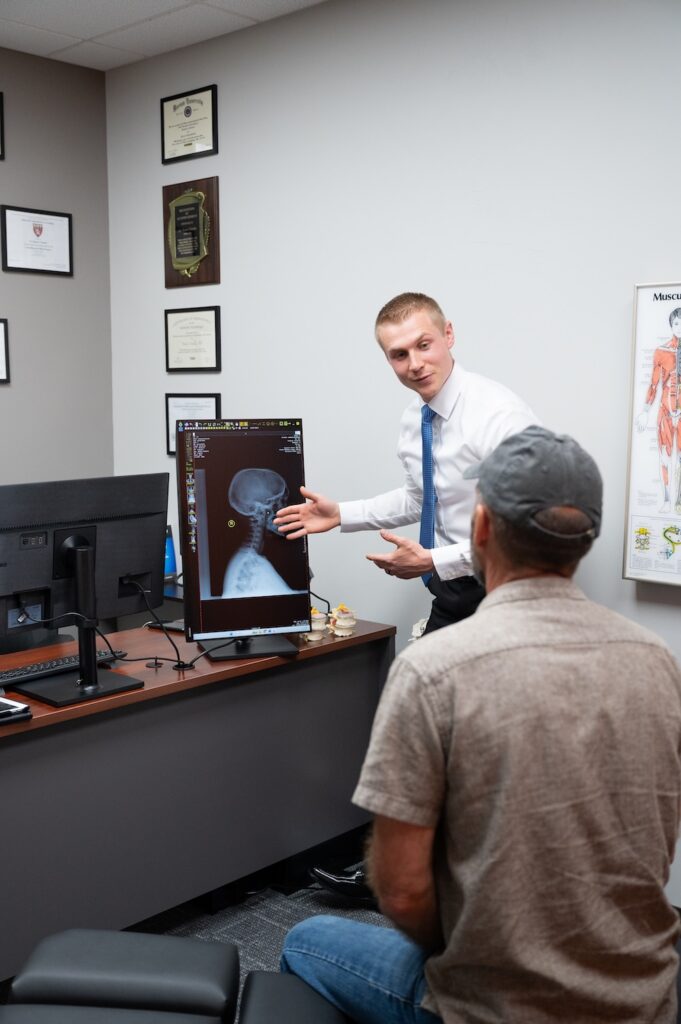
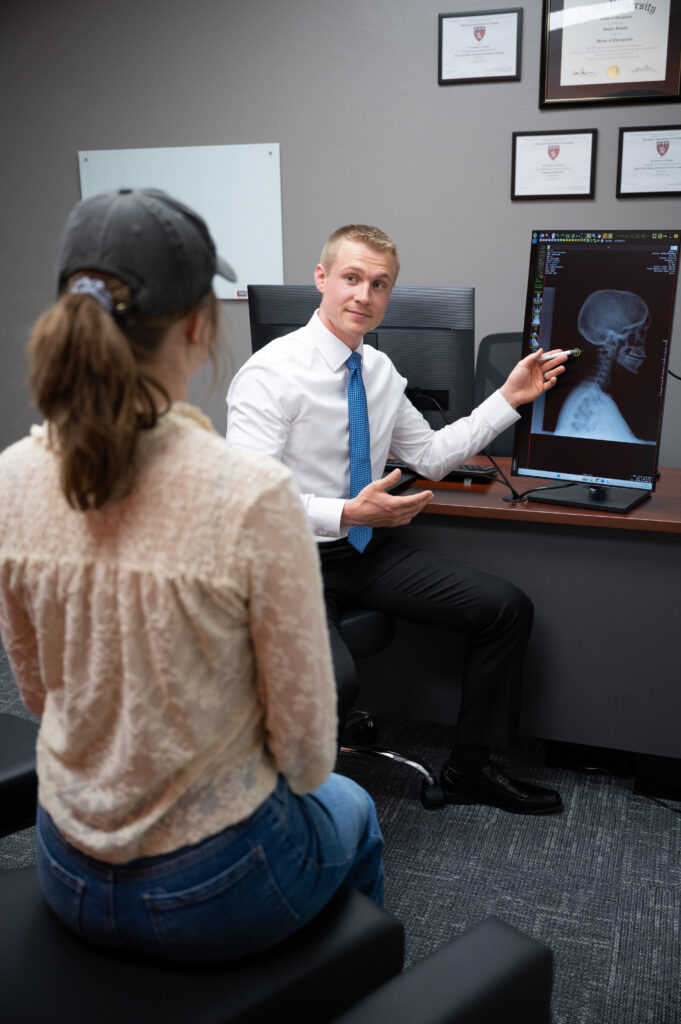
First, let's talk about assessment. It's essential to consult with healthcare professionals, including chiropractors, who specialize in diagnosing musculoskeletal issues. We can provide you with a comprehensive evaluation of your injury, helping to clarify the extent of the damage and develop a personalized treatment plan. This step is vital because rushing back into activity without proper care can lead to more significant setbacks.
Next is rehabilitation. This phase is all about targeted exercises and therapies designed specifically for your injury. As your chiropractor, I'll guide you through a tailored rehabilitation program that may include manual adjustments, physical therapy exercises, and other natural healing techniques aimed at restoring strength, flexibility, and range of motion. Sticking to this plan and following my recommendations is crucial for a successful recovery.
I'll teach you the right exercises and any necessary modifications to help prevent re-injury.
Finally, reintegration into your sport should be a gradual and careful process. We'll start with low-impact activities and progressively increase the intensity as your body responds positively to treatment. It's essential to listen to your body and communicate any concerns with me or your coach.
This phase focuses on rebuilding your confidence and ensuring that your body can withstand the demands of competition once again.
Importance of Rest and Recovery
As a local chiropractor, I often see athletes who are dedicated to their training, but sometimes overlook a crucial aspect of their performance: rest and recovery. It's understandable to want to push through discomfort or fatigue, but prioritizing rest is essential for your long-term health and athletic performance.
When you experience pain or an injury, it may be tempting to ignore those signals and continue training. However, this approach can lead to more serious injuries and extended recovery periods. It's important to recognize that your body needs time to heal. Rest is a vital part of this healing process.
During your recovery phase, your muscles take the time to repair and rebuild, which not only speeds up your recovery but also enhances your overall strength. By allowing your body the necessary time to recuperate, you can help prevent overuse injuries and ensure that you're ready for future competitions.
Remember, training consistently without giving your body adequate time to recover can lead to burnout and a decline in performance. Incorporating recovery days into your training schedule is just as essential as your workout days. These rest periods are when your body adapts and grows stronger.
This doesn't mean you need to be completely inactive; consider engaging in low-impact activities such as swimming or yoga, which can support your recovery without placing excessive strain on your body.
Another critical aspect of recovery is quality sleep. Aim for 7-9 hours each night to allow your body the opportunity to repair itself. Nutrition also plays a significant role in recovery; consuming a balanced diet rich in proteins, healthy fats, and carbohydrates can effectively fuel your healing process.
In summary, it's important to listen to your body. Embrace rest and recovery as integral components of your training regimen. By doing so, you'll not only enhance your performance but also promote your overall well-being.
As a chiropractor, I'm here to support you in understanding these principles and helping you achieve long-term success in your athletic journey.
Physical Therapy Techniques
Recovery from injury requires a thoughtful approach, and chiropractic care offers a natural path to healing. As a local chiropractor, I want to share how chiropractic techniques can help you regain strength, flexibility, and overall functionality, allowing you to return to your favorite activities confidently.
Here are four essential chiropractic techniques that can support your recovery:
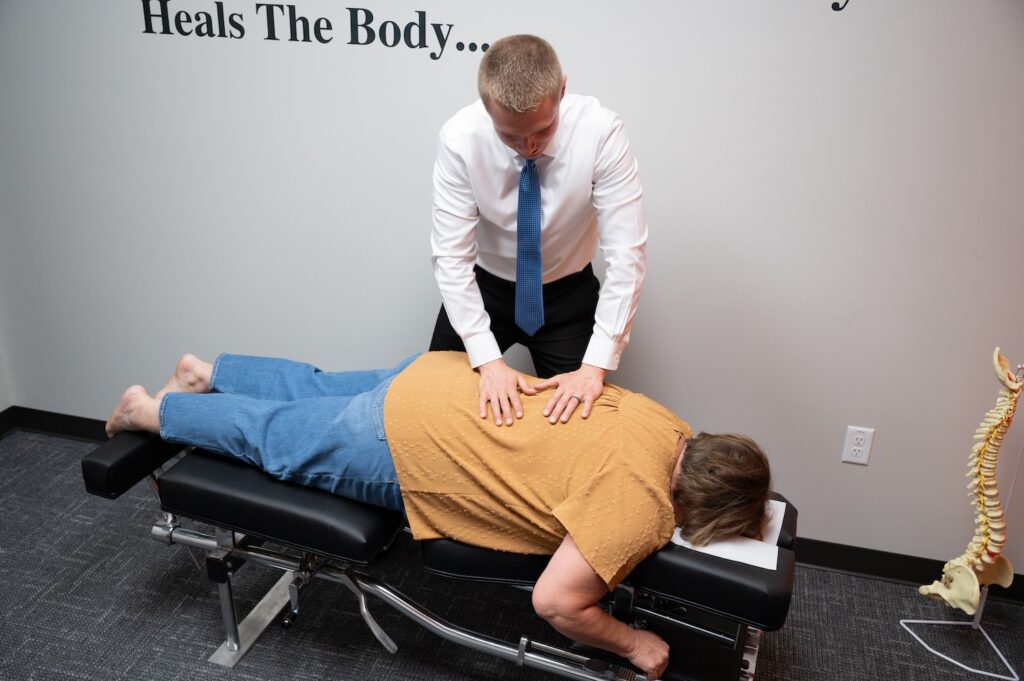
- Spinal Manipulation: This hands-on adjustment technique focuses on realigning the spine and optimizing nervous system function. By restoring proper alignment, you can reduce pain, improve circulation, and enhance mobility. Through gentle manipulation, I aim to address your specific concerns and promote overall wellness.
- Therapeutic Exercises: An individualized exercise program is crucial for rebuilding strength and preventing future injuries. I'll guide you through specific exercises designed to improve your range of motion, strength, and endurance, tailored to your unique needs and recovery goals.
- Therapeutic Modalities: In my practice, I may incorporate various modalities, such as heat therapy, cold therapy, ultrasound, and electrical stimulation, to alleviate pain and encourage healing. These treatments are effective in reducing inflammation and enhancing blood flow to the affected areas, facilitating a quicker recovery.
- Functional Rehabilitation: As you progress, I'll introduce functional rehabilitation exercises that mimic movements relevant to your daily activities or sports. This phase ensures that you're well-prepared to resume your normal routines without the risk of re-injury.
By incorporating these chiropractic techniques into your recovery plan, you can't only heal but also empower yourself to perform at your best once you return to your activities.
Embracing natural healing methods can lead to long-term wellness and a healthier lifestyle.
Nutritional Support for Healing
As your local chiropractor, I want to emphasize how crucial proper nutrition is for your recovery from injuries. When you're healing, it's important to focus on essential nutrients that aid in your recovery process. This includes incorporating foods rich in vitamins and minerals that support tissue repair and reduce inflammation.
Staying well-hydrated is equally important, as it helps maintain optimal bodily functions during your healing journey. Additionally, timing your meals can make a significant difference in how quickly and effectively you recover.
Essential Nutrients for Recovery
As a local chiropractor, I want to share with you the importance of essential nutrients in your recovery journey, especially after an injury.
These nutrients are vital for repairing tissues, reducing inflammation, and supporting your overall healing process. By understanding and incorporating these into your diet, you can enhance your recovery and promote natural healing.
Here are some key nutrients to focus on:
- Protein: This is crucial for muscle repair and regeneration. I recommend choosing lean sources like chicken, fish, beans, or tofu to help rebuild your strength.
- Omega-3 Fatty Acids: These healthy fats are known for their anti-inflammatory properties and can greatly aid in the healing process. Include fatty fish, walnuts, and flaxseeds in your meals for their benefits.
- Vitamins C and E: Both of these vitamins serve as powerful antioxidants that support the healing process. Look to citrus fruits, berries, nuts, and leafy greens to boost your intake of these essential vitamins.
- Zinc: This mineral plays a vital role in immune function and tissue repair. You can enhance your zinc levels by consuming foods such as meat, shellfish, legumes, and seeds.
By focusing on these essential nutrients, you can support your body's natural healing abilities and optimize your recovery.
If you have any questions about how nutrition can complement your chiropractic care, feel free to ask!
Hydration's Role in Healing
As a local chiropractor, I want to emphasize the importance of staying properly hydrated during your healing journey, especially if you've recently sustained an injury. Water is essential for transporting nutrients throughout your body, which is crucial for your recovery. When you're dehydrated, your blood volume decreases, making it more challenging for your body to deliver those vital nutrients to the injured area.
Hydration also plays a key role in maintaining joint lubrication. This can help reduce stiffness and discomfort as you heal. Additionally, staying hydrated supports cellular functions, which promotes faster tissue repair and recovery.
As you focus on your healing process, make it a priority to drink plenty of water throughout the day to ensure your body operates effectively.
Don't overlook the significance of electrolytes, either. They're vital for hydration, particularly if you've lost fluids through sweating or other activities. Incorporating beverages rich in electrolytes can help restore balance and facilitate your recovery.
Be mindful of your hydration levels; signs such as dark urine or fatigue can indicate that you need to increase your fluid intake.
Timing of Nutritional Intake
As a local chiropractor, I want to share some important insights on how the timing of your nutritional intake can significantly aid in your recovery from injuries. Many people may not realize that the right nutrition at the right time can enhance the healing process. Here are four key strategies to consider:
- Post-Injury Nutrition: Right after an injury, ideally within the first 30 minutes, it's crucial to consume a mix of protein and carbohydrates. This combination helps kickstart your recovery and supports muscle repair. Think of it as giving your body the immediate fuel it needs to begin healing.
- Regular Meals: Aim to eat balanced meals every 3-4 hours. This consistent intake of nutrients is essential for your body to effectively reduce inflammation and promote healing. Regular meals ensure that your body has a steady supply of what it needs to recover.
- Pre-Workout Fuel: If you're participating in light rehabilitation exercises, make sure to have a nutritious snack about 30 minutes beforehand. This will equip your body with the necessary energy to perform these exercises safely, without putting unnecessary strain on your muscles.
- Hydration Timing: Staying hydrated is vital for your recovery. Make it a habit to drink water throughout the day, particularly before and after meals. Proper hydration not only maintains your overall health but also supports nutrient absorption, which is critical for healing.
By incorporating these timing strategies into your routine, you're taking proactive steps towards a quicker recovery.
Mental Resilience Strategies
As a local chiropractor, I want to emphasize the importance of mental resilience in the journey of recovering from injuries and returning to peak performance. While chiropractic care focuses on the physical aspects of healing, it's equally important to address the emotional and psychological challenges that come with recovery.
First, let's talk about cultivating a positive mindset. It's crucial to focus on what you can control during your rehabilitation process, such as following your treatment plan and maintaining a healthy lifestyle. Setting achievable goals can give you a sense of direction and help you track your progress. Break your recovery into smaller milestones, and celebrate each accomplishment to keep your spirits high.
Visualization is a powerful technique that can complement your chiropractic treatments. Imagine yourself performing at your best, relishing the excitement of your sport. This mental imagery can strengthen your resolve and keep you motivated, especially during difficult times.
Additionally, incorporating mindfulness practices, such as breathing exercises or meditation, can help you stay grounded and manage any anxiety that may arise.
It's also essential to surround yourself with a supportive network. Whether it's coaches, teammates, family, or friends, having people who understand your healing journey can provide necessary encouragement. Openly sharing your feelings can be therapeutic, and don't hesitate to reach out for professional guidance if needed; a sports psychologist can offer valuable insights and coping strategies tailored to your situation.
Lastly, embrace a growth mindset. Instead of viewing setbacks as failures, see them as opportunities to learn and grow. This shift in perspective can greatly enhance your resilience, enabling you to come back stronger.
The Role of Cross-Training
As a local chiropractor, I want to emphasize the crucial role of cross-training in your injury recovery journey. It's not just about healing; it's about maintaining your overall fitness and well-being during this time. By integrating different activities into your routine, you can ensure that your injured area has the necessary time to heal while still keeping your body active.
Here are four essential benefits of cross-training during your recovery process:
- Preserves Fitness Levels: When you engage in alternative exercises, you can maintain your cardiovascular endurance and strength, even when your primary sport or activity is off-limits. This helps you stay fit while your body heals.
- Minimizes Risk of Overuse Injuries: By diversifying your workouts, you reduce the repetitive strain on specific muscles or joints. This is crucial in preventing overuse injuries, which can occur when you focus too much on one type of movement.
- Aids in Recovery: Low-impact activities, such as swimming or cycling, are excellent for promoting blood circulation to the injured area. This increased blood flow can facilitate the healing process while providing a workout that's gentle on your body.
- Supports Mental Health: Staying active is also beneficial for your mental well-being. Engaging in different forms of exercise can help alleviate feelings of frustration or anxiety that often accompany injuries. It keeps your spirits high and maintains your connection to a healthy lifestyle.
Incorporating cross-training into your recovery routine isn't just advantageous; it's vital for a holistic approach to healing. By exploring various exercises, you can remain engaged and motivated throughout your recovery.
Building a Support System
As a local chiropractor, I want to emphasize how crucial a strong support system is when you're recovering from an injury. Not only do your family and friends play a vital role in providing emotional encouragement, but they can also help you stay motivated throughout your healing journey.
In addition, seeking professional help from a chiropractor can offer you valuable guidance and resources tailored to your specific needs. Chiropractic care focuses on the body's natural ability to heal itself by addressing misalignments and promoting overall wellness.
Family and Friends' Role
As a local chiropractor, I want to emphasize the vital role that a strong support system plays in your recovery journey after an injury. When you're navigating the challenges of healing, having family and friends around can be incredibly beneficial in maintaining a positive outlook and staying focused on your recovery goals. Their encouragement can significantly enhance your mindset and facilitate a smoother healing process.
Here are some ways your loved ones can support you during recovery:
- Emotional Support: Having someone to talk to about your frustrations can make a world of difference. Your family and friends can provide a listening ear and a shoulder to lean on, helping you manage the mental hurdles that often accompany an injury.
- Practical Assistance: Whether it's driving you to your chiropractic appointments or helping with everyday tasks, their support can help relieve some of the stress, allowing you to concentrate on your healing and rehabilitation.
- Motivation: Your loved ones can remind you of your past successes and encourage you to stick to your rehabilitation plan. Their motivation can help keep you accountable and committed to your healing process.
- Positive Distractions: Engaging in enjoyable activities with your family and friends can elevate your mood and take your mind off your injury. This can be essential in fostering a healthier mental state, which is key to effective recovery.
By recognizing the importance of this support system, you can enhance your healing journey and achieve a quicker return to your active lifestyle.
As a chiropractor, I'm here to guide you through your recovery, but having a strong network of support can make all the difference.
Professional Support Networks
Building a strong professional support network is crucial for your recovery journey, and as a chiropractor, I want to emphasize the role of holistic healing in your rehabilitation. Surrounding yourself with professionals who understand the complexities of recovery can truly make a difference.
Start by connecting with sports therapists who specialize in your specific injury. They can work alongside me to create a tailored rehabilitation program that not only addresses your physical needs but also complements chiropractic adjustments to promote healing.
Don't underestimate the value of a knowledgeable coach. A good coach can help modify your training regimen, ensuring you're progressing safely without overexerting yourself. Their experience, combined with chiropractic care, can help you stay focused on your long-term goals while maintaining motivation during your recovery.
Additionally, consider consulting with a sports psychologist. Mental health plays a significant role in the healing process, and having someone to help you navigate the emotional challenges can be incredibly beneficial. They can teach you resilience techniques that pair well with the physical adjustments and therapies I provide.
Lastly, connect with fellow athletes who've faced similar injuries. Sharing their recovery stories can't only inspire you but also foster a sense of community and support.
Conclusion
Injuries can indeed be challenging, but as your local chiropractor, I want to assure you that with the right approach, you can emerge from this experience even stronger. It's essential to prioritize rest and recovery, as your body needs time to heal. Don't underestimate the significant role that nutrition plays in the healing process; a balanced diet can enhance your recovery.
In addition to nutritional support, physical therapy can be a vital part of your rehabilitation journey. As a chiropractor, I focus on natural healing methods, which can complement traditional therapies. Staying mentally resilient is crucial, so I encourage you to maintain a positive mindset and explore cross-training options that won't exacerbate your injury.
Moreover, leaning on your support system, whether that be friends, family, or fellow athletes, can provide the encouragement you need during this time. Remember, healing is a process that requires patience; it's important to listen to your body and not rush the recovery. By applying these time-tested methods and considering chiropractic care, you'll not only recover effectively but also be well-prepared to achieve peak performance when you return to your sport.