
Share this episode:
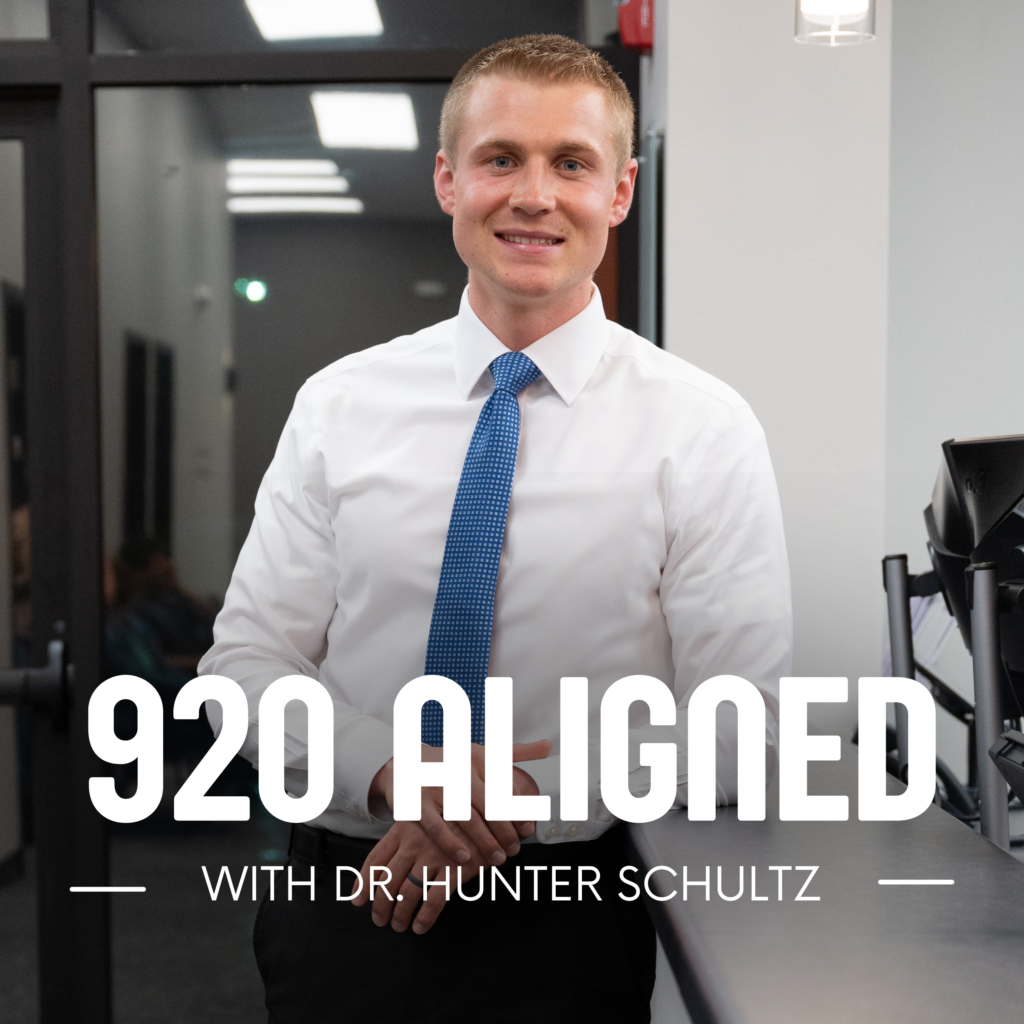
If you’ve ever felt that dull ache at the base of your skull after scrolling your phone or hunching over a computer, you may be dealing with tech neck — and you’re far from alone. Dr. Hunter Schultz of 920 Chiropractic Health & Injury Care in Green Bay breaks down exactly what tech neck is, including the surprising amount of stress even a slight head tilt puts on your spine.
In this episode, Dr. Schultz walks listeners through the most common causes of tech neck and the warning signs that it’s progressing beyond simple muscle soreness. You’ll come away with practical, actionable strategies to adjust your posture, your workspace, and your daily habits to protect your neck and spine long-term.
Whether you work at a desk all day or just can’t put your phone down, this episode is a must-listen for anyone who wants to stay ahead of one of the most common complaints seen in chiropractic offices today.
Hey everyone, welcome back. I’m Doctor Hunter Schultz from nine twenty Chiropractic Health and Injury Care here in Green Bay, and today we’re talking about something I see every single day in my office. Tech neck. If you’ve ever looked down at your phone and felt that ache at the base of your skull, or noticed your shoulders creeping up toward your ears after a long day at the computer — this episode is for you.
So what exactly is tech neck? Let me break this down for you. Your head weighs somewhere around ten to twelve pounds when it’s sitting directly over your shoulders. That’s a lot of weight on its own. But here’s what’s interesting — every inch you push your head forward, the effective load on your spine increases dramatically. So if you’re looking down at your phone with your chin dropped toward your chest, the strain on your neck can feel like carrying forty or fifty pounds on those muscles and joints. That’s why you feel so worn out and tight. Your body is literally working overtime just to hold your head up.
Now, here’s the thing. We live in a world where screens are everywhere. Phones, tablets, laptops, televisions — we are always looking at something. And most of the time, that something is below eye level. So over time, the muscles in the back of your neck get overworked and tight, the muscles in the front get weak and underused, and the natural curve of your cervical spine — that gentle forward curve your neck is supposed to have — starts to flatten out or even reverse. That’s when people start feeling not just neck pain, but headaches, shoulder tension, and sometimes even tingling or numbness down into the arms.
You know what I hear a lot from patients? They say, I don’t even know when it got this bad. And that’s the tricky part about tech neck. It builds slowly. It doesn’t happen overnight. It’s the accumulation of hundreds of hours of poor posture that eventually shows up as pain.
So let’s talk about what you can actually do about it. First — raise your screen. Whether it’s your phone or your computer monitor, get it closer to eye level. You shouldn’t have to drop your chin to see it. If you’re working at a desk, your monitor should be roughly at eye level or just slightly below. This one change alone can make a big difference.
Second — take breaks. Every thirty minutes or so, step away from your screen, roll your shoulders back, and do a simple chin tuck. Here’s how that works — instead of pushing your chin forward, gently pull it straight back, like you’re trying to make a double chin. Hold it for a few seconds, then release. That movement helps retrain your neck muscles and reinforces the natural curve of your spine.
Third — strengthen the muscles that hold you upright. Your deep neck flexors, your mid-back muscles, your rhomboids — these are the ones that keep your posture in check. Simple exercises like rows, face pulls, and those chin tucks I mentioned go a long way.
Now, when should you come see a chiropractor about this? Honestly — sooner rather than later. If you’re having neck pain that doesn’t go away after a day or two, headaches that seem to start at the base of your skull, stiffness when you try to turn your head, or any tingling or weakness in your arms — those are signs that your spine needs some attention. The earlier we address these issues, the better the outcomes tend to be.
At nine twenty Chiropractic Health and Injury Care, we look at the whole picture. We assess your posture, your movement, and how your spine is functioning, and we put together a plan that actually makes sense for your life.
Tech neck is one of the most common things we treat, and the good news is — it responds really well to chiropractic care combined with some smart daily habits.
Alright, that’s a wrap for today. Thank you so much for tuning in. If you’re in the Green Bay area and you want to get your neck checked out, give us a call or visit us at nine twenty Chiropractic Health and Injury Care. We’d love to help you feel better and move better. Take care of yourselves, and we’ll talk again soon.

I’ve been to 4 different chiropractors in the past 8 years and this place is by far the best! Highly recommend!

Front desk staff is amazing. Very personable, and friendly. Dr. Hunter is great to work with, and has helped with my neck pain in only a few visits.

From the consultation on I’ve had excellent service and treatment. Dr. Schultz did a great job diagnosing and explaining the problems I was having and provided a clear treatment plan. After just a few adjustments my back and neck were feeling much better.

Amazing atmosphere!!! From my first visit, I have felt nothing but seen, heard, and valued. Dr. Schultz has done a wonderful job! I felt results after my first visit. Would highly recommend:)

I absolutely love the staff here everyone is so friendly and the adjustments are very tailored to what I need! I highly recommend 920 Chiro Dr.Schultz is awesome!

The two AMAZING ladies at the front desk, Faith and Emmalee are so nice and good at what they do!<br><br>I would 100% recommend going here to get adjusted by Hunter because he gets the job done and makes sure you get adjusted and listens to any issues you have!

Dr. Shultz is amazing! Love this place and the staff are so kind and caring.

Dr. Schultz at 920 Chiropractic is my new hero! I had an incredibly painful case of lumbar radiculopathy (AKA Sciatica) that he was able to get me relief from in a very reasonable amount of time. I'm so grateful to have found the professional care I needed at an affordable price. My back and legs haven't felt this good in years!

Hunter is the best! Effective chiropractic doctor 😁 Best chiropractor in Green Bay, super personable and informative

Dr. Schulz and his staff are super! It took awhile to feel the benefit of the adjustments and decompression, but my back and hips feel much better! The dull low back pain is very seldom now and I don't have the pain in my hips like I did when I started! Dr. Schulz is very knowledgeable and I love that he took x-rays to start with! I definitely recommend him!

i was recommended by a friend and i’m so thankful for her! i’ve noticed quite a difference in my back! faith and dr. schultz are so kind and i always leave with a fun fact about the spine or other bones! 10/10

Highly recommend 920 chiro. Hunter, McKayla, and faith and great and always so welcoming.

Very friendly people. They really try to accommodate my schedule. Love the stretch table!

Dr. Hunter is so thorough with all of his care, you can tell he loves treating patients. Dr. Hunter is extraordinary at his job. If you are looking for a professional and welcoming chiropractor 920 chiropractor is the place!

Dr. Schultz is a great person and chiropractor. He truly cares about his patients and I always feel so much better after visiting! Faith is super awesome as well and knows me by name when I walk in!

I love it, makes me feel very refreshed highly recommend. Doctor Schultz is such a nice guy.

Hunter and Faith are extremely welcoming and genuinely care about you feeling better. My lower back pain is virtually gone and I feel great everyday!(:

First time at a chiropractor and I was a little nervous but everyone was very nice! Dr Schultz is great and is very thorough with his explanations on the process of getting you back to 100%!

AH-MAZ-ING!!! Seriously so informative and helpful!

Excellent young man who knows his stuff, great facility

Hunter is always super helpful and the receptionist is always super sweet. My first time ever at a chiropractor in my life was at this practice it’s been such a great experience each time 🤩

Dr Schultz, Faith, and Mikayla are an absolute amazing team! From the first appt, I felt very welcomed, and listened to about my concerns. My concerns were addressed and are being treated, and I feel amazing! Dr. Schultz is very knowledgeable and explains things very well. If you’re looking for a great chiropractic team, I HIGHLY recommend!!

I can’t say enough great things about Dr. Schultz. I came in dealing with ongoing back/neck pain, and he created a treatment plan that actually worked. He explains what he’s doing and why, which I really appreciate. You can tell he knows what he’s talking about and genuinely cares about helping his patients feel better long-term, not just providing a quick fix. Faith his receptionist is also so friendly and makes you feel comfortable right when you walk in the door!

Doctor Schultz is amazing. Great guy, awesome at his job and super knowledgeable. Always helpful and is always trying to hit your goals with you.

Dr.Shultz really takes his time to explain and make you feel comfortable through the whole experience. 10/10 recommend

Dr.Schultz is a very personable guy and is very knowledgeable! He not only helps me feel better but also educates me from time to time!

Dr. Hunter does such an amazing job in helping me feel better in ways the benefit my whole body. As well as teaching me different tricks to help myself feel better!

Dr. Schultz and his staff offer exceptional care. Extremely responsive and a pleasure to work with. I would highly recommend 920 Chiropractic.

I’ve had a truly wonderful experience with 920 Chiropractor. Everyone there has been fantastic to work with—so kind, supportive, and helpful. Dr. Schultz did an excellent job explaining everything and putting together a care plan that made sense for me. You can tell he genuinely cares about how his patients are feeling and progressing. The decompression and roller tables have been amazing, and I’m finally starting to feel things getting back to where they should be.

"If you're looking for a chiropractor who truly cares about his patients, you've found the right place. I had significant back issues, and after just a few weeks, I’m already feeling much better. From the moment you walk in and are greeted by Kayla's warm smile to Dr. Hunter's informative approach during every visit, you can genuinely feel the care and dedication here. It’s refreshing to go to a place that prioritizes your well-being. Thank you both!"

I highly recommend Dr. Schultz at 920 Chiro he is the real deal.His passion and knowledge for chiropractic care is evident. Beautiful office, friendly staff, and advanced technology. He is always accommodating when I call and want to get in on short notice.

Hi I'm tori I started beginning of september felt like I was 50 when i'm only 35 constant headaches, unbelievable back pain, constant pain all day every day<br>Could not sit without being in Tears from my back hurting so bad, I had Always thought chiropractors where a waste of money but I was desperate so I saw an ad for first visit at a price under $50 came with a set of x rays and thought to myself, what do I have to lose so I called made an appointment went<br>And the amount of things I learned and forty five minutes made me thinking no flipping way we'll I'm so glad I did go because I haven't felt the way I do now since senior year in high school I have 3 kids and I can't remember the last time I was as flexible as I am now.<br>Or the last time I did not have to complain about back pain or the last time I didn't have a migraine but here I am living life 24 weeks will make the homemade whip cream sweet

If you’ve never been to a chiropractor or you’re looking for a new one, I highly recommend Dr. Hunter Schultz. I had never been to a chiropractor and at 920Chiro the staff immediately made me feel at ease. Dr. Schultz formed a treatment plan specific to me and showed he truly cares by explaining it in detail, sharing his knowledge with the use of x-rays and charts..

Lo mejor de terapia de green ellos te asen todo lo q nesesitas y las terapias dan muy buen resultado gracias portodo doctor y secretarial

Dr. Schultz is extremely competent and skilled as a chiropractor, and he is a great person to work with as well.

This is a great chiropractor for those needing help with lower back pain! Dr. Schulz is kind and gentle, and doesn't just do those "one size fits all" treatments. Recommend 100%!

Very friendly and very helpful! Great atmosphere and great people .

Dr. Schultz was the first chiropractor that ever truly listened and cared about my concerns. He was thorough and completely explained the how and why about the treatment he was providing. I knew every step of the way what he was doing and how it was helping me. He is totally affordable compared to other chiropractors I have been to, and has actually given me positive results! I highly recommend Dr Schultz at 920 Chiropractic if you want worthwhile and beneficial care.

Dr. Schultz is incredibly knowledgeable and explains everything he is doing and how it helps perfectly. Definitely feeling a lot better as a result of working with him and will continue to do so!

Amazing service!! They really believe in what they do.

Excellent professional service. From the moment I walked through the door to reoccurring visits I feel welcomed. Dr. Schultz put a plan together and has been very communicative and a great listener. I would highly recommend Dr. Schultz and his staff.

Dr. Schultz has helped me go from having several headaches a week to none! He is so full of knowledge, so compassionate, and really wants to help with not only pain, but other aspects of life like sleep, digestion, etc.

Dr. Schultze is truly top-notch!<br>Not only is he an exceptional chiropractor, but he's also a compassionate and dedicated healthcare provider. He takes the time to genuinely listen to his patients and tailors his care to support their unique health journeys. His adjustments are both gentle and precise—offering not just short-term relief, but meaningful, long-lasting results. If you're looking for individualized chiropractic care with a personal touch, Dr. Schultze is the one to choose!

Exceptional chiropractic care focused on precision and long-term results. Pain relief isn’t just immediate…it’s lasting. The attention to alignment and function makes a noticeable difference in daily life. Highly recommend for anyone seeking true, effective relief and a higher standard of care.

Dr. Schultz is a doctor who truly and sincerely cares about you and your family's wellbeing and health! The practice is welcoming and the staff are very professional and kind. You're going to receive high quality care with Dr. Schultz. If you are even questioning about coming in, don't hesitate any longer. Make the appointment and take charge of your health! :)

A friendly staff and inviting atmosphere partnered with knowledgeable, caring, and effective chiropractic care makes for a great experience every time. Highly recommend giving it a try.

Dr. Schultz is AMAZING! His precise adjustments and thorough approach truly showcase his expertise. I felt immediate relief after my visit, and his genuine care for my well-being made the experience outstanding. Highly recommend his top-notch care!

Chiropractic Health and Injury Care is such a great place to go!! I would highly recommend this place to anyone who needs chiropractic care!


