If you struggle with migraines, you might be surprised to learn that neck pain can play a significant role in your discomfort. Many people overlook this connection, but understanding it can lead to effective relief. By addressing neck tension with simple, practical strategies, you can help reduce your migraine triggers and improve your overall well-being.
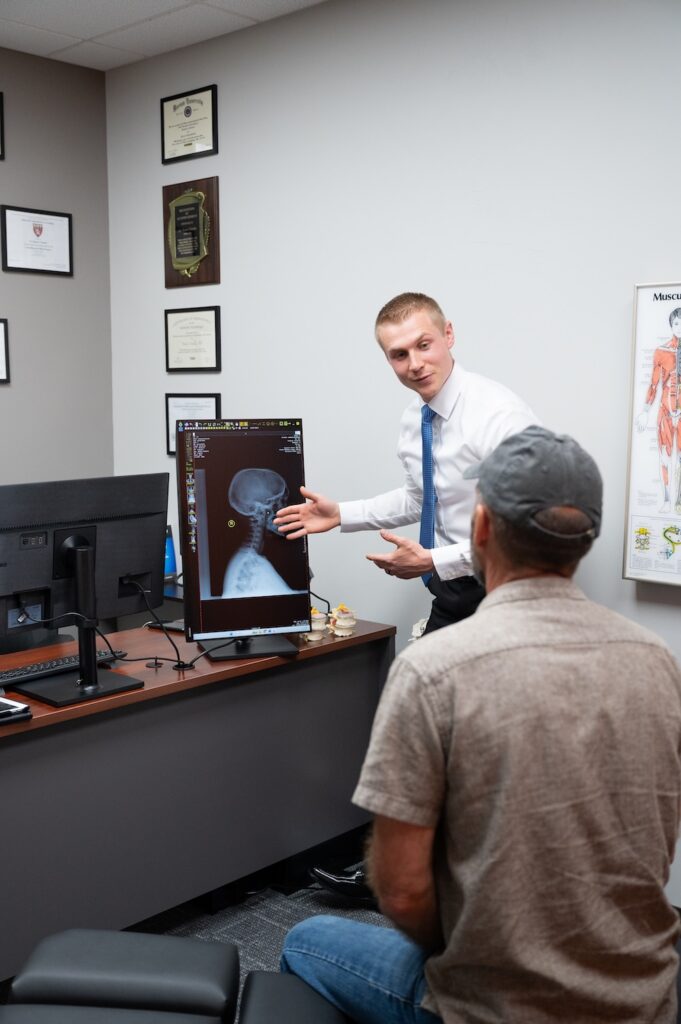
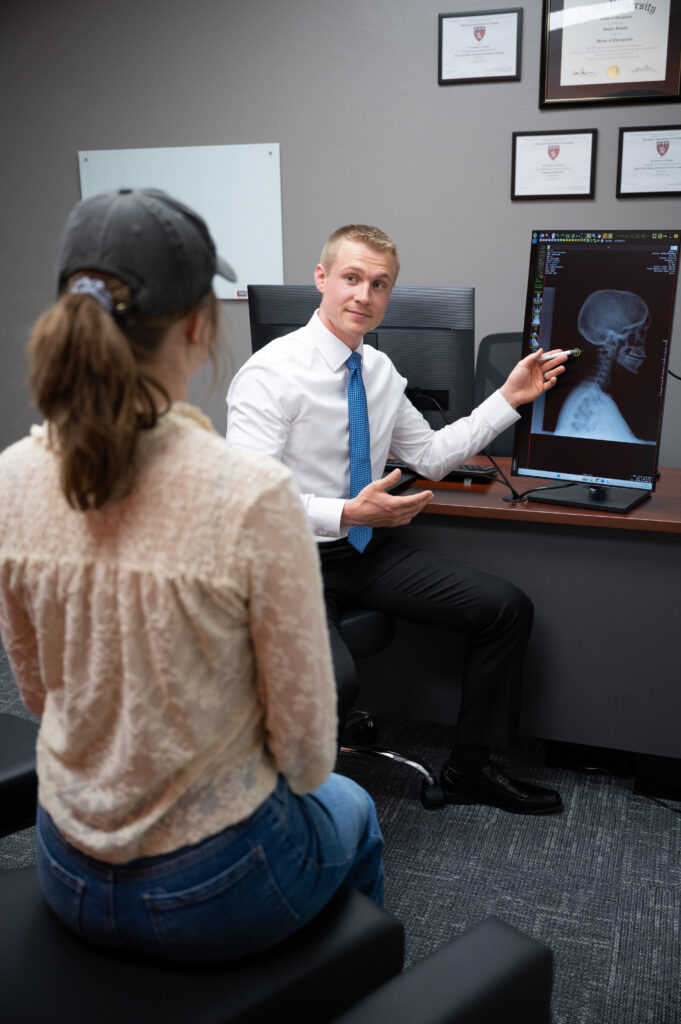
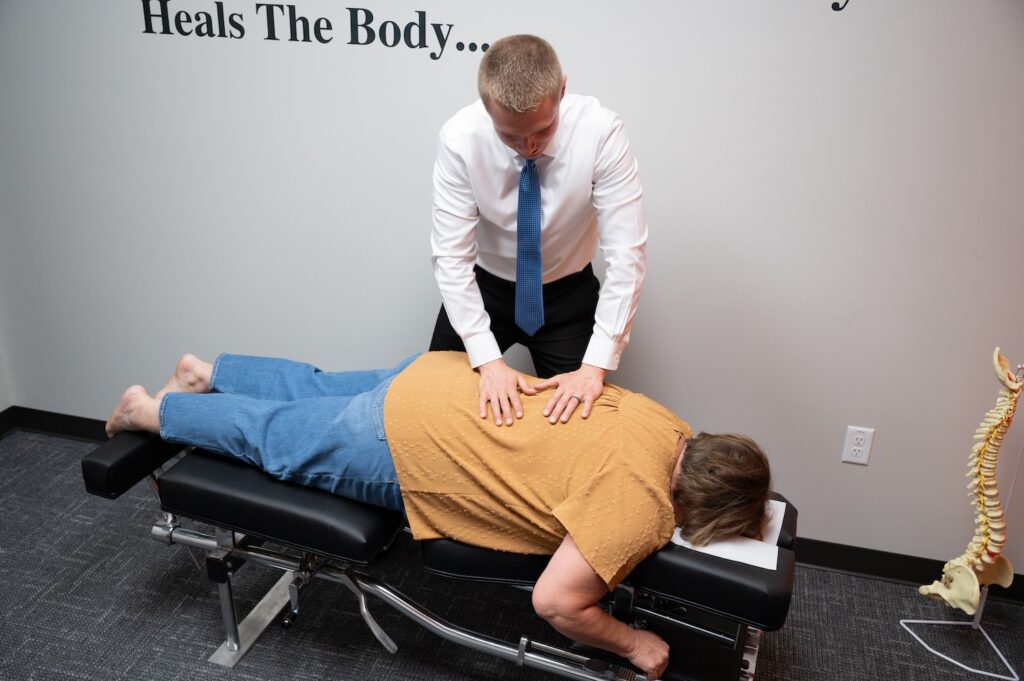
Chiropractic care is an excellent option for managing neck pain and migraines naturally. As a chiropractor, I focus on spinal health and how it affects your entire body. Regular chiropractic adjustments can help alleviate tension in the neck and restore proper alignment, which can significantly reduce the frequency and intensity of migraines.
Here are some tips to help you manage neck pain and, in turn, your migraines:
- Posture Awareness: Maintain good posture throughout your day. Whether you’re sitting at a desk or using your phone, keep your head aligned over your shoulders. This simple adjustment can significantly reduce strain on your neck.
- Stretch and Strengthen: Incorporate gentle neck stretches into your daily routine. Stretching can relieve tension, while strengthening exercises can help support your neck and prevent pain.
- Ergonomic Setup: Ensure your workspace is ergonomically designed. Your computer screen should be at eye level, and your chair should provide proper support. This helps minimize strain on your neck and back.
- Hydration: Stay well-hydrated. Dehydration can lead to muscle tension and headaches, so drink plenty of water throughout the day.
- Regular Chiropractic Visits: Consider regular chiropractic adjustments to keep your spine aligned and reduce neck tension. This proactive approach can help you manage pain and prevent migraines from occurring.
By taking these steps and prioritizing your spinal health through chiropractic care, you can pave the way for lasting relief from neck pain and migraines. If you’re curious about how chiropractic can specifically help you, don’t hesitate to reach out. Together, we can create a personalized plan to support your health and wellness journey.
Key Takeaways
Neck tension can often be a hidden trigger for migraines, making it crucial to address any neck pain you may be experiencing. By focusing on your neck health, you might not only find relief from discomfort but also reduce the frequency and severity of your migraines. Here are some effective strategies to help you on your journey to wellness:
- Posture Matters: Maintaining proper posture while sitting and using devices is essential. Slouching or leaning forward can strain your neck, leading to headaches. Be mindful of your posture and try to keep your head aligned over your spine. This simple adjustment can significantly minimize neck strain and help prevent headaches.
- Stretch and Strengthen: Incorporating regular neck stretching and strengthening exercises into your routine can boost flexibility and provide the support your neck needs. Gentle neck rolls, shoulder shrugs, and chin tucks are excellent exercises to relieve tension and keep your neck muscles strong.
- Heat and Cold Therapy: Utilizing heat and cold therapy can work wonders for tight muscles and inflammation. A warm compress can help relax tense muscles, while a cold pack can reduce swelling and numb sharp pain. Alternating between the two can provide comprehensive relief and promote healing.
- Chiropractic Care: If you’re dealing with persistent neck pain or radiating symptoms, consider seeking chiropractic care. Chiropractors specialize in spinal health and can provide targeted adjustments that alleviate pain and improve function. Early intervention is key, as it can enhance recovery and prevent chronic issues from developing.
By focusing on these simple yet effective strategies, you can take control of your neck health and potentially reduce migraine occurrences. Remember, chiropractic care is a natural and holistic approach that prioritizes your well-being. Embrace these tips, and take the first step towards a pain-free life today!
Understanding the Connection Between Neck Pain and Migraines
When dealing with neck pain, it’s important to recognize how it can trigger or worsen migraines. There’s a strong link between the two, as tension in your neck can lead to discomfort that radiates to your head. When the muscles in your neck become tight or strained, they can irritate the nerves and blood vessels, which may bring on a migraine.
Additionally, factors like poor posture or repetitive movements can place extra stress on your neck, increasing your chances of experiencing headaches. You may find that when your neck pain intensifies, you also become more sensitive to light and sound—common signs of a migraine. Understanding this connection is key to managing both your neck pain and migraines effectively.
Chiropractic care is a fantastic way to address neck pain naturally. By seeking treatment from a chiropractor, you can receive targeted adjustments that help alleviate tension in your neck and promote proper alignment. This not only helps with neck pain but may also reduce the frequency and severity of migraines.
In addition to chiropractic adjustments, there are simple steps you can take to support your neck health. Regularly practicing gentle stretches can help relieve tension. Applying heat to the neck can soothe sore muscles, and being mindful of your posture—especially if you sit for long periods—can make a big difference.
Prioritizing your neck health through chiropractic care and these easy self-care tips not only enhances your overall well-being but also creates a proactive approach to managing migraines. Embracing a natural, holistic path to wellness is the best way to achieve lasting relief and optimal health.
Identifying Common Causes of Neck Pain
Neck pain can arise from various everyday activities and habits that you mightn’t even realize are putting strain on your neck. For example, poor posture while sitting at your desk or looking down at your phone can lead to significant discomfort. If you find yourself hunched over a computer for long hours or slouched on the couch, your neck muscles may become tense and fatigued, leading to pain.
Sleeping in an awkward position can also contribute to neck pain. If your pillow isn’t providing proper support or if you sleep on your stomach, you might wake up with a stiff neck. Choosing a supportive pillow and sleeping on your back or side can help align your spine better and reduce discomfort.
Repetitive motions, such as frequently turning your head during sports or daily activities, can strain your neck. You may also be surprised to learn that stress can play a part in your neck pain; when you’re anxious, you might unconsciously tighten your neck muscles.
By recognizing these common causes of neck pain, you can take steps to alleviate discomfort and improve your overall neck health. Incorporating regular chiropractic care can be an excellent way to address these issues naturally. Chiropractors focus on spinal alignment and can help relieve tension in your neck through gentle adjustments.
In addition to chiropractic treatments, here are a few tips you can incorporate into your daily routine:
- Practice Good Posture: Sit up straight and use ergonomic furniture whenever possible. Keep your computer screen at eye level.
- Take Breaks: If you’re working at a desk, take short breaks every hour to stretch and move around.
- Be Mindful of Your Phone Use: Hold your phone at eye level rather than looking down to reduce neck strain.
- Choose the Right Pillow: Invest in a supportive pillow that keeps your neck aligned with your spine.
- Manage Stress: Engage in relaxation techniques such as deep breathing, yoga, or meditation to help reduce tension in your neck muscles.
Stretching Exercises to Relieve Neck Tension
Incorporating stretching exercises into your daily routine can significantly relieve neck tension and enhance your overall well-being. These simple stretches not only help you feel more relaxed but also promote spinal health, which is essential for optimal function and comfort.
As a local chiropractor, I want to emphasize that chiropractic care is one of the best ways to achieve long-term pain relief and wellness. By regularly engaging in these stretches, you can complement your chiropractic adjustments and support your body’s natural healing processes.
Here are some effective stretches to help alleviate neck tension:
| Stretch Name | Instructions | Duration |
|---|---|---|
| Neck Tilt | Gently tilt your head to one side, feeling the stretch in your neck. Hold this position, then switch to the other side. | 15-30 seconds each side |
| Chin Tuck | Pull your chin gently toward your chest, creating a double chin effect. This helps to elongate the neck and relieve tension. | 15-30 seconds |
| Shoulder Shrugs | Raise your shoulders towards your ears, hold for a moment, and then release them back down. This helps to release tightness in the shoulder area. | 10-15 reps |
| Upper Trapezius Stretch | Bring one arm across your body at shoulder height and hold it with the opposite hand. This stretch focuses on the upper back and neck area. | 15-30 seconds each side |
In addition to these stretches, remember to maintain good posture throughout your day, especially if you spend long hours at a desk or using electronic devices. Regular chiropractic adjustments can also help to keep your spine aligned and prevent tension from building up in the first place.
Strengthening Your Neck Muscles
Strengthening your neck muscles is a key aspect of maintaining overall health and wellness, particularly when it comes to relieving tension and preventing discomfort. A strong neck not only supports your head but also plays a crucial role in reducing strain that can lead to migraines. Incorporating simple exercises into your daily routine can help build this essential strength.
Begin with isometric neck exercises, which are easy to perform anywhere. Simply press your forehead into your hands for a few seconds, then shift your focus to the back of your head and each side. This engages the neck muscles without any excessive movement.
Chin tucks are another effective exercise. While sitting or standing, gently pull your chin back toward your neck and hold for about five seconds. Repeat this several times. This exercise not only strengthens the neck but also encourages better posture, which is vital for spinal health.
For those looking to enhance their strength further, resistance band exercises can be beneficial. Attach a resistance band to a sturdy object and perform neck extensions and lateral movements. This added resistance helps to build muscle while ensuring proper spinal alignment.
Aim to integrate these exercises into your routine two to three times a week, gradually increasing the intensity as you progress. By focusing on strengthening your neck, you’re not just alleviating pain; you’re also enhancing your stability, which can dramatically reduce migraine triggers.
Remember, consistent practice is key. Alongside these exercises, consider seeking regular chiropractic care to support your neck and spine health. A chiropractor can provide personalized guidance and adjustments to ensure your body is functioning optimally.
Together, these practices can lead to a healthier, pain-free life. Embrace these tips, and you’ll be on your way to achieving your wellness goals!
The Role of Posture in Neck Pain and Migraines
As a chiropractor, I want to emphasize the vital role that good posture plays in preventing neck pain and migraines. When your spine is properly aligned, it reduces unnecessary strain on your muscles and joints, promoting overall wellness. Unfortunately, slouching or hunching can lead to tension in your neck and trigger painful migraines. By maintaining good posture, you can significantly alleviate discomfort and minimize migraine occurrences.
Here’s a straightforward comparison of good and poor posture that can help you visualize the difference:
| Good Posture | Poor Posture |
|---|---|
| Head aligned with spine | Head jutting forward |
| Shoulders relaxed back | Shoulders rounded forward |
| Elbows close to body | Elbows flared out |
| Feet flat on the ground | Crossed legs |
| Back straight and supported | Slouched or hunched |
Improving your posture is a simple yet powerful way to enhance your neck health and overall quality of life. Here are a few tips you can implement right away:
- Be Mindful: Pay attention to your posture throughout the day, whether you’re sitting at your desk, standing, or walking.
- Take Breaks: If you work at a desk, make it a habit to take short breaks to stretch and realign your posture.
- Strengthen Your Core: Engaging your core muscles can help support your spine and improve your posture.
- Use Ergonomic Furniture: Invest in chairs and desks that promote good posture to reduce strain on your neck and back.
- Schedule Regular Check-ups: Regular chiropractic adjustments can help maintain proper alignment and keep your body functioning optimally.
Ergonomic Adjustments for Your Workspace
To alleviate neck pain and prevent migraines, it’s essential to make ergonomic adjustments in your workspace. As a chiropractor, I often emphasize the importance of a well-structured environment for maintaining spinal health and overall wellness.
Here are some simple yet effective changes you can implement:
- Optimize Your Desk Height: Your desk should allow your elbows to be at a 90-degree angle when typing. This helps reduce strain on your neck and shoulders.
- Choose the Right Chair: A chair that supports your lower back is crucial. Look for one that encourages good posture, allowing your spine to maintain its natural curve.
- Screen Positioning: Your computer screen should be at eye level. This prevents you from tilting your head up or down, which can lead to discomfort and tension headaches.
- Take Regular Breaks: Remember to stand up, stretch, and move around every hour. This helps to keep your spine flexible and can ease tension.
- Practice Good Posture: Sit back in your chair, with your back straight and shoulders relaxed. Position your feet flat on the ground to keep your body aligned.
By making these ergonomic adjustments, you not only enhance your comfort but also support your spinal health.
As you consider these changes, remember that regular chiropractic care can play a pivotal role in achieving and maintaining optimal health. Chiropractors focus on natural healing, helping to alleviate pain and improve overall wellness without the need for medications or surgeries.
Embrace these tips, and consider scheduling a visit to your local chiropractor to further support your journey to a healthier, pain-free life.
Desk Height Optimization
Finding the right desk height is crucial for your comfort and productivity, especially if you’re dealing with migraines or other discomforts. A well-adjusted desk setup helps keep your neck aligned and reduces strain on your spine, which can help alleviate symptoms and promote overall wellness. Here’s a simple guide to help you find the best desk height for your body:
| Desk Height (inches) | User Height (feet) |
|---|---|
| 24 | 5’0″ – 5’2″ |
| 26 | 5’3″ – 5’5″ |
| 28 | 5’6″ – 5’8″ |
| 30 | 5’9″ – 6’1″ |
To optimize your workspace ergonomics and support your spinal health, adjust your desk so that your elbows are at about a 90-degree angle while your wrists remain straight. This simple adjustment can significantly enhance your comfort while working, ultimately reducing discomfort and improving your focus.
Remember, chiropractic care plays a vital role in maintaining your spinal health and overall wellness. Regular adjustments can help alleviate pain, improve posture, and promote a better quality of life. By caring for your spine, you’re taking a proactive step towards a healthier, more productive you.
As you make these adjustments, consider incorporating other healthy habits, such as taking regular breaks to stand, stretch, and move around. These small changes can make a big difference in how you feel throughout the day. Let’s prioritize your health and well-being together!
Chair Support Importance
As a local chiropractor, I want to emphasize the pivotal role your chair plays in your overall health and comfort, particularly if you suffer from neck pain or migraines. A well-designed chair can significantly reduce strain on your neck and spine, which is essential for maintaining proper posture.
When selecting a chair, look for one that offers lumbar support to help preserve the natural curve of your lower back. Adjust the height so your feet are flat on the ground to avoid unnecessary pressure on your thighs, which can contribute to discomfort.
Armrests are also important; they should support your arms without causing your shoulders to rise. Remember, investing in a quality ergonomic chair isn’t just about comfort—it’s about creating a workspace that fosters focus and minimizes pain.
Good chair support is a crucial step towards enhancing your daily work experience and promoting overall wellness.
In addition to choosing the right chair, incorporating regular chiropractic adjustments into your routine can further aid in alleviating pain and enhancing your body’s natural healing processes.
Screen Positioning Techniques
Proper screen positioning is crucial for maintaining spinal health and preventing discomfort, especially if you spend long hours at your desk. As a chiropractor, I want to share some effective techniques that can enhance your workspace ergonomics and support your overall wellness:
| Positioning Tip | Description | Benefits |
|---|---|---|
| Eye Level | Ensure your screen’s top is at eye level. This helps keep your neck in a neutral position. | Reduces neck bending and strain, promoting a healthier spine. |
| Arm’s Length | Keep the screen approximately an arm’s length away from your eyes. | Decreases eye strain, which can lead to tension headaches. |
| Tilt Angle | Angle the screen slightly backward (10-20°). | Minimizes glare and strain on your eyes, enhancing comfort. |
| Avoid Reflections | Position your screen away from windows or bright lights. | Enhances visibility and reduces the need for awkward head movements. |
| Regular Breaks | Take breaks every 20-30 minutes to stand, stretch, and move around. | Prevents fatigue and tension, keeping your spine and body healthy. |
Heat and Cold Therapy for Neck Relief
Heat and cold therapy can be incredibly effective for alleviating neck pain, especially when linked to migraines. As a chiropractor, I often recommend these methods as a complementary approach to chiropractic care for optimal health and wellness.
Applying heat to your neck can help relax tight muscles, improve blood flow, and reduce stiffness. You can use a warm towel, heating pad, or even enjoy a warm shower to feel these benefits. Just be mindful to keep the heat at a comfortable level to prevent burns.
Conversely, cold therapy can be beneficial as it numbs the area, reduces inflammation, and slows down pain signals. You can easily do this by using an ice pack wrapped in a cloth or a bag of frozen peas. It’s best to apply the cold for about 15-20 minutes at a time for effective relief.
For even greater comfort, consider alternating between heat and cold. This approach harnesses the benefits of both therapies, which can enhance your overall relief. Always pay attention to how your body responds, and find the methods that work best for you.
While heat and cold therapy are wonderful tools, don’t forget that regular chiropractic care can address the root causes of neck pain and migraines.
Massage Techniques to Alleviate Discomfort
When neck pain triggers your migraines, incorporating effective massage techniques can be a beneficial part of your wellness journey. However, it’s essential to remember that chiropractic care is often the most effective solution for alleviating pain and promoting overall health. A chiropractor can help identify the root cause of your neck pain and provide personalized adjustments that can lead to significant relief.
In addition to chiropractic adjustments, you might consider exploring trigger point therapy, which targets tight spots in your muscles that could be contributing to your discomfort. Self-massage techniques can also be helpful; gentle pressure on sore areas can ease tension and promote relaxation.
Here are some general tips you can try at home:
- Gentle Stretches: Regularly stretch your neck to improve flexibility and reduce stiffness. Simple side-to-side and up-and-down movements can be very effective.
- Heat Therapy: Applying heat to your neck can help relax tight muscles and alleviate pain. A warm compress or heating pad for 15-20 minutes can work wonders.
- Stay Hydrated: Drinking plenty of water supports muscle function and can help prevent tension headaches.
- Posture Awareness: Be mindful of your posture, especially if you spend long hours at a desk. Ensure your workstation is ergonomically friendly to minimize strain on your neck.
- Regular Chiropractic Visits: Regular check-ups with your chiropractor can help maintain spinal alignment and prevent future discomfort.
By integrating these practices and prioritizing chiropractic care, you can work towards a healthier, pain-free life.
Trigger Point Therapy
Trigger point therapy is a fantastic method to alleviate neck pain, which can often be a contributing factor to migraines. By focusing on specific muscle knots, this technique can help reduce tension and improve blood flow, ultimately supporting your journey towards optimal health.
Here’s how you can incorporate trigger point therapy into your wellness routine:
- Identify Trigger Points: Start by gently feeling around your neck and shoulders to locate any tight or tender areas. These are your trigger points, and recognizing them is the first step toward relief.
- Apply Pressure: Using your fingers, thumbs, or even a small massage tool, apply firm pressure to these identified spots. This can help break down the knots and promote relaxation.
- Sustain Pressure: Hold the pressure for about 30 seconds to a minute. This allows the muscle to release and can significantly reduce discomfort.
- Move and Stretch: Once you’ve released the pressure, gently stretch the area. This can enhance flexibility and further alleviate any tightness.
Incorporating trigger point therapy into your daily routine can be a game-changer for managing neck pain and reducing migraine discomfort.
Remember, chiropractic care is an excellent choice for natural pain relief and overall wellness. Regular adjustments and holistic practices can help maintain your spine’s health, leading to improved quality of life.
Embrace these techniques as part of your journey to healthier living!
Self-Massage Techniques
If you’re seeking effective ways to alleviate neck pain and migraine discomfort, self-massage techniques can be a beneficial addition to your wellness routine. While chiropractic care is often the best choice for lasting pain relief and overall health, these self-care methods can help you manage discomfort until you can see your chiropractor. Here are some simple techniques you can try:
| Technique | Description |
|---|---|
| Neck Stretch | Gently tilt your head to one side, hold for about 15 seconds, then switch to the other side. This can help release tension in your neck and improve flexibility. |
| Circular Motions | With your fingertips, make small circular motions at the base of your skull. This technique can help relieve tightness and promote relaxation in the surrounding muscles. |
| Squeeze and Release | Pinch the muscle at the base of your neck, hold for a few seconds, and then release. This can help to decrease muscle tightness and improve blood flow to the area. |
When to Seek Professional Help for Neck Pain
Are you wondering when it’s time to consult a chiropractor about your neck pain? Knowing when to seek help can make a significant difference in your recovery and overall wellness. Here are four signs that indicate it’s time to see a chiropractic professional:
- Persistent Pain: If your neck pain lasts more than a few days without improvement, it’s essential to get it checked. Ignoring ongoing discomfort can lead to more significant issues.
- Radiating Symptoms: If you notice pain that spreads to your arms, shoulders, or head, this could be a sign that your spinal alignment is off. A chiropractor can help address these concerns naturally.
- Numbness or Weakness: Experiencing tingling, numbness, or weakness in your limbs is a signal that your nervous system may be affected. Seeking chiropractic care promptly can help restore proper function and alleviate these symptoms.
- Accompanied Symptoms: If you experience other symptoms like fever, swelling, or severe headaches along with neck pain, it’s crucial to seek professional advice. While these symptoms may indicate a more serious issue, a chiropractor can assess your condition and guide you on the best course of action.
Remember, prioritizing your health is key. Early intervention through chiropractic care can lead to better outcomes and help prevent chronic issues down the line.
In addition to seeking care, here are some general tips to help manage neck pain and promote wellness:
- Maintain Good Posture: Be mindful of your posture, especially while sitting at a desk or using your phone. Keeping your spine aligned can reduce strain on your neck.
- Stay Active: Regular, gentle exercises can help strengthen your neck muscles and improve flexibility. Consider activities like yoga or light stretching.
- Use Proper Ergonomics: Ensure your workspace is set up to support your neck—position your computer screen at eye level to avoid straining.
- Stay Hydrated: Drinking plenty of water supports overall health, including the health of your spinal discs.
Chiropractic care is a natural and effective approach to achieving optimal health and wellness. Don’t hesitate to reach out to a chiropractor if you’re experiencing any of these signs. Your journey to recovery and a pain-free life starts with taking that first step!
Conclusion
In conclusion, addressing neck pain is vital for reducing the frequency and intensity of migraines. As a chiropractor, I encourage you to explore natural and effective solutions that empower your body to heal. Incorporating gentle stretching exercises and strengthening your neck muscles can significantly help. Additionally, making ergonomic adjustments to your workspace can prevent strain and promote better posture, which is essential for overall spinal health.
Don’t underestimate the power of heat and cold therapy; these simple techniques can provide immediate relief from discomfort. Massage techniques, including self-massage or professional care, can also help ease tension in the neck and shoulders.
Remember, chiropractic care is a holistic approach that focuses on the root cause of your pain rather than just masking symptoms. If your neck pain persists, seeking the guidance of a chiropractor can lead to a personalized treatment plan designed for your unique needs. Together, we can work towards achieving optimal health and wellness through natural healing methods.