
If you're struggling with neck pain, you're not alone, and it's crucial to explore natural relief options. Over the next 30 days, you can implement simple strategies like heat therapy, stretching, and mindfulness practices that may greatly improve your condition. By understanding the common causes of neck pain and how posture affects it, you can start making meaningful changes. But what specific exercises and lifestyle adjustments will make the most impact? Let's uncover the steps you can take to find lasting relief.
Understanding Neck Pain
Neck pain is a common issue that many people experience at some point in their lives. It can range from a slight discomfort to a debilitating condition that interferes with daily activities. You might notice that it affects your ability to turn your head, perform tasks, or even get a good night's sleep. Understanding the nature of neck pain is essential for finding effective relief.
When you think about neck pain, consider how it can stem from various physical and lifestyle factors. You may find that your posture during long hours at a desk or while using your phone contributes greatly to the tension you feel. Stress and muscle strain can also play a role in how your neck feels, leading to tightness or discomfort.
Recognizing the signs of neck pain is important. You might experience symptoms such as stiffness, sharp sensations, or even radiating pain into your shoulders or arms. Paying attention to these signals can help you identify the severity of your situation.
It's also worth noting that neck pain isn't just an issue for older adults. In fact, younger individuals often encounter it due to sedentary lifestyles, which can exacerbate discomfort.
Common Causes of Neck Pain
Several factors can contribute to neck pain, and understanding them is key to finding relief. One common cause is muscle strain, often resulting from overuse or sudden movements. If you've been lifting heavy objects or sleeping in an awkward position, your neck muscles may become tight and sore.
Another significant factor is poor ergonomics, especially if you spend long hours at a desk or using your phone. If your workstation isn't set up correctly, you might be straining your neck without even realizing it. Repeatedly looking down at your device can lead to discomfort over time.
Injuries, such as whiplash from car accidents, can also cause neck pain. Even minor accidents can lead to significant strain on the neck muscles and ligaments. If you've experienced trauma, it's important to monitor your symptoms closely.
Arthritis is another culprit, particularly in older adults. Degenerative conditions can lead to stiffness and pain in the neck as the cartilage wears down over time. You might find that certain movements become more difficult or painful.
Lastly, stress and tension can manifest physically in your neck. When you're stressed, you may unconsciously tense your neck muscles, leading to discomfort.
Recognizing these common causes can help you identify what might be triggering your neck pain and inform your approach to finding effective natural relief.
Importance of Posture
Maintaining good posture is vital for preventing and alleviating neck pain. When you sit or stand with proper alignment, you distribute your body weight evenly, reducing strain on your neck muscles and spine. Poor posture, on the other hand, can lead to muscle imbalances and increased tension, making you more susceptible to discomfort and pain.
You mightn't realize it, but the way you hold your body throughout the day plays an important role in your neck health. Slouching or leaning forward, especially while using a computer or smartphone, can cause your neck to work harder than it should. This strain can result in stiffness, tension, and even chronic pain over time. By consciously adopting a neutral spine position—ears aligned with shoulders and hips—you can greatly lower your risk of developing neck issues.
Moreover, being mindful of your posture during daily activities, like driving or watching television, can make a world of difference. When you sit, make sure your feet are flat on the floor, and your back is supported. If you find yourself hunched over while working, take breaks to reset your position and relieve pressure on your neck.
Incorporating posture checks into your routine may feel challenging initially, but with practice, it becomes second nature. Ultimately, making a conscious effort to maintain good posture can lead to lasting relief from neck pain and improve your overall well-being.
Stretching Exercises
Stretching exercises can be a game changer for relieving neck pain.
By integrating effective neck stretches into your daily routine, you can promote flexibility and reduce tension.
Let's explore some simple stretches that can make a real difference in how you feel.
Effective Neck Stretches
When it comes to relieving neck pain, incorporating effective neck stretches into your routine can make a significant difference.
Regular stretching helps improve flexibility, reduce tension, and alleviate discomfort. Here are four effective neck stretches you can try:
- Neck Tilt: Sit or stand comfortably. Slowly tilt your head to one side, bringing your ear toward your shoulder. Hold for 15-30 seconds, and switch sides.
- Chin Tucks: Sit up straight and gently tuck your chin toward your chest. Hold for 5 seconds, then release. Repeat 10 times to strengthen your neck muscles.
- Shoulder Shrugs: Raise your shoulders toward your ears, hold for a moment, then release. Do this 10-15 times to relieve tension in your neck and shoulders.
- Upper Trapezius Stretch: Sit or stand, and reach your right hand over your head to grasp the left side of your head. Gently pull to the right for a deeper stretch. Hold for 15-30 seconds and switch sides.
Incorporate these stretches into your daily routine, and you'll likely notice a reduction in neck pain and overall tension.
Daily Routine Integration
Integrating neck stretches into your daily routine can be both simple and beneficial for managing pain. By incorporating a few stretches throughout your day, you can relieve tension and improve flexibility.
Start your morning with gentle neck rotations. Slowly turn your head side to side, holding each position for about 15 seconds. This warm-up helps prepare your muscles for the day ahead.
During your workday, set reminders to take short breaks for stretching. Try the chin tuck: sit up straight, tuck your chin in, and hold for five seconds. Repeat this five times. It's a great way to counteract the strain from looking at screens.
Before bedtime, consider a deeper stretch. Lean your head to one side, bringing your ear towards your shoulder. Hold for 20 seconds, then switch sides. This helps release any accumulated tension from the day.
Lastly, remember to breathe deeply while stretching. This not only enhances the effectiveness of the stretches but also relaxes your mind.
Strengthening Exercises
To effectively alleviate neck pain, incorporating strengthening exercises into your routine is essential.
These exercises not only enhance muscle stability but also improve posture, which can greatly reduce discomfort. By dedicating just a few minutes each day, you can build a stronger neck and shoulder area, helping to prevent future pain.
Here are four effective strengthening exercises you can start with:
- Neck Isometrics: Sit or stand up straight. Place your palm against your forehead and gently push your head against your hand for 5 seconds. Repeat this for the sides and back of your head. Do 3 sets of 5 repetitions.
- Shoulder Shrugs: Stand with your arms at your sides. Raise your shoulders up towards your ears, hold for a moment, and then release. Aim for 10-15 repetitions.
- Chin Tucks: Sit or stand tall. Gently tuck your chin in toward your neck, creating a double chin effect. Hold for 5 seconds and repeat 10 times. This helps strengthen the muscles that support your head.
- Wall Angels: Stand with your back against a wall, arms at 90 degrees. Slide your arms up and down the wall while keeping your back flat. Perform 10 repetitions to enhance shoulder mobility and strength.
Incorporating these exercises into your routine will help strengthen your neck and shoulders, providing lasting relief from pain.
Heat Therapy
Heat therapy can be a game-changer for relieving neck pain.
By increasing blood flow and relaxing tight muscles, it offers significant benefits that you might find helpful.
Let's explore some effective application techniques to get the most out of this soothing method.
Benefits of Heat Therapy
Many people find that heat therapy offers significant relief from neck pain, making it a popular choice for managing discomfort. This method can ease tension and promote relaxation, allowing you to go about your day with less pain.
Here are some key benefits of heat therapy you shouldn't overlook:
- Increased Blood Flow: Heat expands blood vessels, improving circulation to the affected area, which helps in healing and reducing stiffness.
- Muscle Relaxation: Applying heat soothes tight muscles, easing discomfort and allowing for greater mobility in your neck.
- Pain Reduction: The warmth can block pain signals sent to the brain, providing a natural way to alleviate discomfort without medication.
- Stress Relief: The soothing sensation of heat can also promote relaxation, making you feel more at ease and reducing stress that may contribute to neck pain.
Application Techniques Explained
While you might be enthusiastic to find relief, knowing the right application techniques for heat therapy can enhance its effectiveness.
Start by choosing your heat source—whether it's a heating pad, hot water bottle, or warm towel. Make sure it's comfortable and not too hot to avoid burns.
Next, find a quiet place to sit or lie down where you can relax. Apply the heat to your neck for 15 to 20 minutes at a time. This duration allows your muscles to warm up and promotes better blood circulation. If you're using a heating pad, consider wrapping it in a thin towel to protect your skin.
You can repeat this process two to three times a day, depending on your comfort level and pain intensity. Incorporating gentle neck stretches during or after heat application can further enhance the benefits.
Always listen to your body; if you feel any discomfort or increased pain, remove the heat source immediately.
Cold Therapy
When you're dealing with neck pain, cold therapy can be a game changer. It's a simple yet effective method to reduce inflammation and numb the discomfort, providing you with much-needed relief. By applying cold to the affected area, you can help ease muscle tension and swelling.
Here's how to make the most of cold therapy:
- Choose the Right Cold Source: You can use ice packs, frozen vegetables, or even a bag of ice wrapped in a towel. Just make sure it's not directly on your skin to avoid frostbite.
- Duration Matters: Apply the cold source for about 15-20 minutes at a time. It's important to give your skin a break to avoid irritation.
- Frequency Is Key: For best results, repeat this process every 1-2 hours during the first 48 hours after you notice pain or inflammation. This helps to manage swelling effectively.
- Monitor Your Body's Response: Pay attention to how your body reacts. If you experience increased pain or discomfort, stop and consult a healthcare professional.
Cold therapy can be a straightforward addition to your pain relief routine. It's affordable, easy to do at home, and can help make a noticeable difference in how you feel.
Massage Techniques
After using cold therapy to manage your neck pain, consider exploring massage techniques as another effective option for relief. Massage can help alleviate tension, improve circulation, and promote relaxation in the muscles surrounding your neck. You don't need to be a professional to enjoy its benefits; you can easily learn some techniques to apply on yourself or with the help of a partner.
Start with gentle kneading. Use your fingertips to apply pressure on the areas that feel tight or sore. Begin at the base of your skull and work your way down towards your shoulders. Move in circular motions or long, gliding strokes to enhance blood flow and ease muscle knots.
You can also try the thumb technique, where you place your thumbs on either side of your neck and gently squeeze while moving upward. This can target deeper layers of muscle tension.
Another effective method is to incorporate essential oils into your massage. Oils like lavender or peppermint can enhance relaxation and provide a soothing aroma. Just remember to dilute them with a carrier oil before applying directly to your skin.
Finally, don't underestimate the power of a good stretch after your massage. Gentle neck stretches can complement the massage and help maintain flexibility.
Yoga for Neck Relief
Many people find that incorporating yoga into their routine can greatly help alleviate neck pain. Yoga not only increases flexibility and strength but also encourages proper alignment, which is essential for neck relief.
Here are some effective yoga poses to take into account:
- Cat-Cow Stretch: This gentle flow warms up the spine and neck, promoting flexibility. Start on all fours, alternate between arching your back and dropping your belly, and gently moving your head with each position.
- Child's Pose: This restorative pose stretches your neck and shoulders. Kneel on the floor, sit back on your heels, and stretch your arms forward while lowering your forehead to the ground. Focus on deep, calming breaths.
- Seated Forward Bend: Sitting with your legs extended, reach for your toes. This pose stretches the spine and neck, helping release tension. Make sure to keep your back straight and breathe deeply as you lean forward.
- Neck Rolls: While seated or standing, gently roll your head in a circular motion, allowing your neck to relax. Be mindful of your breath and perform this exercise slowly to avoid strain.
Incorporating these poses into your daily practice can greatly ease neck discomfort.
Remember to listen to your body and adjust each pose to your comfort level. Consistency is key, so try to practice regularly for the best results.
Mindfulness and Relaxation
Incorporating mindfulness and relaxation techniques can further enhance your journey to relieve neck pain. By focusing on the present moment and reducing stress, you can create a more conducive environment for healing.
Start by dedicating a few minutes each day to practice mindfulness. This can be as simple as finding a quiet space, closing your eyes, and concentrating on your breath. Feel the air enter your lungs and exhale any tension you might be holding in your neck.
Progressive muscle relaxation is another effective method. Begin at your toes and systematically tense and then relax each muscle group, working your way up to your neck. This technique can help you identify areas of tension and release them, contributing to an overall sense of relaxation.
Meditation can also play an essential role in managing neck pain. Set aside time each day to meditate, focusing on soothing imagery or mantras that resonate with you. This practice can help you cultivate a deeper awareness of your body, allowing you to recognize when you're tensing up.
Lastly, don't underestimate the power of deep breathing. Whenever you feel neck discomfort, take a moment to inhale deeply through your nose, hold for a few seconds, and then exhale through your mouth. This simple act can lower your stress levels and alleviate tension.
Acupuncture Benefits
Acupuncture offers numerous benefits for those seeking relief from neck pain. This ancient practice involves inserting thin needles into specific points on your body, promoting healing and alleviating discomfort.
If you're considering acupuncture, here's what you can expect:
- Pain Relief: Acupuncture stimulates the release of endorphins, your body's natural painkillers. Many experience significant reductions in neck pain after just a few sessions.
- Improved Blood Flow: The insertion of needles can enhance circulation in the affected area, delivering essential nutrients and oxygen to promote healing and reduce inflammation.
- Reduced Muscle Tension: If tightness in your neck muscles is contributing to your pain, acupuncture can help relax those tense areas. This can lead to increased range of motion and a greater sense of physical ease.
- Stress Reduction: Chronic pain often leads to increased stress and anxiety. Acupuncture can help you relax, reducing stress levels that may exacerbate your neck pain.
Herbal Remedies
Herbal remedies can provide a natural and effective way to relieve neck pain. You might be surprised by the variety of options available that can help ease discomfort and promote healing.
One popular herb is ginger, known for its anti-inflammatory properties. You can brew ginger tea or take supplements to help reduce inflammation around the neck area, which may alleviate pain.
Another effective option is turmeric, often praised for its powerful curcumin content. Incorporating turmeric into your meals or taking it as a supplement can help combat inflammation and improve your overall comfort.
Additionally, you might consider using devil's claw, an herb traditionally used for its analgesic properties. Studies suggest it may help reduce neck pain, making it worth a try.
Willow bark is another herbal remedy that many people find beneficial. It contains salicin, which is similar to the active ingredient in aspirin. Drinking willow bark tea or taking it in supplement form could provide you with pain relief without the side effects of over-the-counter medications.
Lastly, don't overlook the potential benefits of peppermint. This herb can help relax muscles and improve circulation, which may ease tension in your neck. You can enjoy peppermint tea or even apply a topical cream containing peppermint extract to your neck.
As you explore these herbal remedies, always consult with a healthcare professional to verify they're safe and suitable for your specific situation.
Essential Oils
When seeking natural relief for neck pain, essential oils can be a powerful ally. These concentrated plant extracts not only provide soothing scents but also offer potential therapeutic benefits.
You can easily incorporate these oils into your daily routine to help ease discomfort and promote relaxation.
Here are four essential oils you might want to try:
- Lavender Oil: Known for its calming properties, lavender can help reduce stress and tension in your neck. Simply add a few drops to a diffuser or mix with a carrier oil for a soothing massage.
- Peppermint Oil: The cooling effect of peppermint oil can relieve pain and increase circulation. Dilute it with a carrier oil and apply it directly to the affected area for quick relief.
- Eucalyptus Oil: This oil has anti-inflammatory properties that can help alleviate pain and stiffness. You can inhale its scent directly or use it in a steam inhalation for added benefits.
- Rosemary Oil: Rosemary is known for its ability to improve blood flow and relieve muscle tension. Mix it with a carrier oil and gently massage it into your neck for a relaxing experience.
To use these oils effectively, always remember to dilute them with a carrier oil before applying them to your skin.
With consistent use, you might find that these essential oils provide the relief you need, helping you regain your comfort and mobility.
Epsom Salt Baths
Epsom salt baths can be a soothing way to relieve neck pain and tension. When you soak in warm water mixed with Epsom salt, your body absorbs magnesium sulfate, which can help reduce inflammation and promote relaxation. This natural remedy is easy to implement into your routine and can greatly impact your discomfort.
To get started, fill your bathtub with warm water—just the right temperature for you. Add about two cups of Epsom salt and stir the water to guarantee it dissolves completely. As you settle into the bath, take a moment to breathe deeply and let the warmth envelop your neck and shoulders. The heat increases blood flow, which can help ease tight muscles and alleviate pain.
Aim for a soak of 12 to 15 minutes, but listen to your body. If you start feeling overheated or uncomfortable, it's best to exit the bath. You might also want to think about adding some essential oils like lavender or eucalyptus for an added calming effect. These scents can enhance your relaxation and further help with pain relief.
After your bath, give your neck some gentle stretches to promote flexibility and reduce stiffness. Hydrate well afterward, as the warm bath can cause you to sweat and lose fluids.
Incorporating Epsom salt baths into your weekly routine can be an effective way to manage neck pain naturally, allowing you to find relief and restore your comfort.
Sleep Position Adjustments
Adjusting your sleep position can greatly impact neck pain relief. The way you sleep can either exacerbate your discomfort or help alleviate it. By making a few simple changes, you may experience significant improvements in your neck pain.
Here are four effective sleep position adjustments to contemplate:
- Sleep on your back: This position helps keep your spine aligned. Use a supportive pillow that cradles your neck without pushing your head forward.
- Use a side-sleeping position: If you're a side sleeper, choose a firm pillow that fills the space between your neck and the mattress. This helps maintain proper alignment and reduces strain.
- Avoid stomach sleeping: Sleeping on your stomach can twist your neck at awkward angles, leading to increased pain. Try to train yourself to sleep on your back or side instead.
- Consider a cervical pillow: These specialized pillows are designed to support the natural curve of your neck. They can provide additional comfort and help reduce pain during the night.
Making these adjustments can help you wake up feeling more refreshed and less tense.
Ergonomic Workspace Setup
To relieve neck pain, it's crucial to set up your workspace ergonomically.
Adjusting your desk height, positioning your monitor at eye level, and ensuring your chair offers proper support can make a significant difference.
Desk Height Adjustment
When you set up your workspace, the height of your desk plays a crucial role in preventing neck pain. A desk that's too high or too low can lead to poor posture, causing strain on your neck and shoulders.
To find the right desk height, consider the following steps:
- Adjust Your Chair: Sit comfortably with your feet flat on the ground and your knees at a 90-degree angle. This sets the foundation for your desk height.
- Elbow Position: Your elbows should also form a 90-degree angle when resting on the desk. This allows for natural arm movement without straining your neck.
- Wrist Alignment: Confirm your wrists are straight and in line with your forearms. Avoid bending your wrists upwards or downwards while typing.
- Regular Adjustments: If possible, use a height-adjustable desk to switch between sitting and standing. This can help reduce tension and promote overall comfort.
Monitor Placement Tips
Proper monitor placement is essential for reducing neck strain and enhancing your overall comfort at work. Start by positioning your monitor at eye level. When you look straight ahead, your eyes should naturally hit the top third of the screen. This way, you won't have to tilt your head up or down, which can lead to neck discomfort.
Next, make sure your monitor is about an arm's length away from your face. This distance helps reduce eye strain and allows you to maintain a relaxed posture. If you wear glasses, consider adjusting the monitor's position to accommodate your prescription.
It's also important to tilt the monitor slightly backward, around 10 to 20 degrees. This angle minimizes glare from overhead lights while allowing for a comfortable viewing position.
If you use multiple monitors, arrange them in a semicircle and at the same height to avoid awkward head movements.
Lastly, keep your keyboard and mouse close to the monitor, so you don't have to reach excessively. By following these monitor placement tips, you'll create a more ergonomic workspace that supports your neck and overall well-being.
Chair Support Features
A well-designed chair can make a significant difference in your comfort and productivity while working. When setting up your ergonomic workspace, pay attention to the chair's support features. The right chair won't only help you avoid neck pain but also enhance your overall posture.
Here are four key features to look for:
- Lumbar Support: Confirm the chair has adjustable lumbar support that fits the curve of your lower back. This helps maintain proper spinal alignment.
- Seat Height Adjustment: A chair with adjustable height allows you to keep your feet flat on the ground while your knees are at a 90-degree angle, reducing strain on your neck and back.
- Armrests: Choose a chair with adjustable armrests that support your arms comfortably. They should allow your shoulders to relax and your elbows to stay close to your body.
- Seat Depth: Look for a chair with a seat depth that lets you sit back against the backrest while leaving a few inches between the edge of the seat and the back of your knees.
Investing in a chair with these features can greatly improve your work experience and reduce neck pain.
Hydration and Nutrition
Staying well-hydrated and nourishing your body with the right nutrients can greatly impact neck pain relief. When you're dehydrated, your body can't function at its best, leading to muscle stiffness and increased tension in the neck area. Aim to drink at least eight glasses of water a day, and consider increasing that amount if you're active or live in a hot climate. Carry a water bottle with you to encourage consistent hydration throughout the day.
Nutrition also plays an important role in managing neck pain. Incorporate anti-inflammatory foods into your diet, such as leafy greens, berries, fatty fish, and nuts. These foods help reduce inflammation and promote healing in your muscles and joints.
Try to limit processed foods, sugars, and trans fats, as they can contribute to inflammation and worsen pain.
Additionally, focus on nutrients that support muscle and bone health. Calcium and vitamin D are essential for maintaining strong bones, while magnesium helps relax muscles and can alleviate tension. Include foods such as dairy products, leafy greens, and fortified cereals in your meals to make sure you're getting enough of these nutrients.
Finally, don't forget about the importance of a balanced diet. Eating a variety of foods guarantees that you're providing your body with the essential vitamins and minerals it needs to function well.
Daily Movement Practices
Implementing daily movement practices can greatly enhance your efforts in managing neck pain. Regular physical activity helps improve flexibility, strengthen muscles, and promote better posture—key factors in alleviating discomfort.
Here's how you can incorporate movement into your daily routine:
- Stretching: Dedicate 5-10 minutes each morning and evening to gentle neck stretches. Tilt your head side to side, forward, and backward to keep your muscles flexible.
- Strengthening Exercises: Focus on strengthening your upper back and shoulders. Incorporate exercises like shoulder shrugs and wall angels. These movements can help counteract the effects of poor posture.
- Posture Checks: Throughout the day, take a moment to assess your posture. Whether you're sitting at a desk or standing, keep your shoulders back and your head aligned with your spine. This conscious effort can prevent strain.
- Walking: Aim for at least 30 minutes of walking each day. This low-impact activity not only boosts overall health but also encourages proper neck alignment and reduces stiffness.
Integrating these daily movement practices into your life can be a game changer in managing neck pain.
Stress Management Techniques
Managing stress effectively can markedly reduce neck pain and enhance your overall well-being. When you're stressed, your muscles tend to tighten, which can lead to discomfort and tension in your neck. Incorporating stress management techniques into your daily routine can be a game-changer.
First, consider mindfulness meditation. Just a few minutes a day can help you focus on your breathing and clear your mind, allowing your neck muscles to relax. Find a quiet space, close your eyes, and concentrate on inhaling and exhaling slowly.
Next, try progressive muscle relaxation. This technique involves tensing and then relaxing each muscle group in your body, starting from your toes and working up to your neck. This practice not only eases muscle tension but also promotes a sense of calm.
Physical activity is another effective stress reliever. Whether it's a brisk walk, yoga, or dancing, moving your body releases endorphins, which lift your mood and reduce stress. Aim for at least 30 minutes of exercise most days.
Don't forget the power of deep breathing. When you feel stress creeping in, take a moment to breathe deeply. Inhale through your nose for a count of four, hold for four, and exhale through your mouth for four. This simple exercise can help lower your heart rate and promote relaxation.
Chiropractic Care
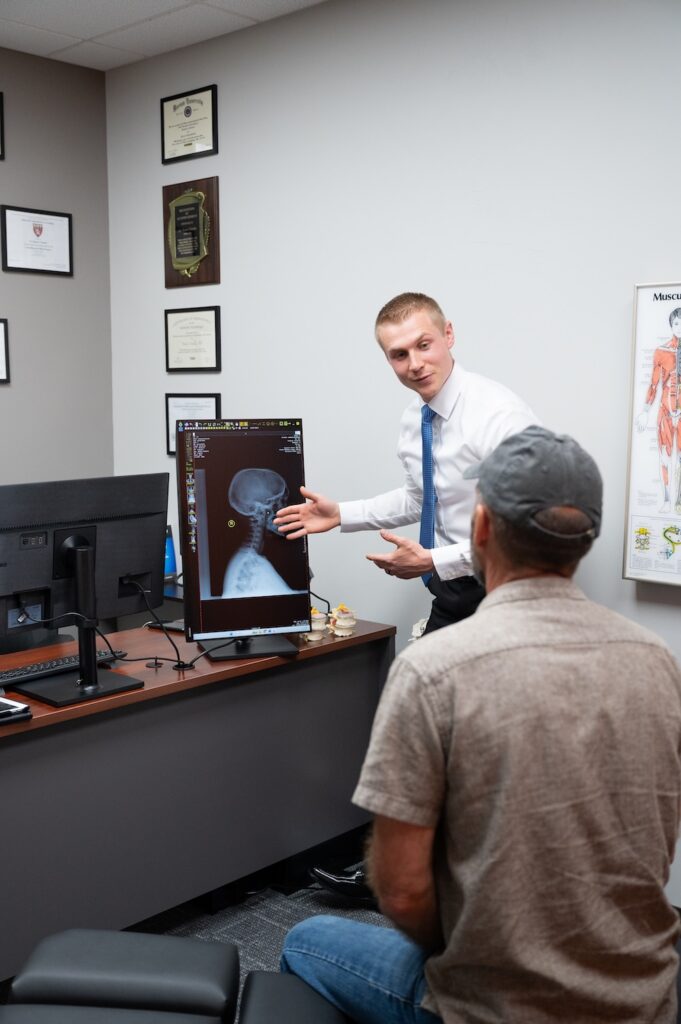
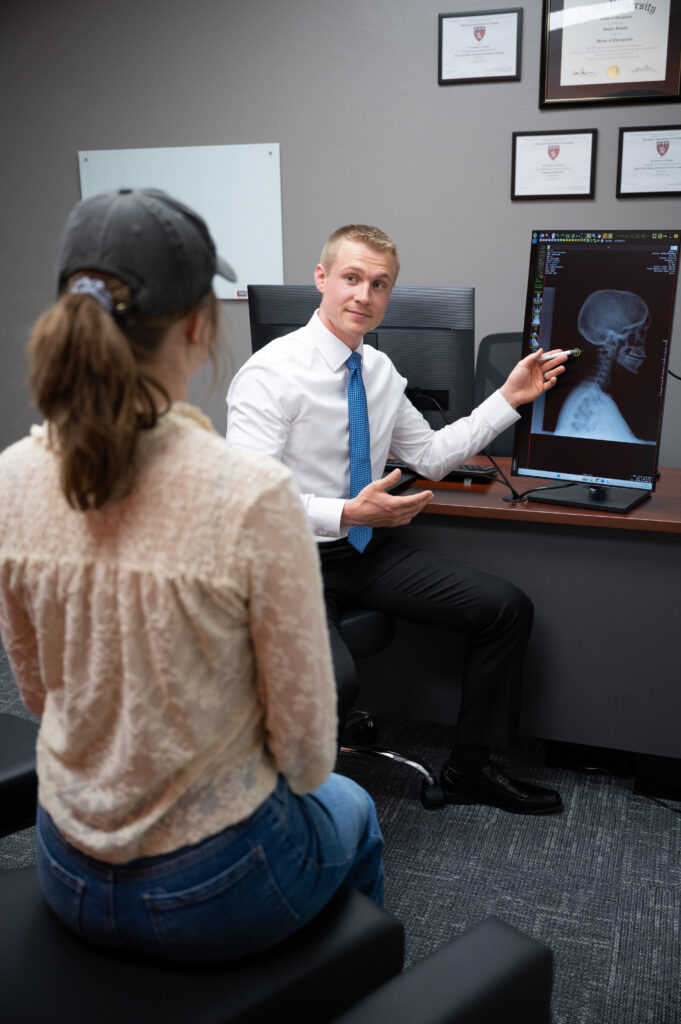
Chiropractic care offers effective solutions for relieving neck pain and improving your overall well-being.
By utilizing various techniques, chiropractors can help restore proper alignment and reduce discomfort.
If you're looking for a natural way to address your neck issues, exploring chiropractic options might be a great choice for you.
Benefits of Chiropractic Care
When it comes to finding relief from neck pain, many people turn to chiropractic care for its proven benefits. This holistic approach focuses on aligning the spine and improving overall body function, which can be particularly effective for neck discomfort.
Here are four key benefits you might experience through chiropractic care:
- Pain Relief: Chiropractic adjustments can help alleviate tension and reduce pain in the neck area, providing immediate relief.
- Improved Mobility: Regular adjustments can enhance your range of motion, making everyday activities easier and more comfortable.
- Better Posture: Chiropractors can identify and correct postural issues, helping you maintain proper alignment and reducing strain on your neck.
- Holistic Approach: Chiropractic care emphasizes treating the root cause of your pain rather than just masking symptoms, promoting long-term wellness.
Techniques for Neck Pain
Numerous techniques are available to help alleviate neck pain through chiropractic care, each tailored to address specific issues.
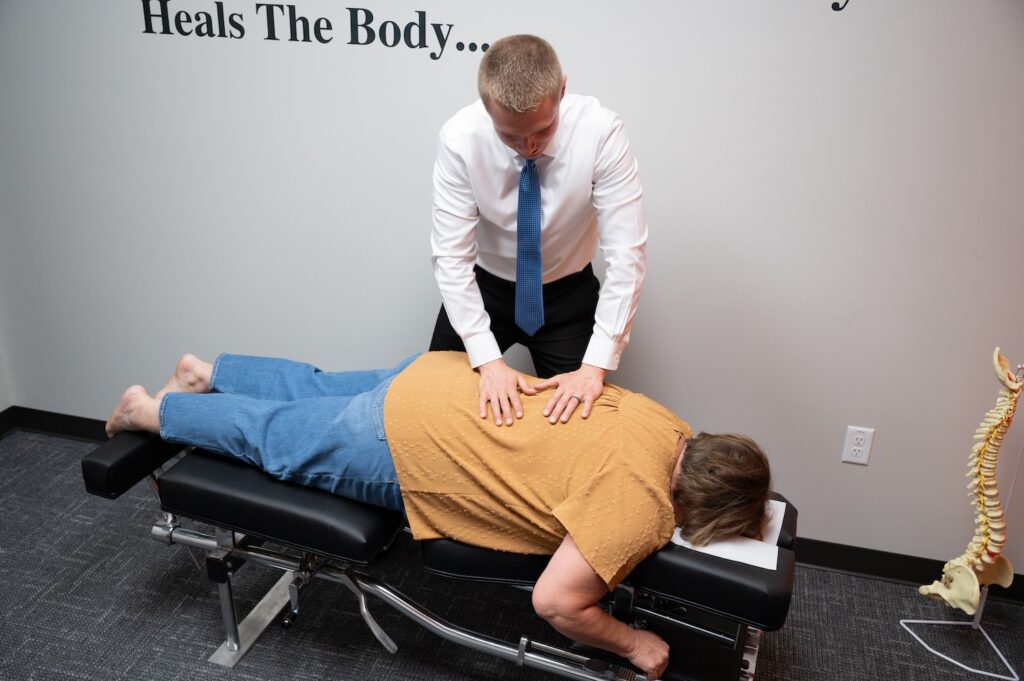
One common method is spinal manipulation, where your chiropractor applies controlled force to realign your spine and improve mobility. This can reduce tension and alleviate discomfort in your neck.
Another effective technique is soft tissue therapy. By targeting the muscles and connective tissues around your neck, your chiropractor can help release tightness and promote better blood flow. This approach often complements spinal adjustments and enhances your overall recovery.
Additionally, your chiropractor may introduce you to stretching and strengthening exercises designed to improve your neck's flexibility and stability. These exercises can empower you to manage pain independently and prevent future issues.
If you're dealing with chronic neck pain, your chiropractor might also recommend modalities like ultrasound or electrical stimulation. These therapies can help reduce inflammation and promote healing in the affected areas.
Physical Therapy Options
Physical therapy options for neck pain relief focus on strengthening and improving flexibility to alleviate discomfort. By working with a qualified physical therapist, you can develop a personalized plan tailored to your needs.
Here are four essential physical therapy options you might consider:
- Strengthening Exercises: These exercises target the neck muscles to enhance support and stability. Your therapist may guide you through specific movements that gradually increase in intensity.
- Stretching Techniques: Stretching helps improve flexibility and reduce muscle tension. You'll learn various stretches that can be performed safely at home to maintain mobility and prevent stiffness.
- Manual Therapy: This hands-on approach involves your therapist using their hands to manipulate the neck and surrounding tissues. It can help relieve pain and improve range of motion by targeting specific areas of tightness.
- Postural Training: Proper posture is vital in preventing neck pain. Your therapist will assess your posture during daily activities and provide strategies to maintain a neutral spine, reducing strain on your neck.
Incorporating these physical therapy options into your routine can lead to significant improvements in your neck pain.
Using a Neck Roll
A neck roll can be a simple yet effective tool for relieving neck pain and tension. This supportive device helps align your spine while providing gentle support to your neck, making it easier to relax tight muscles. You can use a neck roll during sleep or while resting on the floor, offering you comfort in various positions.
To start, find a comfortable spot on the floor or your bed. Place the neck roll under your neck, ensuring it fits snugly but isn't too firm. You should feel a gentle stretch in your neck as the roll supports your natural curvature. If you're using it while sleeping, position it between your neck and the pillow, allowing your head to rest naturally. This alignment can prevent stiffness and promote better sleep quality.
Consider using the neck roll during your daily routine. Whether you're watching TV or reading, having it on your chair can help maintain proper posture. This simple adjustment can prevent tension from building up in your neck and shoulders.
Also, remember to incorporate short breaks into your day to stretch and move around.
Over the course of 30 days, regularly using a neck roll can lead to noticeable improvements in your neck pain. You'll likely find that the tension eases, and your overall comfort increases. With consistency, this small yet powerful tool can provide significant relief in your journey to natural neck pain management.
Foam Roller Techniques
Using a foam roller can be an effective way to alleviate neck pain and tension. This versatile tool can help release tight muscles and improve circulation, leading to relief from discomfort.
Here are four techniques you can try with a foam roller to target neck pain:
- Upper Back Roll: Sit on the floor with the foam roller behind you, positioned at the base of your shoulder blades. Lean back, allowing the roller to move up your upper back. Gently roll side to side for 1-2 minutes to release tension.
- Neck Stretch: Lie down on your back with the foam roller placed horizontally under the base of your skull. Allow your head to relax over the roller, creating a gentle stretch. Hold this position for 30 seconds to deepen the stretch.
- Shoulder Blade Release: Stand or sit and place the foam roller vertically between your shoulder blades. Lean back and let your body weight sink into the roller. Move your arms overhead for a deeper stretch, holding for about 1 minute.
- Side Neck Roll: Position the foam roller on the floor and lie on your side with your neck resting on it. Keep your head relaxed and gently roll from the base of your skull to your shoulder. Perform this on both sides for about 1 minute each.
Incorporating these foam roller techniques into your routine can help you manage and reduce neck pain effectively.
Avoiding Pain Triggers
To effectively manage your neck pain, you need to identify and avoid common pain triggers.
Setting up an ergonomic workspace and practicing stress management techniques can make a significant difference.
Identify Common Pain Triggers
Identifying common pain triggers is essential for managing neck pain effectively, as certain habits and activities can exacerbate discomfort.
By recognizing these triggers, you can take proactive steps to minimize your pain and improve your overall well-being.
Here are four common pain triggers you should be aware of:
1. Poor Posture: Slouching or leaning forward while sitting or standing can strain your neck muscles.
Make a conscious effort to maintain an upright posture.
2. Prolonged Screen Time: Staring at your computer or phone for extended periods can lead to neck stiffness.
Take regular breaks and adjust your screen to eye level to reduce strain.
3. Heavy Lifting: Lifting objects that are too heavy or using improper technique can lead to neck injuries.
Always lift with your legs and keep the load close to your body.
4. Stress: Emotional tension often manifests physically in your neck.
Practice relaxation techniques like deep breathing or yoga to help alleviate stress and its impact on your neck pain.
Ergonomic Workspace Setup
An ergonomic workspace setup is vital for preventing neck pain and enhancing your comfort while working. Start by adjusting your chair so that your feet rest flat on the ground, and your knees are at a 90-degree angle. Your back should be supported by the chair, promoting good posture.
Next, position your computer monitor at eye level. This helps you avoid craning your neck, which can lead to discomfort. If you use a laptop, consider using a stand or an external keyboard and mouse to achieve the right height.
Keep your frequently used items, like your phone or documents, within easy reach to minimize twisting or straining. Use a document holder if you often reference papers while typing.
Your workspace lighting is also important. Make sure it's bright enough to prevent you from leaning forward to see better.
Finally, take regular breaks to stretch and change positions, which can help alleviate tension in your neck. By making these adjustments, you'll create a more comfortable workspace that greatly reduces your risk of neck pain.
Stress Management Techniques
How can managing stress help you avoid neck pain? Stress is a significant contributor to muscle tension, which can lead to discomfort in your neck. By incorporating stress management techniques into your daily routine, you can reduce tension and lower your risk of developing neck pain.
Here are some effective strategies:
- Practice Deep Breathing: Spend a few minutes each day focusing on your breath. Inhale deeply through your nose, hold for a moment, and exhale slowly through your mouth. This can help calm your mind and ease muscle tension.
- Engage in Regular Exercise: Physical activity releases endorphins, which act as natural painkillers. Aim for at least 30 minutes of moderate exercise most days of the week.
- Try Mindfulness Meditation: Set aside time to meditate or practice mindfulness. This can help you stay present and reduce anxiety, which may contribute to neck tension.
- Establish Boundaries: Don't overwhelm yourself with commitments. Learn to say no and prioritize your well-being to minimize stress.
Guided Imagery
In the domain of natural neck pain relief, guided imagery offers a powerful tool to help you relax and alleviate discomfort. This technique involves using your imagination to visualize calming and restorative scenes, which can shift your focus away from pain and tension in your neck. By creating a mental picture of a peaceful environment, like a serene beach or a quiet forest, you can engage your mind in a way that promotes relaxation.
To practice guided imagery, find a comfortable position—whether sitting or lying down. Close your eyes and take a few deep breaths to center yourself. Begin to visualize a place that brings you joy and tranquility. Imagine the sights, sounds, and even scents of this place. As you immerse yourself in the details, allow your body to relax. Picture the tension in your neck melting away, replaced by warmth and comfort.
You might also consider using pre-recorded guided imagery sessions. Many resources are available online or through apps that lead you through the process, making it easier to get started. Regular practice can enhance your ability to manage pain over time, creating a mental refuge you can return to whenever needed.
Incorporating guided imagery into your daily routine—perhaps before bed or during breaks—can foster a deeper sense of relaxation and contribute to your overall neck pain relief journey.
Breathing Exercises
Building on the relaxation techniques like guided imagery, breathing exercises can further enhance your ability to manage neck pain.
These exercises help you focus, reduce tension, and promote relaxation, allowing you to find relief from discomfort. When practiced regularly, you'll notice a significant difference in how you carry stress in your neck and shoulders.
Here are four effective breathing exercises you can incorporate into your routine:
- Diaphragmatic Breathing: Sit or lie down comfortably. Place one hand on your chest and the other on your abdomen. Inhale deeply through your nose, allowing your abdomen to rise while keeping your chest still. Exhale slowly through your mouth, feeling your abdomen fall. Repeat for five minutes.
- 4-7-8 Breathing: Inhale quietly through your nose for a count of 4. Hold your breath for a count of 7. Exhale completely through your mouth for a count of 8. This technique helps calm your nervous system and reduces tension.
- Box Breathing: Inhale for a count of 4, hold your breath for a count of 4, exhale for a count of 4, and then hold again for 4. This method helps center your thoughts and relax your body.
- Alternate Nostril Breathing: Use your thumb to close one nostril. Inhale deeply through the open nostril, then switch and exhale through the other nostril. This technique balances energy and promotes a sense of calm.
Incorporating these breathing exercises into your daily routine can lead to significant neck pain relief.
Journaling for Pain Relief
Finding clarity through journaling can be a powerful tool for managing neck pain. When you put pen to paper, you create a space to explore your thoughts and emotions surrounding your pain. This practice can help you identify triggers and patterns that might contribute to your discomfort. By recognizing these patterns, you can take proactive steps to address them.
Start by setting aside a few minutes each day to reflect on your experiences. Write about what you felt physically and emotionally throughout the day. Were there specific activities that increased your neck pain? Did stress or anxiety play a role? Documenting these insights can help you pinpoint the underlying causes of your discomfort.
Additionally, journaling allows you to track your progress. Note any changes in your pain levels, how different treatments or exercises impact your symptoms, and what coping strategies work best for you. Over time, this record can serve as a valuable resource, providing you with a clearer picture of your journey toward relief.
Don't worry about grammar or structure—just let your thoughts flow. You can also incorporate gratitude journaling, focusing on the positive aspects of your day, which can shift your mindset and promote healing.
Lifestyle Changes
Understanding the connection between your thoughts and physical sensations can lead to important insights about your neck pain. Often, lifestyle choices play a significant role in how you feel. By making a few adjustments, you can create a more supportive environment for your neck and overall well-being.
Here are some lifestyle changes you can implement for natural neck pain relief:
- Improve Your Posture: Make a conscious effort to sit and stand with your shoulders back and your head aligned over your spine. Ergonomic chairs and desks can help maintain good posture during work hours.
- Stay Active: Engage in regular physical activity to strengthen neck and shoulder muscles. Simple exercises like stretching and yoga can promote flexibility and reduce tension.
- Manage Stress: Practice relaxation techniques such as deep breathing, meditation, or mindfulness. Reducing stress can decrease muscle tension and help alleviate your neck pain.
- Limit Screen Time: Taking frequent breaks from screens can prevent strain on your neck. Consider using tools like blue light filters or adjusting your screen height to maintain a neutral neck position.
Tracking Progress
To effectively track your neck pain relief journey, start by maintaining a daily pain journal.
This will help you note any fluctuations in your symptoms and identify patterns.
Additionally, scheduling weekly check-ins can keep you accountable and motivated as you monitor your progress.
Daily Pain Journal
Keeping a daily pain journal can greatly enhance your journey toward natural neck pain relief. By tracking your pain consistently, you can identify patterns and triggers, making it easier to adjust your strategies for relief.
Here's how to get started:
- Record Pain Levels: Note your pain intensity on a scale from 1 to 10. This helps you visualize your progress over time.
- Document Activities: Write down the activities you did each day. This will help you see if certain movements or tasks aggravate your pain.
- Track Remedies Used: List any natural remedies or techniques you tried, such as stretches, heat therapy, or essential oils. This way, you can assess what works best for you.
- Note Emotional State: Include your mood and stress levels, as these can considerably impact your pain. Understanding the connection can guide your approach to relief.
Reviewing your journal regularly allows you to make informed decisions about your pain management. It keeps you accountable and focused on your goal of achieving lasting neck pain relief.
Weekly Progress Check-ins
Your weekly progress check-ins can be an essential part of tracking your neck pain relief journey. By dedicating a specific time each week to assess your progress, you'll gain valuable insights into what's working and what needs adjustment.
Start by reviewing your daily pain journal, noting any patterns or fluctuations in your discomfort levels. This will help you identify triggers and successful relief techniques.
During your check-in, consider how your daily activities, stretches, or treatments have affected your neck pain. Are there particular movements that exacerbate your symptoms? Are the natural remedies you're using providing noticeable relief?
Reflect on your overall well-being, including sleep quality and stress levels, as these factors can greatly impact your pain experience.
Set specific goals for the upcoming week based on your reflections. This could involve trying a new stretching routine, incorporating mindfulness practices, or adjusting your workspace ergonomics.
Building a Support System
A strong support system is essential for managing neck pain effectively. Surrounding yourself with people who understand your challenges can make a significant difference in your recovery journey. Not only can they offer emotional support, but they can also help you stay accountable and motivated.
Here are a few ways to build that support system:
- Connect with Friends and Family: Reach out to those close to you and share your experiences. They can offer encouragement and may even help you with daily tasks that strain your neck.
- Join a Support Group: Look for local or online support groups focused on chronic pain or neck issues. Sharing your experiences with those who understand can provide a sense of community and strength.
- Engage with Professionals: Don't hesitate to involve healthcare providers, such as physical therapists or chiropractors. Their expertise can guide you through exercises and treatments tailored to your needs.
- Stay Active on Social Media: Follow pages or groups dedicated to neck pain relief. Engaging in discussions can give you new insights and tips while also connecting you with others facing similar challenges.
Building your support system isn't just about having people around you; it's about having the right people who uplift and inspire you.
Conclusion
By embracing these natural neck pain relief options over the next 30 days, you can take meaningful steps toward improving your well-being. Focus on maintaining good posture, practicing daily stretches and strengthening exercises, and incorporating mindfulness techniques into your routine. Don't forget to track your progress and lean on your support system for encouragement. With consistent effort, you'll likely find relief and regain control over your neck health, leading to a more comfortable, active life.