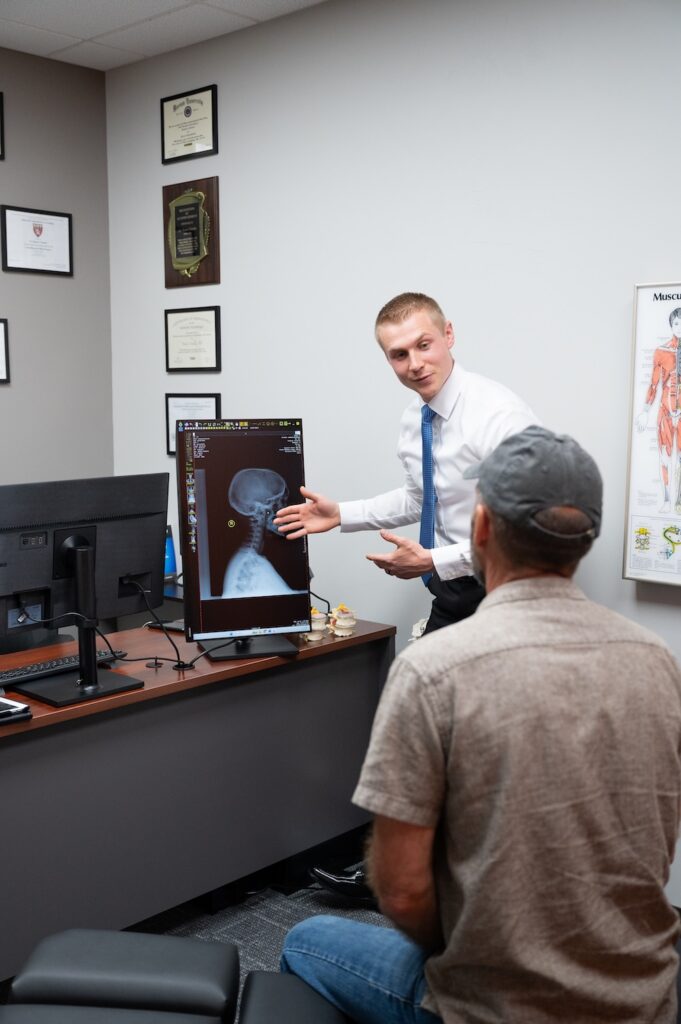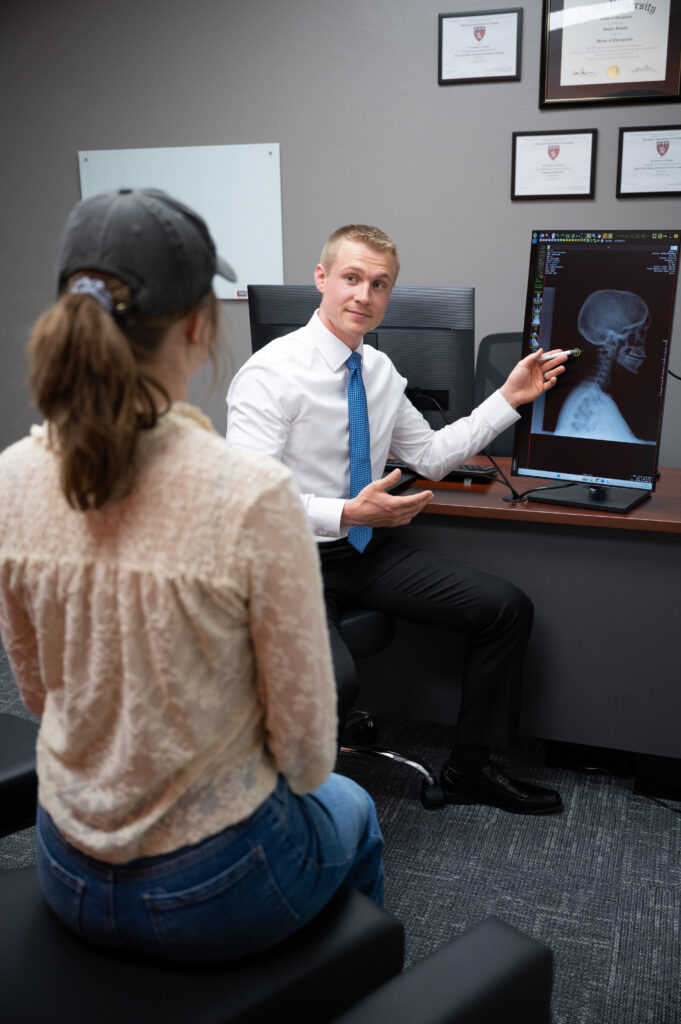

If you’ve been dealing with stiffness discomfort, you’re certainly not alone. Many individuals face this challenge, but the great news is that there are holistic approaches that can help alleviate your discomfort. As a local chiropractor, I want to emphasize the importance of combining spinal health, physical movement, mindfulness, and proper nutrition to improve your overall mobility and well-being.
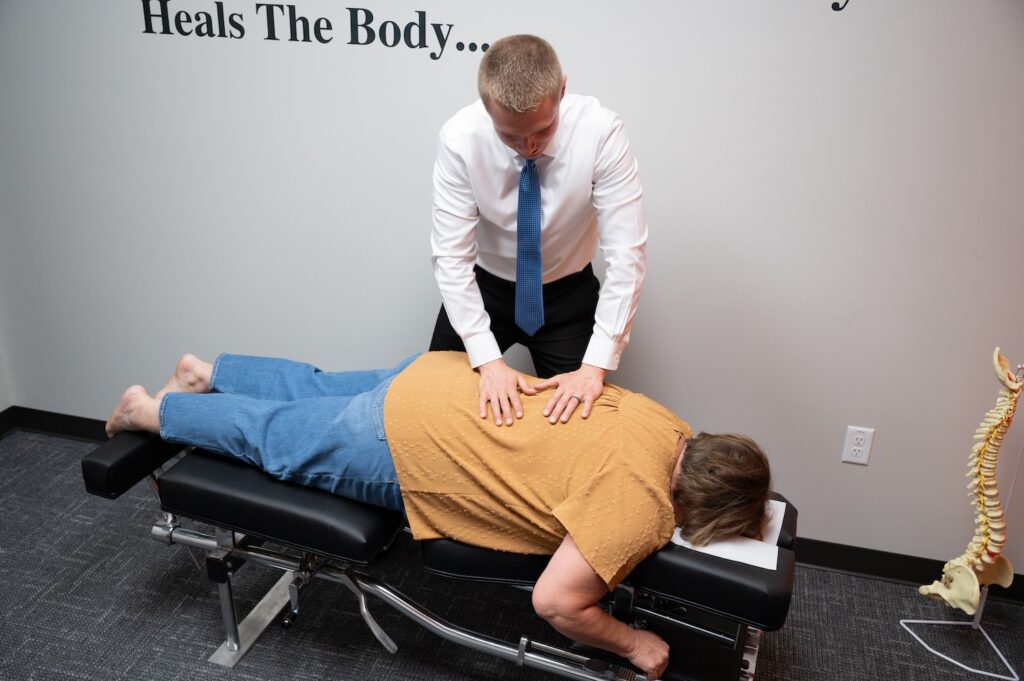
Chiropractic care is a natural and effective way to address stiffness and enhance your health. By focusing on spinal adjustments, we can help restore proper alignment, which can alleviate tension and improve your body’s function. This is essential because a well-aligned spine allows your nervous system to communicate effectively with the rest of your body, promoting healing and reducing discomfort.
In addition to chiropractic adjustments, incorporating physical movement into your daily routine is key. Gentle exercises, stretching, and activities like yoga can enhance your flexibility and help prevent stiffness. Remember to listen to your body and start slow, gradually increasing the intensity of your movements.
Mindfulness practices, such as meditation and deep breathing, can also be beneficial. They help reduce stress, which can contribute to muscle tension and stiffness. Taking a few moments each day to focus on your breath and relax can make a significant difference in how you feel.
Nutrition plays a vital role in your overall health as well. Eating a balanced diet rich in anti-inflammatory foods—like fruits, vegetables, nuts, and whole grains—can support your body’s healing process. Staying hydrated is equally important, as it helps maintain joint lubrication and overall mobility.
So, if you’re curious about how chiropractic care, physical movement, mindfulness, and nutrition can work together to alleviate your discomfort, I encourage you to explore these strategies. By prioritizing your spinal health and incorporating these holistic approaches, you might just find the relief you seek and transform your daily life for the better. Remember, taking small steps toward healthier living can lead to significant improvements in your overall well-being.
Key Takeaways
- To enhance flexibility and effectively reduce muscle stiffness, it’s important to incorporate regular movement into your daily routine. Activities like walking and yoga can be especially beneficial. As a chiropractor, I often recommend these gentle movements as they work hand in hand with chiropractic adjustments to optimize your spinal health.
- Staying hydrated and maintaining proper nutrition are vital components of overall wellness. Focus on including omega-3 fatty acids and antioxidants in your diet, as they are known to support joint health and help reduce inflammation. A balanced diet, complemented by regular chiropractic care, can significantly improve your body’s ability to manage stiffness.
- Practicing mindfulness techniques, such as deep breathing and meditation, can promote relaxation and enhance your awareness of body tension. These techniques work well alongside chiropractic adjustments, helping manage pain more effectively and improving your overall sense of well-being.
- Regular chiropractic adjustments are key to aligning your spine and improving mobility. They can significantly complement other holistic approaches to alleviate stiffness. By ensuring your spine is in proper alignment, you may experience less discomfort and improved movement.
- It’s important to set achievable health goals and adapt your routine as needed. This ensures you continue to make progress in managing stiffness discomfort. Remember, chiropractic care is a natural and effective way to support your journey to optimal health, making it a top choice for those seeking relief from stiffness and pain.
Understanding Stiffness: Causes and Effects
When it comes to dealing with stiffness, understanding its underlying causes and effects is crucial for achieving optimal health and wellness. Stiffness can stem from various factors, such as a sedentary lifestyle, the natural aging process, or even past injuries. When you remain inactive for extended periods, your muscles and joints can become tight and uncomfortable. Conditions like arthritis and fibromyalgia can further contribute to stiffness, making everyday tasks feel more challenging.
The impact of stiffness goes beyond just feeling uncomfortable. It can limit your mobility, hindering your ability to perform daily activities and leading to frustration and a lower quality of life. Additionally, stiffness can contribute to poor posture, which can cause further pain and tension throughout your body.
By recognizing these causes and effects, you’re taking the first step toward managing stiffness effectively. Chiropractic care offers a natural and holistic approach to combatting stiffness and enhancing your overall wellness. Regular chiropractic adjustments can help restore proper alignment, improve mobility, and reduce discomfort, allowing you to move freely and enjoy life to the fullest.
Here are some general tips to help you manage stiffness and promote a healthier lifestyle:
- Stay Active: Incorporate regular movement into your daily routine. Simple activities like walking, stretching, or yoga can keep your muscles and joints flexible.
- Practice Good Posture: Be mindful of your posture throughout the day, especially if you sit for long periods. This can help alleviate tension and prevent stiffness from developing.
- Stay Hydrated: Drinking plenty of water is essential for maintaining joint health and reducing stiffness.
- Warm-Up Before Exercise: Always take the time to warm up your muscles before engaging in physical activity, as this can help reduce the risk of injury and stiffness.
- Consider Chiropractic Care: Regular visits to a chiropractor can help address stiffness effectively. They can provide personalized adjustments and advice tailored to your needs, helping you regain flexibility and energy naturally.
The Role of Yoga in Enhancing Flexibility
Yoga is a wonderful practice that can greatly enhance your flexibility and reduce stiffness, which is essential for maintaining a healthy spine. As a chiropractor, I believe that incorporating yoga into your wellness routine, along with regular chiropractic care, can lead to optimal health.
By practicing key yoga poses, you can improve your range of motion, which helps in reducing pain and discomfort in your body. Moreover, yoga encourages mindfulness, allowing you to connect with your body and understand its needs. This awareness can be beneficial in identifying areas of tension that may require chiropractic attention.
Here are some tips to support your flexibility journey:
- Start Slow: If you’re new to yoga, begin with simple poses that target flexibility, like cat-cow stretches or gentle forward bends. These can help warm up your muscles and prepare them for deeper stretches.
- Focus on Alignment: Proper alignment is crucial in both yoga and chiropractic care. Pay attention to how your body feels in each pose and adjust as necessary to avoid strain.
- Breathe Deeply: Incorporate deep breathing into your yoga practice. This can help relax your muscles and enhance the effectiveness of each stretch.
- Regular Chiropractic Adjustments: Regular visits to your chiropractor can help ensure that your spine is properly aligned, which can improve your overall flexibility and reduce stiffness.
- Consistency is Key: Make yoga a regular part of your routine. Even a few minutes each day can make a significant difference over time.
By combining the benefits of yoga with chiropractic care, you can achieve a healthier, more flexible body.
Benefits of Yoga Practice
A regular yoga practice can significantly enhance your flexibility and ease stiffness in your body, which is essential for maintaining a healthy spine. By incorporating various poses and movements, you can gradually increase your range of motion. Not only does yoga stretch your muscles, but it also calms your mind, promoting relaxation and reducing tension. This holistic approach allows you to connect with your body, ultimately improving overall wellness and spinal health.
| Benefit | Description |
|---|---|
| Increased Flexibility | Regular practice stretches muscles deeply, aiding spinal alignment. |
| Reduced Muscle Tension | Releases tightness, which can alleviate back pain and enhance relaxation. |
| Improved Posture | Strengthens your core, supporting proper spinal alignment. |
| Mind-Body Connection | Encourages mindfulness, helping reduce stress that can lead to tension in the spine. |
Yoga can be a wonderful complement to chiropractic care, which focuses on natural healing and optimal health. By integrating yoga into your routine, you can enhance your chiropractic treatments, allowing for better pain relief and improved mobility.
Here are some general tips to incorporate yoga into your wellness journey:
- Start Simple: Begin with basic poses to avoid straining your body. Gradually increase the complexity as your flexibility improves.
- Listen to Your Body: Pay attention to how your body feels during each pose. If something doesn’t feel right, stop and adjust your practice.
- Focus on Breathing: Deep, mindful breathing not only enhances your yoga practice but also helps reduce stress.
- Consistency is Key: Aim for regular sessions, even if they are short, to reap the full benefits over time.
Embrace yoga as a valuable tool for enhancing your flexibility and overall health, while also considering chiropractic care for optimal pain relief and wellness. Together, they can help you achieve a healthier, more balanced life.
Key Poses for Flexibility
Incorporating specific yoga poses into your routine can greatly enhance your flexibility, promoting natural movement and reducing discomfort in daily activities. As a chiropractor, I emphasize the importance of maintaining a flexible spine and healthy joints for overall wellness.
Start with Downward Dog; this pose stretches your hamstrings and calves while strengthening your arms and shoulders. It’s an excellent way to release tension in your back, which can help alleviate pain and improve posture.
Next, try the Cobra pose. This movement opens up your chest and spine, reinforcing spinal alignment and enhancing your overall posture, which is crucial for spinal health.
The Butterfly pose is another great option, targeting your inner thighs and hips. This pose encourages better mobility and can help prevent injuries, especially in the hips and lower back.
Additionally, consider the Lizard pose, which deepens your hip flexibility. Improved hip mobility can significantly impact your overall movement and reduce strain on your spine.
Finally, don’t overlook the Child’s pose. This gentle stretch for your back and hips not only promotes relaxation but also helps to relieve tension accumulated throughout the day.
Remember to practice these poses regularly. By doing so, you’ll notice increased flexibility and mobility, leading to greater ease in your everyday life.
And don’t forget, alongside your yoga practice, regular chiropractic adjustments can help maintain optimal spinal health and enhance your body’s natural healing abilities. Embrace these natural methods for wellness and experience the benefits of a pain-free lifestyle!
Incorporating Mindfulness Techniques
While you practice yoga to enhance flexibility, integrating mindfulness techniques can’t only deepen your experience but also support your spine’s health and overall well-being.
By focusing your mind and being present, you can notice greater improvements in your body, especially when it comes to spinal alignment and function.
Here are four mindfulness techniques to incorporate during your yoga sessions, which can also complement your chiropractic care:
- Breath Awareness: Focus on your breath as it guides your movements. A steady breathing pattern promotes relaxation and helps maintain proper posture, which is essential for spinal health.
- Body Scan: Take a moment to check in with each part of your body, especially your spine. Notice any areas of tension, and consciously work on relaxing those muscles. This practice can help you become more aware of how your body feels and can enhance the effects of chiropractic adjustments.
- Visualization: Imagine your spine aligning and your muscles loosening as you move through your poses. Visualizing a healthy spine can reinforce your commitment to maintaining spinal health and complement the benefits of chiropractic care.
- Gratitude: Cultivate an appreciation for your body’s abilities, including its capacity for healing. A positive mindset can boost your overall wellness and make you more receptive to the benefits of chiropractic treatments.
By embracing these mindfulness techniques, you can create a more fulfilling yoga experience that supports your journey toward optimal health.
Massage Therapy: Techniques for Relief
Massage therapy can be a wonderful complement to chiropractic care, offering techniques that relieve stiffness and promote relaxation. However, it’s essential to understand that chiropractic adjustments are often the most effective way to address the root causes of discomfort and enhance overall well-being.
When experiencing tension, consider the benefits of a gentle Swedish massage to help increase circulation and ease tight muscles. This type of massage employs long, flowing strokes that can help you feel relaxed. For deeper relief, deep tissue techniques can be beneficial as they focus on the deeper layers of muscle and connective tissue, breaking up adhesions.
In addition, trigger point therapy, which involves applying pressure to specific points, can alleviate tension and discomfort. However, while these techniques are helpful, they should be seen as complementary to the spinal adjustments provided by chiropractic care, which aim to restore proper alignment and function to your body.
Self-massage tools like foam rollers or massage balls can also be useful in targeting hard-to-reach areas. These tools can help you maintain mobility and manage discomfort between chiropractic visits.
Incorporating chiropractic care into your routine can significantly enhance your journey toward optimal health. Regular adjustments can help keep stiffness at bay, improve your range of motion, and contribute to your overall vitality.
Always listen to your body, communicate openly with your chiropractor about your concerns, and remember that adjustments can be tailored to your specific needs. By prioritizing chiropractic care, you’ll find greater comfort and flexibility in your daily activities, leading to a healthier, more vibrant life.
Nutrition and Its Impact on Joint Health
Nutrition is vital for maintaining joint health, and the food you choose can significantly impact your body’s function and comfort. As a chiropractor, I believe that promoting joint health through proper nutrition and lifestyle choices can enhance your overall wellness and support the benefits of chiropractic care.
Here are four important nutrients to consider for keeping your joints happy and mobile:
- Omega-3 Fatty Acids: These healthy fats, found in fatty fish like salmon, walnuts, and flaxseeds, are known for their ability to reduce inflammation. Incorporating these foods into your diet can help ease joint discomfort and complement the pain relief you may experience from chiropractic adjustments.
- Antioxidants: Foods rich in vitamins C and E, such as berries, spinach, and nuts, can help fight oxidative stress that affects your joints. Eating a variety of colorful fruits and vegetables not only nourishes your body but also supports your chiropractic care by promoting overall health.
- Vitamin D: This vitamin is essential for calcium absorption, which is crucial for maintaining strong bones and joints. You can obtain vitamin D from sunlight, fortified foods, and certain supplements. Ensuring you have adequate levels of vitamin D can enhance the effectiveness of your chiropractic treatments.
- Collagen: This important protein helps maintain the structure of your joints. You can boost your collagen intake by consuming bone broth or high-quality collagen supplements. By supporting your joint tissues, collagen can work hand-in-hand with chiropractic care to enhance mobility and reduce discomfort.
In addition to these nutrients, here are some general tips to keep your joints healthy:
- Stay active with low-impact exercises like swimming or walking, which can help maintain joint strength and flexibility.
- Maintain a healthy weight, as excess weight puts additional stress on your joints.
- Stay hydrated by drinking plenty of water, as proper hydration supports joint lubrication.
By focusing on these dietary choices and lifestyle habits, you can promote joint health and complement the benefits of chiropractic care for optimal health and wellness.
Mindfulness Practices for Pain Management
Incorporating mindfulness practices into your daily routine can significantly enhance your ability to manage pain effectively, particularly when paired with chiropractic care. By focusing on the present moment, you can reduce anxiety and stress, which often make discomfort feel worse. Techniques like deep breathing, meditation, and gentle yoga complement the benefits of chiropractic adjustments by fostering a sense of calm and awareness, allowing you to respond to pain in a more positive way.
Here’s how mindfulness can impact your experience alongside chiropractic care:
| Mindfulness Practice | Emotional Impact |
|---|---|
| Deep Breathing | Instills calmness and promotes relaxation |
| Meditation | Promotes clarity, helping you understand your pain better |
| Guided Imagery | Encourages relaxation and can enhance the effects of chiropractic adjustments |
| Gentle Movement | Enhances body awareness, allowing you to recognize areas that may need chiropractic attention |
| Gratitude Journaling | Shifts focus to positivity, fostering a healthier mindset |
Embracing these mindfulness practices empowers you to take charge of your pain management journey. By integrating these techniques with your chiropractic care, you’ll likely discover a greater sense of control and comfort in your body. Remember, chiropractic care is a natural and effective way to relieve pain and promote overall wellness, helping you achieve optimal health.
Here are some simple tips to incorporate mindfulness into your daily routine:
- Start your day with deep breathing: Take a few minutes each morning to practice deep breathing. Inhale deeply through your nose, hold for a moment, and exhale slowly through your mouth. This can set a calm tone for the day.
- Set aside time for meditation: Even just five minutes can make a difference. Find a quiet space, close your eyes, and focus on your breath. Allow thoughts to come and go without judgment.
- Practice gentle movement: Incorporate light stretching or yoga into your day. This not only helps your body stay limber but also enhances your awareness of how your body feels.
- Keep a gratitude journal: Write down three things you are thankful for each day. This simple practice can shift your mindset and help you focus on the positives in your life.
- Visit your chiropractor regularly: Regular adjustments can help align your spine and improve your overall well-being, working harmoniously with mindfulness practices for the best pain management results.
Creating a Personalized Holistic Routine
Creating a personalized holistic routine may seem overwhelming at first, but it can be an incredibly rewarding journey that caters to your individual needs and lifestyle. As a chiropractor, I believe that a well-rounded approach to health and wellness, particularly through chiropractic care, can help you achieve optimal pain relief and overall well-being.
To develop a routine that truly benefits you, consider these essential steps:
- Assess Your Needs: Start by identifying the specific areas of stiffness and discomfort you experience. Understanding where you feel tension or pain can help guide your focus toward effective solutions.
- Explore Techniques: Look into various holistic practices that complement chiropractic care, such as gentle stretching, relaxation techniques, and mindful breathing exercises. These practices can enhance your chiropractic treatments and contribute to a more balanced approach to health.
- Set Goals: Establish clear and achievable goals for your routine. Whether it’s incorporating daily stretches to improve flexibility or scheduling regular chiropractic visits for spinal adjustments, having specific objectives can help you stay motivated and on track.
- Stay Flexible: Remember that your routine should evolve as your body does. Be open to making adjustments based on your progress and any changes in your comfort levels. If you find a particular technique isn’t working for you, don’t hesitate to explore new options.
Incorporating chiropractic care into your holistic routine can provide significant benefits for pain relief and natural wellness. Regular adjustments can help align your spine, improve mobility, and support your body’s innate healing abilities.
Conclusion
By embracing holistic approaches alongside chiropractic care, you can effectively alleviate stiffness discomfort and enhance your overall well-being. Chiropractic adjustments play a crucial role in promoting alignment and mobility, which can significantly reduce stiffness and tension in your body.
Incorporating practices such as yoga and gentle stretching into your routine can complement your chiropractic visits, helping to improve flexibility and enhance the benefits of your adjustments. Massage therapy can also be a wonderful addition, as it helps to release tight muscles and improve circulation, further supporting your spinal health.
Mindful practices, like deep breathing and meditation, are excellent for reducing stress, which can often contribute to physical tension. Pairing these practices with a nutritious diet rich in anti-inflammatory foods can help your body heal naturally and maintain optimal function.
It’s essential to remember that each person’s journey to relief is unique, so tailor your practices to fit your individual needs. With consistency and patience, you’ll likely experience greater flexibility, reduced tension, and a more vibrant, pain-free life.
Chiropractic care should be your first choice for pain relief and natural wellness, guiding you toward a healthier lifestyle. Start your journey to relief today by scheduling an appointment and discussing a personalized care plan that works best for you!