
You've probably felt the weight of lower back pain, and it can be an intimidating experience. As you navigate through various treatments and lifestyle changes, you might find yourself questioning what truly works. I've faced those same uncertainties, exploring everything from physical therapy to holistic methods. Each step revealed new insights that not only eased my discomfort but also shifted my perspective on pain and healing. So, what if I told you that the journey to relief involves more than just physical remedies? Let's explore how a holistic approach can reshape your experience.
Understanding Lower Back Pain
Lower back pain can feel like a heavy burden, affecting your daily life and activities. You might find it hard to stand up straight, sit for long periods, or even perform simple tasks like bending down to tie your shoes. Understanding the underlying causes of your pain is vital in finding effective relief.
There are several factors that can contribute to lower back pain, including muscle strain, herniated discs, and degenerative conditions. You may have strained a muscle from lifting something heavy or overexerting yourself during exercise.
A herniated disc occurs when the soft tissue between the vertebrae slips out of place, putting pressure on nerves and causing discomfort. Degenerative conditions, like arthritis or spinal stenosis, develop over time and can lead to chronic pain.
Your posture also plays a significant role in your back health. Poor posture while sitting or standing can lead to muscle imbalances and additional strain on your lower back. If you're spending long hours at a desk, it's important to maintain a neutral spine and take regular breaks to stretch.
Additionally, stress can manifest physically, causing muscle tension in your lower back. Identifying and addressing the stressors in your life can help alleviate some of the pain you're experiencing.
My Initial Struggles
You might find that daily pain challenges can make even the simplest tasks feel overwhelming.
This constant discomfort can limit your mobility, making it hard to enjoy activities you once loved.
The emotional toll of living with persistent pain can weigh heavily, leaving you feeling frustrated and isolated.
Daily Pain Challenges
Often, the struggle with daily pain feels overwhelming and relentless. You wake up each morning, hoping for relief, only to be greeted by the same nagging discomfort. Simple tasks, like getting out of bed or tying your shoes, become monumental challenges. You can't help but feel frustrated as you navigate through the day, trying to manage your responsibilities while battling the constant ache in your lower back.
Every movement seems to trigger that familiar twinge, making you second-guess your actions. You might find yourself avoiding activities you once enjoyed, fearing the pain that follows. You start to notice how the discomfort seeps into your mood, affecting your energy levels and motivation. It's hard to focus on anything else when your body feels like it's betraying you.
Friends and family may not fully understand what you're going through, leaving you feeling isolated in your struggle. You yearn for the days when pain didn't dictate your life. Each day presents its own set of challenges, making it difficult to maintain a sense of normalcy.
But recognizing these daily pain challenges is the first step toward finding the relief you desperately seek.
Impact on Mobility
Struggling with mobility becomes evident when simple movements turn into challenging tasks. You might find it hard to bend down to tie your shoes or even get in and out of a chair. Everyday activities, like walking or picking up grocery bags, can feel overwhelming. Each step can be accompanied by a sharp twinge or a dull ache, making you second-guess your every move.
You may notice that your once effortless routines now take extra effort and time. Getting out of bed in the morning could become a slow, deliberate process, as you navigate the pain that grips your lower back.
Activities you used to enjoy, like playing with your kids or going for a walk, might suddenly seem intimidating. You may even start avoiding certain movements altogether, which only exacerbates your mobility issues.
This newfound struggle with mobility can limit your independence and affect your daily life. You're constantly aware of your body, and that awareness can sometimes feel like a burden.
As you grapple with these challenges, it's essential to understand that changes in mobility are common during this journey. Recognizing this can be the first step toward finding effective relief.
Emotional Toll Experienced
Many individuals experience a profound emotional toll when dealing with lower back pain, especially in the early stages of their journey. You might feel overwhelmed by frustration and fear, as the pain disrupts your daily life and activities. It's not just about physical discomfort; the emotional weight can be just as crippling.
You may find yourself feeling isolated, struggling to keep up with friends or family, and questioning your self-worth. Anxiety often creeps in, making you worry about the future and whether you'll ever find relief. You might've sleepless nights, your mind racing with thoughts about your condition and its impact on your life.
Each day could feel like a battle, sapping your motivation and joy. You may notice mood swings and irritability as you grapple with the constant pain. Recognizing these emotional struggles is the first step toward healing.
It's important to acknowledge how lower back pain affects not just your body but your mind and spirit too. Seeking support, whether through friends, family, or professionals, can help you navigate these turbulent feelings. You're not alone in this journey, and understanding the emotional toll is vital for your path to recovery.
Exploring Conventional Treatments
When it comes to relieving lower back pain, conventional treatments offer a range of options designed to address your discomfort effectively. You might start with over-the-counter pain relievers like ibuprofen or acetaminophen, which can help reduce inflammation and alleviate pain. If these don't provide sufficient relief, your doctor may prescribe stronger medications, such as muscle relaxants or opioids, but these come with potential side effects and risks.
Physical therapy is another common approach. A skilled therapist can guide you through exercises tailored to strengthen your back muscles and improve flexibility, which might help prevent future issues. You'll likely find that a combination of stretching and strengthening exercises plays a vital role in your recovery.
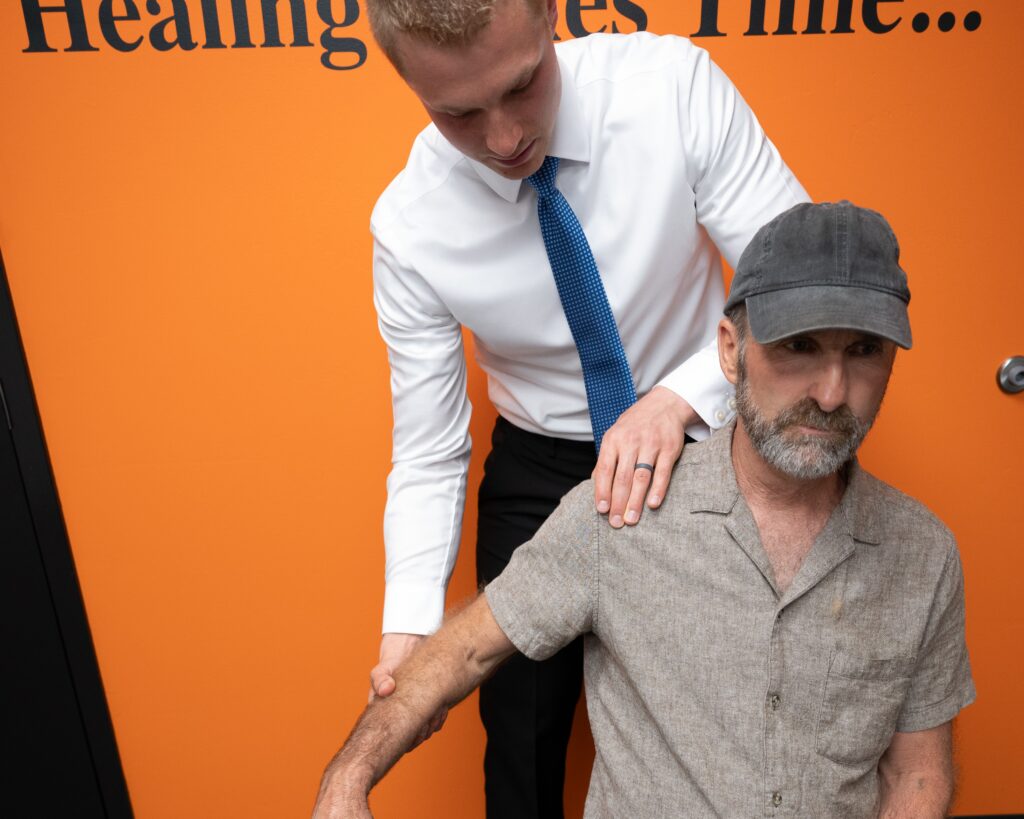
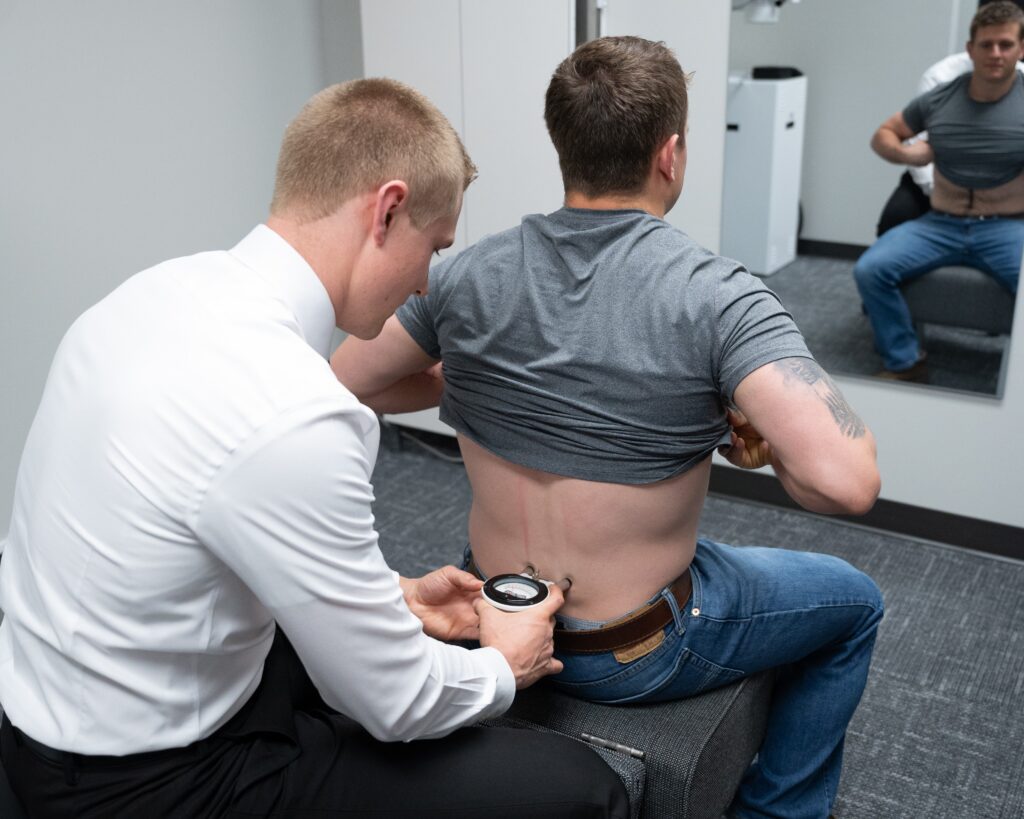
In some cases, your doctor may recommend chiropractic adjustments. These hands-on techniques aim to realign your spine and alleviate pressure on nerves, potentially providing you with quick relief. Just be sure to choose a licensed professional with a good reputation.
If your pain persists, your healthcare provider might suggest more invasive options, such as corticosteroid injections. These injections can reduce inflammation directly in the affected area, giving you a temporary reprieve from pain while you continue other therapies.
Ultimately, exploring conventional treatments can lead you toward relief. It's important to work closely with your healthcare team to find the right combination of therapies tailored to your specific needs, allowing you to regain your quality of life and enjoy daily activities without discomfort.
Discovering Holistic Approaches
When it comes to easing lower back pain, holistic approaches can make a big difference.
You might find that mindfulness and meditation techniques help you manage stress, while exploring natural remedies offers additional relief.
Plus, incorporating physical therapy can strengthen your back and improve mobility, giving you a more well-rounded path to recovery.
Mindfulness and Meditation Techniques
Mindfulness and meditation techniques offer powerful tools for managing lower back pain, helping you connect with your body and reduce stress. By practicing mindfulness, you can learn to focus on the present moment, which allows you to observe your pain without judgment. This awareness can create a sense of distance from discomfort, making it easier to cope.
Start by setting aside a few minutes each day for meditation. Find a quiet space, sit comfortably, and close your eyes. Focus on your breath, inhaling deeply and exhaling slowly. As thoughts or sensations arise, acknowledge them without getting caught up, gently returning your focus to your breath. This practice not only calms your mind but also helps you become more attuned to your physical sensations.
Incorporating body scans into your routine can also be beneficial. Lie down comfortably and mentally scan your body from head to toe, noticing areas of tension or discomfort. Acknowledge these sensations, then consciously relax those areas as you breathe.
Regularly practicing mindfulness and meditation can foster a deeper understanding of your body, promote relaxation, and ultimately assist in managing your lower back pain more effectively.
Natural Remedies Exploration
Exploring natural remedies can provide you with effective, holistic approaches to alleviate lower back pain. One of the first things you might consider is incorporating essential oils into your routine. Oils like lavender and peppermint can offer soothing effects when massaged into your lower back or used in a warm bath.
Another option is to explore herbal supplements, such as turmeric or ginger, known for their anti-inflammatory properties. These can help reduce pain and swelling when taken consistently.
Additionally, you could try heat therapy. Applying a heating pad or hot water bottle can help relax tense muscles and improve blood flow, offering immediate relief.
Don't underestimate the power of stretching. Gentle yoga poses can increase flexibility and strengthen your core, which supports your back.
Lastly, consider adjusting your diet. Foods rich in omega-3 fatty acids, like salmon and walnuts, can reduce inflammation.
By incorporating these natural remedies into your daily life, you're taking proactive steps toward healing and managing your lower back pain holistically.
Physical Therapy Benefits
Incorporating physical therapy into your approach can greatly enhance your efforts in managing lower back pain. Physical therapy focuses on targeted exercises that strengthen your core and improve flexibility, directly addressing the factors contributing to your discomfort. By working with a knowledgeable therapist, you'll receive a personalized plan tailored to your specific needs.
One of the key benefits of physical therapy is its emphasis on education. You'll learn about proper body mechanics and posture, which can help you avoid future injuries. This knowledge empowers you to take control of your health, making you less reliant on medications or invasive procedures.
Additionally, physical therapy often employs hands-on techniques, such as manual therapy, to alleviate pain and improve mobility. These techniques can enhance blood flow to the affected area, promoting healing.
Regular sessions also provide a structured environment to track your progress, ensuring that you stay motivated and accountable. As you gain strength and confidence, you may notice a significant reduction in pain and an improvement in your overall quality of life.
Embrace this holistic approach, and you'll likely find the relief you've been searching for.
The Role of Exercise
Exercise plays an essential role in alleviating lower back pain and enhancing overall spinal health. When you engage in regular physical activity, you strengthen the muscles that support your spine, improve flexibility, and promote better posture. This combination can greatly reduce the strain on your lower back.
Start with low-impact exercises like walking or swimming. These activities help you maintain cardiovascular fitness without putting excessive pressure on your spine. As you grow more comfortable, consider incorporating core-strengthening exercises. A strong core stabilizes your pelvis and spine, which is important for preventing and alleviating pain. Planks and bridges are excellent options to build this strength.
Stretching is another important component. Incorporate gentle stretches, targeting the lower back, hips, and hamstrings. Tight muscles can contribute to discomfort, and stretching can help alleviate that tension. Yoga or Pilates can also be beneficial as they focus on flexibility and core strength while promoting mindfulness in movement.
Listen to your body. If an exercise exacerbates your pain, it's important to stop and reassess. Gradually increase the intensity and duration of your workouts as your body allows. Consistency is key; aim for at least 30 minutes of exercise most days of the week.
Incorporating these practices into your routine not only helps manage pain but also enhances your overall quality of life. You'll likely find that the more you move, the better your back feels. Embrace this journey, and your back will thank you.
Mindfulness and Mental Health
While physical activity is essential for managing lower back pain, mental health also plays a significant role in your overall well-being. When you're dealing with chronic pain, stress and anxiety can easily creep in, creating a cycle that exacerbates your discomfort. That's where mindfulness comes in. By practicing mindfulness, you can cultivate a greater awareness of your thoughts and feelings, allowing you to respond to pain in a more constructive way.
Start by incorporating mindfulness techniques into your daily routine. Simple practices like deep breathing, meditation, or guided imagery can help you ground yourself in the present moment. When you focus on your breath or visualize a peaceful scene, you can reduce the emotional impact of your pain and shift your perspective. This shift can enhance your resilience and make daily challenges feel more manageable.
You might also find that journaling helps you process your thoughts and emotions. Writing about your pain experience can provide clarity and serve as an outlet for frustration. Remember, it's okay to feel overwhelmed sometimes—acknowledging your feelings can be empowering.
Additionally, don't underestimate the power of social connections. Sharing your journey with supportive friends or joining a community can foster a sense of belonging and reduce feelings of isolation.
Lifestyle Changes for Relief
Making small lifestyle changes can noticeably impact your lower back pain relief. One of the first adjustments you should consider is your posture. Pay attention to how you sit, stand, and move throughout the day. Using ergonomic furniture can help maintain a neutral spine alignment, which reduces strain on your back. When sitting, keep your feet flat on the floor and your back supported.
Incorporating regular exercise into your routine is another vital step. Focus on low-impact activities that strengthen your core and improve flexibility, such as swimming, walking, or yoga. These exercises help support your spine and can alleviate tension in your lower back.
Additionally, evaluate your sleeping habits. Verify you're using a supportive mattress and maintain a sleep position that keeps your spine aligned. It might help to sleep on your side with a pillow between your knees, which can reduce pressure on your back.
Watch your weight, too. Maintaining a healthy weight reduces the load on your spine, which can greatly decrease pain. Pair a balanced diet with your exercise routine to support weight management.
Finally, consider reducing stress in your life. Chronic stress can lead to muscle tension, which exacerbates back pain. Engage in relaxation techniques, like deep breathing or meditation, to help manage stress levels effectively.
Celebrating Progress and Healing
Recognizing the small victories in your journey toward lower back pain relief can greatly boost your motivation and overall well-being. Each time you manage to bend down without discomfort or complete a daily task that once seemed intimidating, you're taking a step forward. Celebrate these moments! They're proof that your efforts are paying off and that healing is indeed possible.
Keep a journal to track these achievements. Write down the days you feel stronger, the activities you can do with ease, and the pain-free hours you experience. This tangible record will serve as a reminder of how far you've come, especially during tougher days when progress feels slow.
Don't forget to reward yourself for your hard work. Whether it's treating yourself to a favorite meal, enjoying a relaxing bath, or spending time with loved ones, acknowledging your progress can reinforce positive feelings. Surround yourself with supportive people who understand your journey; they can help you celebrate milestones, big or small.
Visualize your future, too. Imagine a life where you can move freely, engage in physical activities you love, and feel confident in your body. This vision will keep you focused and inspired on days when motivation wanes.
Ultimately, celebrating progress isn't just about the physical changes; it's also about nurturing your mental and emotional health. Each victory, no matter how small, deserves recognition.
Conclusion
In your journey to heal lower back pain, remember that every small victory counts. Embrace the progress you've made and stay committed to the practices that work for you. Celebrate your strength, whether it's mastering a new yoga pose or simply enjoying pain-free days. By combining conventional treatments, holistic approaches, and lifestyle changes, you can reclaim your joy and well-being. Keep pushing forward—you've got the power to transform your life and find lasting relief.