
When you face a sports injury, understanding the range of treatment options available can be essential for your recovery. You might start with basic strategies like the R.I.C.E. method, but as the severity of the injury becomes clearer, you'll want to take into account professional advice and tailored therapies. Physical therapy could play a significant role in your healing, while alternative treatments may offer unexpected benefits. But the question remains: what's the best approach for your specific situation, and how can you guarantee a full return to your sport?
Common Types of Sports Injuries
When it comes to sports injuries, understanding the common types can help you recognize and address issues early.
Whether you're an amateur athlete or a seasoned pro, knowing the signs of these injuries can save you time and pain.
One of the most prevalent types is a sprain, which occurs when ligaments stretch or tear. You might experience swelling, bruising, and difficulty moving the affected joint. If you've ever twisted your ankle, you've likely dealt with a sprain.
Another common injury is a strain, involving muscles or tendons. Strains often happen when you overexert yourself or improperly warm-up. Symptoms can include muscle spasms, pain, and swelling. If you feel a sudden pull or tear while exercising, you might be dealing with a strain.
Fractures are also a concern, particularly in high-impact sports. They can range from stress fractures—small cracks in the bone—to complete breaks. If you hear a popping sound or experience severe pain, it's essential to seek medical attention.
Tendinitis, or inflammation of the tendons, can develop from repetitive motions. It's common in sports that involve overhead activities, like swimming or tennis. Symptoms often include tenderness and stiffness in the affected area.
Lastly, concussions are serious head injuries that can occur from falls or direct blows. They require immediate attention and care.
Initial Treatment Strategies
Immediate care is essential for managing sports injuries effectively. The first step you should take after sustaining an injury is to assess the situation. Determine the severity of the injury and whether you can move the affected area. If you experience severe pain, swelling, or inability to bear weight, seek professional medical help right away.
For minor injuries, you can follow the R.I.C.E. method: Rest, Ice, Compression, and Elevation. Start by resting the injured area to prevent further damage. Avoid putting weight on it, and give yourself time to heal.
Next, apply ice to reduce swelling and numb the pain. Use an ice pack for about 15-20 minutes every hour, ensuring you wrap it in a cloth to protect your skin.
Compression is the next step. Use an elastic bandage or compression wrap to help minimize swelling. Make sure it's snug but not too tight to cut off circulation.
Finally, elevate the injured area above heart level to help reduce swelling. Prop it up with pillows or cushions when resting.
In addition to R.I.C.E., over-the-counter pain relievers like ibuprofen or acetaminophen can help ease discomfort. However, avoid any activities that may aggravate the injury.
Monitor your symptoms closely; if they worsen or fail to improve, consult a healthcare professional. Taking these initial treatment strategies seriously can greatly impact your recovery and get you back to your favorite activities sooner.
Physical Therapy Approaches
Physical therapy approaches play an essential role in recovering from sports injuries, often involving a personalized plan tailored to your specific needs. When you begin your therapy, a licensed physical therapist will evaluate your injury and assess your overall physical condition. This assessment helps determine the appropriate techniques and exercises that will aid your recovery.
One common approach is strengthening exercises, which focus on rebuilding muscle strength around the injured area. These exercises not only promote healing but also prevent future injuries. You'll likely engage in targeted workouts that emphasize flexibility, balance, and coordination, ensuring your body can perform at its best.
Manual therapy is another crucial component. Your therapist may use hands-on techniques to manipulate the muscles and joints, alleviating pain and improving mobility. This can include stretching, joint mobilization, and soft tissue massage.
Additionally, modalities like heat, ice, ultrasound, or electrical stimulation can be used to reduce pain and inflammation, enhancing your recovery process. Your therapist will guide you through these treatments, ensuring you understand their purpose and how they benefit your healing.
As you progress, your therapist will adjust your plan based on your recovery milestones. Regular communication is key, so don't hesitate to share your feelings about pain or discomfort during sessions.
Alternative Treatments
Alternative treatments for sports injuries offer various options that can complement traditional recovery methods. These approaches can help manage pain, reduce inflammation, and promote healing.
One popular alternative is acupuncture, which involves inserting thin needles into specific points on the body. This practice can stimulate your body's natural healing processes and alleviate pain, making it a great addition to your recovery plan.
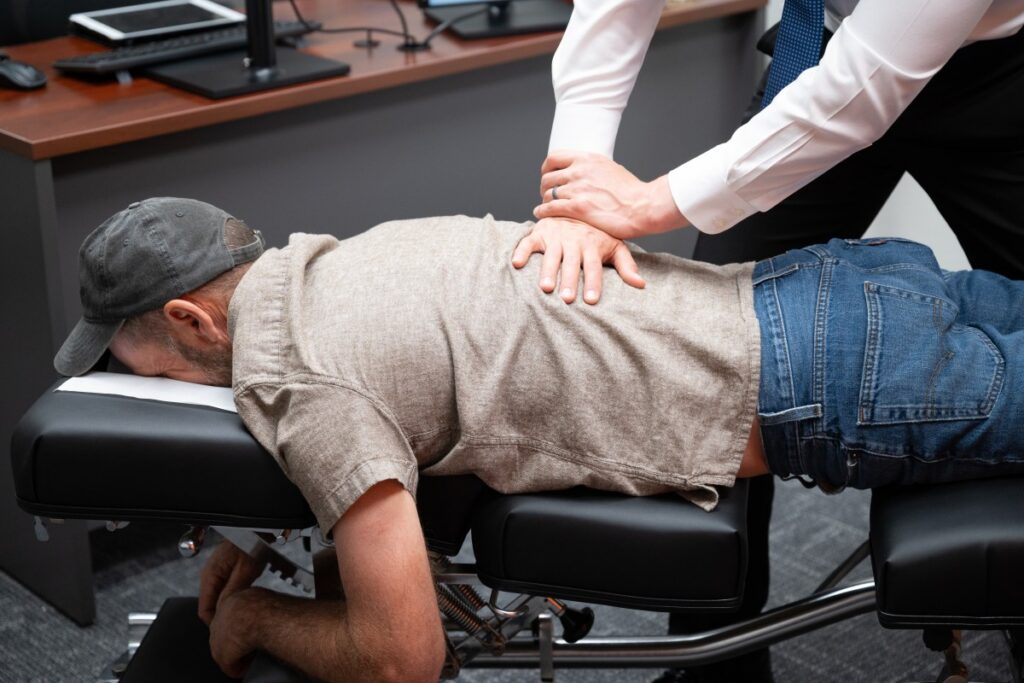
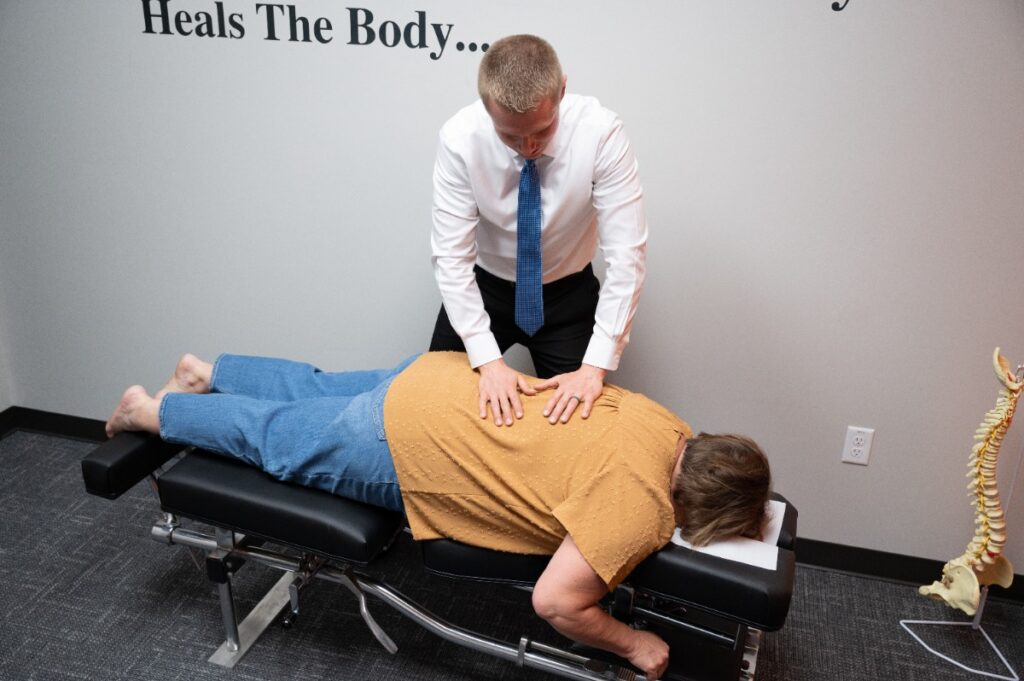
Chiropractic care is another option worth considering. Chiropractors focus on the alignment of your spine and joints, which can enhance your overall mobility and reduce discomfort from injuries. Regular adjustments may help you regain strength and flexibility, speeding up your recovery.
Massage therapy is also beneficial for sports injuries. It can improve circulation, relieve muscle tension, and promote relaxation. By targeting specific areas of discomfort, a skilled massage therapist can help you recover faster.
You might also explore the benefits of yoga and Pilates, which can improve flexibility, strength, and balance.
Another alternative treatment is the use of herbal remedies and supplements. Natural anti-inflammatories like turmeric or ginger can provide relief from soreness and swelling. However, it's crucial to consult with a healthcare professional before incorporating any new supplements into your routine.
Lastly, mind-body techniques such as meditation and guided imagery can help manage pain and reduce stress during your recovery.
Prevention and Maintenance Tips
To keep sports injuries at bay, it's important to incorporate preventive measures and maintenance practices into your routine. Start by warming up before each workout or game. Spend at least 10-15 minutes doing dynamic stretches and light cardiovascular exercises to prepare your muscles and joints.
Cooling down afterward is just as essential—static stretching helps maintain flexibility and reduces muscle soreness.
Next, pay attention to your equipment. Verify you're using the right gear for your sport; well-fitted shoes can greatly impact your performance and reduce injury risk. Regularly check your equipment for wear and tear, and replace it when necessary.
Don't overlook hydration and nutrition. Staying well-hydrated supports your overall performance, while a balanced diet rich in protein, carbohydrates, and healthy fats fuels your body and aids recovery.
Listen to your body—if you feel pain or discomfort, don't push through it. Rest is fundamental for preventing further injury.
Lastly, incorporate strength and conditioning exercises into your routine. Focusing on core stability, balance, and flexibility can enhance your athletic performance and lessen the likelihood of injuries.
Consider working with a coach or trainer who can tailor a program to your specific needs.
Conclusion
To sum up, understanding and addressing sports injuries is essential for your recovery and performance. By employing initial strategies like the R.I.C.E. method, considering physical therapy, and exploring alternative treatments, you can tailor your healing process. Don't forget the importance of prevention—always warm up properly and listen to your body. With the right approach, you can get back to your favorite activities stronger and more resilient than ever. Stay proactive in your recovery journey!