Have you ever noticed how stress can manifest physically in your body? Spinal adjustments offer a way to address these physical symptoms by correcting misalignments that may be contributing to your tension. This approach not only relieves discomfort but also promotes a sense of calm, enhancing your ability to manage everyday stressors. As you explore the benefits of spinal care, you might find yourself wondering about the deeper connection between your spine and overall well-being. What else could these adjustments reveal for your mental and physical health?
Understanding Stress and Its Impact
Stress can creep up on you, often manifesting in ways you mightn't immediately recognize. You might find yourself feeling overwhelmed, irritable, or fatigued without understanding why. This sneaky invader can affect your emotional, physical, and mental well-being, leading to a cascade of issues. It's important to understand that stress isn't just a mental burden; it has significant implications for your body.
When stress takes hold, you may experience tension headaches, muscle tightness, or even digestive problems. Your heart rate can increase, and you might feel your blood pressure rising. You may not even connect these symptoms to stress, dismissing them instead as part of your daily grind.
Over time, chronic stress can contribute to serious health conditions like heart disease, anxiety disorders, and autoimmune issues. Recognizing these signs is essential for your well-being.
Additionally, stress can cloud your judgment, impair your decision-making abilities, and affect your relationships. You might find yourself snapping at loved ones or withdrawing from social activities you once enjoyed.
It's crucial to acknowledge that stress impacts not just you, but everyone around you.
What Are Spinal Adjustments?
When stress affects your body, it can lead to misalignments in your spine, contributing to discomfort and tension. Spinal adjustments are a therapeutic technique used to correct these misalignments, helping you regain balance and alleviate stress-induced symptoms.
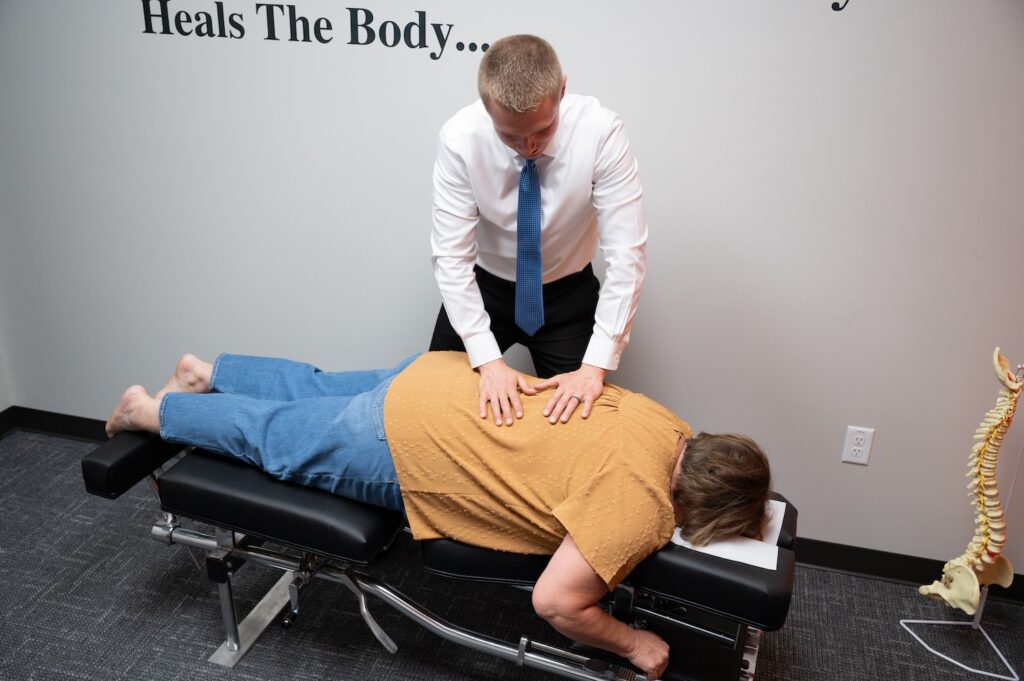
During a spinal adjustment, a trained chiropractor applies controlled force to specific vertebrae in your spine. The goal is to restore proper alignment and function, allowing your nervous system to operate more effectively. You may experience a range of adjustments, from gentle manipulations to more vigorous techniques, depending on your individual needs and comfort level.
These adjustments aim to improve your overall spinal health. By correcting misalignments, you can reduce nerve interference, which often contributes to pain and discomfort. You might notice improvements in mobility, flexibility, and even your emotional well-being after receiving spinal adjustments.
Many people find that regular adjustments not only relieve physical tension but also help them manage stress better. The process encourages your body to release built-up tension, promoting relaxation and a sense of calm.
Ultimately, spinal adjustments can be a valuable tool in your stress relief arsenal. They address the physical manifestations of stress in your body, setting the stage for improved health and wellness.
If you're seeking a holistic approach to managing stress, consider incorporating spinal adjustments into your routine. Your spine—and your mind—will thank you.
How Spinal Adjustments Work
Spinal adjustments help realign your spine, which can greatly improve your nervous system function.
When your spine is properly aligned, it can release tension that builds up in your body, allowing you to feel more relaxed.
This process not only eases physical discomfort but also promotes overall stress relief.
Alignment and Nervous System
Through the intricate relationship between alignment and the nervous system, spinal adjustments can greatly enhance your overall well-being. When your spine is well-aligned, it directly influences the functioning of your nervous system. This system is responsible for transmitting signals throughout your body, impacting everything from muscle movement to emotional responses.
Misalignments, or subluxations, can interfere with these signals, leading to stress and discomfort. By receiving spinal adjustments, you help realign your vertebrae, allowing your nervous system to operate more efficiently. This improved communication can lead to a reduction in stress levels, as your body can respond more effectively to various stimuli.
Additionally, proper alignment can enhance your body's ability to heal itself. When your spine is aligned, it can promote better blood flow and nerve function, which are essential for recovery and overall health. You may notice that your body feels more relaxed and balanced after sessions.
Incorporating regular spinal adjustments into your wellness routine can create a positive ripple effect in your life, helping you manage stress more effectively and fostering a greater sense of well-being.
Release of Tension
Tension often builds up in the body due to misalignments in the spine, but spinal adjustments effectively release this tension. When your spine is out of alignment, it can lead to discomfort and stress, affecting your overall well-being.
By receiving spinal adjustments, you're correcting these misalignments, allowing your body to function at its best.
During the adjustment process, chiropractors apply controlled force to specific areas of your spine. This helps to restore proper alignment, relieving pressure on nerves and muscles. As a result, you may experience a significant reduction in tension and stress.
Here's how spinal adjustments can benefit you:
- Improved circulation: Enhanced blood flow to muscles can promote relaxation and healing.
- Reduced muscle tension: Alleviating pressure on muscles allows them to relax, decreasing discomfort.
- Enhanced mobility: Restoring proper alignment leads to better range of motion, making daily activities easier and more enjoyable.
Benefits of Spinal Adjustments
Spinal adjustments offer a range of benefits that can help you feel your best.
You'll experience enhanced relaxation, improved posture alignment, and reduced muscle tension, making everyday activities easier.
Enhanced Relaxation Response
Many people experience a profound sense of relaxation after receiving spinal adjustments. This enhanced relaxation response isn't just a coincidence; it's a natural outcome of how spinal adjustments interact with your nervous system.
By aligning the spine and reducing tension, you can effectively promote a state of calmness and well-being.
Here are some benefits of experiencing an enhanced relaxation response through spinal adjustments:
- Reduced Muscle Tension: Spinal adjustments can alleviate tight muscles, making you feel lighter and more at ease.
- Decreased Anxiety Levels: Many individuals notice a drop in anxiety symptoms, allowing them to tackle daily challenges with a clearer mind.
- Improved Sleep Quality: As your body relaxes, you might find it easier to drift off to sleep and enjoy a more restful night.
Incorporating these adjustments into your wellness routine can lead to lasting changes in how you handle stress.
By fostering relaxation, you're not just addressing immediate discomfort; you're also investing in your overall health and emotional resilience.
Improved Posture Alignment
A relaxed body naturally aligns itself better, which is where improved posture alignment comes into play. When you receive spinal adjustments, they help correct misalignments in your spine, allowing your body to return to its natural state. This realignment reduces strain on your muscles and joints, promoting a more upright posture.
With better posture, you'll find it easier to engage in daily activities without discomfort. You may notice increased energy levels and improved confidence as your body holds itself in a more balanced position. Good posture also enhances your breathing, allowing your lungs to expand fully, which can further reduce stress and improve overall well-being.
Additionally, an aligned spine supports your nervous system, enhancing communication between your brain and body. This can lead to better coordination and a heightened sense of awareness, both physically and mentally. You'll likely find that you're more focused and productive when your posture is aligned, contributing to stress relief.
Incorporating regular spinal adjustments into your routine can lead to lasting improvements in your posture.
Reduced Muscle Tension
One of the key benefits of receiving spinal adjustments is the significant reduction in muscle tension. When your spine is misaligned, it can lead to tightness in your muscles as they work harder to compensate for the imbalance. By correcting these misalignments, spinal adjustments help your muscles relax, allowing you to feel more at ease in your body.
You might notice several positive changes after receiving spinal adjustments, including:
- Increased flexibility: With reduced tension, you'll find it easier to move and stretch.
- Improved circulation: Relaxed muscles enhance blood flow, promoting overall wellness.
- Enhanced relaxation: Feeling less tense can lead to better stress management and a calmer mindset.
When your muscles are less tense, daily activities become more enjoyable, and you might even sleep better at night.
Overall, spinal adjustments can play an essential role in relieving muscle tension, helping you lead a more active and fulfilling life.
Don't underestimate the power of a well-aligned spine; it can make all the difference in how you feel both physically and mentally.
The Connection Between Spine and Stress
Although stress often feels like a mental battle, the physical state of your spine plays an important role in how your body responds to tension. Your spine isn't just a structure for support; it houses your central nervous system, which controls every function in your body.
When you experience stress, your body goes into a fight-or-flight mode, and this response can lead to tension in your spinal muscles and misalignments in your vertebrae. When your spine is out of alignment, it can create pressure on nerves, affecting how your body communicates with itself. This miscommunication can exacerbate your stress response, causing a vicious cycle of tension and discomfort.
You might find that stress manifests as tightness in your neck, back pain, or headaches— all linked to spinal health. Moreover, emotional stress can also lead to poor posture, which puts additional strain on your spine. Slumping or hunching can tighten your muscles and limit your mobility, making you feel more anxious and less able to cope with daily challenges.
Taking care of your spine through regular adjustments can help alleviate these physical symptoms, allowing your body to better manage stress. By maintaining proper alignment, you facilitate better nerve function and circulation, which contributes to a calmer state of mind.
Choosing the Right Chiropractor
Finding the right chiropractor can considerably enhance your stress relief journey. With so many options available, it's crucial to make an informed choice. You want someone who understands your needs and can tailor their approach to your specific situation. Here are some tips to help you choose the best chiropractor for you:
- Check Credentials: Verify that the chiropractor is licensed and has the necessary qualifications. Look for additional certifications in specific techniques or specialties that might align with your needs.
- Read Reviews: Look for testimonials or reviews from other patients. Their experiences can provide insight into the chiropractor's style, effectiveness, and overall patient care.
- Assess Treatment Philosophy: Every chiropractor has a unique approach to treatment. Some may focus on traditional adjustments, while others incorporate holistic methods. Make sure their philosophy resonates with you.
When you meet with potential chiropractors, don't hesitate to ask questions. Inquire about their experience with stress-related issues and their approach to care.
A good chiropractor will take the time to listen to your concerns and explain their methods clearly. Remember, you're not just looking for relief; you want a partner in your wellness journey. Trust your instincts, and don't settle for someone who doesn't make you feel comfortable and understood.
Making the right choice now can lead to a more effective path to stress relief and improved overall health.
What to Expect During a Session
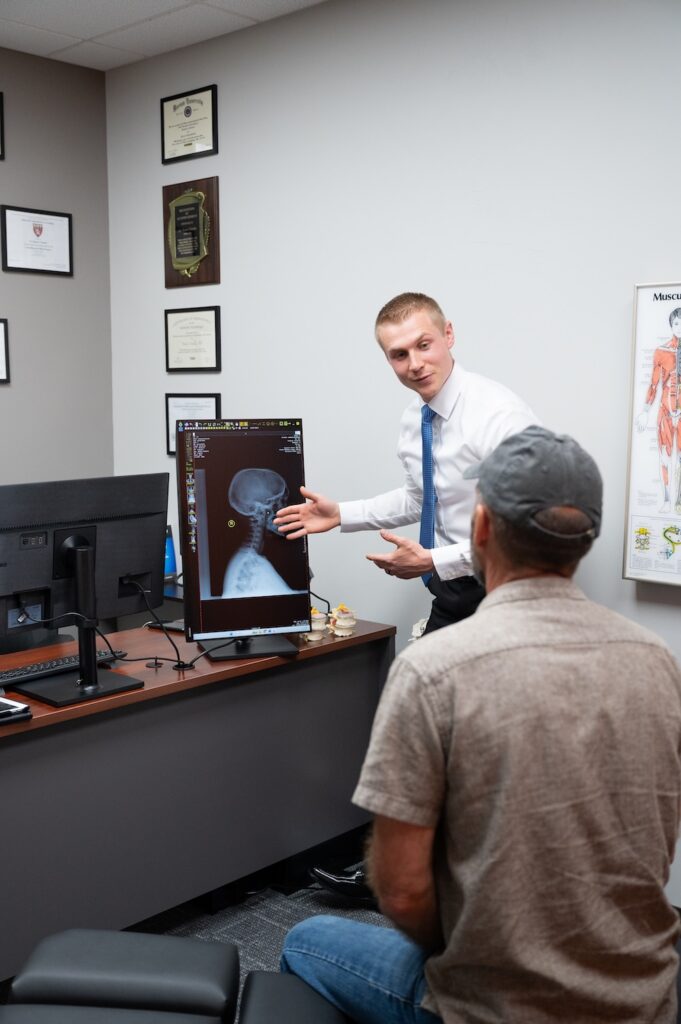
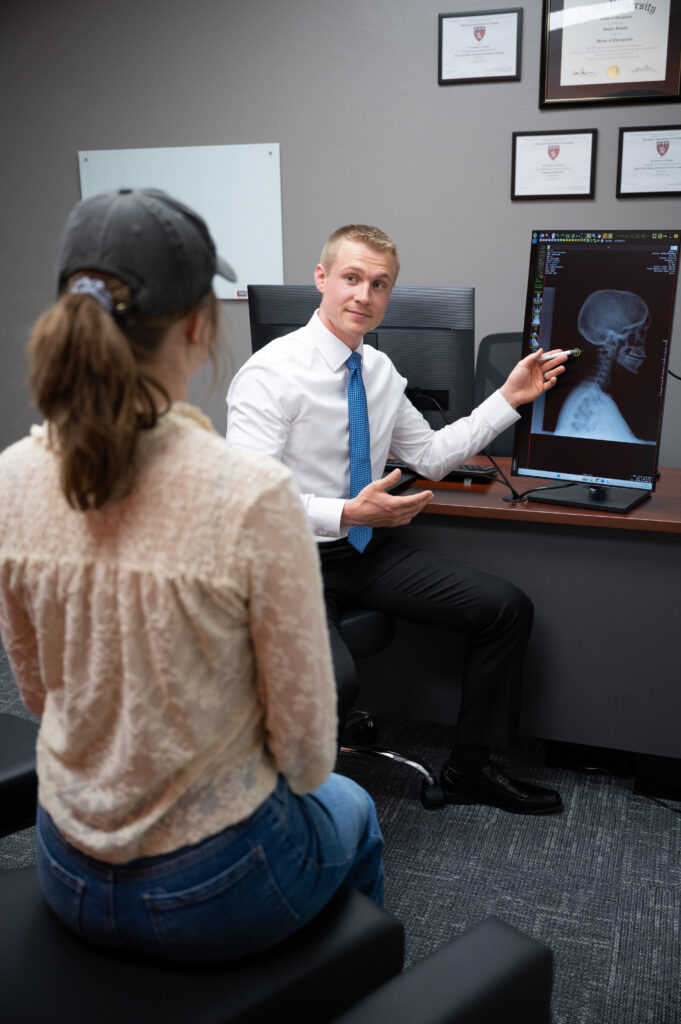
During your first chiropractic session, you can expect a thorough evaluation that sets the stage for your treatment plan. Your chiropractor will ask about your medical history, current symptoms, and any lifestyle factors contributing to your stress.
They'll likely perform a physical examination, checking your posture, range of motion, and reflexes to identify areas of tension or misalignment.
After gathering this information, your chiropractor will explain their findings and discuss your specific needs. This initial assessment is vital, as it helps them tailor the adjustments to your unique situation. You might also have questions about the techniques they'll use or the expected outcomes, so don't hesitate to ask.
Once the evaluation is complete, your chiropractor may proceed with your first spinal adjustment. You'll be positioned comfortably on a specialized table, and they'll use their hands or tools to apply controlled force to specific areas of your spine.
You might hear some popping or cracking sounds, which are normal and indicate that the joints are moving correctly.
After your adjustment, you'll likely spend a few minutes discussing post-session care and any exercises that can enhance your results. You may feel immediate relief, or it might take a few sessions before you notice significant changes.
Incorporating Spinal Adjustments Into Your Routine
Integrating spinal adjustments into your routine can greatly enhance your overall well-being and stress management. Regular adjustments help align your spine, reduce tension, and improve your body's function, which can lead to a more relaxed state of mind.
To make the most of spinal adjustments, consider incorporating them into your lifestyle in these ways:
- Schedule Regular Appointments: Aim for consistent visits to your chiropractor. Whether it's weekly, bi-weekly, or monthly, find a frequency that suits your needs and stick to it.
- Combine with Self-Care Practices: Pair your adjustments with other stress-relief techniques. Activities like yoga, meditation, or deep breathing exercises can amplify the benefits of your chiropractic care.
- Listen to Your Body: Pay attention to how your body feels after each adjustment. If you notice increased stress or discomfort, communicate this with your chiropractor to tailor your sessions accordingly.
Conclusion
Incorporating spinal adjustments into your routine can be a game-changer for managing stress. By aligning your spine, you not only relieve physical tension but also enhance your emotional well-being. You'll find that regular adjustments promote relaxation, improve sleep quality, and boost your overall resilience against stress. So, take the step towards a more balanced life—visit a chiropractor and experience the transformative benefits of spinal care for yourself. Your body and mind will thank you!