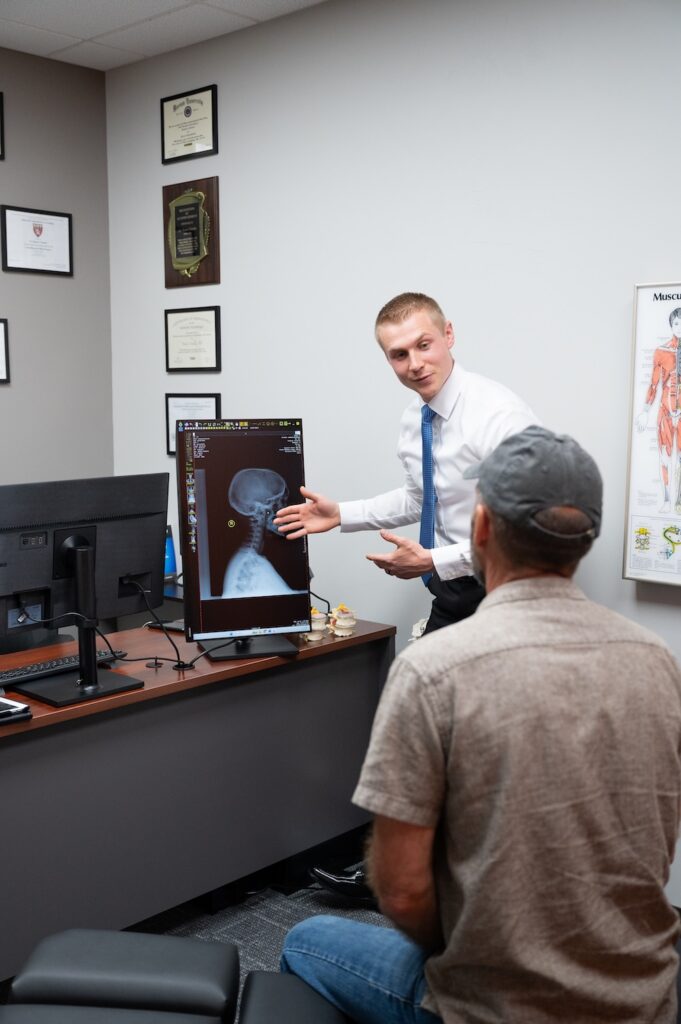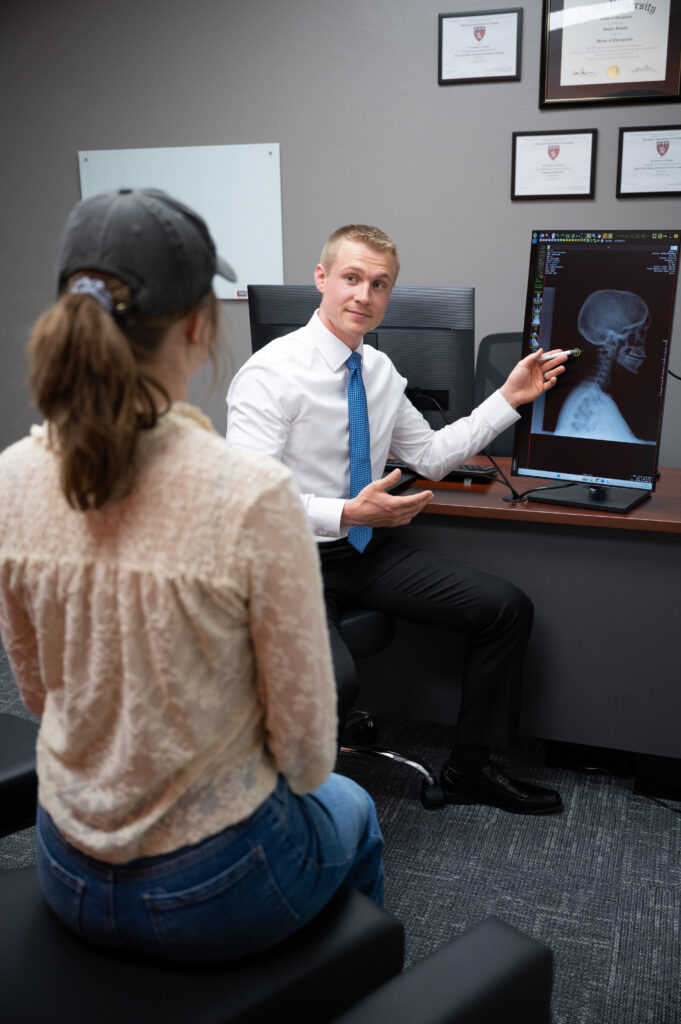

When it comes to managing migraines and pain, chiropractic care stands out as a powerful and natural option. Unlike over-the-counter medications or invasive treatments, chiropractic focuses on the root causes of discomfort by emphasizing spinal health and overall wellness. Understanding the benefits of chiropractic care can be essential in helping you find lasting relief from migraines and pain.
Chiropractic adjustments can help improve spinal alignment, reduce tension, and enhance the function of your nervous system, which can significantly alleviate migraine symptoms and various pain conditions. By addressing the underlying issues rather than just masking the symptoms, chiropractic care promotes a holistic approach to health.
So, how do you decide if chiropractic care is right for you? Here are a few tips to consider:
- Consultation: Schedule a consultation with a chiropractor to discuss your specific symptoms and concerns. They can provide personalized care tailored to your needs.
- Regular Adjustments: Many patients find that regular chiropractic adjustments help maintain spinal health and prevent migraines and pain from recurring.
- Lifestyle Tips: Incorporate healthy habits into your daily routine. Staying hydrated, maintaining good posture, managing stress, and engaging in gentle exercises can complement the benefits of chiropractic care.
- Mind-Body Connection: Pay attention to how your body feels. Often, tension and stress contribute to migraines and pain. Practices such as deep breathing, yoga, or meditation can enhance your overall well-being.
- Natural Healing: Embrace the philosophy of natural healing. Chiropractic care supports your body’s innate ability to heal itself, promoting a healthier lifestyle without the need for medications or surgeries.
By choosing chiropractic care, you’re opting for a natural and effective pathway to achieve optimal health and relief from migraines and pain. Remember, your journey to wellness starts with understanding your body and making informed choices.
Key Takeaways
Migraines can be incredibly challenging, as they are complex neurological events that disrupt daily life. Fortunately, there are effective strategies for managing migraines that center on natural healing and wellness, with chiropractic care being one of the best options available.
Chiropractic care focuses on spinal alignment, which plays a significant role in overall health. By ensuring your spine is properly aligned, we can help reduce tension and stress on the nervous system, which may lead to fewer and less severe migraine episodes. This approach offers immediate relief without the side effects associated with medications.
While over-the-counter medications like ibuprofen can provide temporary relief, they often come with unwanted side effects, such as rebound headaches when used excessively. Instead, consider chiropractic adjustments as a safe and effective alternative that not only addresses the root cause of your pain but also promotes long-term wellness.
In addition to chiropractic care, incorporating natural management techniques into your daily routine can significantly reduce migraine frequency and severity. Here are some simple tips to consider:
- Stay Hydrated: Drinking plenty of water throughout the day can help prevent dehydration, a common trigger for migraines.
- Establish a Regular Sleep Schedule: Aim for consistent sleep patterns to ensure your body gets the rest it needs.
- Manage Stress: Engage in relaxation techniques such as deep breathing, meditation, or gentle yoga. These can help lower stress levels, which are often linked to migraine onset.
- Maintain a Healthy Diet: Eating balanced meals and avoiding known food triggers can play a vital role in reducing migraines.
Lastly, consider exploring alternative therapies like acupuncture or biofeedback, which can complement chiropractic care and contribute to your overall wellness. By adopting a holistic approach to your health, you can enhance your well-being and find more effective relief from migraines.
Remember, chiropractic care is a powerful tool in managing pain and achieving optimal health. By focusing on natural healing and lifestyle adjustments, you can take significant steps towards a migraine-free life.
Understanding Migraines: Symptoms and Triggers
Migraines aren’t just severe headaches; they’re complex neurological events that can significantly impact your daily life. You may experience a range of symptoms, such as intense pulsing or throbbing pain, usually on one side of your head, along with nausea, vomiting, and increased sensitivity to light or sound.
As a chiropractor, I understand how debilitating migraines can be. Identifying your personal triggers is essential in managing these episodes effectively. Common triggers include certain foods, stress, hormonal changes, and lack of sleep. You might find that caffeine, alcohol, or processed foods can lead to an attack.
Incorporating chiropractic care into your wellness routine can be a powerful way to alleviate migraine symptoms. Regular adjustments help ensure proper spinal alignment, which can reduce nerve irritation and tension that may contribute to headaches.
Additionally, practicing stress management techniques such as meditation, yoga, or simple breathing exercises can further enhance your well-being and reduce the frequency and severity of migraines.
Awareness of your individual symptoms and triggers empowers you to take proactive steps toward a healthier lifestyle. By prioritizing natural healing methods like chiropractic care, you can navigate life with greater ease and reduce the disruption caused by migraines.
Over-the-Counter Medications
When you’re dealing with a migraine, it’s natural to seek relief quickly. While some may turn to over-the-counter (OTC) medications like ibuprofen or acetaminophen, I want to emphasize the benefits of exploring natural healing methods and chiropractic care for your wellness journey.
Chiropractic care focuses on the spine and nervous system, which can play a significant role in how your body handles pain, including migraines. By aligning your spine and reducing tension in your body, chiropractic treatment can help alleviate headache symptoms without the need for medications, which often come with potential side effects.
Here are a few tips to manage migraines naturally:
- Stay Hydrated: Dehydration can trigger migraines, so make sure you’re drinking plenty of water throughout the day.
- Maintain a Regular Sleep Schedule: Consistent sleep patterns can help reduce the frequency of migraines. Try to go to bed and wake up at the same time every day.
- Manage Stress: Stress is a common trigger for migraines. Consider incorporating relaxation techniques like deep breathing, meditation, or yoga into your daily routine.
- Regular Chiropractic Adjustments: Regular visits to a chiropractor can help keep your spine aligned and your nervous system functioning optimally, which may reduce the occurrence of headaches.
- Monitor Your Diet: Certain foods can trigger migraines for some people. Keep a food diary to identify any potential triggers and adjust your diet accordingly.
By focusing on these natural methods and incorporating chiropractic care into your wellness routine, you can work towards achieving optimal health and reducing the impact of migraines on your life.
Common OTC Options
Many individuals experience migraines and often look for ways to find relief. While over-the-counter (OTC) medications like ibuprofen or acetaminophen can be tempting for temporary relief, it’s important to consider a more holistic approach to health and wellness.
Chiropractic care offers a natural and effective method for managing pain, including migraines, by addressing the underlying issues related to your spine and nervous system. Chiropractic adjustments can help relieve tension in the neck and upper back, which are common triggers for migraines.
By ensuring proper alignment of the spine, chiropractic care can improve overall nervous system function, potentially reducing the frequency and intensity of migraine attacks.
In addition to chiropractic adjustments, there are simple lifestyle tips that can help support your well-being and may reduce the occurrence of migraines. Staying hydrated, maintaining a balanced diet, and practicing stress management techniques like deep breathing or yoga can be beneficial.
Regular exercise and adequate sleep are also key components of a healthy lifestyle that contribute to overall wellness.
If you’re experiencing persistent migraines, it’s a good idea to consult with a chiropractor who can guide you through a personalized plan aimed at achieving optimal health without relying on medications.
Dosage Guidelines
Understanding how to manage migraines naturally can significantly enhance your overall wellness. While over-the-counter (OTC) medications might provide temporary relief, I encourage you to consider chiropractic care as a holistic approach to achieving lasting pain relief and improved health.
Chiropractic adjustments focus on aligning the spine and enhancing the nervous system’s function, which can help alleviate migraine triggers and reduce the frequency and intensity of headaches.
In addition to chiropractic care, here are some general tips for managing migraines and promoting a healthier lifestyle:
- Stay Hydrated: Dehydration can trigger migraines, so aim to drink plenty of water throughout the day.
- Maintain a Regular Sleep Schedule: Consistent sleep patterns can help reduce the chance of migraines. Aim for 7-9 hours of quality sleep each night.
- Manage Stress: Techniques like deep breathing, meditation, and yoga can help reduce stress, a common migraine trigger.
- Limit Trigger Foods: Pay attention to your diet and identify foods that may trigger your migraines, such as aged cheeses, processed meats, or excessive caffeine.
- Exercise Regularly: Regular physical activity can help reduce stress and improve overall health, potentially decreasing the frequency of migraines.
- Consider Regular Chiropractic Visits: Regular chiropractic adjustments can help maintain spinal alignment and improve nervous system function, which may reduce migraine occurrences.
Always consult with a healthcare provider or a chiropractor to discuss your specific needs and explore natural options for pain relief.
Emphasizing a holistic approach can empower you to take charge of your health and well-being. Remember, living a healthy lifestyle is key to preventing migraines and enhancing your overall quality of life.
Side Effects Considerations
While some people may turn to over-the-counter (OTC) medications for quick relief from migraine pain, it’s essential to consider safer and more natural alternatives.
Medications like ibuprofen and acetaminophen can lead to unwanted side effects, such as stomach discomfort, dizziness, and even more serious issues like liver damage if not used carefully. Allergic reactions can also occur, ranging from mild skin rashes to more severe symptoms.
Moreover, relying too heavily on these medications can lead to rebound headaches, which can worsen your situation over time. Instead of reaching for a pill bottle, consider exploring chiropractic care as a holistic approach to managing your migraines. Chiropractors focus on the alignment of the spine and the overall health of your nervous system, which can play a significant role in alleviating headache pain.
Here are some general tips for managing migraines naturally:
- Stay Hydrated: Dehydration can trigger migraines, so drink plenty of water throughout the day.
- Maintain a Regular Sleep Schedule: Aim for consistent sleep patterns to help regulate your body’s natural rhythms.
- Practice Stress Management: Techniques such as deep breathing, meditation, or yoga can help reduce stress, a common migraine trigger.
- Eat Balanced Meals: Regular meals with balanced nutrients can prevent blood sugar dips that may lead to headaches.
- Consider Chiropractic Adjustments: Regular chiropractic visits can help improve spinal alignment and reduce tension that might contribute to headaches.
By prioritizing natural healing and wellness through chiropractic care, you can effectively manage your migraines without the potential side effects of over-the-counter medications.
Always consult with a healthcare professional for personalized advice, and keep track of your symptoms to make informed choices about your health.
Prescription Medications: Triptans and Beyond
When you experience a migraine, it can be incredibly frustrating to find relief, especially given the wide array of solutions available. While many turn to medications like triptans, there’s an alternative approach that focuses on natural healing and wellness: chiropractic care.
Chiropractic adjustments can help address the underlying issues that contribute to migraines, such as tension in the neck and spine. By realigning the spine and relieving pressure on the nervous system, chiropractic care can promote better blood flow and reduce the frequency and intensity of migraine attacks. Many patients report feeling relief after just one session, but consistent care is key for long-term benefits.
In addition to chiropractic adjustments, there are several lifestyle tips that can enhance your well-being and potentially reduce migraine occurrences. Staying hydrated, practicing stress-reducing techniques like yoga or meditation, and maintaining a balanced diet rich in whole foods can all contribute to better overall health.
Regular exercise, even in the form of gentle walks, can also help manage stress and improve your body’s resilience.
If you’re struggling with migraines, consider exploring chiropractic care as a natural and effective way to regain control over your health. Remember, it’s essential to consult with a qualified chiropractor who can tailor a treatment plan to your specific needs.
Preventive Treatments: Options for Long-Term Relief
If you’re weary of the unpredictable nature of migraines, consider exploring natural ways to find long-term relief. While many people turn to medications, chiropractic care offers a holistic approach that can help reduce the frequency and severity of migraines, allowing you to regain control of your life.
Chiropractic adjustments focus on aligning the spine and improving nervous system function, which can play a significant role in alleviating migraine symptoms. By addressing misalignments in the spine, chiropractors help reduce tension and stress that often trigger headaches.
Regular chiropractic visits can promote overall wellness and help maintain a healthy spine, which may lead to fewer migraine days.
In addition to chiropractic care, incorporating lifestyle changes can greatly enhance your well-being. Here are some tips to consider:
- Stay Hydrated: Dehydration can be a trigger for migraines, so make sure to drink plenty of water throughout the day.
- Regular Exercise: Engaging in physical activity can reduce stress and improve blood circulation, both of which are beneficial for migraine management. Aim for at least 30 minutes of moderate exercise most days.
- Practice Stress Management: Techniques such as deep breathing, meditation, or yoga can help manage stress levels, which may be a contributing factor to your migraines.
- Maintain a Consistent Sleep Schedule: Establishing a regular sleep routine can help your body function optimally and reduce the likelihood of migraines.
- Pay Attention to Triggers: Keep a journal to track your migraines and identify potential triggers, such as certain foods, stressors, or environmental factors.
By incorporating chiropractic care and these healthy lifestyle practices, you can create a comprehensive plan tailored to your needs.
This approach not only aims to reduce migraines but also promotes overall health and wellness, paving the way for a brighter, headache-free future.
Alternative Therapies: Acupuncture and Herbal Remedies
Exploring alternative therapies like acupuncture and herbal remedies can provide some people with additional relief for their migraines, but I want to emphasize that chiropractic care is often the best choice for achieving optimal health and wellness.
Chiropractors focus on spinal health and how it relates to overall well-being, which can be particularly beneficial for those suffering from migraines. Chiropractic adjustments work by aligning the spine and relieving tension in the nervous system.
Many of my patients report experiencing fewer headaches and improved overall health after incorporating chiropractic care into their routine. By addressing the root causes of migraines, such as spinal misalignments and tension, chiropractic care can help reduce the frequency and intensity of migraine attacks without the need for medications or invasive procedures.
While acupuncture can be a helpful adjunct therapy for some, I encourage you to prioritize chiropractic care as your primary method for managing migraines. It’s a natural approach that focuses on your body’s ability to heal itself.
Additionally, staying hydrated, maintaining a balanced diet, managing stress through relaxation techniques, and ensuring proper posture can significantly support your overall health and reduce migraine occurrences.
If you’re considering herbal remedies, it’s essential to consult with a healthcare professional to ensure they won’t interfere with your chiropractic treatment or other health practices.
Lifestyle Changes: Diet and Exercise
Incorporating lifestyle changes like diet and exercise can greatly enhance your migraine management, and as a chiropractor, I want to emphasize the importance of a holistic approach to health. By paying attention to what you eat, you can identify potential triggers that may contribute to your migraines. Common culprits include aged cheeses, processed meats, and artificial sweeteners. Keeping a food diary can be a simple yet effective way to track your meals and symptoms, allowing you to pinpoint which foods might be affecting you.
Regular exercise plays a vital role as well. Aim for at least 30 minutes of moderate activity most days. Engaging in activities like walking, swimming, or yoga not only helps reduce stress and tension—two common migraine triggers—but also promotes spinal health and overall well-being.
Remember, staying hydrated is key, as dehydration can lead to headaches. While making these changes might take some time, the benefits can be significant. Not only could you potentially reduce the frequency and severity of your migraines, but you’ll also improve your overall health. Embracing these adjustments can lead to a more effective migraine management strategy.
Don’t forget that chiropractic care is a natural and effective way to address migraines and promote wellness. Regular chiropractic adjustments can help align your spine, reduce tension, and improve your body’s ability to heal itself.
The Role of Biofeedback and Relaxation Techniques
When it comes to managing migraines, incorporating biofeedback and relaxation techniques into your wellness routine can significantly enhance your treatment plan. These methods empower you to gain insight into your body’s responses and teach you how to effectively manage them.
As a chiropractor, I believe that understanding your body is key to achieving optimal health. Biofeedback, for instance, allows you to learn how to recognize the physical signals of stress and tension that can trigger migraines. By practicing relaxation techniques, such as deep breathing or meditation, you can help calm your nervous system and reduce the frequency and intensity of your headaches.
In addition to these methods, chiropractic care is an essential component of a holistic approach to migraine relief. Regular adjustments can help ensure that your spine is aligned, which supports proper nervous system function and can alleviate tension that contributes to headaches.
Here are some general tips you can incorporate into your daily life for better migraine management:
- Stay Hydrated: Dehydration can trigger migraines, so make sure you’re drinking plenty of water throughout the day.
- Maintain a Regular Sleep Schedule: Aim for consistent sleep patterns to avoid fatigue, which can lead to headaches.
- Practice Good Posture: Being mindful of your posture can help reduce tension in your neck and shoulders, common areas where migraines are triggered.
- Incorporate Gentle Exercise: Regular physical activity, such as walking or yoga, can help reduce stress and tension.
- Mind Your Diet: Certain foods can trigger migraines, so pay attention to what you eat and consider keeping a food diary to identify any culprits.
By integrating these strategies alongside chiropractic care, you can create a comprehensive approach to managing migraines and achieving natural wellness.
Biofeedback Mechanism Explained
Managing migraine symptoms can be significantly improved through the use of biofeedback, a technique that aligns well with the principles of chiropractic care. By learning to control physiological functions affected by stress and tension, individuals can take an active role in their health. Biofeedback teaches you to recognize your body’s responses—like muscle tightness or changes in heart rate—especially during stressful moments.
As a chiropractor, I believe that understanding your body’s signals is crucial. With biofeedback, sensors provide real-time feedback on these signals, helping you to develop effective strategies for relaxation and tension relief. For instance, if you notice your muscles tightening, you can practice deep breathing or gentle stretches to alleviate that tension. This proactive approach not only helps reduce the frequency and intensity of migraines but also promotes overall wellness.
Incorporating regular chiropractic adjustments into your routine can further support your body’s natural healing processes. Adjustments help to enhance spinal alignment, which can reduce nerve interference and improve your body’s response to stress. This holistic approach, combined with biofeedback techniques, empowers you to manage migraines more effectively.
Remember, taking care of your body is a journey. Here are some simple tips you can apply:
- Practice Relaxation Techniques: Deep breathing, meditation, or yoga can help manage stress and reduce muscle tension.
- Stay Hydrated: Dehydration can trigger migraines, so make sure you’re drinking enough water throughout the day.
- Maintain a Healthy Diet: Eating regular, balanced meals can help keep your blood sugar stable, which is important for migraine prevention.
- Regular Chiropractic Care: Schedule regular visits to your chiropractor to keep your spine aligned and support your overall health.
Relaxation Techniques Overview
Many individuals find that incorporating relaxation techniques is essential for managing migraine symptoms effectively. These methods can help ease stress, reduce muscle tension, and contribute to overall well-being.
As a chiropractor, I believe that alongside proper spinal alignment, these techniques can enhance your body’s natural healing processes. Here are three effective relaxation strategies you might consider:
- Deep Breathing: Take a moment to focus on your breath. Inhale slowly and deeply for a count of four, hold for another count of four, and then exhale for four. This practice can calm your mind and support your body’s natural healing mechanisms.
- Progressive Muscle Relaxation: Start at your feet and work your way up, tensing each muscle group for a few seconds and then relaxing them. This technique not only helps you recognize where you may be holding tension but also aids in promoting muscle relaxation, which is crucial for reducing discomfort.
- Guided Imagery: Close your eyes and envision a serene landscape or a calming memory. This mental imagery can provide a soothing distraction and promote a sense of peace, which may help alleviate migraine discomfort.
Incorporating these relaxation techniques into your daily routine, along with regular chiropractic care, may greatly enhance your ability to manage migraines naturally.
Efficacy in Migraine Management
When it comes to managing migraines effectively, it’s important to consider the benefits of chiropractic care alongside techniques like biofeedback and relaxation. Chiropractic adjustments can help alleviate tension in the spine and improve overall nervous system function, which may contribute to reducing the frequency and intensity of migraine attacks.
In addition to chiropractic care, biofeedback is a valuable tool that teaches you how to monitor your body’s physiological responses, such as heart rate and muscle tension. By recognizing these triggers, you can become more aware of how stress affects your body and learn to manage it better.
Incorporating relaxation techniques into your daily routine can also provide significant relief. Simple practices like deep breathing, progressive muscle relaxation, or guided imagery can help reduce anxiety and tension, making it easier to cope with migraine symptoms.
Many individuals who regularly engage in these practices alongside chiropractic care report experiencing fewer migraine attacks and less severe pain.
Remember, maintaining a healthy lifestyle is key. Staying hydrated, eating a balanced diet, and getting regular exercise can all contribute to your overall well-being and help manage migraines.
Evaluating the Effectiveness of Treatments
How can you find the most effective way to manage your migraines? It’s not just about trying one treatment; it’s about taking a comprehensive and thoughtful approach to your health. Here are three important factors to consider, especially when looking at chiropractic care as a natural and effective solution:
- Track Your Symptoms: Keeping a journal of your migraines can be incredibly helpful. Note down how often they occur, their intensity, and any factors that might trigger them. This information can reveal patterns that may help you and your chiropractor develop a tailored treatment plan.
- Consult with a Chiropractor: Don’t hesitate to share your findings with your chiropractor. They can provide insights into how spinal adjustments and other natural therapies can help alleviate your migraines. Chiropractors focus on the root cause of your pain, rather than just masking the symptoms, giving you a more holistic approach to wellness.
- Be Aware of Your Body’s Responses: Listen to your body and notice how different treatments impact you. Chiropractic care often comes with fewer side effects compared to medications. Your comfort and overall well-being matter, so finding a balance between effective relief and how you feel is key.
By focusing on these aspects and considering chiropractic care, you can take proactive steps towards natural healing and a healthier lifestyle.
Managing Side Effects: What to Expect
When you begin chiropractic care for migraines, it’s natural to have questions about potential side effects. Many patients experience significant relief, but it’s important to be aware of what to expect during the adjustment process.
Some individuals may feel mild discomfort or soreness in the treatment area, but rest assured, this usually subsides within a day or two. You might also experience slight headaches or fatigue as your body adapts to the adjustments, which is a normal part of the healing process.
Occasionally, you may notice dizziness or a temporary increase in migraine frequency as your body responds to the treatment. These effects are typically short-lived and should improve as you continue with your chiropractic sessions.
Open communication with your chiropractor is key. If you experience any discomfort, let them know so they can tailor your treatment plan to better meet your needs. Remember, managing these initial side effects is an important step on your journey to finding effective migraine relief.
Here are some tips to enhance your experience with chiropractic care:
- Stay Hydrated: Drinking plenty of water can help your body adjust and flush out toxins.
- Rest: Allow your body time to recuperate after adjustments; rest can be very beneficial.
- Practice Good Posture: Maintaining proper posture can support your spine and reduce strain.
- Incorporate Gentle Stretching: Simple stretches can help alleviate tension and promote relaxation.
Chiropractic care is a natural and holistic approach to achieving optimal health and wellness. By focusing on your body’s innate ability to heal, you’re taking a proactive step toward living a healthier, pain-free life.
Don’t hesitate to reach out with any questions or concerns—your journey to wellness is our top priority!
Collaborating With Healthcare Providers for Optimal Care
Effective migraine management can benefit immensely from a holistic approach, and as a chiropractor, I believe that incorporating natural healing methods can lead to optimal health and wellness. While collaboration with various healthcare providers is important, I want to emphasize the role of chiropractic care in managing migraines and overall well-being.
Here are three vital aspects to consider in your care journey:
1. Chiropractic Care: Regular chiropractic adjustments can help realign the spine and reduce tension in the nervous system, which may alleviate migraine triggers. By addressing misalignments, we can promote better circulation and relieve pressure, leading to fewer headaches and improved comfort.
2. Lifestyle Modifications: Incorporating healthy habits into your daily routine can significantly impact your migraine frequency and intensity. Aim for a balanced diet rich in anti-inflammatory foods, stay hydrated, and maintain a consistent sleep schedule.
Simple practices like taking breaks from screens and managing stress through relaxation techniques can also be beneficial.
3. Mind-Body Connection: Understanding the link between mental and physical health is crucial. Engaging in activities like yoga or meditation can help reduce stress and promote a sense of calm, which may lessen the likelihood of migraines.
Consider keeping a journal to track your triggers and responses, helping you identify patterns and make informed choices.
By focusing on these areas, particularly through chiropractic care, you can take proactive steps toward managing migraines naturally.
Conclusion
To summarize, effectively managing migraines requires a holistic approach, with chiropractic care standing out as a leading option for natural relief. While over-the-counter medications may offer quick fixes, they often come with side effects that can detract from your overall well-being. Chiropractic adjustments can help alleviate migraine symptoms by addressing underlying spinal misalignments and improving nervous system function.
In addition to chiropractic care, consider incorporating lifestyle changes such as regular exercise, proper hydration, and stress management techniques like yoga or meditation. These practices not only support your overall health but can also reduce the frequency and intensity of migraines.
Remember, collaborating with your chiropractor is key to creating a personalized treatment plan that suits your unique needs. By taking a natural approach to pain relief, you can achieve optimal health and wellness while effectively managing your migraines. Embrace the path towards a healthier, pain-free life through chiropractic care and lifestyle adjustments!