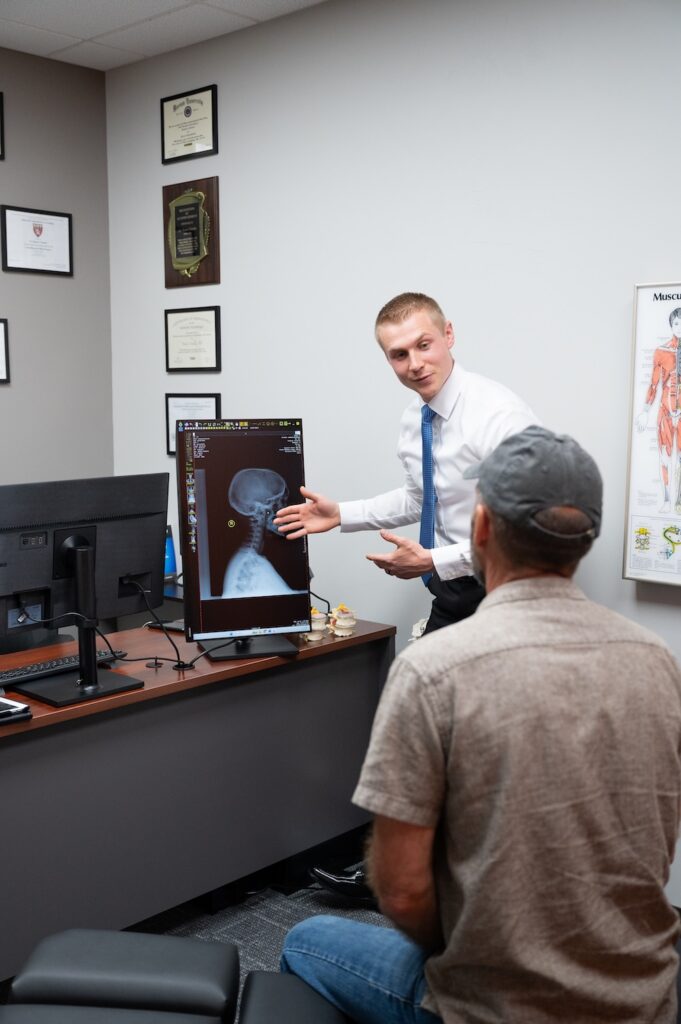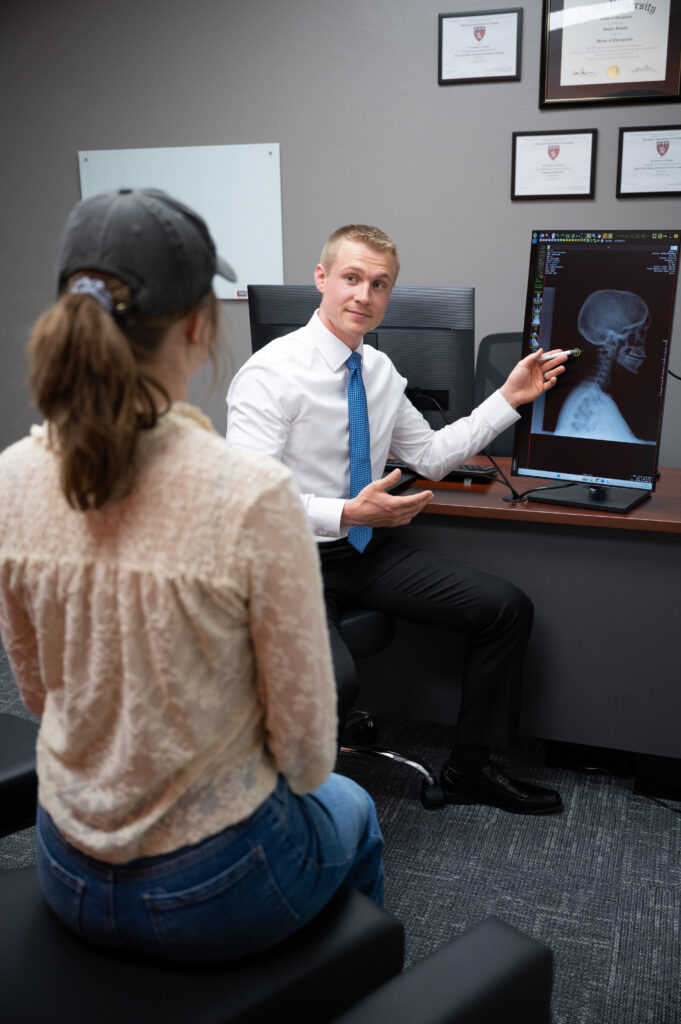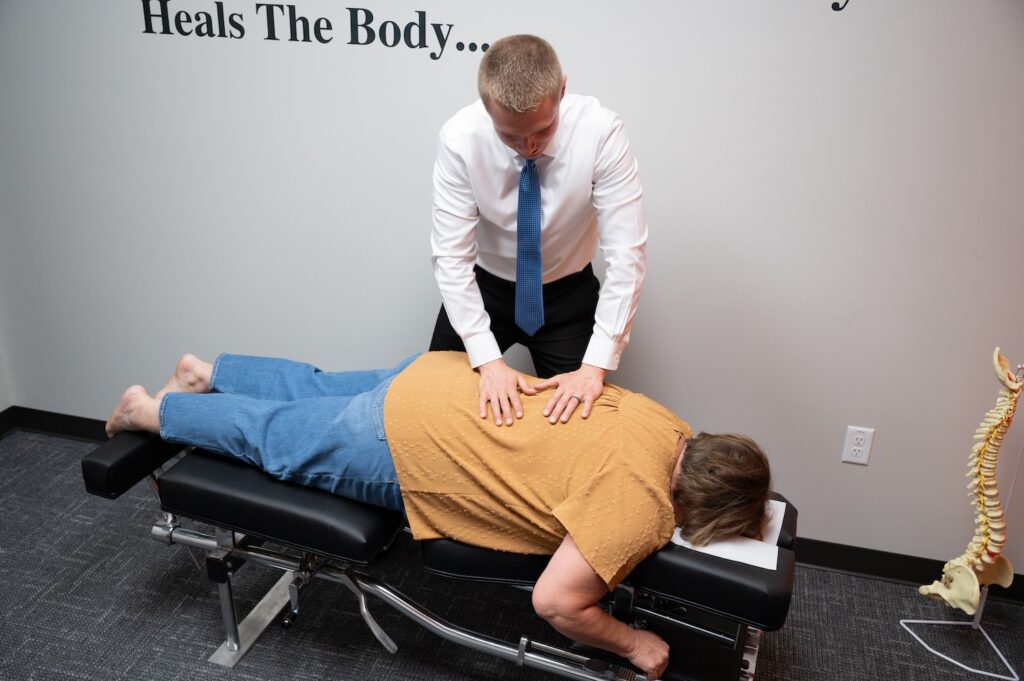

As a local chiropractor, I want to share with you how back pain can be more than just a nuisance; it can significantly impact your daily life. What if I told you that simple changes to your posture and workspace setup could lead to major improvements? By being mindful of how you sit and move, you can take important steps toward a healthier spine.
Incorporating regular exercise and stretching into your routine is also crucial for maintaining flexibility and staying active. These small adjustments might seem minor, but they can lead to lasting improvements in your overall well-being. If you’re curious about how chiropractic care and natural healing can support your journey to a pain-free life, I’m here to guide you every step of the way. Let’s explore these solutions together!
Understanding Back Pain: Causes and Effects
Understanding the causes and effects of back pain is essential for maintaining a healthy spine and overall well-being. As a local chiropractor, I want to share some insights that can help you take proactive steps to prevent discomfort in your back.
Many of you may not realize that common habits, such as improper lifting techniques, prolonged sitting, and muscle imbalances, can significantly contribute to back pain. For instance, if you often lift heavy objects without engaging your legs, you’re inadvertently placing extra strain on your back muscles.
Similarly, sitting for extended periods without taking breaks can weaken not only your core but also your back muscles, making them more vulnerable to injury.
Moreover, let’s not overlook the impact of stress on your body. When you’re under tension, your muscles can tighten up, which often leads to discomfort and pain. The effects of back pain can be quite debilitating; it might hinder your ability to carry out everyday tasks or even enjoy your favorite activities.
By understanding these causes and their potential effects on your quality of life, you can take charge of your health. Implementing strategies such as proper lifting techniques, incorporating regular movement into your day, and managing stress can greatly reduce your risk of back pain.
Assessing Your Posture
As a local chiropractor dedicated to your well-being, I want to emphasize the importance of posture in your daily life. Many people are unaware that poor posture can lead to discomfort and worsen back pain. That’s why it’s crucial to take a moment to assess how you sit, stand, and move throughout your day.
Let’s start with your sitting position. When you sit, aim to keep your spine straight, shoulders relaxed, and feet flat on the floor. If you find yourself hunched over your device, consider adjusting the screen height so that it’s at eye level. This simple adjustment can significantly reduce strain on your neck and shoulders.
Next, let’s discuss standing posture. It’s important to distribute your weight evenly across both feet and keep your knees slightly bent. Avoid locking your knees, as this can put unnecessary pressure on your lower back. Engaging your core muscles will also help support your spine and maintain proper alignment.
Finally, I want to highlight the importance of how you move. When lifting objects, always bend at your hips and knees rather than your waist. This technique minimizes stress on your back and helps prevent injuries.
By regularly monitoring your posture, you can’t only reduce the risk of back pain but also enhance your overall health. I encourage you to make posture assessment a daily habit.
Small changes in how you hold your body can lead to lasting benefits. If you have any questions or need personalized advice, feel free to reach out—I’m here to help you on your journey to better health!
Ergonomic Workspace Setup
As a local chiropractor, I want to emphasize the importance of creating an ergonomic workspace to support your spinal health and overall well-being, especially if you spend long hours at your desk.
Proper posture is crucial in preventing discomfort and back pain, and it starts with your chair. Make sure to adjust it so that it provides adequate support to your lower back. Your feet should be flat on the floor or resting comfortably on a footrest, which helps maintain a natural spine alignment.
Next, it’s vital to set your desk at elbow height. This allows your arms to rest comfortably while typing, reducing strain on your shoulders and neck. Position your monitor at eye level and about an arm’s length away. This setup is essential to avoid unnecessary neck strain.
For those who work on a laptop, I recommend using a separate keyboard and a stand to elevate the screen to eye level.
Keep frequently used items within easy reach to minimize the need for stretching and twisting, which can lead to discomfort.
Lastly, choose a chair with adjustable features to fit your body and promote movement throughout your day.
By incorporating these ergonomic principles into your workspace, you can enhance your comfort and decrease the likelihood of back pain, ultimately creating a healthier and more productive work environment.
Importance of Regular Exercise
As a local chiropractor, I want to emphasize how crucial regular exercise is for your spinal health and overall well-being. While creating an ergonomic workspace is important in preventing back pain, incorporating physical activity into your daily routine is equally vital. Exercise helps strengthen the muscles that support your spine, leading to better posture and a lower risk of injury.
I encourage you to find activities you enjoy—be it walking, swimming, or cycling—so you can stay motivated and consistent. Remember, it doesn’t have to be overwhelming; even small amounts of exercise can make a significant difference.
In addition to cardio, incorporating strength training is essential for building core stability, which is fundamental for a healthy back. Aim for at least 150 minutes of moderate-intensity exercise each week, and feel free to break that down into shorter, more manageable sessions. Every little bit counts!
Consistency is key, so set realistic goals for yourself and keep track of your progress. Not only will regular exercise enhance your physical health, but it will also uplift your mood and increase your energy levels, making daily tasks much easier to manage without discomfort.
Prioritizing movement is essential for your back health, and I assure you, your spine will thank you for it!
Stretching Techniques for Flexibility
As a chiropractor dedicated to promoting holistic health, I want to emphasize the importance of incorporating stretching techniques into your daily routine—especially if you find yourself sitting for long periods or performing repetitive tasks.
Regular stretching not only enhances flexibility but also improves circulation and alleviates muscle tension, which are all vital in preventing back pain.
Let’s start with some gentle neck stretches. You can tilt your head to one side and hold that position for 15-30 seconds before switching to the other side. This simple movement can help relieve tension in your neck.
Next, I recommend the seated forward bend. While seated, reach towards your toes, allowing yourself to feel the stretch along your spine and hamstrings.
Another beneficial stretch is the cat-cow stretch, which you can perform while on all fours. This involves alternating between arching your back and rounding it, which promotes mobility in your spine.
Don’t overlook the standing quadriceps stretch, either. By grabbing your ankle behind you and pulling it towards your glutes while keeping your knees close together, you can effectively stretch your quadriceps.
I encourage you to aim for daily stretching, particularly in areas where you feel tightness.
Remember, consistency is key to achieving long-term flexibility and maintaining a healthy back.
Integrating these simple stretches into your routine can significantly contribute to your overall well-being and help you avoid discomfort.
Strengthening Your Core Muscles
As a chiropractor, I want to emphasize the importance of strengthening your core muscles for maintaining proper posture and supporting your spine. Many of us lead sedentary lifestyles or engage in physical activities that can put stress on our bodies.
A strong core serves as the foundation for stability, which can significantly reduce your risk of back pain and enhance your overall physical performance.
To effectively strengthen your core, I recommend incorporating exercises such as planks, bridges, and bicycle crunches into your weekly routine. Start with these foundational exercises and pay close attention to your form to avoid any potential injuries.
Ideally, aim for at least two to three sessions each week, and as you become more comfortable, gradually increase the intensity of your workouts.
In addition to targeted exercises, it’s beneficial to integrate functional movements that naturally engage your core during everyday activities. Simple actions like squats and lunges not only build strength but also teach your body to utilize those core muscles effectively in daily life.
By focusing on strengthening your core, you’re taking proactive steps towards better spinal health and overall well-being.
If you have any questions about how to safely implement these exercises or if you’d like personalized guidance, feel free to reach out. Your journey towards a healthier spine starts with a strong core!
Incorporating Yoga Into Your Routine
As a local chiropractor, I often encourage my patients to consider incorporating yoga into their daily routine, especially if they’re struggling with back pain.
Yoga can be a transformative practice that not only alleviates discomfort but also promotes overall wellness. Through specific poses, you can strengthen your back and improve flexibility, while breathing techniques help to foster relaxation and reduce stress.
Let’s discuss how you can easily integrate these beneficial practices into your everyday life for optimal healing and health.
Key Yoga Poses
As a chiropractor, I often recommend incorporating specific yoga poses into your routine to help alleviate back pain and improve overall flexibility.
These poses can complement the care I provide and enhance your natural healing process.
For instance, the Downward Dog pose is excellent for stretching your spine and hamstrings, which can help relieve tension in your back.
The Cat-Cow Pose is particularly beneficial for improving spinal mobility, while the Child’s Pose gently releases tight back muscles.
Additionally, consider the Cobra Pose; it strengthens your lower back and opens up your chest, promoting better posture.
The Bridge Pose not only strengthens your glutes but also provides a nice stretch for your spine, helping to counteract the effects of prolonged sitting.
I recommend holding each pose for 30 seconds to a minute, paying close attention to your body’s alignment during each stretch.
Regular practice of these poses can help you build strength and flexibility, significantly reducing your risk of experiencing back pain.
Breathing Techniques
As a local chiropractor, I want to share how important it’s to integrate proper breathing techniques into your yoga routine, especially if you’re experiencing back pain.
Many people underestimate the power of deep, mindful breathing. When you breathe deeply, it helps oxygenate your muscles and fosters relaxation—two key elements in alleviating tension in your back.
I recommend practicing this simple technique: inhale slowly through your nose, allowing your abdomen to rise. Then, exhale gently through your mouth. This not only calms your mind but also contributes to better posture, which can be crucial in preventing and alleviating back pain.
As you engage in your yoga poses, try to synchronize your movements with your breath. Inhale deeply as you expand into a stretch, and exhale as you fold or release tension.
By incorporating these breathing techniques into your practice, you’ll likely find that your poses become more effective. This can help reduce the risk of back pain and promote your overall well-being.
Daily Routine Integration
As a local chiropractor, I understand that many of you may find it difficult to incorporate yoga into your busy schedules. However, even dedicating just a few minutes each day can greatly alleviate back pain and enhance your overall well-being.
I encourage you to start with simple stretches during your breaks or right after waking up. Consider exploring short online classes or apps that offer 10 to 15-minute routines specifically designed for back pain relief.
Additionally, you can easily integrate gentle poses like child’s pose or cat-cow into your daily activities, such as while watching TV or listening to music.
By making yoga a consistent part of your daily routine—whether in the morning to help wake up your body or in the evening to unwind—you’ll gradually strengthen your muscles and improve flexibility.
Daily Walking: A Simple Solution
As a local chiropractor, I want to emphasize the importance of incorporating daily walking into your routine, especially for those of you who may not be familiar with chiropractic care and natural healing.
Even amidst a busy schedule, just 20 to 30 minutes of walking each day can significantly help in preventing back pain. Walking strengthens your muscles, improves flexibility, and enhances your posture—all crucial aspects of maintaining a healthy spine.
Walking is a low-impact activity that promotes blood circulation and alleviates stiffness in your back, which is essential for overall spinal health. You don’t need to engage in long or intense walks; a brisk stroll around your neighborhood or taking a walk during your lunch break can yield positive results.
I encourage you to set reminders to stand up and walk every hour, especially if you find yourself sitting for prolonged periods.
Additionally, consider integrating walking into other daily activities, such as having walking meetings or enjoying family outings on foot.
The key to reaping the benefits of walking lies in consistency. The more regularly you walk, the stronger and more resilient your back will become, helping you avoid pain and discomfort in the long run.
The Role of Nutrition in Back Health
As a local chiropractor, I want to emphasize the crucial connection between what you eat and your back health. Your diet can significantly influence the strength of your spine and your overall comfort levels.
By incorporating anti-inflammatory foods and essential nutrients, you can help alleviate discomfort and support your back’s well-being. Let’s discuss how making a few simple dietary changes can greatly enhance your efforts in preventing back pain.
Embracing these nutritional choices not only supports your chiropractic care but also promotes natural healing and a healthier lifestyle overall.
Anti-inflammatory Foods
As a local chiropractor, I want to share with you how incorporating anti-inflammatory foods into your diet can significantly improve your back health and alleviate pain. Many patients may not realize that what we eat can have a profound impact on our bodies, especially when it comes to inflammation.
Foods that are rich in omega-3 fatty acids, such as salmon, walnuts, and flaxseeds, are excellent choices to help combat inflammation. Additionally, colorful fruits and vegetables like berries, spinach, and kale are loaded with antioxidants that can protect your cells from damage and support your overall health.
Don’t overlook the power of spices either! Turmeric and ginger are fantastic for their strong anti-inflammatory properties and can easily be added to your meals. Whole grains and legumes are also beneficial, as they provide the fiber your body needs to help reduce inflammation.
By focusing on incorporating these foods into your daily diet, you’re not just supporting your back health; you’re also enhancing your overall well-being.
Essential Nutrients for Strength
As a local chiropractor, I want to emphasize the crucial role nutrition plays in maintaining a strong and healthy back. It’s not just about adjustments; what you put into your body significantly affects your spine and muscles.
To support your back, it’s vital to incorporate key nutrients into your diet. For instance, calcium and vitamin D are essential for building strong bones. Without these nutrients, your bones may become weak and more prone to injury.
Magnesium is another important mineral; it aids in muscle function and helps prevent those annoying cramps that can disrupt your daily activities.
Don’t overlook the benefits of omega-3 fatty acids, which you can find in fish and flaxseeds. These healthy fats are known for their anti-inflammatory properties, which can aid in recovery and enhance your overall comfort.
Protein is also a key player in this equation, as it helps repair tissues. Make sure to include sources like lean meats, legumes, and nuts in your meals.
Lastly, hydration is often overlooked but is crucial for back health. Drinking enough water keeps your spinal discs hydrated, ensuring they function properly.
Staying Hydrated for Optimal Function
As a local chiropractor, I want to emphasize the importance of staying adequately hydrated for your overall health and well-being, particularly when it comes to preventing back pain.
Many patients mightn’t realize that proper hydration plays a crucial role in maintaining the health of your spinal discs. When you’re well-hydrated, these discs can retain their elasticity and cushioning, which helps in reducing the risk of injuries.
On the other hand, dehydration can lead to stiffness and discomfort in your muscles and joints, potentially contributing to back pain. It’s essential to recognize that hydration affects not just your spine, but your entire musculoskeletal system.
I recommend making it a daily habit to drink water consistently throughout the day, rather than waiting until you’re thirsty. This proactive approach can help you maintain optimal hydration levels.
Additionally, incorporating hydrating foods like fruits and vegetables into your diet can further support your hydration efforts.
If you’re physically active or spend time in heat, it’s even more important to increase your water intake. Remember, your body relies on proper hydration to support muscle function and overall mobility.
Proper Lifting Techniques
As a chiropractor committed to promoting natural healing and overall wellness, I want to share some important tips on lifting heavy objects safely.
When you lift, always bend at your knees instead of your waist. This simple adjustment can significantly protect your back by leveraging the strength of your legs, which are designed for such tasks.
It’s also crucial to keep the load close to your body. By doing so, you minimize strain on your back and help maintain your balance.
Taking these precautions can prevent injuries and support your spinal health, which is essential for your overall well-being.
Bend at the Knees
As a local chiropractor dedicated to promoting natural healing and overall wellness, I want to share a crucial tip for preventing back pain while lifting: bend at your knees. When you’re about to lift a heavy object, it’s important to squat down instead of bending at your waist. This adjustment in your movement allows your strong leg muscles to take on the workload, which significantly reduces the strain on your back.
To maintain balance while lifting, keep your feet shoulder-width apart, and be mindful that your knees shouldn’t extend past your toes. Engaging your core muscles during the lift is vital as it helps stabilize your spine, providing added protection against injury.
As you lift, make sure to do so slowly and smoothly to avoid any jerking motions that could harm your back. By incorporating this simple technique into your lifting routine, you can protect your back and make lifting not only safer but also more efficient.
Staying mindful of your body mechanics is essential, and by doing so, you’ll thank yourself for the care you’re giving your body. Remember, a healthy back is key to a healthy life!
Keep Load Close
As a chiropractor dedicated to helping you understand the importance of safe lifting techniques, I want to emphasize a critical aspect: keeping the load close to your body. This simple yet effective practice can significantly reduce strain on your back and enhance your overall stability.
When you prepare to lift an object, stand with your feet shoulder-width apart and grip the item firmly. It’s essential to keep your elbows close to your sides, as this alignment supports your spine better.
As you lift, engage your core muscles—these are the natural stabilizers for your back and can help prevent injury.
If you need to change direction while lifting, remember to pivot your feet rather than twisting your torso. This technique minimizes the risk of injury and gives you better control over the load.
By prioritizing the habit of keeping the load close, not only are you protecting your back, but you’re also making lifting easier and more efficient.
Implementing these strategies can lead to a healthier and more resilient body, and as your chiropractor, I’m here to guide you on this journey toward natural healing and wellness. Your body will certainly thank you for it!
The Benefits of Foam Rolling
As a chiropractor, I often emphasize the importance of self-care in maintaining a healthy spine and overall well-being. One effective method I recommend to my patients is foam rolling. This simple tool can work wonders for alleviating tension and improving mobility in your back.
By using a foam roller to apply pressure to tight muscles, you can release knots and enhance blood flow. This not only promotes quicker recovery but also helps reduce discomfort in the long run. Think of it as giving yourself a deep tissue massage from the comfort of your own home.
Incorporating foam rolling into your routine can significantly contribute to maintaining flexibility, which is crucial for preventing back pain. Many of my patients find that rolling out their back, hips, and glutes alleviates discomfort associated with poor posture or extended sitting—common issues in today’s sedentary lifestyle.
Additionally, foam rolling is an excellent way to prepare your muscles before engaging in workouts and aids in the recovery process afterward.
The great news is that you don’t need to invest a lot of time or equipment to benefit from foam rolling. Just a few minutes each day can lead to significant improvements in your mobility and comfort.
Finding the Right Mattress
As a local chiropractor, I want to emphasize the importance of finding the right mattress for your overall back health, particularly if you’re incorporating foam rolling into your self-care routine. A supportive mattress plays a crucial role in maintaining proper spinal alignment while you sleep, which can significantly reduce the likelihood of waking up with stiffness or pain.
When you’re in the market for a new mattress, it’s essential to consider your usual sleeping position. For those of you who sleep on your side, I recommend looking for a softer mattress that can contour to the natural curves of your body.
If you tend to sleep on your back, a medium-firm mattress often provides the right balance of support and comfort. For stomach sleepers, a firmer mattress is usually best to prevent excessive sinking, which can lead to strain in the lower back.
I encourage you to take the time to test different mattresses before making a purchase. Spend at least 10 minutes lying down in your preferred sleeping position to assess comfort and support.
Choosing Supportive Footwear
As a local chiropractor, I want to emphasize the crucial role that supportive footwear plays in maintaining your back health. Just like a good mattress is essential for a restful night’s sleep, the shoes you wear can significantly influence your posture and spinal alignment.
When selecting shoes, look for those that offer excellent arch support and cushioning, which can help absorb shock as you move. I strongly advise against high heels and overly flat shoes, as they can put unnecessary strain on your back over time. Instead, choose footwear that encourages a natural foot position to promote overall well-being.
It’s also vital to consider the fit of your shoes. Ill-fitting shoes—whether too tight or too loose—can lead to discomfort and misalignment, which can exacerbate back issues. If you find yourself on your feet for extended periods, investing in custom orthotics may be beneficial for added support and comfort.
Additionally, please remember to replace worn-out shoes regularly. As they age, shoes lose their ability to provide the necessary support, putting you at risk for discomfort and pain.
Managing Stress to Reduce Tension
As a chiropractor, I often see patients who are unaware of the vital connection between stress management and physical well-being, particularly when it comes to back pain.
While it’s essential to take care of your feet and choose the right shoes to support your spine, managing stress plays a critical role in reducing tension that can lead to discomfort and pain.
Stress can cause muscle tightness, which places additional strain on your back. By incorporating specific stress management techniques into your daily routine, you can alleviate this tension and enhance your overall wellness.
Here are some effective strategies you can implement to manage stress:
- Practice deep breathing: Take slow, deep breaths to calm your mind and relax your body. This simple technique can help reduce tension and improve your body’s response to stress.
- Engage in physical activity: Regular exercise isn’t just good for your physical health; it also releases endorphins, which can elevate your mood and help you manage stress more effectively.
- Try mindfulness or meditation: These practices can help you stay grounded and focused, reducing the mental clutter that often contributes to stress.
- Establish a support network: Connecting with friends or family members to share your feelings can provide you with emotional support and a fresh perspective on your stressors.
- Prioritize self-care: Make time for hobbies and relaxation that rejuvenate you. This can be essential for recharging your mind and body.
By incorporating these strategies into your lifestyle, you can help manage stress, reduce tension, and support your spinal health.
Avoiding Prolonged Sitting
As a chiropractor, I want to share with you the importance of avoiding prolonged sitting and how it can significantly affect your back health. Many individuals may not realize that sitting for extended periods can lead to discomfort and pain in the spine.
When we remain seated for too long, our spine loses its natural curve, which places additional pressure on the discs and muscles that support it.
To help prevent these issues, I recommend making it a habit to stand up and move around every 30 minutes. This doesn’t have to be anything elaborate; even a quick stretch or a brief walk can help alleviate tension and promote better circulation throughout your body.
Consider investing in an ergonomic chair that provides support for your lower back. This can help you maintain proper posture while sitting, which is crucial for spinal health.
If you work at a desk, you might also explore the option of a standing desk or a converter that allows you to alternate between sitting and standing throughout the day.
Incorporating activities that promote mobility, such as yoga or swimming, can also be beneficial. These exercises can effectively counteract the negative effects of prolonged sitting and enhance your overall physical well-being.
By being mindful of your sitting habits and implementing small changes, you can significantly reduce your risk of back pain and improve your quality of life.
The Importance of Rest and Recovery
As a local chiropractor, I’d like to emphasize the vital role that rest and recovery play in maintaining your back health. Quality sleep is the foundation of this process.
It’s essential to understand that incorporating active recovery techniques—such as gentle stretches, yoga, or light walking—into your routine can significantly reduce tension and help prevent pain.
Additionally, taking regular breaks throughout your day is crucial. Whether you’re working at a desk or engaging in physical activities, pausing to rest can support your body’s natural healing processes.
By prioritizing these practices, you not only enhance your overall well-being but also promote strength and flexibility in your back.
Sleep Quality Matters
As a local chiropractor, I often see patients who may not realize just how crucial sleep quality is in maintaining a healthy back. Many people underestimate the impact that restorative sleep has on their overall well-being, including their spinal health.
When you don’t get enough quality sleep, your body finds it harder to recover from daily stressors and can lead to increased tension and discomfort in your back.
Prioritizing good sleep can be a game-changer for your back health. Here are some practical tips to help you enhance your sleep quality:
- Maintain a consistent sleep schedule: Try to go to bed and wake up at the same time every day, even on weekends. This helps regulate your body’s internal clock.
- Create a comfortable sleep environment: Make sure your bedroom is conducive to sleep—cool, dark, and quiet. Consider using blackout curtains and a white noise machine if needed.
- Limit screen time before bed: The blue light emitted by phones, tablets, and computers can interfere with your ability to fall asleep. Aim to unplug at least an hour before bedtime.
- Practice relaxation techniques: Incorporate methods such as deep breathing, meditation, or gentle stretching to help signal to your body that it’s time to wind down.
- Invest in a supportive mattress and pillows: The right support can make a significant difference in how your body feels when you wake up. Look for a mattress that suits your sleeping style and provides proper alignment for your spine.
By focusing on improving your sleep, you can help prevent back pain and promote overall health.
If you have any questions or need personalized advice, feel free to reach out during your next visit!
Active Recovery Techniques
As your local chiropractor, I want to emphasize the importance of active recovery techniques in maintaining a healthy back, particularly after engaging in physical activity. It’s crucial to allow your body the opportunity to recover rather than jumping straight into intense workouts. Gentle activities such as walking, stretching, or practicing yoga can significantly ease muscle tension and enhance blood circulation.
Incorporating mobility exercises is vital as they help keep your joints flexible and support spinal health. Always listen to your body—if you’re experiencing soreness, it’s best to choose low-impact activities that promote healing without adding extra strain.
Don’t forget that hydration and proper nutrition are key components of recovery as well; fueling your body adequately will aid in the healing process.
Active recovery isn’t about pushing your limits; it’s about nurturing your back’s well-being. By prioritizing these techniques, you can help prevent future pain and improve your overall fitness journey.
Importance of Breaks
As a local chiropractor, I want to emphasize the importance of taking regular breaks during your workouts or daily activities. This practice is vital for preventing back pain and promoting your overall health.
When you allow your body time to rest and recover, you not only reduce strain on your back but also enhance your performance. Here are some key reasons why incorporating breaks into your routine is essential:
- Reduces Muscle Fatigue: Taking breaks helps prevent overuse injuries, which can lead to chronic pain and discomfort.
- Improves Circulation: Pausing your activities enhances blood flow to your muscles, delivering the oxygen and nutrients they need to function optimally.
- Boosts Focus: Short breaks keep your mind sharp and alert, allowing you to concentrate better on your activities.
- Promotes Flexibility: Giving your muscles and joints time to recover can improve your overall flexibility, reducing the risk of injuries.
- Encourages Better Posture: Regular breaks help you maintain proper alignment, which is crucial for spinal health and overall well-being.
By understanding the significance of breaks, you can make informed choices about your health and well-being.
Using Heat and Cold Therapy
As your local chiropractor, I want to share with you the benefits of heat and cold therapy in managing and preventing back pain. These methods are essential tools in our natural healing approach.
Let’s start with heat therapy. Using a warm towel or a heating pad can significantly enhance blood circulation and help relax those tense muscles. This method is particularly beneficial for those dealing with chronic pain or stiffness.
I recommend applying heat for 15-20 minutes at a time, but be sure to monitor the temperature to avoid any burns on your skin.
On the flip side, cold therapy is an effective way to tackle inflammation and numb sharp pain. This technique is most beneficial during the first 48 hours following an injury, when swelling is at its peak.
Similar to heat therapy, keep your cold applications, like ice packs or cold compresses, to about 15-20 minutes to prevent frostbite.
You might also find relief by combining both therapies. Start with cold to reduce swelling, and then switch to heat to ease tight muscles.
By incorporating these simple techniques into your daily routine, you can take an active role in managing your back pain naturally.
Integrating Mindfulness and Relaxation
As a local chiropractor, I want to emphasize that managing back pain goes beyond just physical adjustments; it’s vital to incorporate mindfulness and relaxation techniques into your healing journey.
By focusing on your mental well-being, you can significantly reduce the stress and tension that often contribute to back discomfort. Here are some effective strategies you might consider to enhance your recovery:
- Deep Breathing: Start practicing slow, deep breaths. This simple technique helps calm your mind and relax your body, creating a sense of peace that can alleviate pain.
- Meditation: Dedicate a few minutes each day to meditation. This practice enhances your awareness and promotes overall relaxation, making it easier to manage pain.
- Progressive Muscle Relaxation: Try tensing and then relaxing each muscle group in your body. This method is effective in releasing built-up tension and can be a powerful tool in your pain management strategy.
- Yoga: Incorporate gentle yoga poses into your routine. These movements not only stretch and strengthen your back but also encourage mindfulness, which can aid in pain relief.
- Visualization: Use visualization techniques by imagining a serene and peaceful scene. This mental escape can help reduce stress and tension, allowing your body to heal more effectively.
Integrating these mindfulness and relaxation practices into your daily life can complement the chiropractic care you receive and support your journey toward a pain-free back.
Engaging in Low-Impact Activities
As a local chiropractor, I want to share the importance of engaging in low-impact activities for your back health, particularly if you’re on the path to recovery from pain. Activities like swimming, cycling, and walking are excellent choices because they put minimal stress on your joints and spine. This means you can stay active while minimizing the risk of aggravating an injury.
When you participate in these low-impact exercises, you not only boost your flexibility but also strengthen your core muscles, which are crucial for spinal support. Moreover, these activities can enhance your overall endurance, making daily tasks easier and more enjoyable.
I recommend starting slowly and gradually increasing both the intensity and duration of your workouts. It’s vital to pay attention to your body’s signals; if you experience discomfort, it’s important to stop and reassess your approach.
Additionally, incorporating gentle stretches before and after your exercises can help maintain muscle flexibility and prevent stiffness, further promoting your recovery and overall well-being.
Understanding the Role of Genetics
As a chiropractor dedicated to your well-being, I want to emphasize the importance of maintaining a healthy back through low-impact activities.
However, it’s equally crucial to understand how your genetics can play a role in your susceptibility to back pain. Knowing your family history can shed light on potential risk factors, helping you take the right steps in managing your back health.
Here are a few genetic factors that may influence your experience with back pain:
- Inherited Conditions: Some individuals may inherit issues such as scoliosis or degenerative disc disease from their family, which can contribute to back discomfort.
- Flexibility and Strength: Your genetic makeup can determine your natural muscle and joint flexibility, affecting your overall strength and ability to support your spine.
- Pain Perception: Interestingly, some individuals are genetically predisposed to experience pain more intensely than others, which can affect how you perceive and manage back pain.
- Body Mechanics: Variations in your body structure, which can be passed down through generations, may lead to different levels of risk for developing back pain.
- Inflammation Response: Your genetic background may also influence how your body reacts to inflammation, which can play a significant role in your pain levels.
By understanding these genetic factors, you can empower yourself to make informed decisions about your back care.
Seeking Professional Help When Needed
As a local chiropractor, I understand that dealing with back pain can be incredibly challenging.
A crucial part of your recovery journey is identifying what triggers your pain, and that’s where my expertise comes in. Chiropractic care focuses on diagnosing and treating the root causes of your discomfort through natural healing methods.
If your pain continues or worsens, I encourage you not to hesitate in seeking professional help. Together, we can explore effective treatment options tailored to your needs, paving the way toward a pain-free life.
Identifying Pain Triggers
As your local chiropractor, I want to emphasize the importance of identifying pain triggers in managing your back pain effectively. If you’re dealing with ongoing discomfort, understanding what may be causing or worsening your pain is a crucial step toward finding relief through natural healing.
Here are some common triggers to consider:
- Poor Posture: Whether you’re sitting at your desk or standing in line, maintaining a proper posture is vital. Slouching or leaning can put unnecessary strain on your back.
- Lifting Techniques: Many people lift heavy objects without using the right techniques, which can lead to injury. It’s essential to bend your knees and keep your back straight when lifting.
- Inactivity: Staying in one position for prolonged periods can lead to stiffness and discomfort. Regular movement and stretching can help keep your back healthy.
- Stress: Emotional tension can manifest physically in your body, often contributing to muscle tightness and back pain. Techniques such as deep breathing and mindfulness can be beneficial.
- Sleep Quality: The type of mattress you sleep on and your sleep position can significantly affect your back health. Ensure your mattress offers the proper support to align your spine.
By recognizing these triggers, you can take proactive steps towards managing your back pain and enhancing your overall well-being.
Choosing Qualified Practitioners
As a local chiropractor, I want to help you understand how recognizing pain triggers is just the beginning of managing back pain effectively.
If you’re feeling overwhelmed or uncertain about your back pain, seeking professional help is a crucial step towards recovery. I encourage you to look for qualified practitioners like myself, who specialize in chiropractic care and natural healing methods for back pain.
During our first visit, I’ll take the time to assess your condition thoroughly and discuss your specific pain points and any previous treatments you’ve tried.
Open communication is key, and I’ll tailor a personalized treatment plan based on your unique needs and feedback. It’s important to me that you feel comfortable and confident in my care, as your trust plays a significant role in your healing journey.
I recommend checking my credentials and experience, and I’m always happy to provide references or testimonials from satisfied patients.
Remember, prioritizing your health means choosing the right professional to guide you.
Let’s work together to help you find relief and regain your quality of life through chiropractic care.
The Power of Regular Check-ups
As a local chiropractor, I want to emphasize the vital role that regular check-ups can play in preventing back pain. Many people view these visits as just another chore, but they’re essential for your long-term health.
Here are some key reasons why you should prioritize these appointments:
- Early Detection: By identifying potential problems early on, we can help you avoid chronic pain and more serious issues down the road.
- Personalized Advice: Each body is unique, and during your visits, I can provide specific recommendations tailored to your individual body mechanics and lifestyle.
- Posture Assessment: I’ll evaluate your posture and suggest practical adjustments that can significantly reduce strain on your back.
- Flexibility and Strength Tracking: Regular check-ups allow us to monitor your progress in flexibility and strength—two critical factors for maintaining a healthy back.
- Holistic Care: Our sessions often include discussions on lifestyle choices, ergonomics, and stress management, all of which are crucial for keeping your back in optimal condition.
Incorporating regular chiropractic check-ups into your routine can truly be transformative for your back health.
Don’t overlook the benefits they can offer! Let’s work together to keep your spine healthy and pain-free.
Creating a Daily Routine
As a local chiropractor, I want to emphasize the importance of establishing a daily routine that supports a healthy back. Many of my patients are unaware of how simple habits can promote strength and flexibility, so let’s explore some effective strategies.
Start your day with gentle stretching exercises. These movements are crucial for waking up your muscles and enhancing your mobility. Consider incorporating practices like yoga or Pilates into your morning routine, as they emphasize core strength and proper spinal alignment—both essential for preventing back pain.
Throughout your day, maintain awareness of your posture. Whether you’re sitting at a desk or lifting objects, proper alignment can make a significant difference. Ensure your workspace is ergonomically designed; this means positioning your computer screen at eye level and using a chair that provides adequate support for your lower back.
I also recommend taking short walking breaks every hour. This simple practice keeps your body active and helps reduce stiffness, which is vital for spinal health.
As you approach the end of your day, try incorporating relaxation techniques such as deep breathing or meditation. These methods can help relieve tension accumulated throughout the day.
Remember, consistency is key. By adhering to this routine, you’ll not only strengthen your back but also improve your overall well-being.
If you have any questions about how chiropractic care can further support your journey to a healthier back, feel free to reach out.
Tracking Your Progress
As a local chiropractor dedicated to helping you manage your back pain naturally, I want to emphasize the importance of tracking your progress. One effective way to do this is by keeping a daily pain journal. This will allow you to document any changes in your pain levels, which can be incredibly insightful for both you and your treatment plan.
Additionally, I recommend maintaining an exercise log. By monitoring your physical activities, we can identify what works for your body and what may exacerbate your discomfort.
Remember, posture plays a crucial role in your back health. To ensure you’re staying aligned as we work together towards improvement, consider using a posture improvement checklist. This will help you remain mindful of your body mechanics throughout your daily life.
Together, we can pave the way to better back health and enhance your overall well-being.
Daily Pain Journal
As a local chiropractor, I want to emphasize the importance of maintaining a daily pain journal to better understand your back pain and its potential triggers.
By documenting your experiences, you’ll be able to identify patterns that may not be immediately obvious. Here are some essential elements to include in your journal each day:
- Pain Level: Assess and rate your discomfort on a scale from 1 to 10. This can help us track changes and progress over time.
- Activities: Keep a record of your daily activities, including any physical exertion. This information can help us determine what movements or tasks might be contributing to your pain.
- Mood: Your emotional state can significantly influence how you perceive pain. Be sure to note your mood throughout the day.
- Sleep Quality: Document how well you slept, including any interruptions. Quality sleep is crucial for healing and overall well-being.
- Diet: Pay attention to what you eat. Certain foods can affect inflammation levels in your body, which might be relevant to your condition.
By maintaining this journal, you’re not only empowering yourself with knowledge but also providing valuable insights that can assist in your healing journey.
Together, we can develop a personalized plan to alleviate your pain and enhance your quality of life.
Exercise Log Tracking
As a local chiropractor, I want to emphasize the importance of monitoring not only your back pain but also your exercise routine through a daily journal.
Keeping an exercise log can be incredibly beneficial in understanding how different activities may affect your comfort levels. By tracking the type of exercise, duration, and intensity each day, you can pinpoint which activities either exacerbate your discomfort or provide relief.
It’s also valuable to document how you felt before and after each workout. This information can be instrumental in guiding you toward exercises that will help strengthen your back and improve flexibility.
By regularly reviewing your log, you’ll gain a clearer picture of your progress, which can help keep you motivated and informed about your healing journey.
Remember, consistency in your exercise routine is crucial for preventing back pain naturally.
Together, we can work on creating a personalized plan that not only alleviates your pain but also promotes overall wellness.
Posture Improvement Checklist
As your local chiropractor, I want to emphasize how crucial it’s to improve your posture for alleviating back pain. Many people are unaware of how simple adjustments can lead to significant health benefits.
Here’s a straightforward checklist I’ve put together to help you monitor your posture and enhance your overall well-being:
- Sit up straight: It’s important to keep your back aligned and shoulders relaxed while sitting. This can prevent undue strain on your spine.
- Adjust your workspace: Ensure that your chair and desk are set up to support good posture. A well-organized workspace can make a world of difference in how you feel throughout the day.
- Use proper footwear: Invest in supportive shoes that help align your body correctly. The right footwear can impact your posture significantly, so choose wisely.
- Practice standing tall: Make a conscious effort to distribute your weight evenly on both feet and avoid locking your knees. This simple practice can help maintain your spinal alignment.
- Take regular breaks: Standing, stretching, or walking every hour is essential. These breaks reset your posture and give your muscles a chance to relax, reducing the risk of pain.
By following this checklist, you can take proactive steps toward better posture and overall health.
Building a Support Network
As a local chiropractor, I want to emphasize the importance of building a strong support network for effectively managing back pain. Surrounding yourself with friends, family, and healthcare professionals who understand your condition can truly make a difference in your journey toward relief.
It’s crucial to share your challenges and goals with your support system, as they can provide encouragement and help you stay committed to your healing process.
I encourage you to consider joining support groups, whether in-person or online, where you can connect with individuals who are experiencing similar issues. These communities can offer valuable insights, practical tips, and emotional support that can enhance your recovery.
Don’t forget to reach out to healthcare providers like me—your chiropractor—who can provide expert advice tailored to your individual needs.
We can work together to develop a comprehensive plan that not only addresses your back pain but also highlights the importance of a strong support system in both healing and preventing future issues.
Staying Consistent With Your Efforts
As a local chiropractor, I want to emphasize how crucial it’s to stay consistent with your efforts to manage back pain for long-term relief. Many patients feel motivated at first, but maintaining that momentum can be challenging.
Here are some strategies that can help you stay on track:
- Set realistic goals: Instead of overwhelming yourself, break your objectives into smaller, manageable steps that are attainable.
- Create a routine: Establish a daily schedule that includes specific exercises and stretches tailored to your needs. Consistency in practice can lead to significant improvements.
- Track your progress: Consider keeping a journal to document your journey. Noting both your successes and any challenges can provide valuable insights into your healing process.
- Stay accountable: Share your goals with supportive friends or family members, or even consider joining a local support group. Having someone to share your journey with can enhance your commitment.
- Reward yourself: Celebrate your achievements, no matter how small. Recognizing your progress can boost your motivation and keep you focused on your healing journey.
Remember, consistency doesn’t equate to perfection. It’s about making a commitment to your health and being flexible with your approach as needed.
Each step you take, however minor it may seem, contributes significantly to your overall well-being and helps you manage back pain more effectively.
Stay dedicated, and over time, you’ll see the positive results of your efforts.
Avoiding High-Impact Sports
As a local chiropractor, I want to share some important information about how to prevent back pain and promote a healthier spine. One of the key strategies is to avoid high-impact sports. Activities such as running, basketball, and soccer can place significant strain on your spine and joints. The quick movements and impacts involved in these sports can increase your risk of injury, especially if your body isn’t adequately prepared for such stress.
Instead, I encourage you to consider low-impact alternatives that are gentler on your body. Swimming, cycling, and yoga are excellent choices that can help you build strength and flexibility without putting undue pressure on your back.
If you’re interested in competitive sports, look for options that reduce impact, like playing volleyball on a soft surface or participating in gentle aerobics.
It’s also crucial to listen to your body. If you experience any discomfort during physical activities, it’s a sign to evaluate your options.
Adjusting Your Activities for Pain Management
As a local chiropractor, I often emphasize the importance of adjusting your daily activities to manage pain effectively. Many people are surprised to learn that small changes in their routine can significantly reduce discomfort and enhance overall well-being.
Here are some strategies I encourage my patients to consider:
- Incorporate gentle stretches: Regular stretching is essential for maintaining flexibility and can help alleviate tension, especially in the back. Simple stretches can make a big difference in how you feel.
- Use ergonomic furniture: Investing in chairs and desks that promote good posture is crucial. Proper support can significantly reduce strain during long periods of sitting, helping to prevent pain before it starts.
- Take frequent breaks: I recommend standing up, walking around, or simply changing positions every hour. This practice can help prevent stiffness and keep your body engaged throughout the day.
- Modify your exercise routine: Opting for low-impact activities like swimming or walking allows you to stay active without exacerbating existing pain. It’s essential to find exercises that work for you and support your healing process.
- Listen to your body: Trusting your body’s signals is vital. If something doesn’t feel right, it’s important not to push through the pain. Adjusting your activities based on how you feel can lead to better outcomes.
By making these adjustments, many of my patients find significant improvements in their comfort and quality of life.
Celebrating Your Successes and Milestones
As a local chiropractor, I want to emphasize the importance of recognizing and celebrating your successes and milestones on your journey to better health. Each time you achieve a goal—whether it’s managing pain, improving your flexibility, or completing a new exercise routine—take a moment to acknowledge the hard work you’ve put in. Every achievement, no matter how small, is significant and deserves recognition.
Consider keeping a journal to document your progress or sharing your victories with friends and family who can support you. Treating yourself to a special outing or a relaxing day can reinforce these positive habits and enhance your overall well-being.
It’s important to remember that your health journey is uniquely yours; comparing yourself to others can often lead to discouragement. Instead, focus on your personal growth and the strides you’re making.
Set specific milestones and reward yourself when you reach them. This could be as simple as engaging in a favorite activity, enjoying a nutritious meal, or even investing in new workout gear.
Conclusion
As your local chiropractor, I want to guide you through a holistic approach to preventing back pain naturally over the next 30 days. It’s essential to adopt consistent habits and make slight modifications to your everyday routine. By evaluating your posture, creating an ergonomic workspace, and engaging in regular physical activity, you will be laying a strong foundation for your spinal health. Remember to celebrate the small victories along this journey, as each step brings you closer to a pain-free life. Embrace this opportunity, and together, we can achieve your wellness goals! You’ve got this!