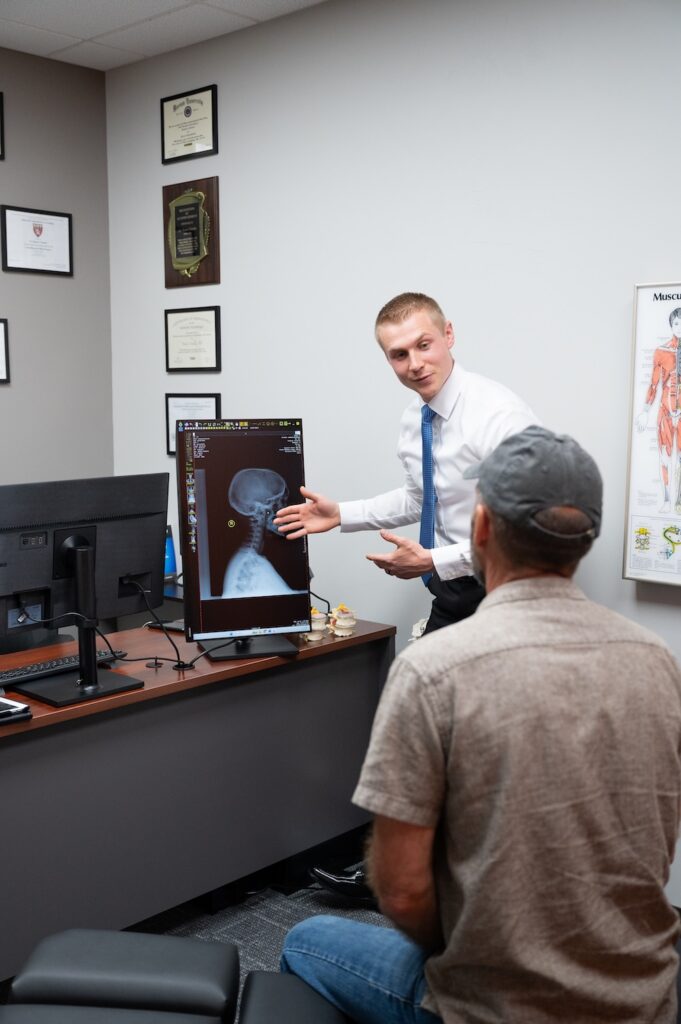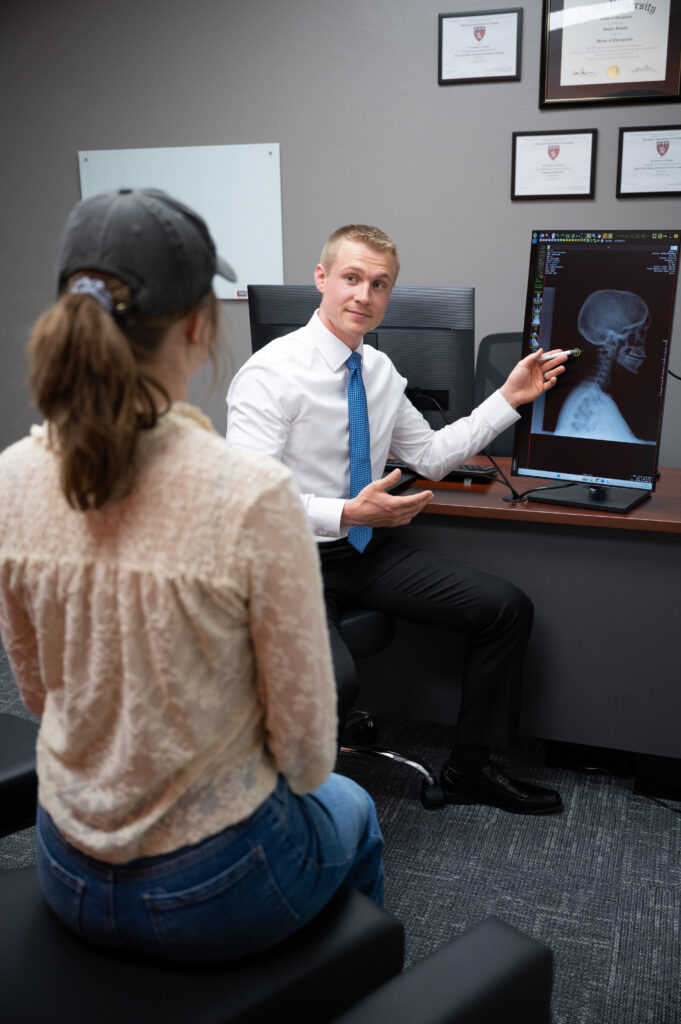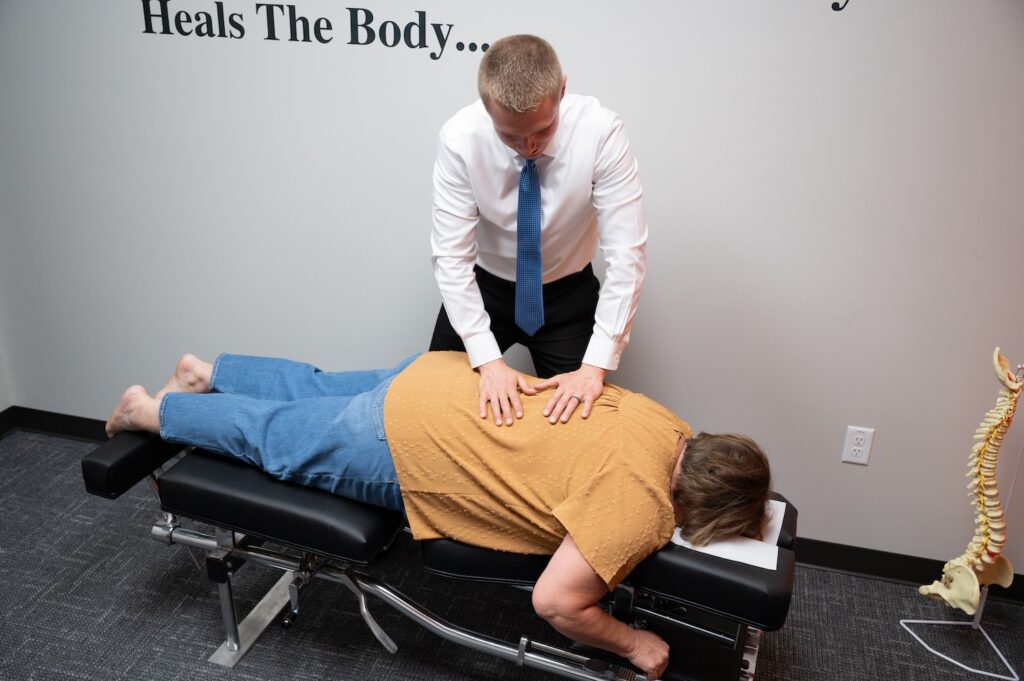

When it comes to athletic recovery, many people immediately think of traditional methods like rest and ice packs. However, as a local chiropractor, I encourage you to explore the significant benefits of alternative therapies that can enhance your recovery process. Techniques such as acupuncture, therapeutic massage, and cryotherapy can work wonders not only for alleviating physical tension but also for boosting your mental resilience.
Incorporating these natural healing modalities into your routine may help you recover more quickly and improve your overall performance. As you consider your options, it's important to think about which therapies resonate with your individual needs and athletic goals. By delving into these alternative approaches, you could uncover transformative insights that will elevate your athletic journey. Let's discuss how chiropractic care, combined with these therapies, can support your recovery and optimize your performance.
Importance of Recovery
Why is recovery so crucial for athletes? As a local chiropractor, I want to emphasize that recovery is essential for enhancing your performance. When athletes push their bodies to the limit during training or competition, micro-tears occur in the muscles. If these tears aren't given sufficient time to heal, they can result in fatigue, reduced performance, and even injuries.
Embracing recovery as part of your routine enables you to bounce back stronger, significantly improving your overall athletic capabilities. Recovery isn't simply about resting; it's about providing your body with the necessary resources to repair and grow. Your muscles need time to rebuild, and your energy reserves must be replenished to maintain peak performance.
Neglecting recovery can lead to overtraining, which can hinder your progress and lead to burnout. Additionally, mental recovery is equally important. Continuous training without breaks can result in mental fatigue, making it difficult to maintain focus and motivation.
By integrating recovery into your regimen, you're also giving your mind a chance to rejuvenate, which helps keep you sharp and engaged throughout your workouts. Furthermore, proper recovery plays a vital role in prolonging your athletic career. It helps preserve your physical health and minimizes the risk of chronic injuries that often stem from neglecting recovery.
Ultimately, prioritizing recovery isn't a luxury—it's a necessity for anyone serious about their athletic endeavors. It's crucial to recognize that rest and recovery are just as important as training itself when it comes to reaching your goals and maximizing your potential. As a chiropractor, I encourage you to consider the benefits of recovery and how it can support your journey in sports and overall wellness.
Overview of Alternative Therapies
As your local chiropractor, I want to share how alternative therapies can play a significant role in your recovery journey.
Many people may not be aware of the unique benefits these methods can provide. For instance, techniques like acupuncture, massage, and cryotherapy are becoming increasingly popular, especially among athletes, due to their proven effectiveness in promoting healing and reducing pain.
By exploring these natural healing options, you can enhance your recovery process and ultimately improve your overall performance.
I'm here to guide you through these alternatives and help you find the best approach for your individual needs.
Popular Alternative Techniques
As a local chiropractor, I want to share some insights on alternative techniques that can significantly enhance your recovery and overall performance, particularly if you're an athlete or someone who leads an active lifestyle.
One method you might've heard about is acupuncture. This ancient practice involves inserting thin needles into specific points on the body. Many individuals find that acupuncture can effectively alleviate pain and reduce muscle tension. It's known to improve circulation and promote relaxation, which is essential for recovery.
Chiropractic care, which I specialize in, is another powerful technique. By adjusting the spine and other joints, I can help relieve discomfort, improve your mobility, and support proper alignment. This not only alleviates pain but can also enhance your performance and speed up recovery times. It's about restoring balance in your body so you can function at your best.
Massage therapy is also highly beneficial for recovery. It can help reduce soreness, release tight muscles, and improve your flexibility. Whether you choose deep tissue, sports, or Swedish massage, each type offers tailored benefits that can complement your chiropractic care.
Additionally, yoga has seen a surge in popularity for its ability to promote both physical recovery and mental relaxation. Practicing yoga enhances flexibility, balance, and strength while fostering a sense of mindfulness that can be incredibly beneficial for overall well-being.
Lastly, you may have heard of cryotherapy, a technique that involves exposing the body to extreme cold. This method is effective in reducing inflammation, alleviating pain, and speeding up recovery.
Each of these techniques offers unique approaches to supporting your body's healing process, and I encourage you to consider how they can work together with chiropractic care to enhance your performance and well-being.
If you have any questions or would like to learn more about how these methods can benefit you, feel free to reach out!
Benefits for Athletes
As a local chiropractor, I want to share with you the incredible benefits that alternative therapies can bring to your athletic training. Many athletes, just like you, have found that incorporating these natural healing methods into their routines leads to remarkable improvements in their overall performance and recovery.
For example, regular chiropractic adjustments can enhance your body's alignment and function, which ultimately boosts your athletic performance. By improving your range of motion and reducing muscle tension, chiropractic care allows you to recover faster from intense workouts and injuries, helping you get back to what you love sooner.
In addition to chiropractic care, therapies like massage, acupuncture, and yoga can significantly enhance your training regimen. Massage therapy increases blood circulation, which is crucial for healing muscle tissues more quickly. Acupuncture can play a vital role in alleviating pain and reducing inflammation, enabling you to train with less discomfort.
And let's not forget yoga; it not only improves flexibility but also fosters mental resilience, both of which are essential in competitive sports.
These therapies also help manage stress levels, which is key to maintaining focus during competitions. When you integrate these practices into your routine, you support your overall well-being and extend your athletic career.
The true beauty of these alternative therapies lies in their holistic approach. By embracing chiropractic care and other natural healing methods, you're not just optimizing your recovery; you're elevating your entire athletic experience.
Discover the potential that lies within you by incorporating these valuable therapies into your training, and watch as you reach new heights in your performance!
Cryotherapy Benefits
As a local chiropractor, I want to share with you an exciting recovery method that can significantly enhance your wellness: cryotherapy. This innovative treatment involves exposing your body to extremely cold temperatures for a brief period, and it's becoming increasingly popular among athletes and fitness enthusiasts for its rejuvenating effects on muscles and reduction of soreness.
Here are some of the key benefits of cryotherapy that you may find intriguing:
- Reduced Inflammation: One of the primary advantages of cryotherapy is its ability to decrease inflammation in your muscles and joints. This is crucial for speeding up your recovery process and getting you back to your daily activities more quickly.
- Pain Relief: The cold temperatures can help numb painful areas, providing immediate relief. This can be particularly beneficial if you've recently experienced discomfort due to physical activity or injury, allowing you to resume your training routine sooner.
- Improved Circulation: After your cryotherapy session, as your body warms back up, blood flow increases. This enhanced circulation brings oxygen and essential nutrients to your muscles, promoting better recovery and overall healing.
- Enhanced Sleep Quality: Many of my patients have reported improved sleep patterns after engaging in cryotherapy. Quality sleep is vital for recovery and overall wellness, so this benefit can be particularly impactful.
- Mood Boost: The process of cryotherapy triggers the release of endorphins, which can elevate your mood. This natural boost makes it easier to stay motivated and committed to your health and fitness goals.
Incorporating cryotherapy into your recovery regimen could be a transformative addition. Regular sessions may help you recover more swiftly from intense workouts, alleviate muscle soreness, and maintain peak physical condition.
If you're curious about how cryotherapy can complement your chiropractic care and enhance your overall recovery journey, I encourage you to consider trying it out. Your body will thank you!
Acupuncture for Athletes
As a local chiropractor, I want to share the incredible benefits of acupuncture for athletes.
This natural healing technique can truly transform your recovery process by providing effective pain relief and enhancing overall performance.
Acupuncture promotes better blood circulation, which means your muscles receive the essential nutrients they need to recover faster and stronger.
Additionally, the stress reduction that comes with acupuncture helps keep your mind sharp and focused, allowing you to face your next physical challenge with confidence.
Embracing acupuncture alongside chiropractic care can be a powerful combination for your athletic journey.
Pain Relief Mechanism
As a local chiropractor, I want to share with you an ancient practice that many athletes are finding beneficial for pain relief: acupuncture. This therapy can be an excellent complement to chiropractic care, especially after intense training sessions or competitions. Acupuncture works by targeting specific points on your body to promote the release of endorphins and other natural pain-relieving substances.
Here are some key benefits of acupuncture that you might find useful:
- Reduces muscle tension: Acupuncture can effectively relax tight muscles, which can facilitate quicker recovery after physical exertion.
- Decreases inflammation: By enhancing blood flow, acupuncture may help reduce inflammation in areas that have been injured.
- Improves sleep quality: When pain is managed well, it often leads to improved sleep, which is crucial for recovery and overall health.
- Enhances mood: The endorphins released during acupuncture can boost your mood, which may also help diminish the perception of pain.
- Customizable treatment: One of the great aspects of acupuncture is that it can be tailored specifically to your unique pain issues, making it a versatile option for many.
Incorporating acupuncture into your recovery plan can't only alleviate pain but also enhance your overall performance, whether you're an athlete or someone who leads an active lifestyle.
As you explore various natural healing methods, consider how the unique pain relief mechanisms of acupuncture, alongside chiropractic care, can support your health goals and keep you feeling your best.
Improved Blood Circulation
As a local chiropractor, I want to share with you the importance of enhancing blood circulation, especially for those of you who are active or involved in sports. When you push your body through rigorous training, your muscles demand more oxygen and nutrients for effective recovery.
One natural method to improve circulation is through acupuncture, which I often recommend as part of a holistic approach to health. Acupuncture involves the gentle insertion of fine needles at specific points on your body. This practice can stimulate blood flow to the areas that need it most, helping to dilate blood vessels.
As a result, your body can deliver more oxygen and nutrients to your muscles, which is essential for recovery. Not only does this enhanced circulation support muscle repair, but it also aids in flushing out metabolic waste products, which can help reduce soreness and fatigue after a workout.
I've seen many patients benefit from integrating acupuncture into their recovery routines. With regular sessions, many notice that they recover more quickly from intense workouts, allowing them to train harder and longer. Improved blood flow can also lead to a boost in overall energy levels, which is vital during high-intensity training phases or competitive seasons.
If you're unfamiliar with acupuncture or chiropractic care, I encourage you to consider these natural healing methods as part of your wellness journey. By focusing on improving your circulation, you can enhance your performance and recuperation times, keeping you at your best.
Let's explore how we can work together to support your athletic goals through natural healing techniques!
Stress Reduction Benefits
As a local chiropractor, I want to share with you some valuable insights about how acupuncture can significantly reduce stress, especially for athletes. Managing stress is crucial for both performance and recovery, and acupuncture offers a natural, holistic approach to help achieve this balance.
By focusing on specific points in the body, acupuncture can stimulate the release of endorphins, which are our body's natural painkillers, and promote a state of relaxation.
Here are some key stress reduction benefits of acupuncture that I believe can greatly support your wellness journey:
- Increased Relaxation: Acupuncture activates the body's relaxation response, helping to lower anxiety levels and create a sense of calm.
- Improved Sleep Quality: Regular acupuncture treatments can lead to deeper, more restorative sleep, which is essential for recovery and overall health.
- Enhanced Focus: By easing mental tension, acupuncture can sharpen your concentration, which is particularly beneficial during training and competitions.
- Reduced Muscle Tension: Stress often manifests as physical tension in the body; acupuncture can effectively relieve tightness and discomfort in your muscles.
- Better Emotional Balance: This therapy helps regulate mood, which can reduce irritability and promote a greater sense of well-being.
Incorporating acupuncture into your recovery routine not only enhances your physical performance but also builds mental resilience.
The Role of Yoga
As a local chiropractor, I want to share the incredible benefits of yoga in enhancing athletic recovery and overall well-being. Many athletes often overlook the importance of flexibility, strength, and mental clarity in their training regimens, which can lead to injuries and hinder performance. Incorporating regular yoga practice can significantly improve your flexibility, helping to maintain your body's range of motion and reduce the risk of injuries.
Through various yoga poses, you can effectively stretch tight muscles and strengthen weaker ones, promoting a more balanced physique. This balance is essential for a healthy athletic performance, and as a chiropractor, I can attest to the positive impact that improved flexibility has on injury prevention.
Yoga also focuses on controlled breathing and mindfulness, which are crucial for achieving mental clarity and focus. After an intense workout or competition, athletes often feel mentally fatigued. Engaging in yoga allows you to reconnect with your body, cultivating a sense of calm that helps clear your mind and alleviate stress. This mental clarity can greatly enhance your decision-making abilities during training and competitions.
Additionally, the gentle movements involved in yoga facilitate muscle recovery. By increasing blood flow to your muscles, yoga aids in flushing out toxins and reducing soreness, which is vital when you're pushing your physical limits. Integrating yoga into your recovery routine not only promotes faster healing but also contributes to your overall resilience as an athlete.
Moreover, the meditative practices found in yoga foster a deeper connection to your body, helping you become more aware of your physical limits. Embracing yoga as a recovery tool can lead to a healthier, more holistic approach to your athletic journey.
Massage Therapy Techniques
As a local chiropractor dedicated to promoting natural healing and wellness, I want to share the significant benefits of incorporating massage therapy techniques into your recovery routine.
While many individuals focus on exercise and diet, understanding how massage can enhance your overall well-being is crucial.
Massage therapy not only alleviates muscle soreness but also improves circulation, reduces stress, and fosters relaxation. By exploring various techniques, you can customize your recovery to suit your unique needs, enhancing your health and vitality.
Here are five effective massage therapy techniques that can be beneficial:
- Swedish Massage: This technique employs long, flowing strokes that promote relaxation and enhance blood circulation, making it an excellent choice for post-exercise recovery.
- Deep Tissue Massage: By targeting deeper muscle layers, this method addresses chronic tension and pain, providing relief for those with specific areas of discomfort.
- Sports Massage: Tailored for athletes, this technique aims to improve performance and prevent injuries by focusing on the muscle groups engaged in your sport.
- Trigger Point Therapy: This technique applies pressure to specific points in the body, helping to release tightness and alleviate pain, particularly after intense physical activity.
- Myofascial Release: Involving gentle pressure on the fascia (the connective tissue surrounding muscles), this technique helps to relieve tension and enhance mobility—key components for maintaining flexibility.
Integrating these massage therapy techniques into your routine can significantly boost your recovery process.
Whether you choose to visit a professional therapist or engage in self-massage practices, you're likely to experience improved well-being as you recover stronger and more energized.
Embracing these natural healing methods can lead to a more balanced and healthier lifestyle.
Nutritional Support Strategies
As a local chiropractor, I often emphasize the importance of proper nutrition in enhancing your overall health and recovery, especially after physical activity. After engaging in intense workouts, your body is in need of the right nutrients to repair muscles, restore energy levels, and minimize inflammation. By prioritizing a balanced diet, you can significantly improve your recovery time and overall well-being.
Let's start with protein. Consuming high-quality protein sources, such as lean meats, fish, eggs, dairy, and plant-based options, is crucial for repairing muscle tissue. I recommend aiming for about 20-30 grams of protein within 30 minutes after exercising. This quick intake can kickstart your recovery process and help your body heal more effectively.
Carbohydrates also play a vital role. They're essential for replenishing glycogen stores, which provide the energy you need for your workouts. Focus on complex carbohydrates like whole grains, fruits, and vegetables, as they not only fuel your body but also supply valuable vitamins and minerals.
Combining carbohydrates with protein in your post-workout meals will help maximize your recovery benefits.
Don't forget about hydration—it's a key player in your recovery journey. Dehydration can slow down your healing process, so it's important to drink sufficient water throughout the day. After exercising, consider electrolyte drinks to help replace what you've lost through sweat.
Lastly, incorporating healthy fats into your diet is beneficial as well. Sources like avocados, nuts, and olive oil can help reduce inflammation and support your overall health.
By integrating these nutritional support strategies into your routine, you can enhance your recovery process, allowing you to train harder and perform better.
Mindfulness and Meditation
As a local chiropractor, I want to share how mindfulness and meditation can significantly enhance your recovery, especially if you're engaged in physical activities or sports. These practices aren't just for relaxation; they're powerful tools that can help you reduce stress, improve focus, and cultivate a sense of calm—key components for optimal healing and recovery.
When you practice mindfulness, you develop a deeper awareness of your body and its needs. This connection allows you to make informed decisions about your training and recovery strategies, which can be crucial after an adjustment or treatment.
Here are some benefits of incorporating mindfulness and meditation into your recovery process:
- Stress Reduction: By lowering cortisol levels, you can facilitate a faster recovery from injuries or muscle strain.
- Improved Focus: Enhancing your concentration can lead to better performance in your activities, making your chiropractic care even more effective.
- Better Sleep: Mindfulness promotes relaxation and improves sleep quality, which is essential for healing and recovery.
- Injury Awareness: Being mindful helps you tune into your body, allowing you to identify and address potential issues before they become serious.
- Emotional Balance: Building resilience can help you manage the pressures of competition and training, contributing to overall well-being.
To begin, find a quiet space where you can sit comfortably. Focus on your breathing, even if it's just for a few minutes each day.
Over time, you'll likely notice how mindfulness enhances your awareness of bodily signals and supports your healing journey. By incorporating these practices into your routine, you not only improve your recovery but also elevate your overall athletic performance and health.
Hydrotherapy Applications
As a local chiropractor, I want to share with you the incredible benefits of incorporating hydrotherapy into your recovery routine. Hydrotherapy uses the healing properties of water to alleviate pain and support your body's natural healing processes.
Whether you're enjoying a warm bath, trying out a contrast shower, or participating in aquatic therapy, these methods can significantly enhance your recovery journey.
One of the most effective techniques is warm water immersion. The heat helps to dilate your blood vessels, which increases blood flow to your muscles. This improved circulation can help flush out toxins and reduce stiffness, making you feel more relaxed and rejuvenated.
On the other hand, cold water immersion can be beneficial for reducing inflammation and numbing sore areas, which is especially helpful after a workout. You may find that alternating between hot and cold baths, known as contrast therapy, can further stimulate circulation and aid in muscle repair.
Aquatic therapy is another excellent option to consider. Exercising in water allows you to strengthen your muscles with minimal strain on your joints, making it a safe choice if you're recovering from an injury. The buoyancy of water supports your body, allowing for more freedom of movement and less discomfort.
Even simple practices like soaking your feet in warm water or enjoying a hot tub session can promote relaxation and enhance your overall sense of well-being. These activities can make it easier for you to recover after intense training sessions or daily stress.
Incorporating hydrotherapy into your recovery arsenal can be a transformative experience. As you explore these natural healing methods, you may discover enhanced relief and a more expedited healing process.
Don't hesitate to give it a try!
Integrating Therapies Into Training
As a local chiropractor, I want to share how integrating various therapies into your training can significantly enhance your recovery and overall performance.
By incorporating cross-training, mindfulness practices, and proper nutrition, you can strengthen both your physical and mental resilience.
Cross-training helps to prevent injuries by allowing different muscle groups to engage, reducing the strain on any one area.
Mindfulness practices, such as meditation or yoga, can enhance your mental clarity and focus, which is crucial for athletes.
Meanwhile, proper nutrition provides your body with the essential nutrients it needs to recover and perform at its best.
When these elements work together, you can optimize your athletic journey and promote natural healing.
As your chiropractor, I encourage you to explore these therapies and see how they can benefit your training and overall well-being.
Benefits of Cross-Training
As a local chiropractor dedicated to your overall health and wellness, I want to share with you the transformative benefits of cross-training in your fitness regime. By embracing a variety of activities, you can enhance your athletic recovery and overall well-being while minimizing the risk of injury.
Here's how cross-training can positively impact your health:
- Injury Prevention: By participating in different types of exercises, you strengthen various muscle groups. This diversity helps to prevent overuse injuries, which are common when focusing on a single type of activity.
- Improved Flexibility: Incorporating practices like yoga or Pilates into your routine can significantly improve your flexibility. Enhanced flexibility is crucial for maintaining optimal performance and can also aid in your recovery.
- Enhanced Endurance: Engaging in low-impact activities such as cycling or swimming boosts your cardiovascular fitness without putting excessive strain on your joints, allowing for a more sustainable workout routine.
- Mental Refresh: Changing up your workout routine keeps things fresh and engaging. This variety not only makes exercising more enjoyable but also helps to prevent mental fatigue and burnout.
- Balanced Muscle Development: Cross-training encourages balanced muscle development, ensuring that no single muscle group becomes overly dominant. This balance is vital for overall body mechanics and can complement the adjustments I provide in chiropractic care.
By incorporating cross-training into your lifestyle, you can promote a healthier, more resilient body.
If you're interested in learning more about how chiropractic care and cross-training can work together for your health, feel free to reach out to my office!
Mindfulness and Performance
As you consider the various ways to enhance your athletic performance, I want to introduce you to the concept of mindfulness and how it can play a significant role in your training. As a chiropractor, I often see the benefits of incorporating mindfulness into your routine, as it can greatly sharpen your focus and improve your mental resilience.
By being fully present during your workouts, you not only elevate your skills but also enhance your overall performance. Engaging in mindfulness practices, such as meditation or deep-breathing exercises, can be incredibly effective in managing stress and anxiety, especially during competitions.
When you learn to eliminate distractions, you'll find it easier to concentrate on your objectives and execute your strategies with precision. This increased awareness can lead to better decision-making, whether you're on the field, court, or training.
Moreover, mindfulness fosters a stronger connection between your mind and body. By tuning into your physical sensations, you can more easily identify signs of fatigue or discomfort. This awareness allows you to adjust your training regimen as needed, helping to minimize the risk of injury and promoting overall well-being.
I encourage you to incorporate mindfulness techniques into your warm-up or cooldown routines, or even set aside dedicated time for these practices during your training. By integrating mindfulness into your approach, you'll not only enhance your recovery but also unlock your true potential as an athlete.
Embrace the power of mindfulness, and watch how it can elevate your performance to new heights.
Nutrition's Role in Recovery
As a local chiropractor, I want to emphasize the vital role that nutrition plays in your recovery process, especially after intense physical activities. The right diet not only helps replenish your energy but also aids in muscle repair and reduces inflammation, which can enhance your overall healing and performance.
Here are some key nutritional components to consider integrating into your recovery strategy:
- Protein: This macronutrient is crucial for repairing and building muscles. I recommend focusing on lean protein sources such as chicken, fish, or plant-based options like legumes and tofu. Consuming adequate protein supports your body's healing processes.
- Carbohydrates: These are essential for replenishing glycogen stores that get depleted during physical activity. Opt for whole grains, fruits, and vegetables to provide your body with the necessary fuel for recovery.
- Healthy Fats: Incorporating healthy fats into your diet can support hormone production and help reduce inflammation. Foods like avocados, nuts, seeds, and olive oil are excellent choices to include in your meals.
- Hydration: Staying well-hydrated is crucial for optimal bodily function and recovery. Ensure you're drinking plenty of water, and consider incorporating electrolyte-rich beverages after workouts to replenish lost fluids.
- Micronutrients: Don't overlook the importance of vitamins and minerals in your recovery. Nutrients like magnesium and vitamin C play significant roles in healing. Eating a diverse range of fruits and vegetables can help ensure you're getting these essential micronutrients.
By prioritizing these nutritional elements, you can enhance your recovery process and support your overall health.
As your chiropractor, I'm here to guide you on your journey to better wellness and to help you understand how natural healing and proper nutrition can work hand in hand.
Conclusion
As a local chiropractor, I want to share how incorporating alternative therapies into your recovery routine can significantly enhance your athletic performance and overall well-being. Many athletes may not be familiar with the benefits of natural healing techniques like chiropractic care, cryotherapy, acupuncture, and yoga. These therapies can help alleviate muscle tension, reduce inflammation, and improve your mental resilience.
Chiropractic care, in particular, focuses on aligning the spine and optimizing the nervous system, which is crucial for peak performance and recovery. By addressing any misalignments or restrictions, you can promote better movement, reduce pain, and enhance your body's ability to heal.
It's important to remember that recovery is just as vital as your training regimen. I encourage you to take the time to explore these alternative therapies and discover which ones resonate with you. By doing so, you can unlock your full athletic potential while minimizing the risk of injuries. Let's work together to find the best approach for your recovery and overall health!