
As a local chiropractor, I want to reassure you that if you're experiencing lower back pain, you're certainly not alone. Many individuals face this challenge, and I understand that finding the right treatment can be quite overwhelming. One effective option to consider is chiropractic care, which focuses on restoring proper alignment and function to your spine and nervous system. In addition to chiropractic adjustments, I often recommend tailored exercises designed to strengthen your back and improve flexibility.
Furthermore, incorporating heat and cold therapy can provide immediate relief and help manage inflammation. Each of these methods has its own benefits, and often, the best results come from a combination of treatments tailored to your specific needs.
As we work together, it's crucial to understand the underlying causes of your pain, as this will guide us in developing an effective treatment plan. My goal is to help you regain control over your discomfort and improve your overall well-being through natural healing methods. Let's explore the most reliable treatments so you can find the relief you deserve!
Physical Therapy Options
When you're grappling with lower back pain, considering chiropractic care can truly transform your healing journey. Chiropractic focuses on optimizing bodily alignment, enhancing mobility, and strengthening the body's natural function, which can significantly reduce your discomfort. As a chiropractor, I'll thoroughly evaluate your condition and create a personalized care plan that caters to your individual needs.
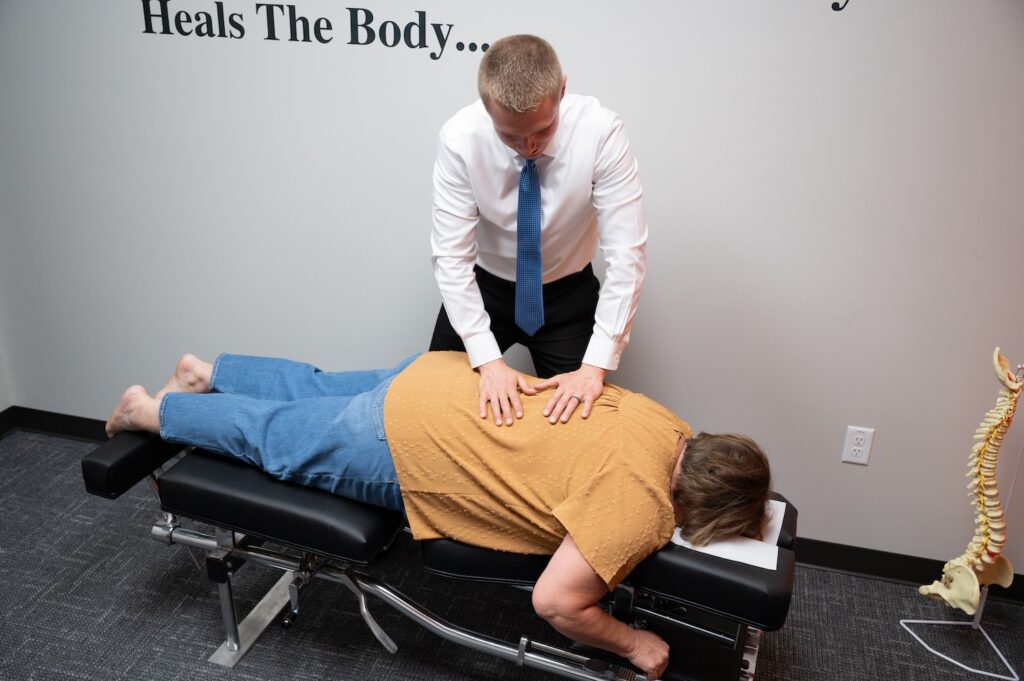
One of the first techniques you might experience in my practice is spinal manipulation, also known as an adjustment. This hands-on method helps realign your spine and surrounding structures, relieving tension and improving flexibility.
You'll also participate in specific exercises designed to strengthen your core and back muscles. These exercises not only alleviate pain but also fortify your body against future injuries by establishing a strong foundation.
Moreover, we may incorporate various supportive therapies such as heat, cold therapy, and electrical stimulation to enhance your treatment. These modalities assist in decreasing inflammation and improving circulation, thereby accelerating your recovery.
I'll also provide guidance on maintaining proper posture and body mechanics, crucial elements in preventing future issues.
Consistency is key in chiropractic care. Regular visits and adherence to my recommendations are vital for achieving optimal results. As you progress, you'll likely notice improvements in your mobility and a reduction in pain levels.
Ultimately, chiropractic care empowers you to take charge of your healing process, allowing you to return to your everyday activities with renewed confidence. Therefore, I encourage you to consider integrating chiropractic care into your approach to managing lower back pain.
Chiropractic Manipulation
As a local chiropractor, I want to take a moment to educate you about chiropractic manipulation, commonly known as spinal adjustment, and how it can be a vital part of your journey toward relieving lower back pain. This hands-on technique involves using my hands or a specialized instrument to apply controlled force to specific joints in your spine. The primary aim is to improve spinal motion and enhance your body's innate ability to heal itself.
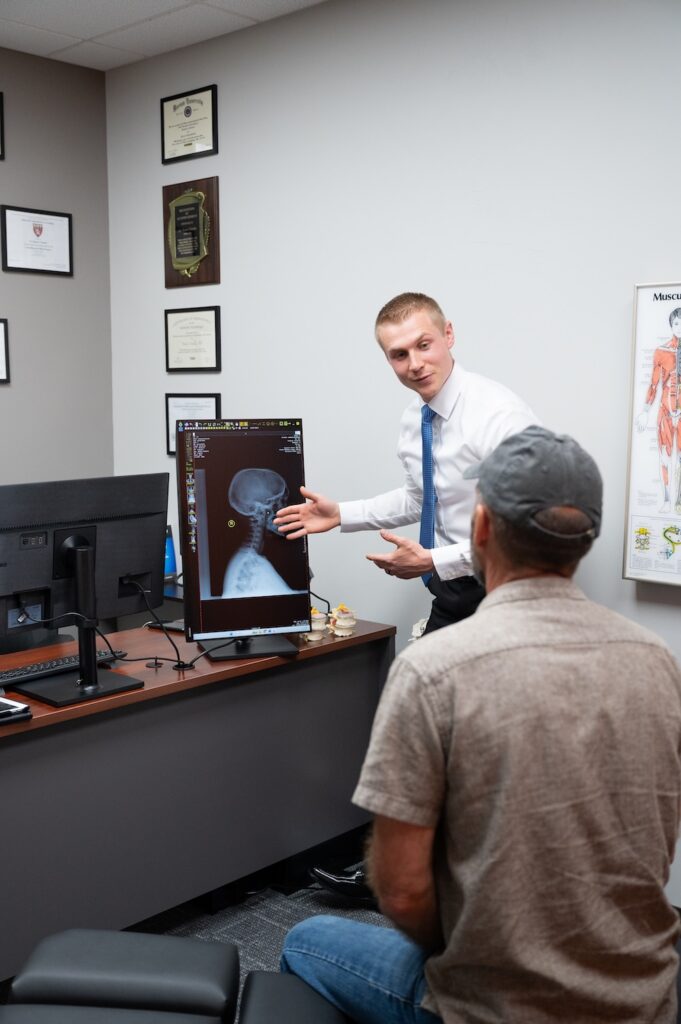
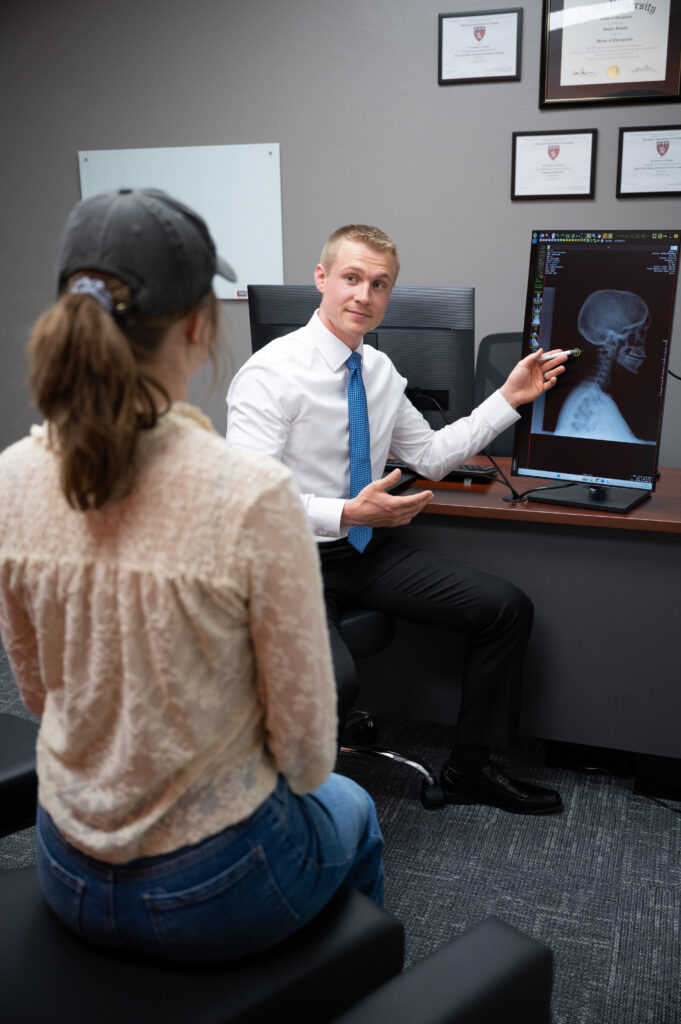
When you visit my clinic, I'll start by assessing your posture, range of motion, and any areas where you may feel tenderness. This comprehensive evaluation allows me to design a personalized treatment plan just for you. This plan might include spinal adjustments, targeted stretches, and specific exercises to support your healing process.
Many patients report feeling immediate relief after an adjustment, while others may require a few sessions to experience significant changes in their pain levels.
Chiropractic manipulation works by addressing misalignments in the spine, which can lead to discomfort and pain. By realigning your spine, we can alleviate pressure on nerves and improve blood flow to the affected areas. This can enhance your mobility and reduce pain, making it easier for you to engage in daily activities.
It's vital for you to communicate openly with me about your symptoms and any previous treatments you've tried. I want you to feel informed about what to expect from chiropractic care and how it can fit into your overall health and wellness plan.
If you're looking for a non-invasive approach to managing lower back pain, I encourage you to consider chiropractic manipulation as a valuable option in your path toward better health.
Medications for Pain Relief
As a local chiropractor, I want to help you understand how to manage lower back pain effectively.
Many people find relief through medications, but it's important to explore all your options. Over-the-counter pain relievers can be useful for mild discomfort, while prescription medications are available for more severe pain.
However, I encourage you to consider natural healing methods as well, such as chiropractic adjustments, which can address the root causes of your pain and promote overall wellness.
By understanding both medication and chiropractic care, you can make informed choices about your pain management strategy.
Over-the-Counter Options
As a local chiropractor, I often encounter patients struggling with lower back pain, and I want to share some insights into effective ways to manage that discomfort.
While many people may turn to over-the-counter (OTC) medications for quick relief, it's important to understand how these options work and their role in your overall health journey.
OTC medications like nonsteroidal anti-inflammatory drugs (NSAIDs), including ibuprofen and naproxen, can be helpful in reducing inflammation, which often contributes to soreness and stiffness in the lower back.
However, relying solely on these medications may not address the underlying causes of your pain.
Acetaminophen is another commonly used option for pain relief, but it doesn't have the anti-inflammatory properties of NSAIDs.
It's crucial to adhere to the recommended dosages to avoid adverse effects, particularly if you have pre-existing health issues.
In addition to oral medications, you might explore topical analgesics—creams, gels, or patches that can be applied directly to the painful area.
These provide localized relief without impacting your entire body, making them a suitable option for some patients.
While these OTC medications can indeed offer temporary relief, they aren't a comprehensive solution for long-term back health.
As a chiropractor, I emphasize the importance of addressing the root causes of your pain through natural healing methods, such as spinal adjustments, proper posture, and exercise.
If your pain persists or worsens, I encourage you to reach out for a thorough evaluation and personalized care plan that focuses not just on alleviating pain but also on enhancing your overall well-being.
Prescription Pain Relievers
As a local chiropractor dedicated to educating patients about holistic approaches to healing, I often encounter individuals struggling with persistent lower back pain who may not be familiar with all available options. While some may have turned to over-the-counter medications for relief, these may not always be effective for everyone.
In such situations, there are stronger prescription pain relievers that could be considered, but it's essential to understand them and their implications.
- Nonsteroidal Anti-Inflammatory Drugs (NSAIDs): These medications, like stronger versions of ibuprofen or naproxen, are often used to reduce inflammation and alleviate pain. However, relying solely on these can mask underlying issues that chiropractic care can address.
- Muscle Relaxants: Sometimes, tight muscles contribute significantly to discomfort. While muscle relaxants can temporarily ease spasms, it's important to explore natural methods, such as chiropractic adjustments and physical therapy, which can target the root causes of muscle tightness.
- Opioids: For those experiencing severe, chronic pain that doesn't respond to other treatments, opioids may be an option. However, they carry a risk of addiction and should be approached with caution. Chiropractic care offers a holistic alternative that can help manage pain without the associated risks of pharmaceuticals.
Before considering any prescription medication, I encourage you to have an open discussion with your healthcare provider about the potential side effects and interactions.
As a chiropractor, my goal is to help you develop a personalized pain management plan that focuses on natural healing methods, combining chiropractic adjustments, exercise, and lifestyle changes to enhance your overall well-being.
Always remember to follow any prescribed dosages carefully and consider the benefits of a more holistic approach to your health.
Alternative Therapies
As a local chiropractor, I want to share with you the potential benefits of exploring alternative therapies for lower back pain, especially when traditional treatments may not provide the relief you seek.
Our approach focuses on holistic healing, addressing not just the pain itself but also the underlying factors such as stress and lifestyle habits that contribute to discomfort.
One of the primary methods we utilize is spinal manipulation, a cornerstone of chiropractic care. This technique involves adjusting the musculoskeletal structure of your body, particularly the spine, to alleviate pressure on nerves and improve your overall function.
Many patients experience significant long-term benefits from regular chiropractic sessions, leading to improved mobility and a reduction in pain.
In addition to spinal adjustments, I also recommend considering massage therapy as a complementary treatment. A skilled massage therapist can target tight muscles and tension in your back, offering relief and promoting relaxation.
Techniques such as myofascial release or deep tissue massage can be particularly effective for deeper muscle relief.
If you're open to natural remedies, herbal supplements like turmeric and omega-3 fatty acids can provide anti-inflammatory benefits. However, I always advise consulting with your healthcare provider before starting any new supplements to ensure they're safe and suitable for your unique health needs.
Finally, incorporating mindfulness practices like yoga or tai chi can enhance your body awareness, improve flexibility, and reduce stress levels.
These activities promote a strong mind-body connection, supporting your healing journey.
By taking the time to explore these alternative therapies alongside chiropractic care, you may find a more comprehensive and effective approach to managing your lower back pain.
I'm here to guide you through this process and help you achieve a healthier, more balanced life.
Exercise and Stretching Routines
As your local chiropractor, I want to emphasize the importance of exercise and stretching routines in managing lower back pain. Many of my patients are surprised to learn how significantly these elements can contribute to their overall back health.
By focusing on strengthening your core muscles, enhancing flexibility, and engaging in low-impact aerobic activities, you can effectively alleviate discomfort and improve your quality of life.
Incorporating these practices into your daily routine not only helps to relieve pain but also supports the natural healing processes of your body.
I encourage you to explore various exercises and stretches tailored to your specific needs, as they can make a substantial difference in how you feel.
Importance of Core Strength
As a chiropractor, I want to emphasize the importance of building core strength for your overall health, particularly in alleviating lower back pain. A robust core is crucial for supporting your spine and minimizing the strain on your lower back, which can lead to improved posture and less discomfort during your daily activities.
When you focus on strengthening your core, you'll likely notice not just a reduction in back pain but also enhancements in your overall physical functionality.
To help you effectively build core strength, I recommend incorporating the following exercises into your routine:
- Planks: By holding a plank position, you engage multiple muscles in your core, which promotes stability and endurance. Start by holding the position for 30 seconds to one minute, and as your strength improves, gradually increase your time.
- Bridges: This exercise is performed by lying on your back with your knees bent and lifting your hips towards the ceiling. It strengthens the glutes and lower back, contributing to core stability. Begin with 10 repetitions and gradually increase as you become more comfortable.
- Bird-Dogs: While on all fours, extend one arm and the opposite leg at the same time. This movement enhances coordination and strengthens your core, fostering a balanced body. Aim for 10 repetitions on each side.
Incorporating these exercises into your routine can significantly benefit your core strength, which is essential for achieving a pain-free, active lifestyle.
Flexibility and Mobility Exercises
As a chiropractor, I want to emphasize the importance of incorporating flexibility and mobility exercises into your routine for optimal back health. While strengthening your core is crucial, these exercises play a vital role in maintaining the range of motion in your spine and hips, which can significantly reduce stiffness and help prevent injuries.
When you engage in regular stretching, such as the cat-cow stretch to mobilize your spine or the child's pose to gently ease tension in your lower back, you enhance blood flow to your muscles. This increased circulation can aid in recovery and alleviate discomfort. Additionally, including hip flexor stretches can help relieve tension that may be contributing to your back pain.
Mobility exercises like pelvic tilts and hip circles are also beneficial, as they promote flexibility and coordination. These movements encourage proper alignment, making it easier for you to perform daily tasks without straining your back.
I encourage you to be consistent with these exercises—aim to practice flexibility and mobility movements several times a week. By dedicating time to these practices, you won't only improve your overall back health but also enhance your physical performance in everyday activities.
Low-Impact Aerobic Activities
As your local chiropractor, I want to emphasize the importance of incorporating low-impact aerobic activities into your daily routine to support your lower back health.
These exercises aren't only gentle on your body, but they also promote circulation, strengthen the muscles that support your spine, and help alleviate stiffness.
Allow me to introduce three effective low-impact activities that I recommend:
- Walking: This is one of the simplest and most accessible forms of exercise you can do. Walking helps you maintain mobility while being easy on your back. I suggest aiming for about 30 minutes a day; if that feels too daunting, feel free to break it down into shorter sessions throughout the day.
- Swimming: The buoyancy of water is incredibly beneficial for those with back issues. It provides support to your body, significantly reducing stress on your joints and spine. Whether you swim laps or participate in water aerobics, these activities can improve your cardiovascular fitness while being gentle on your back.
- Cycling: Riding a stationary bike or cycling outdoors is an excellent way to elevate your heart rate without putting excessive strain on your body. Just ensure that your bike seat is adjusted properly to maintain a comfortable position and avoid any unnecessary strain on your lower back.
Incorporating these low-impact activities can be a natural and effective way to enhance your overall well-being and support your spinal health.
If you have any questions or need guidance on how to get started, don't hesitate to reach out. Your health is my priority!
Heat and Cold Treatments
As a local chiropractor, I want to share some effective methods for alleviating lower back pain that can be easily incorporated into your daily routine: heat and cold treatments.
Understanding how to use these techniques effectively can provide you with quick relief and promote healing.
When you apply heat to your lower back, it increases blood flow to the area, helping to relax tight muscles and alleviate stiffness. You might consider using a heating pad, a warm towel, or even taking a warm bath.
Aim for about 15 to 20 minutes of heat application, making sure it's warm but not too hot to avoid burns. This treatment is especially beneficial for chronic pain or muscle tension.
In contrast, cold treatments can be very effective in reducing inflammation and numbing sharp pain. Ice packs or even a bag of frozen vegetables can serve this purpose well.
When using cold therapy, apply it for 10 to 15 minutes at a time, and always place a cloth between the ice and your skin to prevent frostbite. Cold treatments are particularly useful during the initial stages of an injury or when you're experiencing acute pain.
You may find it helpful to alternate between heat and cold as needed. This combination can aid in managing pain and improving mobility.
It's important to pay attention to how your body responds, as some people may find one method works better for them than the other.
As you explore these natural healing methods, remember that if your pain persists or worsens, it's essential to consult a healthcare professional, such as myself, for further evaluation and treatment options.
Your comfort and well-being are my top priorities, and I'm here to help you on your journey to better health.
Lifestyle Modifications
As a local chiropractor dedicated to your health and well-being, I want to emphasize the powerful role that thoughtful lifestyle modifications can play in alleviating lower back pain and enhancing your overall quality of life.
While chiropractic care is an excellent option, you don't have to rely solely on treatments; making some adjustments to your daily habits can lead to significant improvements. Here are three key changes I recommend:
1. Stay Active: Engaging in regular physical activity is crucial for strengthening your core and back muscles, which provides essential support for your spine.
I encourage you to participate in low-impact activities like walking, swimming, or yoga. Even incorporating short walks into your daily routine can significantly help alleviate pain and improve flexibility.
2. Maintain Good Posture: Your posture plays a critical role in your spinal health.
Whether you're sitting at your desk or driving, it's important to maintain a neutral spine position. I suggest using ergonomic furniture and taking regular breaks to stretch throughout the day. Proper posture minimizes strain on your back and can prevent your pain from worsening.
3. Watch Your Weight: Carrying excess weight can put additional stress on your lower back.
Adopting a balanced diet alongside consistent physical activity can help you achieve and maintain a healthy weight. Focus on incorporating whole foods—such as fruits, vegetables, lean proteins, and whole grains—into your meals to nourish your body and support your back.
By implementing these lifestyle modifications, you can experience noticeable improvements in your lower back pain.
Remember, consistency is essential. As you make these changes, you'll likely begin to feel the benefits, leading to a healthier, pain-free life.
If you have any questions or need guidance, don't hesitate to reach out—I'm here to help you on your journey to better health!
Surgical Interventions
As a local chiropractor, I want to take a moment to discuss the importance of exploring all avenues for relieving lower back pain, especially before considering surgical interventions. Many individuals are unaware that conservative treatments, such as chiropractic care, lifestyle modifications, and targeted exercises, can often provide significant relief from chronic pain.
Chiropractic care focuses on restoring proper alignment and function to the spine, which can alleviate pressure on nerves and help reduce symptoms like pain, numbness, and weakness in your legs. Our approach emphasizes natural healing and encourages the body to heal itself, which can be a game changer for those struggling with persistent discomfort.
Before considering surgery, I encourage patients to explore non-invasive options with a qualified chiropractor. We can perform a thorough evaluation of your condition, including assessing your medical history and functional limitations. Through techniques like spinal adjustments and soft tissue therapies, we aim to promote healing and improve your overall mobility.
While surgical procedures like discectomy or spinal fusion may be necessary for some, they do come with risks and a recovery period that can be lengthy. Many of my patients find that through consistent chiropractic care, they can experience significant improvement without the need for invasive procedures.
If you've been dealing with lower back pain that affects your daily life, I invite you to schedule a consultation. Together, we can discuss your symptoms and develop a personalized treatment plan that prioritizes natural healing.
Conclusion
As your local chiropractor, I want to emphasize that effectively managing lower back pain requires a personalized approach that combines various treatments. Chiropractic care is a cornerstone of this process, focusing on spinal adjustments to alleviate pain and improve overall function. In addition to chiropractic adjustments, physical therapy and tailored exercise routines can significantly aid in your recovery by strengthening the muscles that support your back.
It's also important to consider lifestyle modifications, such as maintaining a healthy weight and practicing good posture, as they can play a vital role in your healing journey. Incorporating heat or cold therapy can provide additional relief by reducing inflammation and promoting blood flow.
If your pain continues despite these efforts, I encourage you to seek professional guidance. Together, we can explore advanced interventions that may be beneficial for your situation. Remember, taking proactive steps today can lead to lasting comfort and enhanced mobility tomorrow. I'm here to help you every step of the way!