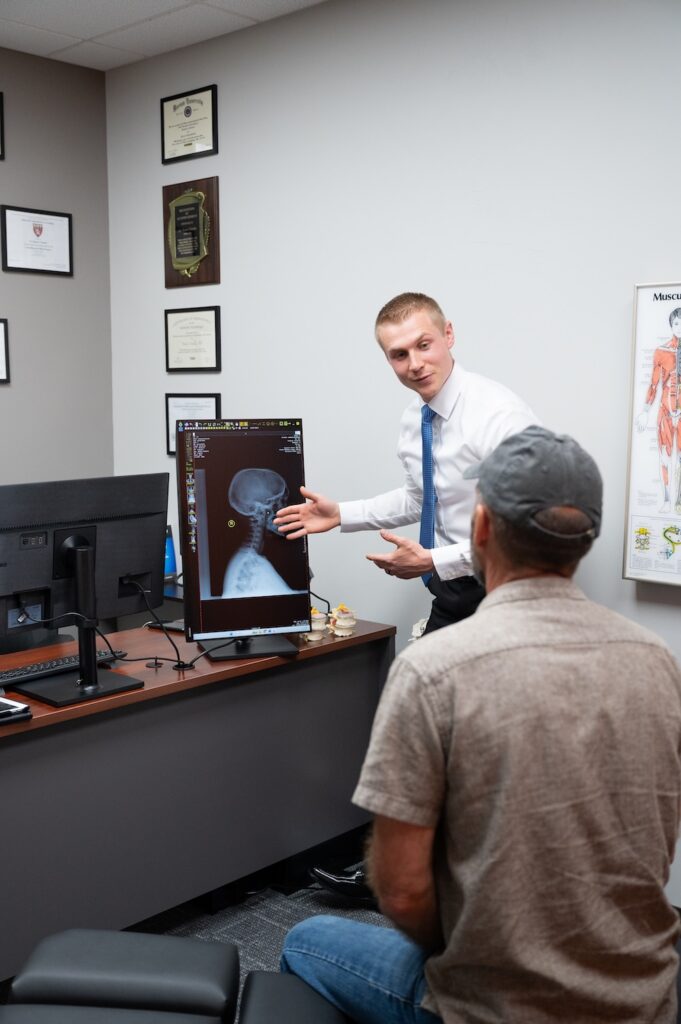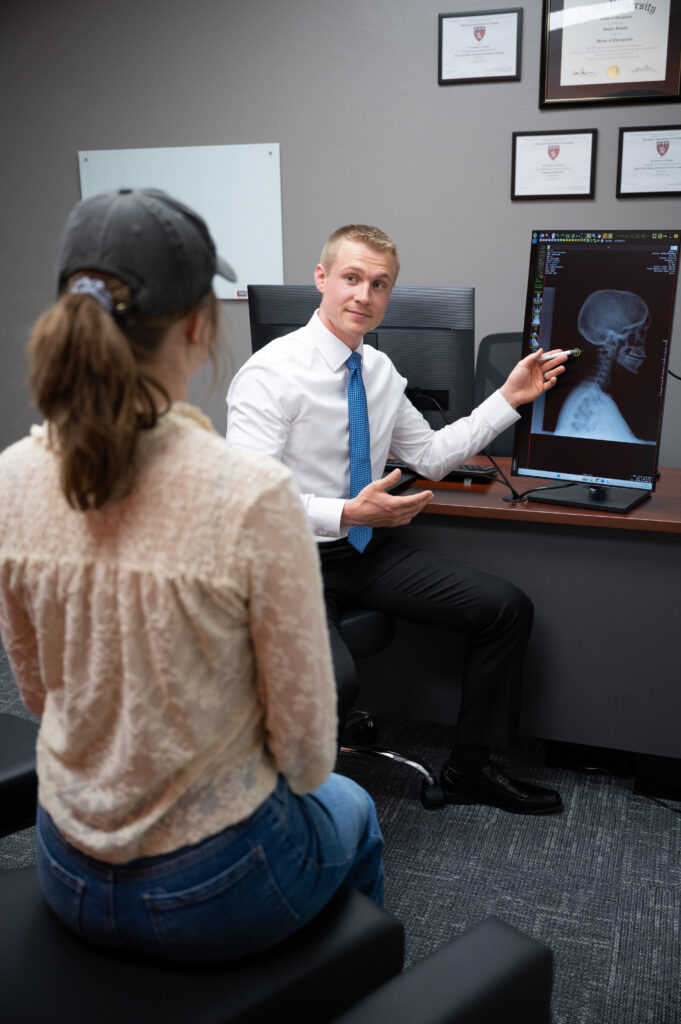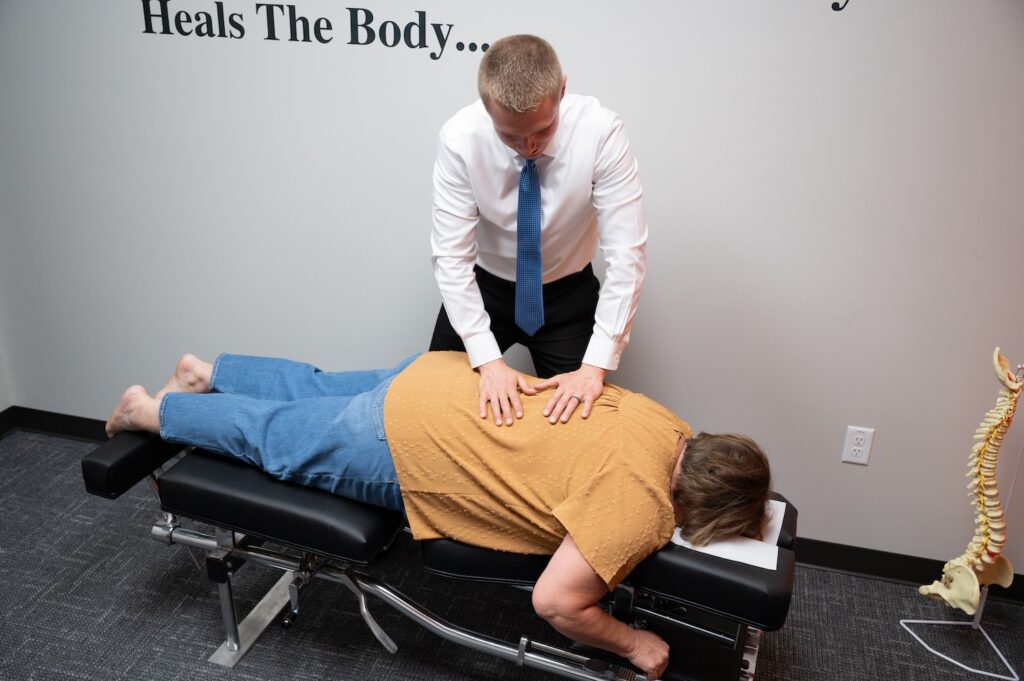

As a local chiropractor, I want to share with you how small adjustments in your daily routine can significantly enhance your flexibility. Many people underestimate the impact of simple strategies like dynamic stretching and taking mindful movement breaks. These practices not only improve your physical range of motion but also contribute to your overall well-being.
It's important to remember that staying hydrated and maintaining proper posture at your workspace are crucial elements of your flexibility journey. While these may seem like minor details, they play a vital role in how your body functions and feels. If you're curious about specific adjustments that can bring the most benefit to your life, let's dive into ten practical ways to incorporate these enhancements into your everyday routine. By embracing these changes, you can support your body's natural healing processes and improve your flexibility in no time.
Incorporate Dynamic Stretching
How can you effectively boost your flexibility? As a chiropractor, I often encourage my patients to incorporate dynamic stretching into their routines. Unlike static stretching, which involves holding positions for extended periods, dynamic stretching actively engages your muscles and joints, preparing your body for movement. This not only enhances your range of motion but also significantly reduces the risk of injury.
I recommend starting your warm-up with dynamic stretches. Simple exercises such as leg swings, arm circles, and walking lunges are excellent choices that activate your muscles and promote blood flow. When performing these stretches, focus on maintaining controlled movements. For example, while doing leg swings, engage your core and swing your leg forward and backward in a smooth manner. This approach not only stretches your muscles but also improves your overall coordination.
Aim for 5 to 10 minutes of dynamic stretching before your workout. You can also integrate these stretches during breaks in longer training sessions to keep your body limber and ready for action. Just keep in mind that the key is to move through a full range of motion without bouncing or forcing any positions.
As you become more comfortable with dynamic stretching, feel free to challenge yourself by incorporating more complex movements like high knees or butt kicks. By doing so, you'll not only enhance your flexibility but also improve your overall athletic performance.
Maintain Proper Hydration
As a local chiropractor, I want to emphasize the importance of staying properly hydrated for enhancing your flexibility and overall physical performance. Many people may not realize that when your body isn't receiving enough water, your muscles can become tight, which can significantly limit your ability to move freely.
Maintaining adequate hydration is crucial for keeping your muscles and connective tissues elastic, enabling you to stretch more effectively and support your body's natural alignment.
Even mild dehydration can have a noticeable impact on your flexibility. Just a 1-2% drop in your body's water content can lead to muscle stiffness and a decreased range of motion. To prevent this, it's vital to drink water consistently throughout the day, especially before, during, and after any physical activity. This practice helps ensure that your muscles remain supple and ready to move, which is essential for your overall health and wellness.
Hydration goes beyond just drinking water. It's also beneficial to include foods with high water content in your diet, such as fruits and vegetables. Incorporating items like cucumbers, oranges, and watermelon can significantly enhance your hydration levels while providing essential nutrients that support muscle health and recovery.
I encourage you not to wait until you feel thirsty to drink. Make it a habit to sip water regularly throughout the day. If you struggle to remember, consider setting reminders for yourself. A simple indicator of your hydration status is the clarity of your urine—the clearer it is, the better hydrated you are.
Integrating proper hydration into your daily routine can lead to significant improvements in your flexibility and physical performance. Each time you hydrate, you're taking an important step toward a more agile body and achieving your fitness goals.
As your chiropractor, I'm here to support you in your journey toward optimal health, and staying hydrated is a key part of that process.
Adjust Posture Throughout the Day
As a local chiropractor, I want to emphasize the significant impact your desk setup has on your body posture throughout the day.
Many people are unaware of how much their daily habits can affect their overall health. By making simple adjustments to your posture and incorporating regular movement breaks, you can enhance both your flexibility and comfort levels.
I encourage you to be mindful of your sitting position and to take short breaks to stretch and move around.
These small changes can lead to substantial improvements in your physical well-being.
Let's dive into how these adjustments can transform your daily routine and support your journey toward better health.
Desk Ergonomics Matter
As a local chiropractor, I want to emphasize the importance of maintaining proper desk ergonomics for your overall health, especially if you're spending long hours in front of a computer. An improperly set up workstation can lead to unnecessary strain on your neck, back, and wrists, which may contribute to discomfort and even chronic pain over time.
To start with, ensure your chair is adjusted so that your feet rest flat on the floor and your knees form a 90-degree angle. Supporting your back is vital; consider using a lumbar support cushion to promote a healthy posture.
Next, let's talk about your monitor. It's crucial to position it at eye level to avoid straining your neck. Ideally, the top of the screen should be at or just below eye level and about an arm's length away. This alignment helps keep your head in line with your spine, reducing tension and discomfort.
Your keyboard and mouse should be close enough that your elbows can remain at your sides and your wrists stay straight. If you find yourself leaning forward or hunching over, it's a sign that adjustments are needed in your setup.
Lastly, remember to frequently check in on your posture throughout the day. Even small adjustments can significantly impact how you feel.
Mindful Movement Breaks
As a local chiropractor, I want to emphasize the importance of incorporating mindful movement breaks into your daily routine. These small, intentional pauses can significantly enhance your posture and overall well-being. Many of my patients come in experiencing discomfort from prolonged sitting, and I often recommend simple movement strategies to help alleviate that tension and stiffness.
Here are some effective mindful movement ideas that can easily fit into your day:
- Stand and stretch: Reach your arms overhead and gently lean to each side. This helps open up the spine and improve circulation.
- Neck rolls: Slowly roll your head in a circular motion to release tension. Many people carry stress in their necks, and this simple exercise can be very beneficial.
- Hip openers: Stand up and lift one knee to your chest, holding for a few seconds before switching sides. This movement encourages hip mobility and can help counteract the effects of sitting.
- Wrist and finger stretches: Extend your arms and flex your wrists to ease strain from typing. Our hands and wrists often bear the brunt of repetitive tasks, so give them some love!
- Walking breaks: Take a quick walk around your space to re-energize. Movement stimulates blood flow and can greatly improve your focus and energy levels.
Integrating these simple activities into your day can lead to significant improvements in how you feel. By consistently engaging in mindful movement, you're not only enhancing your flexibility but also reducing discomfort and supporting a healthier posture.
Use Foam Rollers Regularly
As a local chiropractor dedicated to promoting natural healing and overall wellness, I want to highlight the importance of foam rollers in enhancing your flexibility and aiding muscle recovery. Regularly incorporating foam rolling into your routine can significantly alleviate muscle tightness and enhance your range of motion. By gently rolling over stubborn knots and trigger points, you not only release tension but also boost blood flow to your muscles, facilitating a quicker recovery.
When starting your foam rolling journey, it's crucial to choose a roller that aligns with your comfort level. If you're new to this practice, I recommend beginning with a softer foam roller. As your body adapts, you can transition to a firmer roller for deeper tissue work.
Focus on major muscle groups such as the quads, hamstrings, calves, and back. Spend about 1-2 minutes on each area, applying gentle pressure and rolling slowly. This approach allows you to identify and address areas that require extra care.
I encourage you to make foam rolling a regular part of your routine, ideally before or after your workouts. Rolling before exercise serves as an excellent warm-up, preparing your muscles to be more pliable and ready for movement. After your workouts, foam rolling can be instrumental in recovery, helping to reduce soreness and enhance flexibility.
While foam rolling, it's essential to listen to your body—discomfort is normal, but pain is not. If you encounter a particularly tight spot, take a moment to pause and breathe into it. This technique promotes relaxation and assists in releasing built-up tension.
Remember, consistency is key. By using foam rollers regularly, you'll notice significant improvements in your flexibility and overall muscle health, making your workouts not only more effective but also more enjoyable.
As your chiropractor, my goal is to empower you to embrace these natural methods of healing and enhance your overall well-being.
Include Yoga in Your Routine
As a chiropractor focused on enhancing your well-being, I encourage you to consider incorporating yoga into your routine. This holistic practice combines physical postures, mindfulness, and breath control, which can significantly complement your chiropractic care.
By integrating yoga, you can't only enhance your flexibility but also improve your strength and balance, contributing to a healthier spine and overall body alignment. Here are some key reasons why adding yoga to your daily life can be beneficial:
- Enhances Muscle Elasticity: Regular yoga practice stretches and lengthens your muscles, promoting greater pliability over time. This can support the adjustments I perform in the office, helping to maintain your spinal integrity.
- Improves Posture: Many yoga poses emphasize alignment, which is crucial for developing better posture. Improved posture alleviates tension and can prevent injuries, aligning perfectly with our goals in chiropractic care.
- Promotes Mind-Body Connection: Yoga encourages mindfulness and being present, fostering a deeper awareness of your body. This awareness is essential for recognizing how to support your spine and overall health.
- Increases Range of Motion: With consistent yoga practice, you'll notice an expanded range of motion in your joints and muscles. This flexibility can enhance the effectiveness of chiropractic adjustments and improve your overall mobility.
- Reduces Stress: The calming effects of yoga can help lower stress levels, which often contribute to physical tension and discomfort in the body. Reducing stress is vital for maintaining a healthy spine and overall wellness.
You don't need to be an expert to get started. Look for beginner-friendly yoga videos or classes online, and set aside some time each week for practice.
You may be surprised at how quickly you notice improvements in your flexibility, balance, and overall physical health. Embrace this opportunity to nurture your body and mind through the transformative power of yoga, and see how it complements the benefits of chiropractic care.
Focus on Breathing Techniques
As a local chiropractor, I want to emphasize the importance of breathing techniques in your journey towards improved flexibility.
Many people overlook how crucial deep breathing and visualization can be in enhancing your physical performance. By consciously focusing on your breath, you can foster a stronger connection between your body and movements.
This vital connection not only helps you to relax but also supports your body's natural healing processes, ultimately leading to better results in your flexibility training.
Incorporating these breathing techniques can be a game-changer in how you approach your overall health and wellness.
Importance of Deep Breathing
As a local chiropractor dedicated to your overall health and wellness, I want to emphasize the importance of deep breathing techniques in enhancing your flexibility and well-being. Many people underestimate the power of their breath, but by focusing on it, you can build a stronger connection to your body, which is crucial in your journey towards improved flexibility.
When you engage in deep breathing, you activate your diaphragm, allowing for increased oxygen flow throughout your body. This process not only promotes relaxation but also reduces tension in your muscles, which can significantly benefit your chiropractic care.
Here are some key benefits of incorporating deep breathing into your routine:
- Increases oxygen supply: This can enhance your muscle performance and speed up recovery, making your chiropractic adjustments more effective.
- Reduces stress levels: Deep breathing helps calm both your mind and body, allowing for smoother, more efficient movements during therapy sessions.
- Improves posture: By fostering awareness of your body alignment, deep breathing can play a vital role in achieving better posture, which is essential for flexibility.
- Enhances focus: Staying present with your breath makes it easier to connect with your body during stretches and adjustments.
- Promotes relaxation: Deep breathing aids in releasing tight muscles, making it easier to achieve deeper stretches and improve your overall flexibility.
To begin your journey, I encourage you to practice deep breathing exercises both before and during your flexibility training. Take slow, deep breaths in through your nose, filling your lungs completely, and then exhale fully through your mouth.
With consistent practice, you'll likely notice significant improvements in your flexibility as well as your overall well-being. Embracing these techniques can enhance the benefits of chiropractic care and support a healthier lifestyle.
Visualization and Breath Connection
As a local chiropractor, I want to share with you how connecting your breath with visualization techniques can significantly enhance your flexibility training, which is essential for maintaining a healthy spine and overall well-being.
When you take the time to consciously focus on your breath, you create a powerful link between your body and mind, enriching your experience and the benefits you gain from your stretches.
As you inhale deeply, I encourage you to visualize the specific muscles you're stretching. Imagine them lengthening and relaxing with each breath you take. This mental imagery not only improves the effectiveness of your stretches but also helps you maintain proper posture and alignment, which are crucial for spinal health.
To get started, find a comfortable position where you can relax. Close your eyes and take a few deep breaths. With each exhale, visualize any tension melting away from your body.
As you transition into a stretch, continue to breathe deeply. Picture your breath flowing into the targeted muscles, bringing warmth and relief. This practice fosters relaxation, which is vital for enhancing your flexibility and supporting your chiropractic care.
As you incorporate visualization with your breathing techniques, you may notice increased range of motion and improved performance in your daily activities.
Additionally, this approach cultivates mindfulness, allowing you to fully engage in your training and care. By making this connection, you're not just stretching; you're embracing a holistic method that nurtures both your physical health and mental clarity.
Gradually Increase Range of Motion
As a chiropractor, I want to emphasize how crucial it's for your body to move freely, and one of the best ways to achieve this is by gradually increasing your range of motion. This process not only boosts your flexibility but also plays a significant role in preventing injuries and enhancing your overall physical performance.
To begin this journey, it's important to focus on small, manageable increments. Here are some tips to help you safely expand your range of motion:
- Warm Up: Always start with a proper warm-up to prepare your muscles and joints for the stretching that follows. This is essential to prevent injury and ensure that your body is ready to move.
- Static Stretching: Incorporate static stretching into your routine. Hold each stretch for about 15-30 seconds. This gentle approach allows your muscles to gradually adapt and become more flexible over time.
- Dynamic Stretching: Engage in dynamic stretches that reflect the movements you'll be performing in your daily activities or sports. This not only promotes better range of motion but also prepares your body for action through active engagement.
- Listen to Your Body: Pay close attention to how your body responds during each stretch. If you feel any pain, it's important to ease back and adjust your technique. Your body is your best guide.
- Consistency is Key: Make stretching a regular part of your routine. Aim to dedicate time to flexibility training several times a week. This consistent effort is vital for seeing progress.
As you start to notice improvements in your flexibility, challenge yourself to reach a little deeper into your stretches. Your muscles will adapt, and you'll find that your range of motion will naturally expand.
Remember, this is a journey, not a race. Be patient with yourself and take time to celebrate the small victories along the way.
With ongoing effort and a mindful approach, increased flexibility won't only enhance your physical performance but also improve your overall well-being. If you have any questions about how chiropractic care can support your journey towards better movement and flexibility, feel free to reach out!
Take Frequent Movement Breaks
As your local chiropractor, I want to emphasize the importance of taking frequent movement breaks for your overall health.
Many people may not realize that regular movement can significantly enhance blood circulation and help prevent muscle stiffness, which is crucial for maintaining a healthy spine and body.
When you take the time to stand up, stretch, or walk around, you're not only giving your mind a much-needed refresh, but you're also promoting flexibility and reducing the risk of discomfort or pain.
Remember, incorporating short breaks into your daily routine can make a big difference in how you feel both physically and mentally.
Boosts Blood Circulation
As a local Chiropractor, I want to emphasize the importance of incorporating frequent movement breaks into your daily routine to enhance your blood circulation.
Many of my patients are surprised to learn that simple actions, such as stretching or taking a short walk, can significantly stimulate blood flow throughout the body. This is vital not only for improving flexibility but also for promoting overall health and well-being.
Here are some practical suggestions to help you integrate movement into your day:
- Stand Up: Aim to stand up and move around at least once every hour. Even a minute of standing can make a difference.
- Stretch: Take a moment to perform a quick stretch. This can help loosen tight muscles and encourage blood flow.
- Walk: Consider taking a brief walk, whether it's around your home or office. This small action can really get your blood pumping.
- Dance: Listen to your favorite song and dance for a few minutes. It's a fun way to move and can have great health benefits!
- Use the Stairs: Whenever possible, choose stairs over elevators. It's a great way to elevate your heart rate and improve circulation.
These simple movements can lead to substantial improvements in your overall health and are an essential part of a holistic approach to wellness that I advocate in my practice.
Prevents Muscle Stiffness
As a local chiropractor, I'm here to help you understand the importance of movement in preventing muscle stiffness. Many people don't realize that staying in one position for extended periods can lead to tight, inflexible muscles. When your muscles aren't regularly engaged, they can become stiff, which can contribute to discomfort and a range of issues.
To combat this, I encourage you to incorporate frequent movement breaks into your daily routine. Even just a few minutes every hour can make a significant difference. Stand up, perform light stretches, or take a short walk. These simple actions not only help keep your muscles loose but also promote better blood circulation, which is essential for overall health.
To make it easier, consider setting a timer as a reminder to move. This can help establish a habit of staying active, reducing discomfort in areas like your back, neck, and legs. Remember, even small movements can have a big impact on your well-being.
By making these breaks part of your day, you can enhance your flexibility and overall quality of life. Don't underestimate the power of taking a moment to move—your body will appreciate it, and you'll likely feel more agile and energized as you go about your day.
If you have any questions about how chiropractic care can support your movement and overall health, feel free to reach out. I'm here to help!
Invest in Supportive Footwear
As a local chiropractor, I often emphasize the importance of supportive footwear in enhancing your flexibility and overall mobility. The shoes you choose can significantly affect your ability to stretch and move comfortably. Wearing inadequate footwear can lead to discomfort and limit your range of motion, which is counterproductive to your flexibility goals.
Here's why prioritizing supportive footwear is essential for your health:
- Arch Support: Shoes with proper arch support help maintain your body's alignment, which can reduce strain on your muscles and ligaments. This is particularly important for preventing discomfort during daily activities and exercise.
- Cushioning: Well-cushioned shoes absorb shock effectively, minimizing the impact on your joints while you're engaging in flexibility exercises. This cushioning can help prevent injuries and promote a more enjoyable experience while stretching.
- Stability: A stable base is crucial for maintaining balance, especially as you work on various flexibility routines. Shoes that provide stability can enhance your confidence and performance during these exercises.
- Breathability: Selecting shoes made from breathable materials will keep your feet comfortable and help prevent overheating, which can lead to discomfort and distractions during your workouts.
- Durability: Investing in high-quality footwear means you won't have to replace them frequently. This durability ensures that your flexibility journey remains uninterrupted and effective over time.
Choosing supportive footwear isn't just about comfort; it's about laying a solid foundation for achieving your flexibility and wellness goals.
When your shoes provide adequate support, you're less likely to experience pain or injury, allowing you to concentrate on your stretching and mobility exercises.
I encourage you to take the time to find shoes that fit well and address your specific needs. Your body will thank you as you advance towards improved flexibility and a healthier lifestyle.
Prioritize Consistent Warm-Up Sessions
As a local chiropractor, I want to emphasize the importance of warming up your body before any physical activity. Incorporating three simple warm-up exercises into your routine can significantly enhance your flexibility and overall well-being. By prioritizing consistent warm-up sessions, you're not only preparing your muscles and joints for upcoming movements but also reducing your risk of injury and improving your range of motion.
I recommend starting with dynamic stretches such as arm circles, leg swings, and torso twists. These exercises are excellent for getting your blood flowing, elevating your heart rate, and enhancing your performance during physical activities. Just a brief five to ten minutes dedicated to warming up can have a substantial impact on your flexibility.
It's crucial to cultivate the habit of warming up before any physical activity—be it a yoga class, a run, or a trip to the gym. As you progress in your fitness journey, feel free to adjust the intensity and duration of your warm-ups to align with your fitness level and the type of activity you'll be engaging in.
I can't stress enough how vital these warm-up sessions are! Many people overlook this step, but they're essential for achieving optimal flexibility. Consider setting a consistent schedule for your warm-ups, perhaps before every workout or practice session. You'll likely notice that, with regular warm-ups, your flexibility will improve over time.
In addition to your warm-up routine, I also encourage you to incorporate static stretches after your workouts. While warm-ups prepare your body for movement, post-workout stretching helps to elongate the muscles, aiding in recovery and fostering long-lasting flexibility gains.
Conclusion
As your local chiropractor, I want to share some valuable adjustments you can incorporate into your daily routine to enhance your flexibility and overall well-being. One of the key aspects of maintaining a healthy body is embracing dynamic stretching, which can significantly improve your range of motion. Staying well-hydrated is also essential; it helps keep your muscles and joints functioning optimally.
Good posture plays a crucial role in your body's alignment, so be mindful of how you sit and stand throughout the day. Using foam rollers can aid in muscle recovery and alleviate tension, while practicing yoga can further enhance your flexibility and reduce stress. Gradually increasing your range of motion during activities is important, as it helps prevent injury and promotes healing.
I encourage you to take frequent movement breaks, especially if you have a sedentary lifestyle. This simple adjustment can have a profound effect on your flexibility and overall health. Investing in supportive footwear can also make a big difference in how your body feels throughout the day.
Lastly, prioritizing consistent warm-up sessions before any physical activity is essential. It sets the stage for successful flexibility training and ensures that your body is prepared for movement. By incorporating these adjustments into your daily life, you can greatly improve your flexibility and enjoy a healthier, more active lifestyle.