If you're struggling with back pain, you might be interested in exploring some effective non-invasive solutions that can help you find relief. Physical therapy can provide tailored exercises to strengthen your back, while chiropractic care focuses on spinal alignment to alleviate discomfort. Additionally, incorporating mindfulness techniques into your routine can help manage stress and tension. Each of these approaches offers unique benefits, but the real question lies in how they can work together to support your recovery journey. Let's unpack these options further.
Physical Therapy
Physical therapy offers a proactive approach to managing back pain, helping you regain strength and mobility. By working with a skilled physical therapist, you'll learn exercises tailored to your specific needs, targeting the muscles that support your spine. These exercises not only alleviate pain but also improve your overall function, making daily activities easier.
During your sessions, your therapist will assess your condition and develop a personalized treatment plan. This plan may include stretching, strengthening, and stability exercises to address any muscle imbalances. You'll find that consistent practice of these exercises can lead to significant improvements in your pain levels and mobility.
In addition to exercises, your therapist might incorporate techniques like manual therapy, which involves hands-on manipulation of soft tissues and joints. This can help relieve tension and enhance circulation, further aiding your recovery.
They'll also educate you on proper body mechanics and ergonomics to prevent reinjury in your daily life.
Don't underestimate the power of physical therapy. Many individuals experience long-lasting relief from back pain through this non-invasive method. As you engage in your treatment, you'll likely notice not just a reduction in pain but also an enhancement in your physical fitness and well-being.
Staying committed to your therapy sessions and practicing at home can lead to a more active lifestyle, allowing you to enjoy activities you may have once avoided due to discomfort. Embrace this opportunity to reclaim your life from back pain.
Chiropractic Care
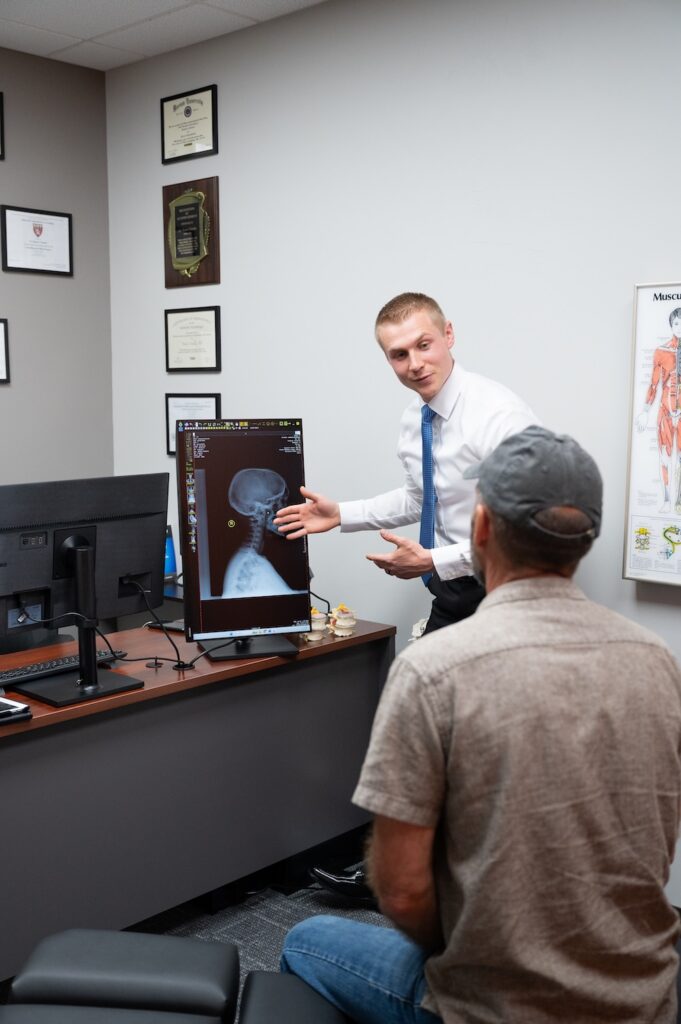
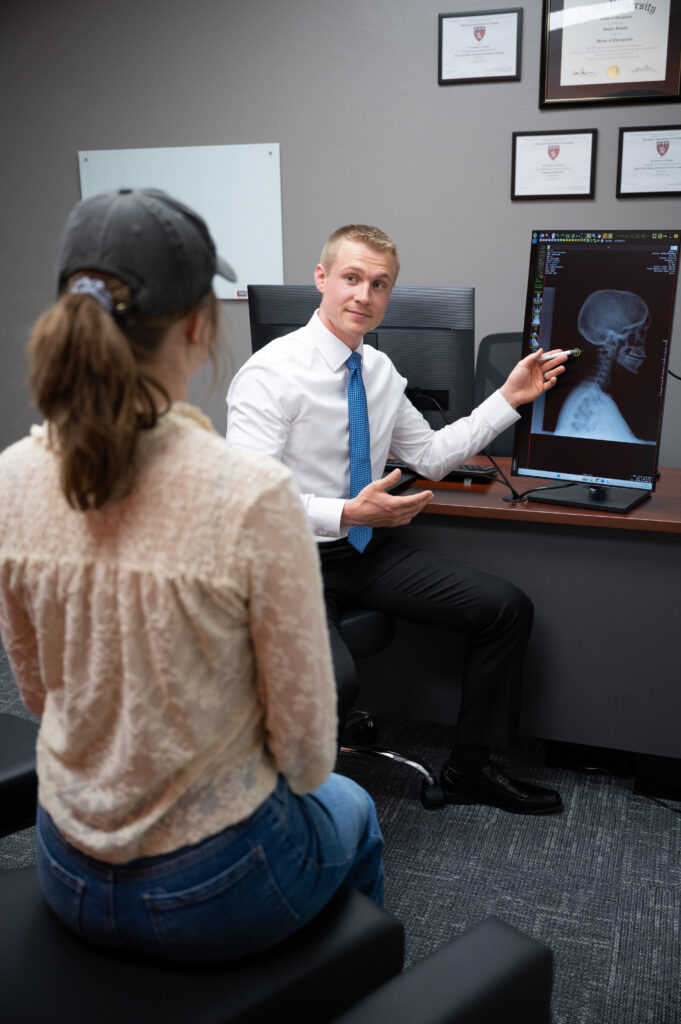
Chiropractic care can be a complementary approach to physical therapy when managing back pain. It focuses on diagnosing and treating musculoskeletal disorders, particularly issues related to the spine. When you visit a chiropractor, they'll conduct a thorough assessment, which may include a physical examination and a review of your medical history. This helps them identify misalignments or dysfunctions that could be contributing to your discomfort.
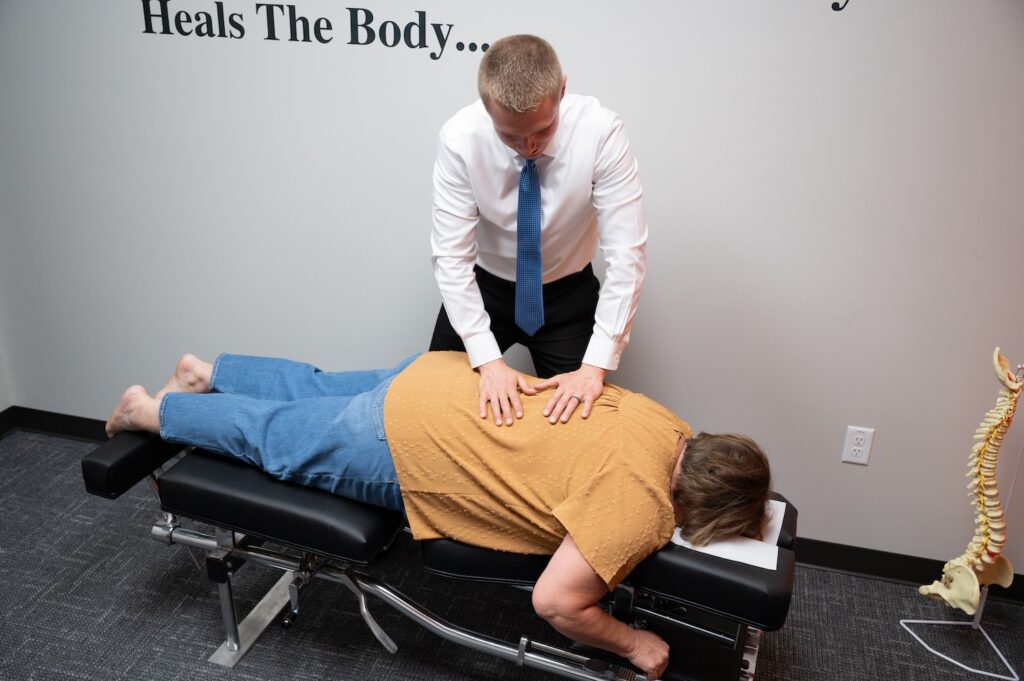
Chiropractors primarily use spinal manipulation and manual adjustments to restore proper alignment and mobility to your spine. By correcting these misalignments, you may experience reduced pain and improved function. Many individuals find that regular chiropractic sessions help alleviate the tension in their back muscles and joints, leading to better overall physical well-being.
In addition to spinal adjustments, chiropractors often provide guidance on exercises and stretches tailored to your specific needs. These can help strengthen the muscles supporting your spine and improve your posture, further reducing the risk of future back pain.
You might also receive advice on lifestyle changes, such as ergonomics at your workstation or sleeping positions that can enhance your recovery.
It's vital to communicate openly with your chiropractor about your symptoms and any concerns you have. This collaborative approach guarantees your treatment plan is tailored to your unique situation.
Mindfulness and Relaxation Techniques
Mindfulness and relaxation techniques offer powerful tools for managing back pain by helping you reduce stress and tension in your body. When you practice mindfulness, you focus your attention on the present moment, which can create a sense of calm and reduce anxiety. This shift in focus allows you to become more aware of how stress impacts your body, helping you identify areas of tension that may contribute to your back pain.
One effective method is deep breathing. By taking slow, deep breaths, you activate your body's relaxation response, promoting increased oxygen flow and reducing muscle tension. Try inhaling deeply through your nose, holding for a few seconds, and exhaling slowly through your mouth. Repeat this several times, and you'll likely notice a decrease in discomfort.
Another approach is progressive muscle relaxation (PMR). This technique involves tensing and then relaxing different muscle groups. Start from your toes and work your way up to your head, focusing on releasing tension. This practice not only helps you become aware of physical tension but also promotes a deeper sense of relaxation throughout your body.
Incorporating mindfulness meditation into your daily routine can also be beneficial. Spend a few minutes each day sitting in a quiet space, closing your eyes, and concentrating on your breath.
Conclusion
Incorporating physical therapy, chiropractic care, and mindfulness techniques into your routine can make a significant difference in managing back pain. By strengthening your body, aligning your spine, and reducing stress, you'll not only find relief but also enhance your overall well-being. Remember, you don't have to rely on invasive procedures to feel better. Embrace these non-invasive solutions, and take a proactive step towards a healthier, pain-free life. You deserve to feel your best!