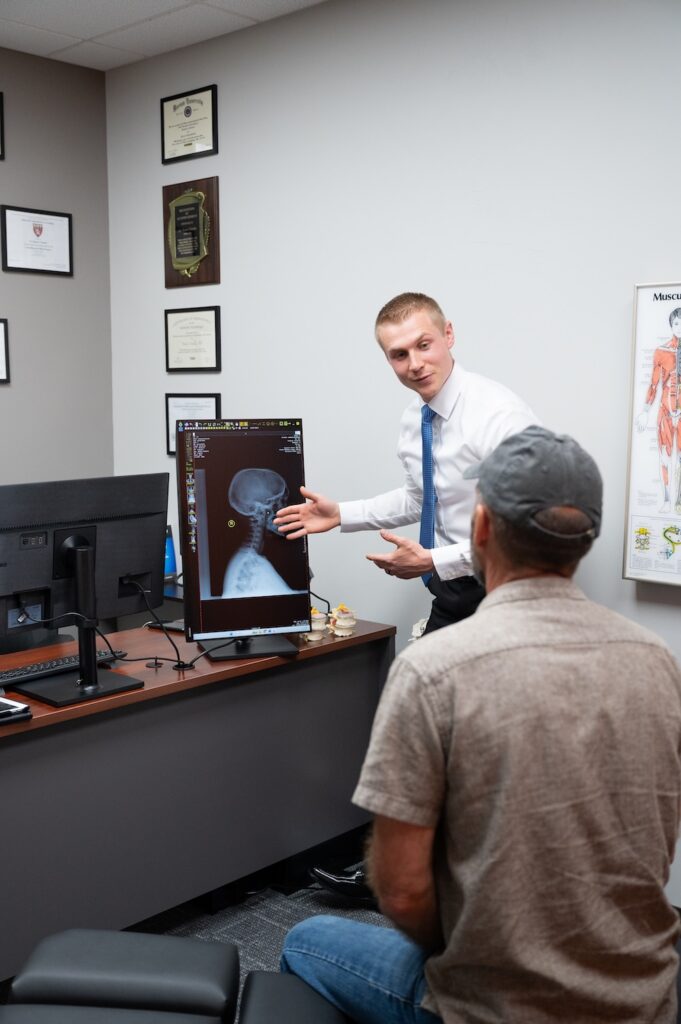
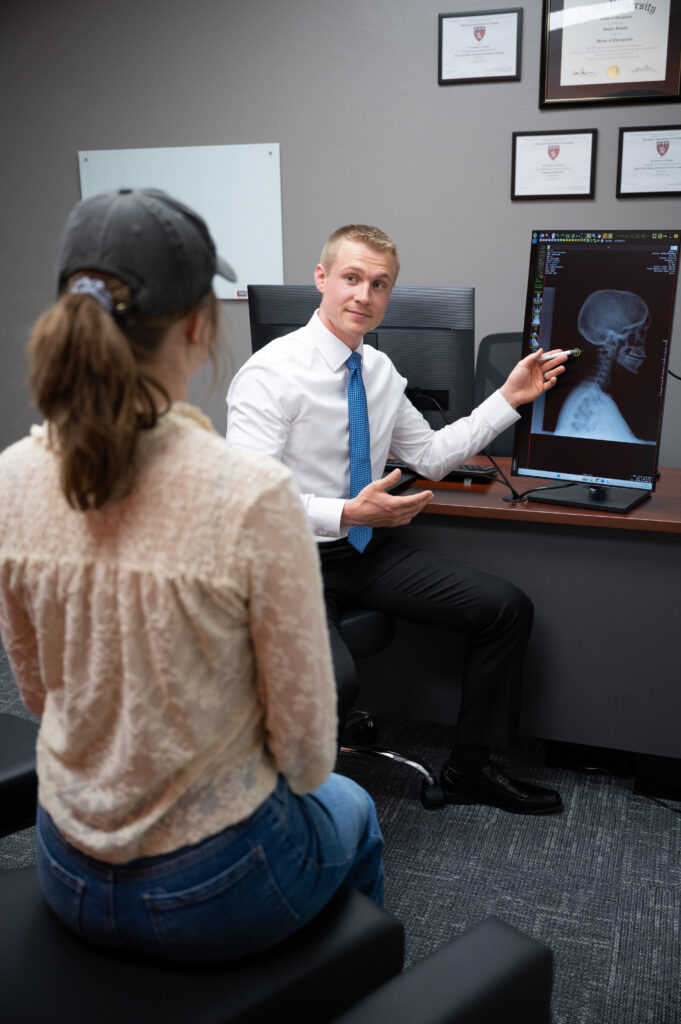
When it comes to back pain relief, you might feel overwhelmed by the myriad of options available. It is crucial to recognize that a one-size-fits-all approach rarely works; instead, understanding your unique pain triggers and lifestyle influences can lead to more effective solutions. By exploring personalized treatment strategies, you can take a more active role in your recovery. But what specific steps can you take to tailor your approach, and how can these adjustments impact your overall well-being? The answers might surprise you.
Understanding Back Pain Causes
Back pain can stem from a variety of causes, and understanding these factors is vital for finding relief. You might experience discomfort due to muscle strains, which often occur when you lift something heavy or twist your body awkwardly. These strains can lead to inflammation and pain that lingers if not addressed properly.
Another common source of back pain is poor posture. If you spend long hours sitting at a desk or using your phone, you may unknowingly put undue stress on your spine. Recognizing how your daily habits contribute to back pain can be an important first step toward improving your situation.
In some cases, underlying medical conditions, like herniated discs, arthritis, or spinal stenosis, can also be culprits. These conditions can result in chronic pain that requires a more thorough approach to treatment. If you notice persistent pain that doesn't improve with rest, it's a smart idea to consult a healthcare professional for proper diagnosis.
Additionally, lifestyle factors such as obesity, a lack of exercise, and smoking can exacerbate back pain. Maintaining a healthy weight and staying active helps support your back and overall well-being.
Lastly, emotional stress can manifest physically, leading to tension in your back muscles. Being aware of how stress impacts your body can equip you with tools to manage both mental and physical pain.
Importance of Personalized Treatment
Personalized treatment is essential for effectively managing back pain, as each individual's experience and underlying causes can vary considerably. When you seek relief, it's vital to recognize that what works for one person mightn't work for you. Your unique medical history, lifestyle, and even emotional state play significant roles in how back pain manifests and how it should be addressed.
By opting for personalized treatment, you're more likely to identify the root causes of your discomfort. This approach allows healthcare professionals to tailor a strategy that suits your specific needs, rather than relying on a one-size-fits-all solution. For instance, your back pain might stem from a herniated disc, muscle strain, or poor posture, and understanding this difference is key to effective management.
Additionally, personalized treatment fosters a sense of involvement in your healing process. You'll be more engaged when you see a plan designed specifically for you, which can enhance your motivation to stick with it. This commitment can lead to better outcomes and a greater sense of empowerment.
Moreover, personalized treatment often incorporates various modalities, addressing not just the physical symptoms but also the emotional and psychological aspects of pain. By treating the whole person rather than just the symptoms, you're setting yourself up for long-term relief and improved quality of life.
Physical Therapy Options
When it comes to alleviating back pain, physical therapy options offer a variety of effective strategies tailored to your needs. These therapies focus on strengthening muscles, improving flexibility, and enhancing overall function, which can greatly reduce pain and prevent future issues.
One common approach is manual therapy, where a trained therapist uses hands-on techniques to manipulate and mobilize your spine and surrounding tissues. This can help alleviate tension and improve your range of motion.
In addition to manual therapy, therapeutic exercises are essential. These exercises target specific muscle groups, helping to build strength and stability in your back.
Another beneficial option is education on body mechanics. A physical therapist can teach you how to lift, bend, and sit correctly, minimizing strain on your back during daily activities. Incorporating ergonomic adjustments at work or home can also make a substantial difference.
You might also explore modalities like heat and cold therapy, ultrasound, or electrical stimulation, which can complement your treatment plan. Each of these options works to relieve pain, reduce inflammation, or promote healing.
Don't forget about the importance of consistency. Regular sessions will help you stay on track and make progress. Your therapist will assess your condition continually, adjusting your plan as needed to guarantee you're getting the most effective care.
In short, physical therapy not only addresses your current back pain but equips you with the tools to maintain a healthy, pain-free back in the long run.
Role of Medication in Relief
For many people, medication plays an essential role in managing back pain effectively. You might find that over-the-counter options, like nonsteroidal anti-inflammatory drugs (NSAIDs) such as ibuprofen or naproxen, can provide quick relief from mild to moderate pain.
These medications help reduce inflammation, easing your discomfort and allowing you to go about your day with less interruption.
If your pain is more severe or persistent, your healthcare provider may prescribe stronger medications, like muscle relaxants or even opioids for short-term use. While opioids can be effective, it's important to use them cautiously due to the risk of dependence.
Always follow your doctor's guidance when using these medications.
Additionally, corticosteroids may be recommended to alleviate pain and inflammation in certain cases. You may receive these either orally or through injections directly into the affected area.
These options can provide significant relief, but they also come with potential side effects, so discuss these thoroughly with your healthcare professional.
Exploring Alternative Therapies
While medication can provide temporary relief from back pain, many people seek out alternative therapies to complement their treatment or to find longer-lasting solutions. These therapies often focus on holistic approaches, addressing not just the symptoms but also the underlying issues contributing to your discomfort.
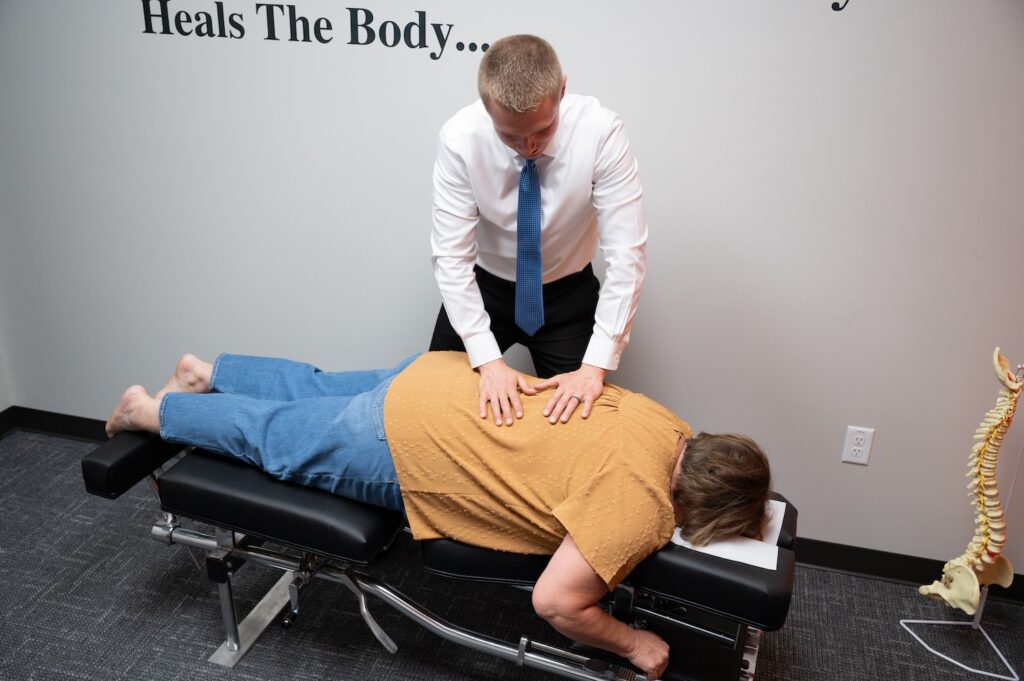
Chiropractic care is one popular option. By realigning your spine, chiropractors can help improve mobility and reduce pain. Many individuals find considerable relief after just a few sessions.
If you're interested in a more hands-on approach, massage therapy could also be beneficial. Different techniques, such as deep tissue or trigger point massage, can help release tension and promote relaxation in tight muscles.
Acupuncture is another alternative therapy worth exploring. This ancient practice involves inserting thin needles into specific points on your body, which can stimulate healing and alleviate pain. Many patients report impressive results after a series of treatments.
Physical therapy is a more structured alternative that focuses on strengthening the muscles that support your back. A physical therapist can create a tailored exercise program designed to enhance your flexibility and build core strength, ultimately reducing pain.
Lastly, yoga is an excellent way to improve your posture and flexibility, which can considerably impact back pain. Regular practice can help you develop mindfulness and body awareness, aiding in pain management.
Exploring these alternative therapies can provide you with new tools to manage your back pain effectively, empowering you to take control of your health and well-being.
Lifestyle Modifications for Prevention
To prevent back pain, you need to focus on making smart lifestyle changes.
Setting up an ergonomic workstation and sticking to a regular exercise routine can make a significant difference.
These adjustments not only promote better posture but also strengthen your back over time.
Ergonomic Workstation Setup
Setting up an ergonomic workstation can considerably reduce your risk of back pain, especially if you spend long hours at a desk.
Start by ensuring your chair supports your lower back. An adjustable chair that allows your feet to rest flat on the floor is ideal. Your knees should be at a 90-degree angle, which helps maintain proper posture.
Next, position your computer monitor at eye level. This way, you won't have to tilt your head up or down, minimizing strain on your neck. Use an adjustable monitor stand if needed.
Keep your keyboard and mouse close enough to avoid reaching; your elbows should remain at a 90-degree angle when typing.
Consider using a footrest if your feet don't touch the floor. It promotes better circulation and reduces strain on your lower back.
Take regular breaks to stand, stretch, and move around. This prevents stiffness and keeps your muscles engaged.
Finally, pay attention to your workspace lighting. Proper lighting reduces glare on your screen, helping you maintain focus without straining your eyes and neck.
Regular Exercise Routine
Creating an ergonomic workstation is a great first step, but incorporating a regular exercise routine can further protect your back from pain. Exercise strengthens the muscles that support your spine, boosts flexibility, and improves overall posture. You don't need an intense workout regimen to reap the benefits; small, consistent efforts can make a significant impact.
Consider including these activities in your routine:
- Stretching: Simple stretches can help relieve tension and improve flexibility.
- Strength Training: Focus on core exercises to build stability and support for your back.
- Low-Impact Aerobic Activities: Walking, swimming, or cycling can enhance endurance without putting excess strain on your back.
Aim for at least 150 minutes of moderate aerobic activity weekly, along with two days of strength training.
Listen to your body and adjust your routine accordingly. If you experience pain, consult a healthcare professional to tailor your exercises to your needs.
Innovative Technology Solutions
How can innovative technology transform your approach to back pain relief? Today, you have access to a variety of cutting-edge tools and devices designed to address your specific pain points. From wearable devices that monitor your posture to smart mats that provide real-time feedback, technology can empower you to take control of your back health.
One standout innovation is the emergence of virtual reality (VR) therapy. By immersing yourself in a calming environment, you can distract your mind from pain and engage in guided exercises tailored to your condition. This not only makes your rehabilitation more enjoyable but can also enhance its effectiveness.
Another powerful tool is the use of targeted electrical stimulation devices. These gadgets can deliver gentle electrical impulses directly to your muscles, promoting relaxation and increasing blood flow. You can use them at home, making it easier to incorporate pain relief into your daily routine.
Additionally, mobile apps designed for back pain management offer personalized exercise regimens, mindfulness practices, and progress tracking. They keep you accountable and motivated, ensuring you stay on track with your recovery.
Smart furniture is also on the rise. Ergonomic chairs and adjustable desks can greatly improve your posture and reduce strain on your back throughout the day.
As you embrace these innovative solutions, remember that technology isn't a substitute for professional medical advice, but it can certainly complement your overall treatment plan. By integrating these tools into your life, you're taking a proactive step toward lasting relief.
Psychological Impact and Support
Back pain doesn't just affect your body; it can take a significant toll on your mental health as well. Living with chronic pain can lead to feelings of anxiety, depression, and frustration. You may find it hard to engage in daily activities or enjoy the things you once loved.
This emotional burden can create a vicious cycle, where pain leads to stress, and stress exacerbates your pain.
Recognizing the psychological impact of back pain is essential for your overall well-being. Here are some common mental health challenges you might face:
- Anxiety: The fear of worsening pain or the uncertainty of recovery can weigh heavily on your mind.
- Depression: Chronic pain can sap your energy and motivation, contributing to feelings of hopelessness.
- Social Isolation: Pain may limit your ability to socialize, leading to loneliness and withdrawal from loved ones.
Support is important when maneuvering through these emotional hurdles. Speaking with a therapist or joining a support group can provide you with coping strategies and a sense of community.
It's also essential to communicate with your healthcare provider about how your pain affects your mental health. They can help tailor a thorough treatment plan that addresses both your physical and psychological needs.
At-Home Remedies and Exercises
Finding effective at-home remedies and exercises can considerably alleviate back pain and improve your quality of life. You don't have to rely solely on medication; simple lifestyle changes can make a significant difference.
Start by incorporating heat and cold therapy into your routine. Applying a heating pad or warm compress can relax tense muscles, while an ice pack can reduce inflammation. Alternate between the two for ideal relief.
Stretching is another essential component. Gentle stretches can enhance flexibility and reduce stiffness. Try simple movements like knee-to-chest stretches or cat-cow poses. You can also practice yoga or Pilates, focusing on exercises that strengthen your core, as a strong core supports your back.
Maintaining good posture is vital as well. Pay attention to your sitting and standing positions, ensuring your back is aligned. Consider using ergonomic furniture or supports to help maintain proper posture throughout the day.
In addition to physical activities, consider incorporating mindfulness techniques into your routine. Deep breathing exercises can help reduce tension and promote relaxation, which may alleviate pain.
Lastly, don't underestimate the power of staying active. Regular low-impact activities like walking or swimming can enhance blood flow, promoting healing. Aim for at least 30 minutes of activity most days.
Seeking Professional Guidance
When you're struggling with back pain, getting expert assessment can make all the difference.
A professional can create a personalized treatment plan tailored to your specific needs and monitor your progress over time.
Don't underestimate the value of ongoing support as you work towards relief and recovery.
Importance of Expert Assessment
Seeking expert assessment for back pain is essential in understanding the underlying issues and developing an effective treatment plan. When you experience persistent discomfort, consulting a healthcare professional can help pinpoint the cause and prevent further complications. An expert's insights are invaluable, as they can offer a thorough evaluation of your condition.
Here are a few reasons why you should prioritize expert assessment:
- Accurate Diagnosis: Professionals use advanced techniques to identify the root cause of your pain, whether it's muscular, skeletal, or nerve-related.
- Tailored Recommendations: An expert can suggest specific lifestyle changes, exercises, or therapies that suit your unique situation, promoting better recovery.
- Prevention of Future Issues: By understanding your back pain's origins, you can take proactive steps to avoid re-injury or chronic problems down the line.
Don't underestimate the importance of professional guidance. Knowing what's wrong with your back and why it hurts is vital for effective management.
With their help, you can navigate the complexities of your condition and set the stage for improved health and well-being.
Personalized Treatment Plans
Once you've undergone an expert assessment, developing a personalized treatment plan becomes vital for your recovery. This plan should address your specific pain triggers, body mechanics, and lifestyle factors.
Working closely with healthcare professionals, you'll identify a combination of treatments that best suit your needs. Your personalized plan may include physical therapy, where tailored exercises can strengthen your back muscles and improve flexibility.
You might also explore options like chiropractic adjustments or acupuncture, which can alleviate discomfort. Don't forget about the importance of pain management strategies, such as over-the-counter medications or topical treatments.
Incorporating lifestyle changes is important too. Your plan could recommend ergonomic adjustments at work or modifications in your daily activities to reduce strain on your back. Additionally, nutritional guidance may be included to promote overall health and support your recovery.
Regular check-ins with your healthcare provider will guarantee that your plan stays aligned with your progress. This way, you can make necessary adjustments and stay motivated on your path to relief.
Ongoing Support and Monitoring
Ongoing support and monitoring are vital in your journey toward back pain relief. Staying connected with healthcare professionals allows you to adjust your treatment plan based on your progress and needs. Regular check-ins can help identify any setbacks early and guarantee you're on the right path.
Here are a few ways to maintain that support:
- Schedule regular appointments: Regular visits with your healthcare provider can help track your improvements and make necessary adjustments to your plan.
- Communicate openly: Share your experiences, concerns, and any changes in your pain levels. This feedback is essential for your healthcare team to tailor your treatment effectively.
- Stay informed: Keep yourself updated with the latest techniques and therapies for back pain relief. Knowledge empowers you to make informed decisions about your health.
Conclusion
In your journey to relieve back pain, remember that personalized solutions are key. By understanding your specific triggers and exploring various treatment options, you can find the relief you need. Whether through physical therapy, medication, or alternative therapies, each step you take contributes to your long-term well-being. Don't hesitate to seek professional guidance and incorporate at-home remedies that fit your lifestyle. With the right approach, you can access a healthier, pain-free life.