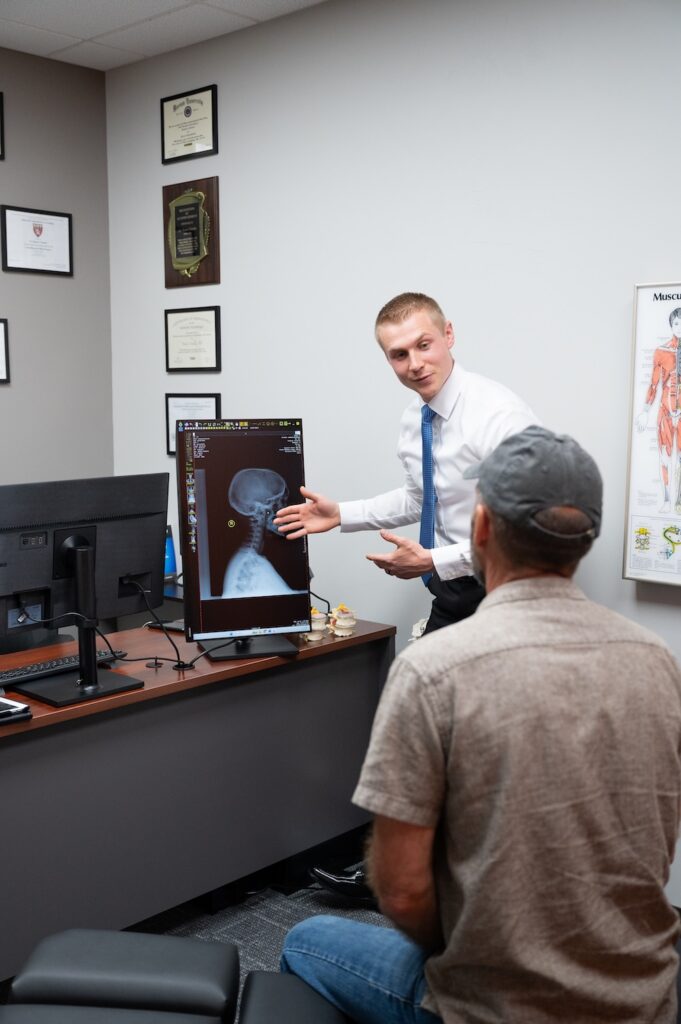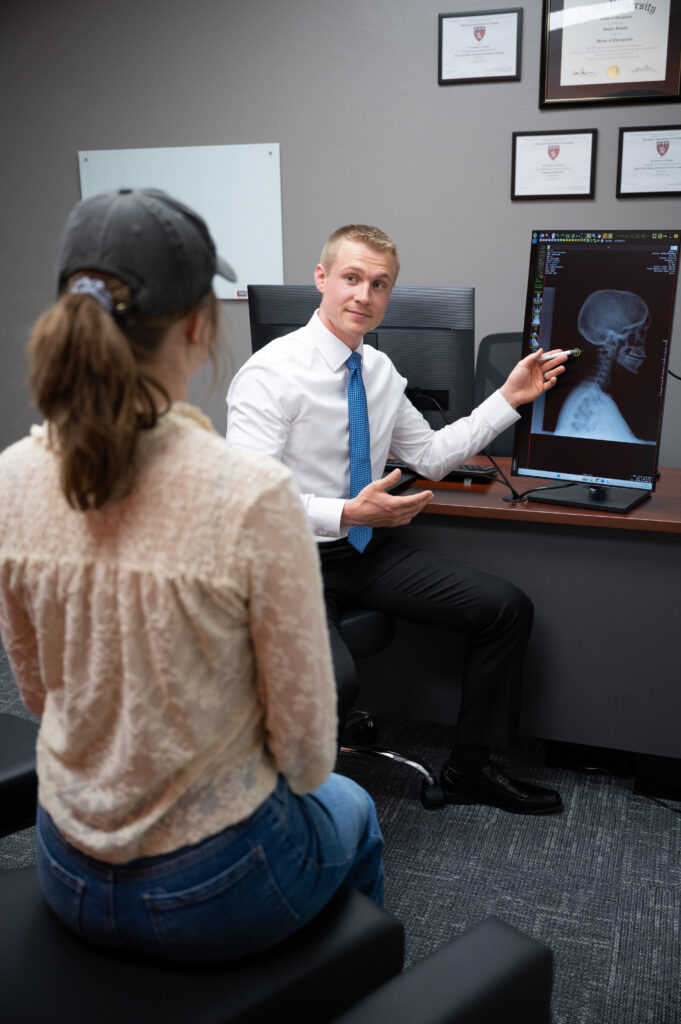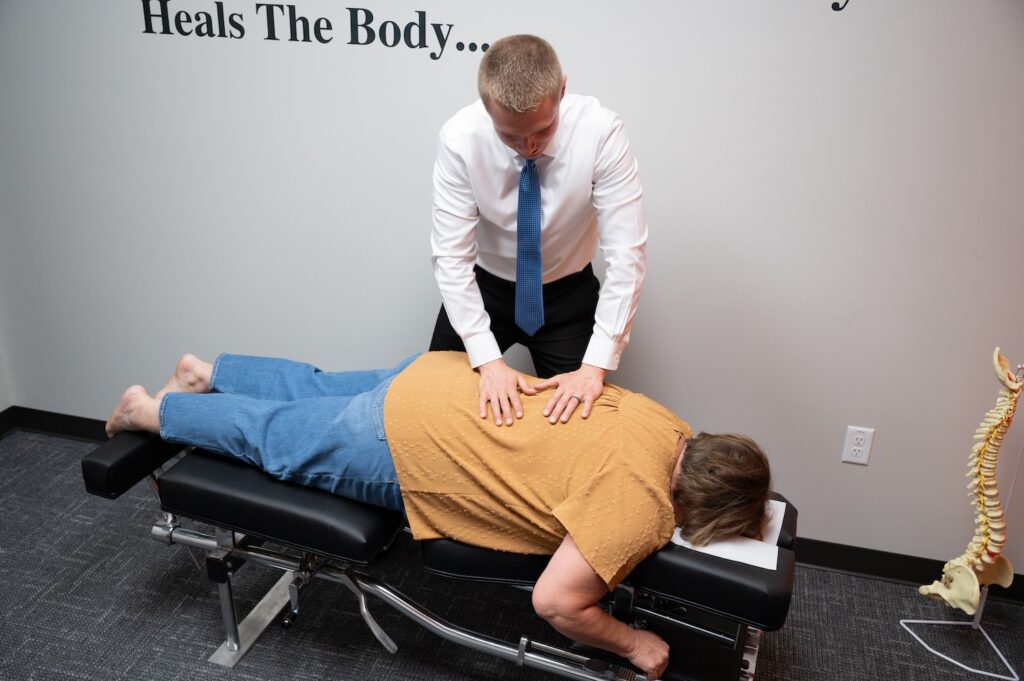

If you're living with chronic pain, you might wonder whether seeking professional care is worth it. The truth is, addressing your pain can greatly improve your quality of life and emotional well-being. With personalized treatment plans and access to specialists, you can find strategies that resonate with your specific needs. Furthermore, understanding your condition can empower you to make informed decisions. But what are some key reasons that make pursuing care essential for managing your pain effectively? The answers might surprise you and could lead to a more fulfilling life.
Improved Quality of Life
Living with chronic pain can feel like an uphill battle, but finding effective care can greatly improve your quality of life. When you seek the right treatment, you'll often notice significant changes in your daily activities and overall well-being. It's not just about reducing pain; it's about regaining control over your life.
Imagine waking up each morning feeling more energized and ready to face the day. With the right care, you can experience reduced pain levels that allow you to engage in activities you love, whether that's gardening, playing with your kids, or simply enjoying a walk outside. You'll find that even the smallest joys can become accessible again.
As you start to manage your pain effectively, you'll notice improvements in your mood and mental health. Chronic pain often leads to feelings of isolation and frustration, but addressing it can help you reconnect with friends and family. You might find yourself laughing more, socializing, and participating in events you once avoided.
Moreover, effective pain management can lead to better sleep quality. When your pain is under control, you can enjoy restful nights, contributing to improved focus and productivity during the day.
The cumulative effect of pain relief on your physical and emotional health can reshape your entire outlook on life.
In short, pursuing effective care for chronic pain isn't just about alleviating discomfort; it's about rediscovering the joy and fulfillment life has to offer. Don't underestimate the power of seeking help—your quality of life can truly transform.
Personalized Treatment Plans
Creating a personalized treatment plan is imperative for effectively managing chronic pain. Every individual experiences pain differently, and a one-size-fits-all approach simply won't work. By tailoring your treatment plan, you can address your specific symptoms, triggers, and lifestyle factors that contribute to your pain.
First, you'll need to evaluate your pain levels and how they affect your daily life. Keeping a pain diary can be incredibly helpful. Note when your pain flares up, what activities exacerbate it, and any relief strategies you've tried. This information will guide your healthcare provider in creating a plan that's right for you.
Next, you'll collaborate with your healthcare team to explore various treatment options. These might include physical therapy, medication, lifestyle changes, or alternative therapies like acupuncture or yoga. Each of these can play a fundamental role in your pain management strategy.
Your plan should also include regular assessments to track your progress and make necessary adjustments.
Don't hesitate to voice your concerns and preferences during this process. Open communication with your healthcare provider is essential; it guarantees that your treatment plan aligns with your goals and values.
Access to Specialist Care
Access to specialist care is crucial for effectively managing chronic pain. When you're dealing with persistent discomfort, consulting with healthcare professionals who specialize in pain management can make a significant difference. These specialists have in-depth knowledge about various pain conditions and the latest treatment options available, which can lead to more effective solutions tailored to your needs.
You might find that primary care physicians often have limited time and resources to address complex pain issues. By seeking out specialists, you gain access to advanced diagnostic tools and thorough evaluations. This targeted approach can help identify the underlying causes of your pain, allowing for more precise treatments.
Additionally, specialists often work within multidisciplinary teams, including physical therapists, psychologists, and other healthcare providers. This collaborative environment guarantees that all aspects of your pain are addressed, from physical symptoms to emotional well-being. You'll receive a more holistic approach, which can improve your overall quality of life.
Don't underestimate the value of second opinions or consultations with professionals who've specific expertise in managing chronic pain. Their insights can provide you with new perspectives on treatment options that you mightn't have considered before.
Ultimately, access to specialist care empowers you to take control of your pain journey, making sure that you have the best possible resources and support at your disposal. Seeking this specialized care is a crucial step towards finding relief and improving your daily functioning.
Enhanced Pain Management Strategies
To effectively manage chronic pain, you need enhanced strategies that focus on thorough assessment techniques.
By creating personalized treatment plans, you can address your unique needs and improve your quality of life.
A multidisciplinary approach can also provide valuable benefits, ensuring you receive well-rounded care.
Comprehensive Assessment Techniques
In managing chronic pain, effective assessment techniques are vital for understanding each patient's unique experience. A thorough evaluation involves several components, starting with a detailed medical history. You'll want to share your past health issues, treatments, and any medications you've tried. This context helps your healthcare provider pinpoint potential causes and tailor their approach.
Next, the physical examination is essential. It allows your provider to assess your pain's location, intensity, and any accompanying symptoms. You may undergo specific tests, such as imaging or blood tests, to rule out underlying conditions. Make sure to describe your pain accurately, using a scale from 1 to 10, and identify what triggers or alleviates it.
Psychosocial factors also play a role, so be prepared to discuss stressors, lifestyle, and emotional health. These elements can greatly influence your pain perception.
Finally, integrating pain assessment tools, like questionnaires, can help track your pain over time and evaluate the effectiveness of interventions. By engaging in a thorough assessment process, you empower your healthcare team to develop a deeper understanding of your situation, setting the stage for more effective pain management strategies.
Personalized Treatment Plans
Creating a personalized treatment plan for chronic pain can greatly enhance your pain management strategies. When you work closely with your healthcare provider, you can identify the specific factors contributing to your pain, allowing for tailored solutions that fit your unique needs.
A personalized approach often includes a combination of medications, physical therapies, and lifestyle changes. You might start with a medication regimen that addresses your specific pain type, whether that's neuropathic, inflammatory, or musculoskeletal.
Alongside this, physical therapy can help improve your mobility and strength, while also teaching you techniques to manage discomfort.
Incorporating mindfulness practices or cognitive behavioral therapy can also be beneficial. These methods not only help you cope with pain but can also change your perception of it.
In addition, tracking your symptoms and treatments allows for ongoing adjustments, ensuring your plan remains effective over time.
Ultimately, a personalized treatment plan empowers you to take an active role in your pain management. By focusing on your individual circumstances, you're more likely to find relief and improve your quality of life.
Don't hesitate to discuss your options with your healthcare provider for the best outcomes.
Multidisciplinary Approach Benefits
A personalized treatment plan lays the groundwork for exploring the benefits of a multidisciplinary approach to chronic pain management.
When you engage a team of healthcare professionals—such as doctors, physical therapists, psychologists, and nutritionists—you tap into a wealth of diverse expertise. This collaboration allows for more thorough care tailored to your unique needs.
By combining different treatment modalities, you can address various aspects of your pain. For instance, while medication may help alleviate symptoms, physical therapy can improve your mobility and strength. A psychologist can offer coping strategies to manage the emotional toll chronic pain often takes.
This holistic approach not only targets the pain itself but also enhances your overall well-being.
You'll likely experience improved outcomes when these specialists work together, as they can share insights and adjust your care plan as needed. This synergy fosters a more effective treatment strategy, leading to enhanced pain management and a better quality of life.
Fundamentally, a multidisciplinary approach empowers you to take control of your pain, making it an essential component of your chronic pain management journey.
Emotional and Psychological Support
Managing the complexities of chronic pain often requires more than just physical treatment; it demands a robust support system that addresses emotional and psychological needs. Living with chronic pain can lead to feelings of isolation, anxiety, and depression. It's important to recognize that these emotional struggles are just as valid as the physical symptoms you experience. Seeking emotional and psychological support can play a significant role in your overall well-being.
You might want to reflect on therapy or counseling as a part of your care plan. A mental health professional can provide coping strategies, helping you navigate the emotional landscape of chronic pain. They can teach you techniques to manage stress and anxiety, which can exacerbate your pain.
Support groups can also be invaluable. Connecting with others who understand your experience can lessen feelings of isolation and provide a sense of community.
Don't underestimate the power of open communication with your healthcare providers. They can help you find appropriate resources for emotional support, ensuring you're not facing your struggles alone.
Additionally, mindfulness practices like meditation and yoga can help you develop a more positive relationship with your pain, fostering emotional resilience.
Incorporating emotional and psychological support into your chronic pain management plan isn't just beneficial; it's fundamental. By addressing these facets of your health, you can improve your quality of life, making daily activities more manageable and fulfilling.
You deserve a thorough approach that embraces every aspect of your well-being.
Education About Pain Conditions
Understanding the complexities of pain conditions is fundamental for anyone living with chronic pain. When you're armed with knowledge about your specific condition, you empower yourself to make informed decisions about your care. It's not just about knowing the name of your diagnosis; it's about understanding what it means for your daily life and how it can affect your physical and emotional well-being.
Education can help you identify triggers that exacerbate your pain. For instance, you might learn that certain activities or stressors contribute to flare-ups. Recognizing these patterns allows you to take proactive steps to manage your pain more effectively. Additionally, understanding the science behind your condition can demystify the experience and reduce feelings of helplessness.
You'll also find that learning about available treatment options is essential. From medications to physical therapy and alternative therapies, knowing what's out there helps you work with your healthcare team to craft a personalized pain management plan.
Moreover, being educated about your condition can enhance your ability to advocate for yourself, ensuring that your needs are met.
Lastly, connecting with educational resources—like support groups, workshops, or reliable online platforms—can provide ongoing support and new insights. Staying informed not only helps you navigate your journey with chronic pain but also fosters a sense of community with others who understand what you're going through.
Better Communication With Healthcare Providers
Effective communication with healthcare providers is vital for anyone dealing with chronic pain, as it directly impacts your treatment outcomes. When you openly share your symptoms, concerns, and treatment goals, you empower your healthcare team to develop a more effective and personalized care plan.
Start by clearly describing your pain. Use specific terms to explain its intensity, location, and what triggers or alleviates it. This clarity helps your doctor understand your condition better.
Don't hesitate to discuss how your pain affects your daily life, relationships, and emotional well-being. The more information you provide, the better equipped your provider will be to tailor their approach to your needs.
Active listening is just as important. Make sure you understand the information your healthcare provider gives you. Don't hesitate to ask questions if something isn't clear. This guarantees you're on the same page regarding your diagnosis, treatment options, and any potential side effects.
Keep track of your pain levels, medication side effects, and any changes in your condition. Bringing this information to your appointments shows that you're engaged and proactive in your care.
Finally, establish a rapport with your healthcare provider. Feeling comfortable discussing your pain and treatment journey can lead to a more collaborative relationship, which is essential for effective pain management.
Holistic Approaches to Healing
When it comes to chronic pain, exploring the mind-body connection can be a game-changer for your healing journey.
You might find that natural remedies not only alleviate pain but also enhance your overall well-being.
Let's look at how combining these holistic approaches can empower you in your recovery.
Mind-Body Connection
The mind-body connection plays an essential role in managing chronic pain, emphasizing how your thoughts and emotions can greatly impact physical health. When you experience chronic pain, your mental state can either fuel or alleviate your discomfort. Stress, anxiety, and negative emotions can amplify pain signals, while positive thoughts and relaxation techniques can help soothe them.
Engaging in mindfulness practices, such as meditation or deep-breathing exercises, can enhance your awareness of how your mind influences your body. These practices allow you to develop coping strategies that reduce stress and promote a sense of calm. By focusing on the present moment, you're less likely to dwell on pain, which can create a more manageable experience.
Additionally, using visualization techniques can help you imagine yourself free from pain, fostering a sense of empowerment and control over your situation. Connecting with supportive communities or therapists can also enhance your emotional well-being and provide valuable tools for coping with chronic pain.
Ultimately, acknowledging the mind-body connection enables you to take an active role in your healing journey, transforming how you experience and manage your pain. Embracing this connection can lead to a more holistic approach to your chronic pain care.
Natural Remedies Exploration
Exploring natural remedies offers a wealth of options for managing chronic pain, allowing you to tap into holistic approaches that can complement traditional treatments.
These methods can enhance your overall well-being while addressing the root causes of your discomfort. By integrating natural remedies into your routine, you might find relief and improve your quality of life.
Consider these holistic options:
- Herbal Supplements: Herbs like turmeric and ginger have anti-inflammatory properties that can help alleviate pain. Consult with a healthcare provider before starting any supplements.
- Mindfulness and Meditation: Practicing mindfulness can reduce stress and improve your pain perception. Regular meditation sessions can help you develop better coping strategies.
- Physical Therapy and Movement: Gentle exercises, such as yoga or tai chi, can't only increase flexibility but also promote relaxation and pain relief.
Community and Support Networks
Building a strong network of community and support can make a world of difference in managing chronic pain. When you're dealing with persistent pain, feeling isolated can be overwhelming. Connecting with others who understand your struggles provides not just emotional comfort but practical advice too.
Support groups, whether in-person or online, allow you to share experiences and coping strategies. You'll find people who genuinely understand what you're going through, which can help reduce feelings of loneliness. These groups often offer a safe space to vent, share successes, and discuss setbacks without judgment.
Don't underestimate the power of social connections. Friends and family can be an invaluable resource. Open communication about your pain and limitations helps them understand your situation better. They can offer assistance in daily activities, accompany you to appointments, or simply lend an ear when you need to talk.
Additionally, consider reaching out to healthcare professionals who specialize in chronic pain management. They can provide guidance and connect you with resources tailored to your needs.
Engaging with community resources, such as local organizations or online forums, can lead to finding workshops, classes, or events focused on pain management. These opportunities not only provide education but also help you meet others facing similar challenges.
Ultimately, building a strong community and support network equips you with the tools and emotional backing to navigate your chronic pain journey more effectively. You don't have to face it alone; reach out and embrace the support available to you.
Conclusion
In seeking care for chronic pain, you're taking a crucial step toward reclaiming your life. Improved quality of life, personalized treatment plans, and access to specialists can make a world of difference. By embracing holistic approaches and enhancing your pain management strategies, you empower yourself to thrive. Don't underestimate the power of emotional support, education, and community connections. Together, these elements help you navigate your pain journey, fostering resilience and joy in your daily life.