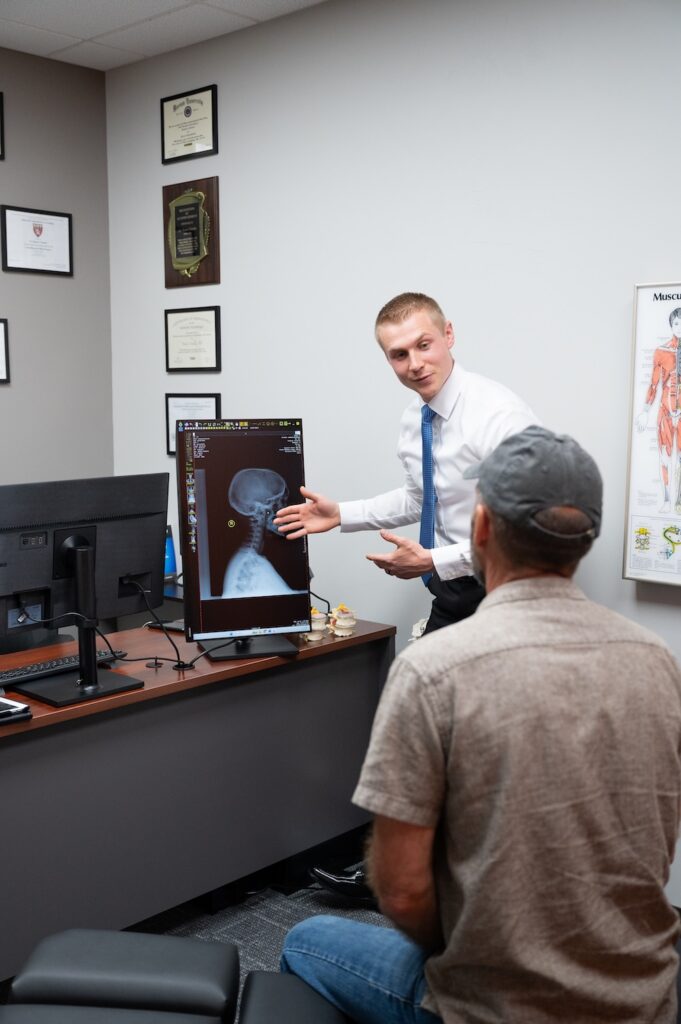
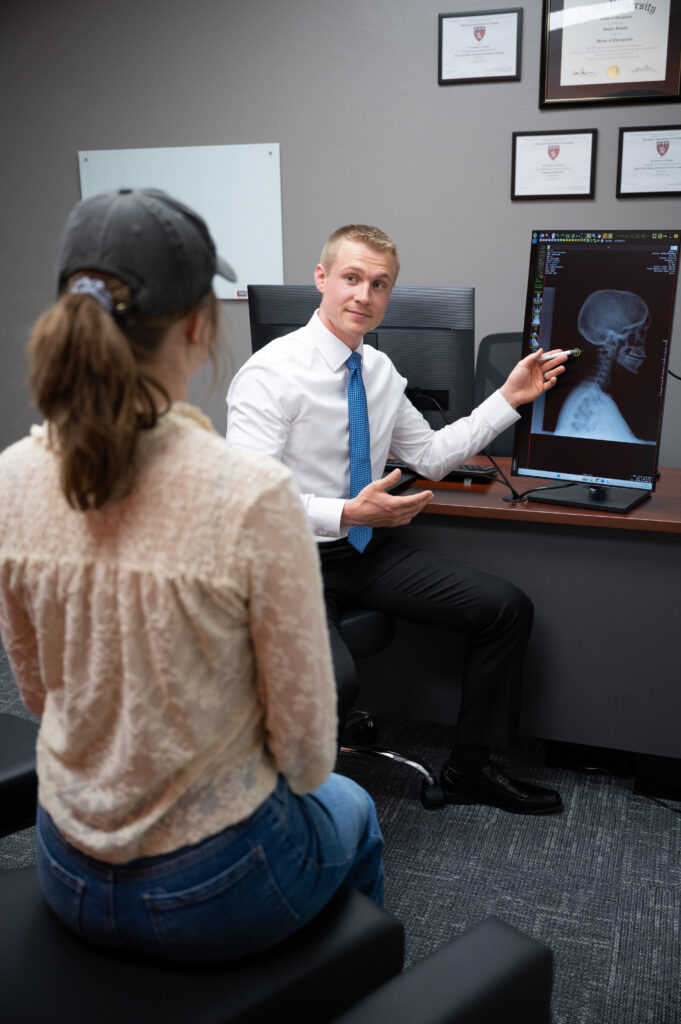
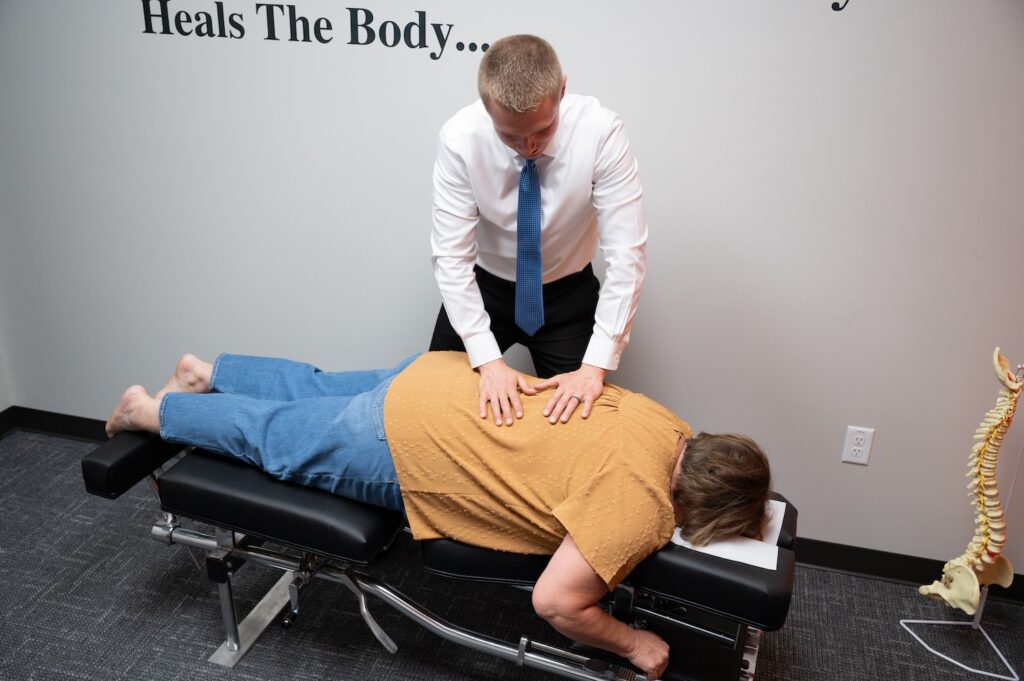
As a local chiropractor, I want to reassure you that if you're dealing with chronic back pain, you're not alone, and there are effective, natural strategies to help you find relief. Many patients have discovered that making simple adjustments to their daily routines, such as improving posture and integrating gentle exercises, can lead to significant improvements in their comfort and mobility.
Chiropractic care focuses on the alignment of your spine and the overall health of your musculoskeletal system, which can play a crucial role in alleviating your back pain. Regular adjustments can help restore proper alignment, reduce tension, and promote overall wellness. Additionally, therapies like massage and physical treatments complement chiropractic care and can provide relief you may not have thought possible.
As you explore these options, remember that every individual responds differently. It's important to find the methods that resonate with you and fit into your lifestyle. Let's work together to discover the best approaches to easing your discomfort and improving your quality of life.
Practice Good Posture
As a chiropractor, I want to emphasize the importance of good posture as a fundamental pillar for your overall health and well-being. Think of it as the sturdy foundation for your body, supporting every movement you make throughout the day. When you adopt good posture while sitting, standing, or walking, you align your spine correctly, which can significantly reduce strain on your muscles and ligaments. This is particularly crucial for those who may be experiencing chronic back pain, as proper alignment can alleviate discomfort and promote healing.
To start, I encourage you to become more mindful of your body's alignment. When sitting, ensure that your feet are flat on the floor and that your knees are positioned at or below hip level. If you work on a computer, it's important to set the screen at eye level. This simple adjustment can prevent you from hunching your shoulders or straining your neck, both of which can lead to pain over time.
Choosing a chair that offers support for your lower back is also vital, and using a cushion can provide additional relief if needed.
When it comes to standing, aim to distribute your weight evenly across both feet. Keep your shoulders back and relaxed while engaging your core muscles. This helps stabilize your spine and can prevent fatigue and discomfort as you go about your day.
If you're walking, pay attention to your posture. Keep your head up, shoulders back, and allow your arms to swing naturally. This not only improves your posture but also enhances circulation, which is essential for your overall health.
Incorporate Regular Exercise
As a local chiropractor dedicated to your health and well-being, I want to emphasize the importance of regular exercise in managing chronic back pain and enhancing your overall health. Engaging in physical activity not only strengthens the muscles that support your spine but also alleviates pressure on your back, helping you feel better in your daily life.
When choosing exercises, it's crucial to focus on low-impact activities that promote strength, flexibility, and endurance. I recommend starting with gentle options such as walking, swimming, or cycling. These activities are easy on your joints while still offering a meaningful workout. Aim for at least 30 minutes of moderate exercise on most days of the week. If you're new to exercising, consider breaking it down into shorter sessions throughout your day to make it more manageable.
In addition to aerobic activities, incorporating strength training into your routine is vital for back health. Pay special attention to your core, as strong abdominal and back muscles provide essential support for your spine. You don't need expensive equipment to get started; effective bodyweight exercises like planks and bridges can significantly benefit your strength.
As you progress, you may want to include resistance bands or light weights to further challenge your muscles.
Remember, consistency is key in any exercise regimen. Establish a schedule that fits into your lifestyle and stick to it, even when your motivation dips. It's important to listen to your body—if something doesn't feel right, don't hesitate to ease off.
Before embarking on a new exercise program, especially if you have a history of back issues, I highly recommend consulting with a healthcare professional or a physical therapist. Together, we can create a comprehensive plan tailored to your specific needs, helping you achieve optimal health through natural healing and chiropractic care.
Utilize Stretching Techniques
As a local chiropractor, I want to share with you the importance of flexibility in relieving chronic back pain through effective stretching techniques. Many people may not realize how much incorporating specific stretches into their routine can enhance their range of motion and alleviate tension in the back.
Let me guide you through some recommended exercises that can truly make a difference in your comfort and mobility.
Importance of Flexibility
As a chiropractor, I want to emphasize the vital role flexibility plays in managing and alleviating chronic back pain. When your muscles and joints are flexible, they can move freely through their full range of motion without limitations. This flexibility significantly reduces tension and stress on your spine, leading to a decrease in pain levels.
Incorporating stretching techniques into your daily routine is an excellent way to improve your overall flexibility. Regular stretching not only helps to ease tight muscles but also enhances blood circulation, which is crucial for promoting healing.
Improved flexibility can also support proper posture, thereby reducing strain on your back during everyday activities. You may discover that with increased flexibility, you can engage in physical activities with less discomfort.
When your body moves freely, you're less likely to develop muscle imbalances that contribute to chronic pain. It's essential to listen to your body and avoid overexerting yourself during stretching.
Recommended Stretching Exercises
As a local chiropractor dedicated to helping you achieve optimal health, I want to emphasize the importance of incorporating specific stretching exercises into your daily routine. These stretches can significantly enhance your flexibility and help alleviate chronic back pain, which many of my patients experience.
One stretch I highly recommend is the cat-cow stretch. To perform this exercise, start on your hands and knees. As you inhale, arch your back, allowing your belly to drop towards the floor. Then, as you exhale, round your back, tucking your chin to your chest. This gentle movement not only increases spinal flexibility but also relieves tension, which can contribute to back pain.
Another effective stretch is the child's pose. Begin by kneeling on the floor and sitting back on your heels. From this position, stretch your arms forward and lower your torso towards the ground. Hold this position for about 30 seconds. This stretch is particularly beneficial for releasing tension in your lower back, promoting relaxation and relief.
You may also want to try the seated forward bend. Sit with your legs extended in front of you, and gently reach for your toes while leaning forward. This stretch targets your hamstrings and lower back, helping to improve overall flexibility and reduce discomfort.
Lastly, the piriformis stretch can be incredibly helpful. Lie on your back and cross one leg over the other knee. Gently pull the uncrossed knee towards your chest. This stretch focuses on your hips and can ease discomfort in the lower back area.
Incorporating these stretching exercises into your daily routine can make a significant difference in your back health and overall well-being. Always remember to listen to your body and avoid any movements that cause pain.
Taking these small steps can lead to a healthier, more active lifestyle, and I'm here to support you on that journey.
Apply Heat or Cold Therapy
As a local chiropractor, I often see patients struggling with chronic back pain, and one of the most effective methods I recommend for relief is the application of heat or cold therapy. Each of these techniques has its own unique benefits, and understanding when to use them can greatly enhance your comfort and aid in your recovery.
Heat therapy is particularly beneficial for relaxing tight muscles. When heat is applied to the affected area, it increases blood flow, which promotes healing and alleviates stiffness. You might consider using a heating pad, a hot water bottle, or even a warm towel. Just remember to keep the temperature at a level that feels comfortable to you to avoid burns.
Applying heat for about 15-20 minutes several times throughout the day can significantly help reduce tension in your back.
Conversely, cold therapy is excellent for managing inflammation and numbing sharp pain. Cold packs or ice wrapped in a cloth can be placed directly on the painful area. This method works by constricting blood vessels, which helps to decrease swelling and numb discomfort.
Aim to apply cold therapy for about 15-20 minutes at a time, ensuring your skin returns to its normal temperature between sessions.
Listening to your body is crucial when using either of these therapies. If you experience increased pain or discomfort, it's important to stop and consult with a healthcare professional. Many of my patients find that alternating between heat and cold therapy offers the best results, as it can effectively address both muscle tension and inflammation.
Incorporating heat or cold therapy into your daily routine can be a powerful tool in managing chronic back pain. This natural approach not only helps alleviate discomfort but also supports your body's healing process, paving the way for a healthier, pain-free life.
If you're interested in learning more about how chiropractic care and natural healing can benefit you, feel free to reach out to discuss personalized treatment options.
Explore Massage Therapy
As a local chiropractor, I often see patients seeking relief from chronic back pain after trying methods like heat or cold therapy. One highly effective option that I recommend is massage therapy. This hands-on treatment targets muscle tension, promotes relaxation, and enhances circulation, which can be incredibly beneficial for anyone dealing with discomfort.
When you receive a massage, the therapist focuses on your back and the surrounding areas, helping to alleviate pain and stiffness. One of the remarkable advantages of massage therapy is its ability to release endorphins—your body's natural painkillers. These hormones not only help to reduce pain but also improve your mood and lower anxiety, which often comes hand in hand with chronic pain issues.
Many patients also find that regular massage sessions contribute to better sleep quality, which is crucial for healing.
It's essential to communicate openly with your massage therapist about your specific pain points. They can tailor the session to concentrate on the areas that need the most attention. Techniques such as deep tissue, Swedish, or myofascial release can be particularly effective, depending on your individual needs. If you're experiencing muscle spasms or tension, a skilled therapist can provide immediate relief.
I often recommend scheduling weekly or biweekly appointments to sustain the benefits of massage therapy over time. While some patients notice significant pain reduction after just a few sessions, others may require ongoing treatments.
Consider Physical Therapy
When it comes to managing chronic back pain, many individuals find that chiropractic care offers a holistic and effective approach to recovery. Engaging in chiropractic treatment can help realign the spine, improve mobility, and enhance your overall well-being. As a local chiropractor, I take the time to evaluate your specific condition, tailoring a care plan that addresses your unique needs and limitations.
During your visits, you may experience a combination of spinal adjustments and therapeutic exercises aimed at stabilizing your back and supporting overall function. These adjustments can help alleviate pain by restoring proper alignment, promoting better movement patterns, and reducing strain on your back. I may also use soft tissue techniques to relieve tension in tight muscles, further aiding in your recovery process.
One of the key benefits of chiropractic care is the education you receive about your body and its mechanics. Understanding how your posture and movements affect your back can empower you to avoid harmful habits and make informed choices in your daily activities.
I'll guide you through proper lifting techniques, ergonomic adjustments at work, and home exercises that reinforce your progress.
Additionally, chiropractic care isn't just about pain relief; it helps you develop a long-term strategy for maintaining a healthy spine. By committing to a personalized care plan, you'll not only address your current pain but also build resilience against future issues.
Investigate Alternative Treatments
As a local chiropractor, I want to share some insights into alternative treatments for chronic back pain that can complement traditional care and enhance your overall well-being. Many patients are surprised to learn how effective chiropractic care can be in addressing back pain and improving quality of life.
Chiropractic care focuses on spinal alignment, which is essential for relieving pressure on nerves that can contribute to pain. Through precise adjustments, we can help restore proper function to your spine and alleviate discomfort. Regular chiropractic visits not only target pain relief but can also enhance your posture and flexibility, leading to better overall health.
In addition to chiropractic adjustments, I encourage my patients to explore complementary therapies such as acupuncture. This ancient practice involves the insertion of thin needles into specific points on the body to alleviate pain and promote healing. Many studies indicate that acupuncture can effectively reduce chronic pain and improve mobility, making it a valuable addition to your treatment plan.
Another beneficial practice is yoga and meditation. These techniques not only enhance flexibility and strength but also foster mindfulness, which can help you manage pain more effectively. Gentle yoga can teach you body awareness and relaxation techniques, making it easier to cope with discomfort and stress.
Herbal remedies and supplements, including turmeric, ginger, and omega-3 fatty acids, also have anti-inflammatory properties that may offer additional relief. It's always best to consult with me or another healthcare professional before starting any new supplement regimen to ensure it's appropriate for your individual needs.
Lastly, don't overlook the benefits of massage therapy. Regular sessions can significantly reduce muscle tension and improve circulation, aiding in pain relief. Each of these alternative treatments offers unique benefits, and many patients find that a combination of approaches works best for their specific situation.
Conclusion
As a local chiropractor, I want to share with you seven effective strategies to help alleviate chronic back pain and enhance your overall well-being. First and foremost, it's essential to focus on maintaining good posture throughout your daily activities. This simple adjustment can make a significant difference in how your body feels.
Staying active is crucial, so I encourage you to incorporate regular exercise into your routine. Engaging in physical activity not only strengthens your back but also promotes overall health. Additionally, don't underestimate the benefits of stretching, which can greatly enhance your flexibility and reduce tension.
Another effective approach is to use heat or cold therapy. Applying heat can soothe tight muscles, while cold therapy can help reduce inflammation. These techniques are easy to implement at home and can provide immediate relief.
Lastly, consider seeking professional treatments such as chiropractic care, massage, or physical therapy. These services can offer personalized support and targeted techniques to address your specific needs. By embracing these holistic practices, you'll not only work towards strengthening your back but also learn how to better manage pain, ultimately leading to an improved quality of life.