
As a local chiropractor, I've seen firsthand how debilitating a neck injury can be for my patients. It's crucial to understand that there are effective techniques available to help relieve your discomfort and promote healing naturally. Whether you're dealing with stiffness, pain, or limited mobility, I encourage you to consider a combination of gentle stretches and targeted strengthening exercises.
In my practice, I often recommend incorporating heat and ice therapy, as they can provide immediate relief to sore muscles and reduce inflammation. Additionally, maintaining proper posture and taking regular breaks throughout your day can play a significant role in preventing future neck issues.
If you're curious about how these approaches work together for optimal recovery, I invite you to explore the details behind these seven techniques. Each method has its unique benefits and can be tailored to your individual needs. Together, we can work towards a healthier neck and a more comfortable life.
Gentle Neck Stretches
As a local chiropractor, I want to emphasize the importance of gentle neck stretches in relieving tension and enhancing flexibility. Many of my patients are often surprised by how incorporating these simple stretches into their daily routine can lead to a significant reduction in tightness and discomfort in the neck area.
To begin, find a comfortable position, whether you're sitting or standing. Take a deep breath in to prepare yourself, and as you exhale, gently tilt your head to one side, bringing your ear closer to your shoulder. Hold this stretch for about 15 to 30 seconds, and you should be able to feel a gentle pull along the opposite side of your neck. Afterward, switch to the other side and repeat.
Next, let's move on to the forward and backward tilt. Start by slowly lowering your chin towards your chest, allowing the weight of your head to enhance the stretch. Hold this position for 15 to 30 seconds before lifting your head back to a neutral position. Then, gently tilt your head back, looking up toward the ceiling. Be cautious not to overextend; just aim for a mild stretch in the front of your neck.
Another beneficial stretch is the neck rotation. Turn your head to the right until your chin aligns with your shoulder. Hold this position for 15 to 30 seconds, then switch to the left side. This exercise helps maintain the flexibility of your neck muscles and minimizes stiffness.
Finally, I recommend including shoulder rolls in your routine. Simply lift your shoulders toward your ears, then roll them back and down. Repeat this several times.
Ice and Heat Therapy
As your local chiropractor, I want to share some effective strategies for managing neck pain that you can easily incorporate into your daily routine. One approach I often recommend is the combination of gentle neck stretches with ice and heat therapy to enhance your relief.
Let's start with ice therapy. This method is particularly useful during the early stages of an injury or whenever you experience acute pain. Ice therapy works wonders for reducing inflammation, numbing sharp pain, and constricting blood vessels.
I suggest applying an ice pack, wrapped in a cloth to protect your skin, for 15 to 20 minutes every hour. This can significantly alleviate discomfort. Just a quick reminder: avoid placing ice directly on your skin to prevent frostbite.
Once the initial pain subsides, you might find that heat therapy can be incredibly beneficial for easing tight muscles and improving blood circulation. You can use a warm towel, a heating pad, or even enjoy a warm shower.
Applying heat for 15 to 30 minutes can help relax stiff muscles and provide soothing relief. An effective technique is to alternate between ice and heat; start with ice to tackle inflammation, then switch to heat to help relax your muscles.
It's important to listen to your body as you explore these therapies. If you find that one method feels more effective than the other, trust your instincts.
While ice and heat therapy can provide substantial relief, they aren't substitutes for professional medical advice. If your pain persists or worsens, I encourage you to consult with a healthcare provider.
With regular use of ice and heat therapy, you're likely to discover the method that works best for you, leading to improved neck comfort.
Proper Posture Practices
As a local chiropractor, I want to emphasize the importance of proper posture in relieving neck injuries.
It's essential to create an ergonomic workspace tailored to your needs, which can significantly reduce strain on your neck.
Additionally, being mindful of your sitting habits is crucial; make sure to maintain an upright position and support your back.
I also encourage you to take regular stretching breaks throughout the day.
These simple yet effective practices not only enhance your comfort but also play a vital role in preventing future discomfort and promoting overall health.
Ergonomic Workspace Setup
As a chiropractor dedicated to promoting your overall well-being, I want to emphasize the importance of creating an ergonomic workspace. Proper posture is crucial for preventing neck injuries and maintaining a healthy spine.
Start by adjusting your chair so that your feet rest flat on the floor. If you find your feet don't reach the ground comfortably, consider using a footrest. Your knees should be positioned at or slightly below hip level, which helps maintain proper alignment. It's also vital to choose a chair that provides good lumbar support to keep your back well-supported.
Next, let's talk about your computer monitor. Position it at eye level to avoid straining your neck by looking down or up. If you primarily use a laptop, I recommend using an external keyboard and mouse to help achieve the ideal height. Your elbows should rest at a 90-degree angle while typing, ensuring your wrists remain straight to prevent strain.
A clutter-free desk is also essential. Keep your essential items within arm's reach to minimize excessive reaching or twisting, which can put unnecessary stress on your neck. Additionally, ensure your workspace is well-lit; this will help reduce eye strain, a common issue that can contribute to neck discomfort.
Lastly, don't underestimate the power of regular breaks. Taking time to stretch and move around will help alleviate tension and keep your body in alignment throughout the day.
Mindful Sitting Habits
As a local chiropractor, I want to emphasize the importance of proper sitting habits, especially if you spend long hours at a desk. Poor posture can lead to significant strain on your neck and spine, which can result in discomfort or pain over time.
Here are some simple yet effective strategies to improve your sitting posture and promote your overall well-being.
First and foremost, invest in a supportive chair that encourages a straight back. It's essential to keep your feet flat on the floor and your knees bent at a 90-degree angle. This alignment helps distribute your weight evenly across your body, alleviating tension in your neck and lower back.
Next, let's talk about your computer screen. It should be positioned at eye level. If your screen is too low, you may find yourself leaning forward, which puts additional strain on your neck. Adjust your chair height or consider using a monitor stand to ensure that your eyes align with the top third of the screen.
Pay attention to your shoulders, too. Keep them relaxed and avoid hunching forward. If you notice yourself slumping, gently remind yourself to sit up straight. Using a lumbar support pillow can be particularly beneficial in maintaining the natural curve of your lower back.
Lastly, consider your arm placement while typing. Your elbows should rest comfortably at your sides, and your wrists should remain straight.
By incorporating these mindful sitting habits into your daily routine, you can greatly reduce the risk of neck pain and support your journey towards natural healing and wellness.
If you have any questions about your posture or how chiropractic care can further enhance your well-being, don't hesitate to reach out. Your health is our priority!
Regular Stretching Breaks
As your local chiropractor, I want to emphasize the importance of maintaining good posture during your workday. However, it's equally crucial to incorporate regular stretching breaks to enhance your overall comfort and prevent issues such as neck strain.
Short, frequent stretches can significantly relieve tension and improve circulation, which is vital for your spinal health. I recommend setting a timer to remind yourself to stretch every hour.
Here are some effective stretches you can easily do at your desk:
- Neck Rolls: Slowly roll your head in a circular motion to alleviate tension in your neck and promote relaxation.
- Shoulder Shrugs: Lift your shoulders toward your ears, hold for a moment, and then let them drop to release built-up stress.
- Chin Tucks: Gently pull your chin toward your chest and hold to stretch the muscles in your neck, helping to align your spine.
- Side Stretches: Raise one arm overhead and lean to the opposite side; this will stretch the side of your neck and improve mobility.
- Arm Crosses: Cross one arm over your chest and gently pull it closer with your other arm to stretch your shoulders, helping to counteract the effects of sitting for long periods.
Incorporating these stretches into your daily routine can be a simple yet effective way to support your health and well-being.
Strengthening Exercises
As your local chiropractor, I want to emphasize the importance of strengthening exercises for your neck to help prevent future injuries.
It's crucial to incorporate isometric neck exercises and resistance band workouts into your routine, as these techniques can significantly improve the stability of your neck muscles.
By strengthening these muscles, you not only support your recovery but also enhance your overall strength and well-being.
Let's take a closer look at how these exercises can benefit you on your journey to better health and a pain-free life.
Isometric Neck Exercises
As a local chiropractor, I often emphasize the importance of a strong, stable neck for overall health and well-being. Many people are unaware that isometric neck exercises can be an excellent way to strengthen your neck muscles while minimizing strain.
These exercises allow you to engage your muscles without excessive movement, ultimately enhancing stability and support for your neck.
Here are a few simple isometric exercises that I recommend for my patients:
- Neck Flexion: Gently place your palm against your forehead and push while your neck resists the pressure. This exercise helps in building strength in the front neck muscles.
- Neck Extension: Press the back of your head against a wall or your hands, engaging the muscles in the back of your neck. This can improve posture and reduce tension.
- Lateral Neck Flexion: Using your right hand, push against the side of your head while resisting with your neck, then switch sides. This exercise targets the muscles on the sides of your neck.
- Neck Rotation: Place your hand on the side of your face and gently rotate your head while pushing against your hand. This helps in improving neck mobility and strength.
- Shoulder Shrugs: While standing or sitting comfortably, lift your shoulders towards your ears, hold for a few seconds, and then relax. This is great for releasing tension and strengthening the upper shoulder and neck area.
Incorporating these exercises into your daily routine can lead to a stronger and more resilient neck.
Always remember to listen to your body; if you experience any pain while performing these exercises, please stop immediately.
If you have any questions or need further guidance, don't hesitate to reach out. Your neck health is essential, and I'm here to support you on your journey to natural healing.
Resistance Band Workouts
As a chiropractor, I often emphasize the importance of maintaining a strong and stable neck for overall health and well-being. One effective way to achieve this is through incorporating resistance band workouts into your routine, building upon the foundation of isometric neck exercises.
Using a resistance band can engage multiple muscle groups while specifically targeting your neck. I recommend starting with a light resistance band to gradually build strength without overexerting yourself.
To begin, find a safe anchor point at head height and secure the band behind you. Stand with your back to the anchor point and grasp the band with both hands. Gently pull the band forward while keeping your elbows bent at a 90-degree angle. This exercise focuses on strengthening the muscles in the back of your neck. Remember to hold the position for a few seconds before releasing the tension.
Next, let's explore lateral movements. Anchor the band to your right side and stand with your left side facing the anchor, using your right hand to grasp the band. As you gently pull the band towards your right, turn your head slightly. This movement is excellent for strengthening the muscles on the sides of your neck.
Finally, it's important to incorporate flexion and extension movements as well. By adding these resistance band workouts to your regimen, you can develop a more resilient neck, which plays a crucial role in injury prevention and recovery.
Always pay attention to how your body feels during these exercises, and if you experience any discomfort, don't hesitate to consult with a healthcare professional. Your neck health is vital, and I'm here to support you on your journey to wellness.
Massage Techniques
As a local chiropractor, I often see patients who are looking for ways to relieve neck injuries and discomfort. Many find that effective massage techniques can be incredibly beneficial in addressing tension and pain in this area.
By focusing on the muscles surrounding your neck, you can't only alleviate discomfort but also improve your overall mobility. Here are some massage techniques that you can try at home or discuss further with our professional team:
- Effleurage: This technique involves gentle stroking of the muscles, which helps to warm them up and promote relaxation. Using your fingertips, glide over the skin in long, sweeping motions to ease tension.
- Petrissage: This involves kneading the muscles to release built-up tension. Use your thumbs and fingers to pinch, roll, and lift the soft tissues of your neck, helping to relieve tightness.
- Friction: For deeper relief, apply pressure with small circular movements. This can help break down muscle knots. Remember to be cautious and adjust the pressure according to your comfort level.
- Stretching: Incorporating gentle stretches into your routine can increase flexibility and blood flow, which aids in recovery. Try tilting your head side to side and forward to enhance the stretch.
- Trigger Point Therapy: Focus on specific tight spots in your neck and apply direct pressure to those areas. Hold the pressure for several seconds until you feel the tension start to release.
Always listen to your body while performing these techniques. If you experience any pain or discomfort, it's important to stop immediately.
By regularly incorporating these techniques into your self-care routine, you can significantly improve your neck's condition and enhance your overall well-being.
Chiropractic Adjustments
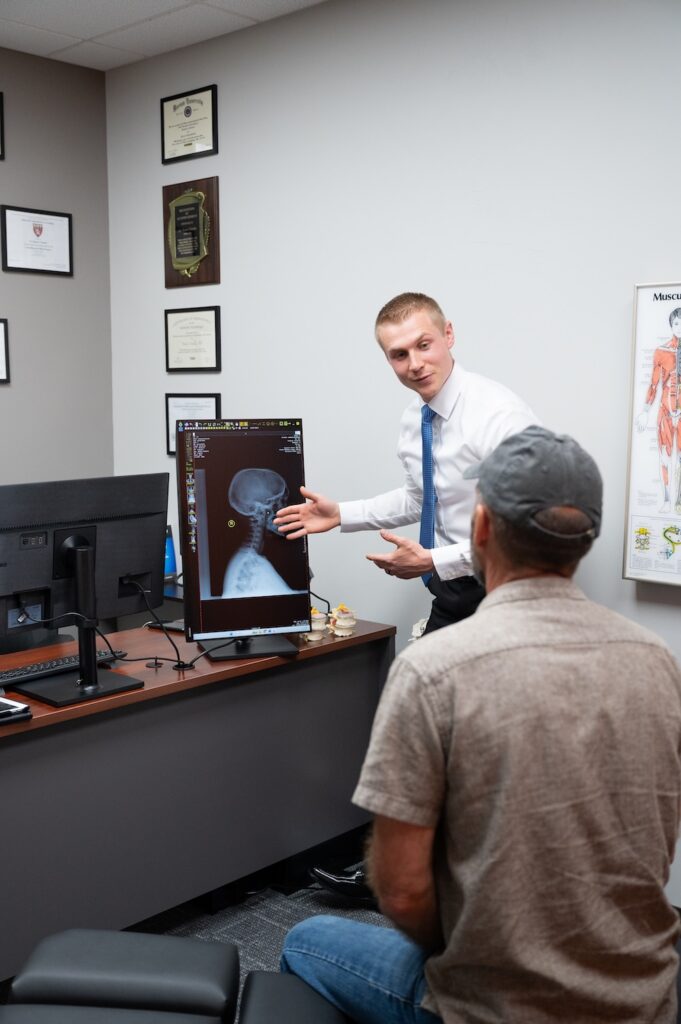
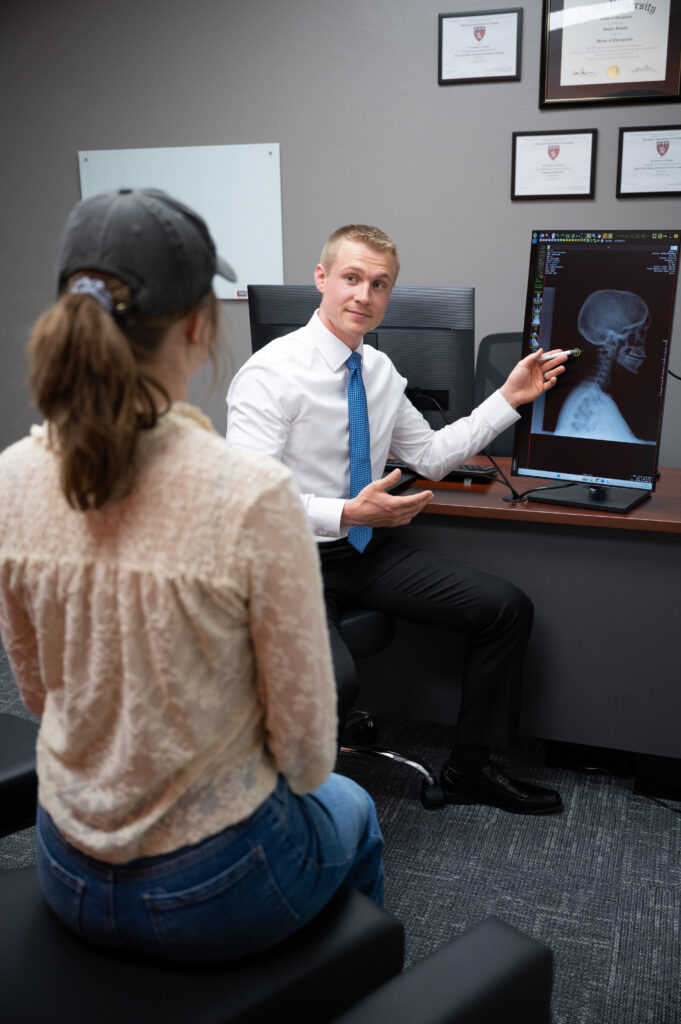
Are you struggling with persistent neck pain despite your best efforts with self-care techniques? As a local chiropractor, I want to introduce you to a natural approach that may provide the relief you seek: chiropractic adjustments. My focus is on diagnosing and treating musculoskeletal issues, particularly neck pain, through spinal alignment and therapeutic techniques.
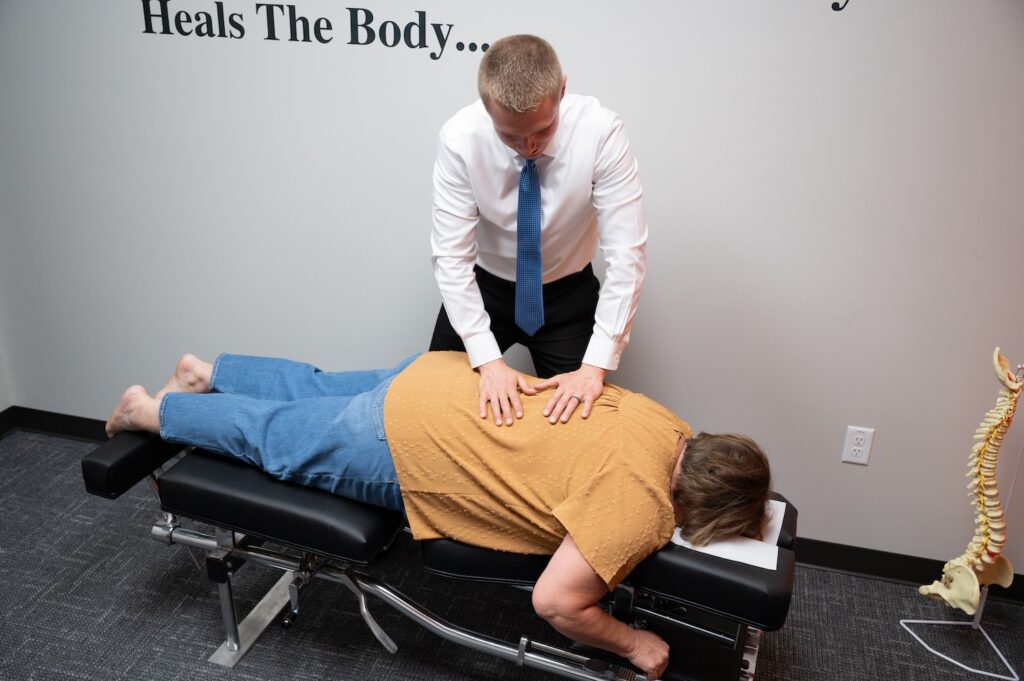
During your first visit, I'll conduct a thorough assessment to understand your condition better and identify the most effective adjustments tailored to your needs. These adjustments involve applying controlled force to specific joints in your neck, which can help alleviate pain, reduce inflammation, and enhance your range of motion. Many patients experience immediate relief, though it's common for your body to take a little time to adjust fully.
Chiropractic care goes beyond just addressing the symptoms of neck pain; it also targets underlying issues like poor posture and misaligned vertebrae that may be contributing to your discomfort. By correcting these problems, not only can we find relief together, but we can also work on preventing future injuries. Many of my patients report long-term improvement with regular chiropractic visits.
It's important to choose a qualified chiropractor who understands your unique situation and needs. I encourage you to ask questions and share any concerns you might've during our sessions.
While chiropractic adjustments can be incredibly effective, they're often most beneficial when combined with other self-care strategies, such as stretching and strengthening exercises.
If your neck pain continues, I invite you to schedule an appointment with me. Together, we can explore how chiropractic care can help you get back to feeling your best naturally.
Professional Physical Therapy
When it comes to managing neck injuries, chiropractic care offers a holistic approach that can significantly aid in your recovery. This natural healing method emphasizes improving your mobility, reducing pain, and restoring function without the use of medications or invasive procedures.
By working with a licensed chiropractor, you'll receive personalized treatment plans specifically designed to meet your individual needs.
During your visits, your chiropractor will evaluate your condition and create a program that may include a variety of techniques, such as:
- Spinal adjustments: Gentle manipulations to realign the spine and relieve tension in the neck.
- Therapeutic exercises: Specific movements aimed at strengthening neck muscles and enhancing flexibility.
- Postural education: Advice on maintaining proper posture to prevent further strain on your neck and improve overall alignment.
- Soft tissue therapy: Techniques that target muscles and connective tissues to alleviate pain and promote healing.
- Lifestyle counseling: Guidance on ergonomics and daily activities to help you avoid aggravating your injury.
Chiropractic care not only targets the immediate symptoms but also equips you with the knowledge and strategies to prevent future injuries.
You'll discover the importance of incorporating exercises and healthy habits into your daily routine. As you progress in your recovery, your chiropractor will continuously assess your condition and make adjustments to your treatment plan as needed.
Conclusion
As a local chiropractor dedicated to your well-being, I want to share some valuable techniques that can significantly relieve neck injuries and promote healing. Incorporating gentle stretches into your daily routine can help alleviate tension and improve mobility in your neck. Additionally, utilizing heat and ice therapy can be incredibly effective in managing pain and inflammation.
It's also crucial to maintain proper posture throughout your day, as this can greatly reduce strain on your neck. Strengthening exercises and massage techniques can further help in alleviating tightness and discomfort. For those looking for more personalized care, professional chiropractic adjustments can play a key role in enhancing your recovery.
Physical therapy is another excellent option that can complement your healing process. By prioritizing your neck health with these techniques, you can not only feel better but also help prevent future injuries. Remember, your journey to recovery and wellness starts with informed choices and proactive care. I'm here to guide you every step of the way.