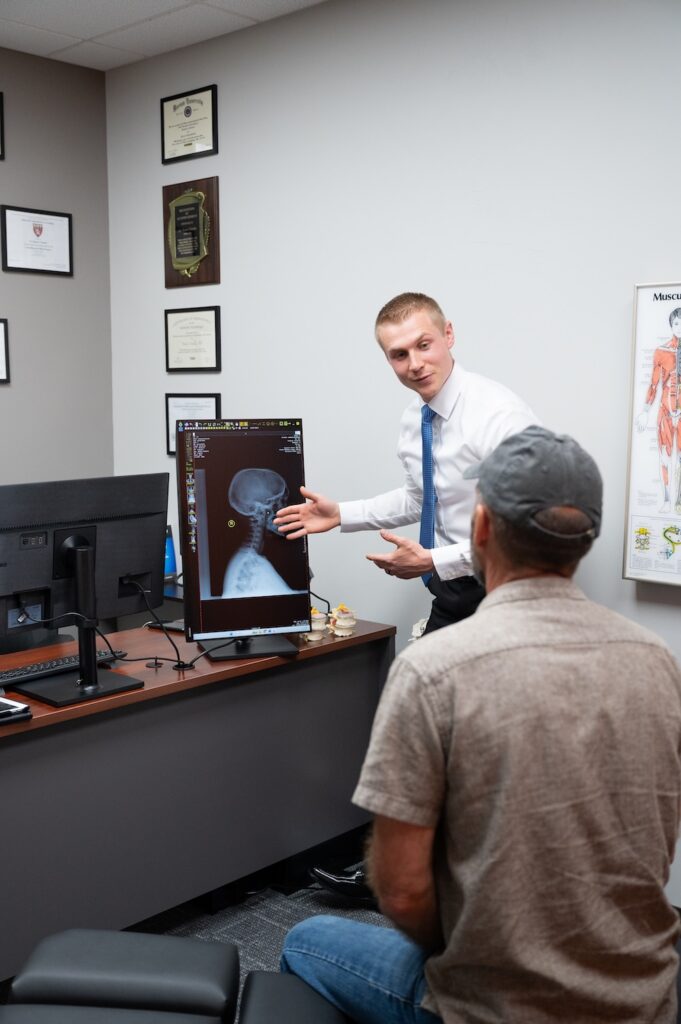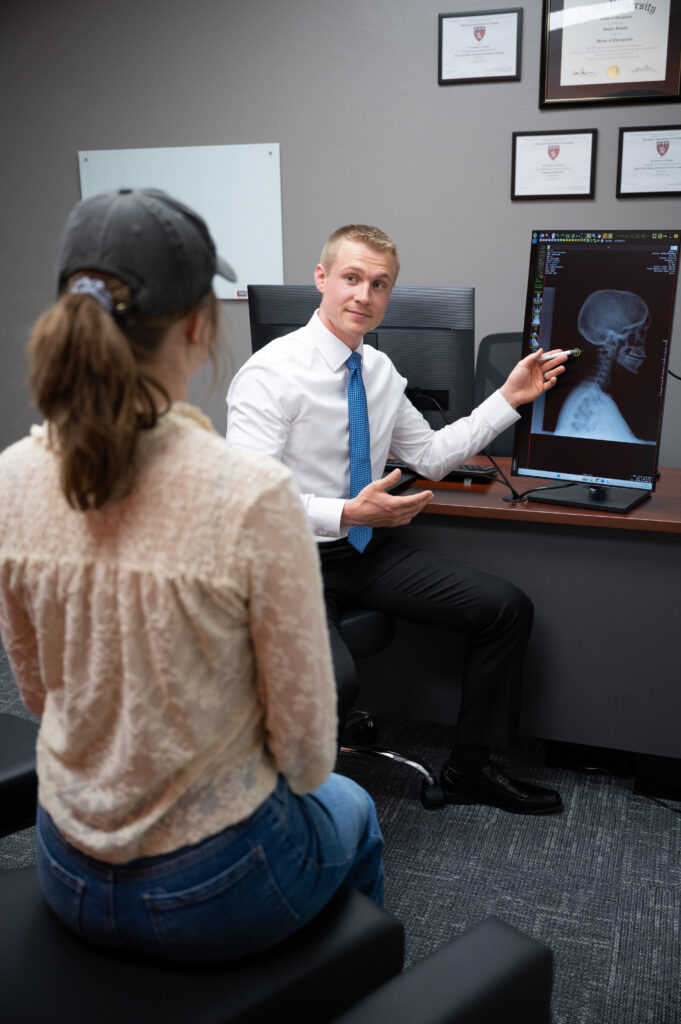

As a local chiropractor, I want to share with you how preventative care can significantly reduce chronic pain in your life. You might be surprised to discover that by adopting simple strategies—such as regular health screenings and improving your nutrition—you can address the root causes of pain before they become more serious.
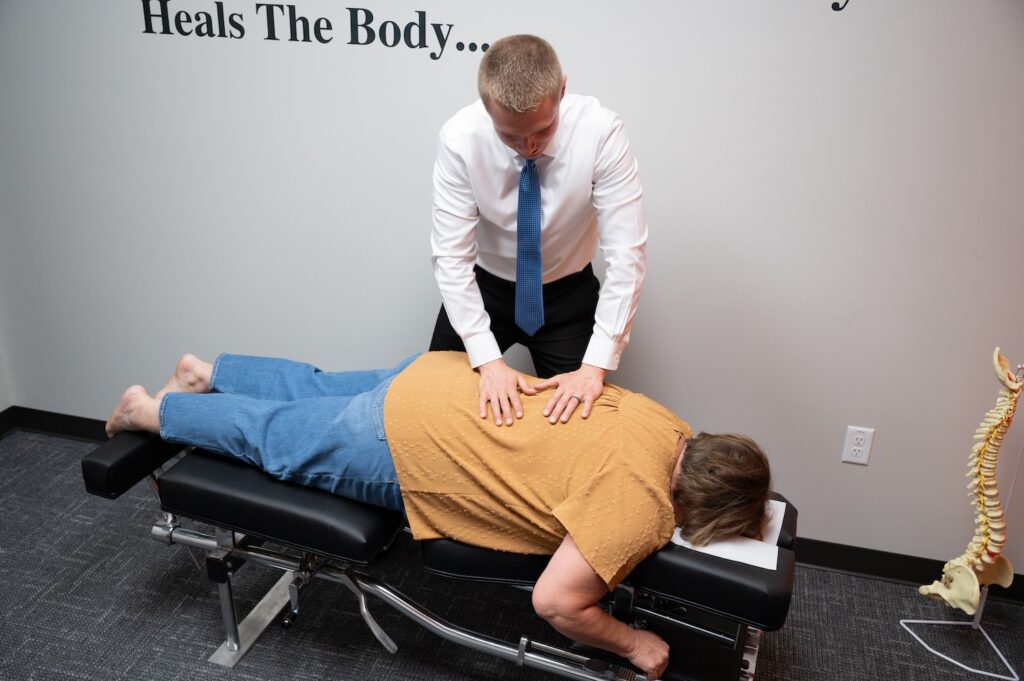
In chiropractic care, we emphasize the importance of maintaining proper spinal alignment and overall body function. Incorporating regular adjustments, physical activity, and stress management techniques can greatly improve your well-being and help alleviate discomfort.
But what other methods can you explore to enhance your quality of life and minimize pain? Let's dive into ten effective ways preventative care, including chiropractic practices, can make a positive impact on your health. With the right approach, you can take charge of your body and find relief from chronic pain naturally.
Regular Health Screenings
As a local chiropractor, I want to emphasize the importance of regular health screenings in managing chronic pain and enhancing your overall well-being. These screenings play a crucial role in identifying any underlying health issues that may be contributing to your discomfort. By being proactive, we can detect potential problems early on and address them before they worsen.
During a health screening, I'll take a comprehensive look at your medical history and perform a thorough physical examination. Based on what we find, I may recommend specific tests to better understand your symptoms. This careful evaluation ensures that we leave no stone unturned. For example, conditions like arthritis, fibromyalgia, or even vitamin deficiencies can be identified early, allowing us to implement timely interventions that can alleviate your pain.
Open communication is key in our partnership. I encourage you to share your pain levels, triggers, and any changes you notice in your body. This information is vital for me to create a tailored management plan that suits your individual needs.
Regular screenings also provide an excellent opportunity to discuss how your current treatments are working and address any side effects you might be experiencing. Together, we can find the right balance of natural therapies to support your unique healing journey.
Furthermore, consistent health screenings allow us to monitor chronic conditions that may be aggravating your pain. By tracking your overall health, we can develop effective pain management strategies and suggest lifestyle adjustments that support your healing process. In some cases, referrals to specialists may be necessary, and I can help guide you in that direction.
Exercise and Physical Activity
As a local chiropractor, I want to share how incorporating regular exercise and physical activity into your daily routine can significantly improve your management of chronic pain. Movement is essential; it helps strengthen your muscles, enhance flexibility, and boost your overall stamina. This not only makes daily tasks more manageable but also alleviates the strain on your body, allowing you to handle pain more effectively.
You don't have to dive into strenuous workouts right away. Begin with simple, enjoyable activities such as walking, swimming, or yoga. These low-impact exercises can be particularly beneficial for relieving pain while being gentle on your body. As you grow more comfortable and confident, you can gradually increase the intensity and duration of your workouts.
Additionally, engaging in regular exercise triggers the release of endorphins—your body's natural painkillers. These powerful chemicals elevate your mood and promote relaxation, both of which are crucial when dealing with chronic pain. You may also notice that consistent physical activity enhances your sleep quality, which can further aid in pain relief.
It's vital to listen to your body and adjust your routine according to how you feel. If you experience heightened pain, it's perfectly okay to modify your activities or take a break.
I encourage you to consult with a healthcare professional or a physical therapist who can provide personalized recommendations tailored to your specific needs. Together, we can create a plan that supports your journey toward natural healing and improved well-being.
Healthy Nutrition Choices
As a local chiropractor, I want to emphasize how important nutrition is when it comes to managing chronic pain. The foods you choose can significantly influence your discomfort levels.
By including anti-inflammatory foods in your diet, you can't only alleviate pain but also boost your overall health. A well-rounded diet is essential; it provides the necessary fuel for your body while playing a crucial role in your pain management approach.
Remember, healing isn't just about adjustments and therapies; it's also about nourishing your body with the right nutrients.
Let's work together to explore how making healthy nutrition choices can support your journey towards wellness.
Anti-inflammatory Foods Benefits
As a local chiropractor dedicated to promoting natural healing, I want to emphasize the significant role that nutrition plays in managing chronic pain and enhancing overall well-being. One of the most effective ways to support your body in this journey is through a diet rich in anti-inflammatory foods. By incorporating these foods into your daily meals, you can help reduce inflammation, which is often a key contributor to discomfort and pain.
Start by focusing on a variety of fruits and vegetables, with particular attention to berries, leafy greens, and cruciferous vegetables like broccoli and kale. These foods are brimming with antioxidants, vitamins, and minerals that work to combat inflammation within your body.
In addition to fruits and vegetables, healthy fats are an important component of an anti-inflammatory diet. Consider adding olive oil, nuts, and fatty fish such as salmon and sardines to your meals. Omega-3 fatty acids found in these fish are known to help reduce joint pain and stiffness, providing much-needed relief.
Don't overlook the power of spices, either! Turmeric and ginger are two spices that possess incredible anti-inflammatory properties and can be easily incorporated into your cooking.
It's equally important to be mindful of what you're limiting in your diet. Processed foods, added sugars, and trans fats can trigger inflammation and worsen pain. Instead, focus on whole grains, legumes, and make sure to stay hydrated by drinking plenty of water.
By making these dietary adjustments, you're not only enjoying flavorful meals but also supporting your body's natural ability to heal and fight against chronic pain. Embracing anti-inflammatory foods can lead to a healthier lifestyle and a notable improvement in your quality of life.
As your chiropractor, I encourage you to consider these nutritional strategies as part of your holistic approach to health and wellness.
Balanced Diet Importance
As a chiropractor, I want to emphasize the vital role a balanced diet plays in managing chronic pain and enhancing your overall health. Many of my patients are surprised to learn that what they eat can significantly impact their pain levels and recovery.
By making informed nutrition choices, you can effectively reduce inflammation, boost your immune system, and support your body's natural healing processes.
Here are some key components to consider incorporating into your daily meals:
- Fruits and Vegetables: These aren't just colorful additions to your plate— they're packed with antioxidants that can help minimize inflammation and provide essential vitamins that your body needs to function optimally.
- Whole Grains: Foods like brown rice and quinoa are excellent sources of fiber. They not only aid in digestion but also help maintain a healthy weight, which is crucial for relieving stress on your joints.
- Healthy Fats: Incorporating sources like avocados and nuts into your diet can have a positive effect on inflammation levels and promote joint health, making it easier for you to move and feel better.
- Lean Proteins: Foods such as chicken, fish, and legumes are important for muscle repair and support many bodily functions, including recovery from injuries.
By focusing on these dietary elements, you can complement the chiropractic care you receive and empower your body to heal more effectively.
Stress Management Techniques
As a local chiropractor, I want to emphasize the importance of managing stress, not just for your overall well-being but specifically for alleviating chronic pain. Many of my patients may not realize how interconnected stress and pain are.
One effective approach is mindfulness and meditation, which can help you center your thoughts and create a sense of calm.
Additionally, deep breathing exercises are fantastic for relaxing your body and can be easily incorporated into your daily routine.
Physical activity is another crucial element; it not only boosts your mood but also helps release built-up tension, making it easier for you to manage pain.
#
Mindfulness and Meditation
As a local chiropractor, I want to share how practicing mindfulness and meditation can significantly alleviate stress and improve your overall health.
Integrating these techniques into your daily life can help you develop a stronger sense of calm and resilience, especially when dealing with chronic pain. Mindfulness allows you to stay present and observe your thoughts and feelings without judgment, which can be incredibly useful in shifting your focus away from discomfort.
Here are some key benefits of incorporating mindfulness and meditation into your routine:
- Increased awareness: You'll become more in tune with your body and its signals, enabling you to respond to pain more effectively. This heightened awareness can complement the adjustments and treatments we provide in chiropractic care.
- Emotional regulation: These practices can help you manage your emotions better, reducing the anxiety that often accompanies chronic pain. Understanding your emotional responses can enhance your healing journey.
- Improved focus: Meditation can enhance your concentration, making it easier to redirect your thoughts away from pain and discomfort. This can be particularly beneficial when combined with chiropractic treatments aimed at alleviating physical tension.
- Relaxation response: Mindfulness and meditation activate your body's natural relaxation response, which can decrease tension and help alleviate pain. This state of relaxation supports the adjustments and therapies we perform in our practice.
By incorporating mindfulness and meditation into your wellness routine, you're not just addressing pain; you're nurturing your entire being.
Together with chiropractic care, these techniques can lead to a more holistic approach to health and healing.
Deep Breathing Exercises
As a local chiropractor, I want to share with you the incredible benefits of deep breathing exercises, which can be a valuable addition to your natural healing journey. Many of my patients have found that by focusing on their breath, they can activate their body's relaxation response, significantly lowering stress levels and easing tension—both of which are crucial for overall well-being and pain management.
To begin, I recommend finding a comfortable position, whether you're sitting in a chair or lying down on a supportive surface. Close your eyes and take a slow, deep breath in through your nose, allowing your belly to rise as you fill your lungs. Hold that breath for just a moment, and then exhale gently through your mouth, consciously feeling your body relax with each breath out.
Ideally, aim to practice this for a few minutes each day or whenever you sense stress starting to build.
As you incorporate deep breathing into your routine, pay attention to how the rhythm of your breath can foster a sense of calm and help divert your focus from any discomfort you may be experiencing.
Physical Activity Benefits
As a local chiropractor, I want to share how engaging in physical activity can be an effective way to manage stress and alleviate chronic pain. You may not realize that regular movement isn't just about staying fit; it's actually a vital component of natural healing and stress relief.
When you participate in physical activities, your body releases endorphins, which are natural chemicals that enhance your mood and can significantly diminish feelings of stress and anxiety. This, in turn, can contribute to improved pain management.
Let me highlight some key benefits of incorporating physical activity into your routine for better stress management:
- Improved Mood: Exercise has been shown to elevate mood levels and help fight off feelings of depression, which is crucial for overall well-being.
- Increased Energy: Staying active enhances your energy levels, making daily tasks feel more manageable and less daunting.
- Better Sleep: Regular engagement in physical activity promotes more restful sleep, a critical factor for recovery and pain relief.
- Enhanced Focus: Physical activity helps clear your mind, improving your concentration and making it easier to tackle your responsibilities.
By understanding the connection between physical activity and stress management, you can take proactive steps toward a healthier, more balanced life.
If you have any questions about how chiropractic care can complement your physical activity and enhance your overall health, feel free to reach out!
Adequate Sleep Hygiene
As a local chiropractor, I want to emphasize the importance of good sleep hygiene, especially for those managing chronic pain and seeking to enhance overall health. Prioritizing quality sleep is vital for your body's healing and regeneration processes, which can significantly alleviate your pain levels.
Establishing a consistent sleep schedule is one of the most effective strategies. Aim to go to bed and wake up at the same time every day, including weekends. This consistency helps regulate your body's internal clock, making it easier for you to fall asleep and stay asleep.
I also recommend creating a calming bedtime routine. Engaging in relaxing activities such as reading, meditating, or enjoying a warm bath before bed can signal to your brain that it's time to wind down. This transition promotes a more restful night's sleep.
Ensure that your sleep environment supports this as well; keep your bedroom dark, quiet, and cool, and invest in a comfortable mattress and pillows that provide the necessary support for your body.
It's crucial to limit screen exposure before bedtime. The blue light emitted from phones and computers can interfere with melatonin production, making it more challenging to drift off to sleep.
Additionally, be mindful of your caffeine and alcohol consumption in the hours leading up to bedtime; both can disrupt your sleep patterns and leave you feeling fatigued the following day.
Maintaining a Healthy Weight
As a local chiropractor, I want to emphasize the importance of maintaining a healthy weight for not only managing chronic pain but also enhancing your overall well-being. Excess weight can place additional stress on your joints, particularly in areas such as your knees, hips, and back. By keeping your weight within a healthy range, you can significantly reduce the strain on your body and help alleviate some of that persistent discomfort.
Here are some key benefits of maintaining a healthy weight that I often share with my patients:
- Lower Inflammation: Carrying excess body fat can lead to increased inflammation, which often exacerbates pain. Achieving a healthy weight can help mitigate this inflammation and promote a more comfortable lifestyle.
- Improved Mobility: Weight loss can enhance your ability to move freely, making it easier to participate in physical activities that support your healing process and strengthen your body.
- Enhanced Mood: Reaching and sustaining a healthy weight can bolster your self-esteem and overall mood, which can have a positive effect on how you perceive and manage pain.
- Better Sleep Quality: Effective weight management can improve your sleep quality, allowing your body to recuperate more effectively and manage pain with greater ease.
To help you reach your weight goals, I recommend implementing a balanced diet and a regular exercise routine. Focus on incorporating whole foods, fruits, and vegetables into your meals while minimizing processed foods.
And remember, staying active doesn't necessitate daily trips to the gym; simple activities like walking or swimming can significantly contribute to your health.
As your chiropractor, I'm here to support you on your journey towards better health, helping you understand how chiropractic care and natural healing can work hand-in-hand with maintaining a healthy weight.
Ergonomic Work Environments
As a local chiropractor, I want to emphasize the importance of creating an ergonomic work environment to help you avoid chronic pain, especially if your job requires long hours at a desk. Many people are unaware that poor posture and uncomfortable setups can lead to significant strain on your body, resulting in discomfort and pain over time.
Fortunately, with a few simple adjustments, you can enhance your workspace and promote better health.
First, it's crucial to have a chair that supports your lower back. This will help maintain the natural curve of your spine. Make sure your feet can rest flat on the floor; if your chair isn't adjustable, using a cushion can help you achieve the proper posture.
Your desk height should also be appropriate—ideally, it should be at elbow height when you sit, allowing your arms to rest comfortably while you type. Consider using a keyboard tray to help achieve this optimal position.
Next, pay attention to the height of your computer monitor. It should be at eye level to avoid straining your neck. If you find yourself frequently looking down or up, it can lead to neck and shoulder pain.
Using document holders can also keep your papers at eye level, reducing the need for awkward twisting or bending.
Don't overlook the importance of wrist positioning! Keeping your wrists straight and level with the keyboard can prevent strain and discomfort. Ergonomic keyboards and mice are excellent tools that can help minimize the risk of repetitive strain injuries.
Lastly, remember to take regular breaks throughout your workday. Standing up, stretching, and walking around can engage your muscles and reduce tension.
These small adjustments can make a significant difference in how you feel at work and can help prevent chronic pain from developing. By prioritizing ergonomics in your workspace, you're making a wise investment in your long-term health and well-being.
If you have any questions or need further guidance, feel free to reach out—I'm here to help you achieve a pain-free life!
Hydration and Joint Health
As a local chiropractor, I want to emphasize the importance of hydration for your joint health. Many people may not realize that staying well-hydrated is crucial for keeping your joints functioning optimally.
When you consume enough water, it acts as a natural lubricant for your joints, helping to minimize stiffness and discomfort.
Consider this: just like a well-oiled machine runs smoothly, your joints need adequate hydration to move freely and effectively.
By drinking enough water throughout the day, you can significantly improve your joint health and overall mobility.
Importance of Hydration
As your local chiropractor, I want to emphasize the vital role that hydration plays in maintaining your joint health. Many people overlook the significance of drinking enough water, but it's crucial for ensuring that your body can effectively cushion and lubricate your joints.
When you're well-hydrated, you can better manage pain and maintain your mobility, which is essential for your overall well-being.
Let me share some key reasons why staying hydrated is important for your joints:
- Maintains Synovial Fluid: Drinking enough water ensures that synovial fluid, the natural lubricant for your joints, is produced in adequate amounts. This fluid is essential for smooth joint movement.
- Reduces Inflammation: Proper hydration can help decrease inflammation in your body. By drinking enough water, you can lower the risk of experiencing joint pain and stiffness.
- Aids Nutrient Transport: Water is critical for transporting vital nutrients to your joints. These nutrients support your joints' health and function, allowing them to perform optimally.
- Promotes Flexibility: Staying hydrated contributes to the elasticity of your joint tissues. This improved flexibility can enhance your overall range of motion, making everyday activities easier.
As we explore natural healing and chiropractic care together, remember that hydration is a simple yet powerful way to support your joint health and overall wellness.
Make sure to drink plenty of water throughout the day!
Joint Lubrication Benefits
As a local chiropractor, I want to emphasize the vital role that water plays in joint lubrication and overall joint health. Many of my patients may not realize how directly hydration affects your mobility and comfort. When you drink enough water, your body produces synovial fluid, which is essential for lubricating your joints. This fluid minimizes friction during your everyday movements, making activities like walking, bending, and even sitting much smoother and more comfortable.
On the flip side, when you don't stay adequately hydrated, your joints can become stiff and less flexible. This stiffness can lead to discomfort and even increase the risk of injuries. Additionally, insufficient fluid intake can contribute to inflammation, exacerbating chronic pain conditions.
By making hydration a priority, you not only support your joint lubrication but also help reduce inflammation—a key factor in effective long-term pain management. It's crucial to drink water consistently throughout your day, especially when you're physically active or in hot weather. Your joints rely heavily on your hydration habits.
Including hydrating foods such as fruits and vegetables in your diet can also boost your overall fluid intake. By prioritizing hydration, you're taking an important step towards improving your mobility and comfort.
As a chiropractor, I encourage you to make hydration a key part of your preventative care routine. With proper joint lubrication, you can enjoy a more active and fulfilling life with less pain. Remember, your body—and your joints—will thank you!
Smoking Cessation
As a local chiropractor, I want to take a moment to discuss an often-overlooked factor that can significantly affect your chronic pain and overall health: smoking. Many individuals may not realize that smoking does more than just harm the lungs; it can also greatly increase your risk of developing chronic pain conditions.
Smoking contributes to inflammation, reduces blood flow, and can even cause nerve damage, all of which can exacerbate existing pain or lead to new issues.
Embracing smoking cessation can be a transformative step in managing your pain. Here's how quitting smoking can positively impact your health and pain levels:
- Reduced Inflammation: When you quit smoking, your body begins to heal, leading to a decrease in inflammation and related pain. This can make a significant difference in how you feel on a daily basis.
- Improved Blood Circulation: Stopping smoking enhances blood flow, which is vital for ensuring that your muscles and joints receive the oxygen and nutrients they need to function optimally. Improved circulation can lead to reduced pain and a better range of motion.
- Enhanced Pain Relief: As a chiropractor, I often see that non-smokers experience more effective results from pain relief therapies. When you quit smoking, you may find that chiropractic adjustments and other treatments work better for you.
- Overall Health Benefits: Quitting smoking reduces your risk for a variety of diseases. This not only helps you feel better but also makes it easier for you to maintain an active lifestyle—crucial for managing pain and improving your quality of life.
If you're struggling to quit smoking, I encourage you to seek support, whether it's from healthcare professionals or cessation programs.
## Mindfulness and Meditation
As your local chiropractor, I want to share how mindfulness and meditation can play a vital role in managing chronic pain and enhancing your overall well-being. These holistic practices can be incredibly beneficial as they help you become more attuned to your thoughts and feelings, empowering you to respond to pain with greater resilience. Rather than allowing discomfort to overwhelm you, you can learn to observe it without judgment, which can significantly reduce its emotional toll.
Mindfulness encourages you to stay present in the moment. By focusing on your breath or bodily sensations, you can shift your attention away from the pain, creating a mental space that fosters relaxation. This simple shift can lead to lower stress and anxiety levels, both of which often contribute to the intensity of chronic pain.
Meditation complements this practice by providing structured techniques to calm both your mind and body. Regularly incorporating meditation into your routine can enhance your pain tolerance and improve your coping strategies. By fostering a state of deep relaxation, you not only soothe your nervous system but also encourage the healing process.
Integrating mindfulness and meditation into your daily life doesn't have to be daunting. Even dedicating just a few minutes each day can yield positive results. You might begin with guided meditations or simple breathing exercises. As you become more familiar with these techniques, you'll likely discover that they not only assist in managing your pain but also elevate your overall quality of life.
Conclusion
As your local chiropractor, I'm here to share how embracing preventative care can significantly reduce chronic pain and improve your overall well-being. Many people may not realize the importance of regular health screenings, consistent exercise, balanced nutrition, and effective stress management in managing pain. These are fundamental components that I often emphasize during our consultations.
Furthermore, prioritizing good sleep hygiene, setting up an ergonomic workspace, staying well-hydrated, quitting smoking, and incorporating mindfulness practices can greatly enhance your healing journey. By taking these proactive steps, you not only help manage your discomfort but also empower yourself to live a healthier and more fulfilling life.
If you're new to chiropractic care, know that my goal is to support you in implementing these strategies. Together, we can work towards alleviating your pain and improving your quality of life. Let's start making these positive changes today!