When you’re struggling with tension headaches, it’s tempting to reach for quick fixes like over-the-counter pain relievers. However, have you thought about addressing the underlying issues? Techniques for tension headache relief focus on the key factors such as muscle tightness, stress, and poor posture. By considering these targeted strategies, you may discover a more effective and sustainable solution to your discomfort.
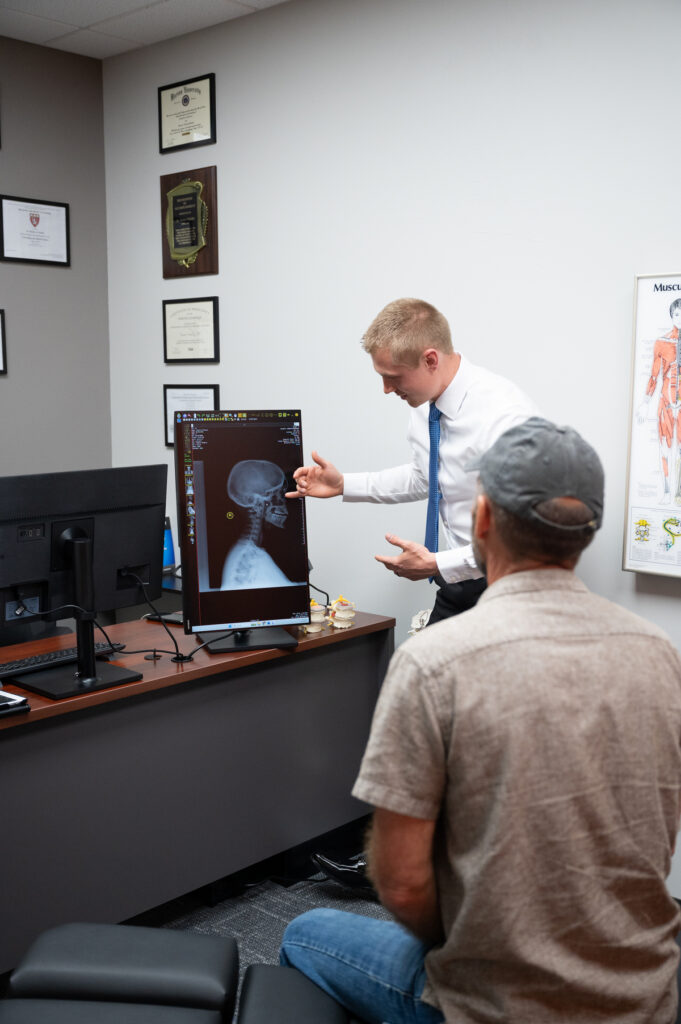
Chiropractic care is an excellent choice when it comes to managing tension headaches. A chiropractor can assess your spine and posture, helping to identify areas of tension and misalignment that may be contributing to your headaches. By utilizing spinal adjustments and other natural techniques, chiropractic care aims to relieve muscle tightness and improve your overall well-being.
In addition to chiropractic treatment, there are simple lifestyle changes and mindful practices you can incorporate into your daily routine. Here are a few tips to help you find relief:
- Maintain Good Posture: Pay attention to your posture, especially if you spend long hours sitting. Make sure your workstation is ergonomically set up to support your spine.
- Practice Relaxation Techniques: Incorporate stress-reducing practices such as deep breathing, meditation, or gentle yoga. These can help alleviate tension in your muscles.
- Stay Hydrated: Drink plenty of water throughout the day. Dehydration can contribute to headaches, so keeping hydrated is essential.
- Regular Exercise: Engage in regular physical activity to help reduce stress and improve blood circulation, which can alleviate headache symptoms.
- Adequate Sleep: Ensure you’re getting enough restful sleep. Sleep deprivation can trigger headaches, so prioritize good sleep hygiene.
By embracing these holistic approaches and considering chiropractic care, you can pave the way for lasting relief from tension headaches. Let’s work together towards achieving optimal health and wellness!
Key Takeaways
- Techniques for tension headache relief focus on addressing the root causes, promoting long-lasting wellness instead of just masking the symptoms. As a chiropractor, I believe in empowering patients to achieve optimal health naturally.
- Simple mindfulness and breathing exercises can work wonders in reducing muscle tension and anxiety, which are common triggers for tension headaches. Taking a few moments each day to practice deep breathing can help you feel more relaxed and centered.
- Chiropractic care is essential for improving spinal alignment. When your spine is aligned properly, it helps relieve pressure on the muscles and nerves that can lead to headache pain. Regular chiropractic adjustments can keep your body functioning at its best.
- By combining relaxation techniques with chiropractic treatments, you can enhance the overall effectiveness of your care. Practices like gentle stretching, yoga, or even just taking time to unwind can support your healing journey and promote a sense of well-being.
- Remember, personalized treatment plans are key. As your chiropractor, I will work with you to create a strategy that fits your unique needs, ensuring that you have the best tools for effective tension headache management. And don’t forget to stay hydrated and maintain good posture throughout your day—these small changes can make a big difference in your health!
Understanding Tension Headaches
Tension headaches, often triggered by stress, muscle tension, or anxiety, can really take a toll on your day-to-day life. If you’ve ever felt a dull, aching pain that seems to wrap around your head, along with tightness in your neck and shoulders, you’re not alone. While tension headaches may not bring on nausea or sensitivity to light like migraines do, they can still leave you feeling drained and distracted.
Understanding the signs and symptoms is the first step in managing these headaches effectively. You might experience a sense of pressure or tightness that builds up throughout the day. Poor posture, lack of sleep, and extended screen time can all contribute to the onset of tension headaches. Recognizing these triggers is essential, as it empowers you to take preventive measures.
Chiropractic care is an excellent choice for addressing the underlying issues that contribute to tension headaches. Regular chiropractic adjustments can help relieve muscle tension, improve posture, and enhance spinal health, all of which can reduce the frequency and intensity of headaches.
Additionally, incorporating some simple lifestyle changes can make a big difference. Here are a few tips to keep in mind:
- Maintain Good Posture: Whether you’re sitting at a desk or using your phone, make sure to keep your spine aligned. Ergonomic chairs and desks can be beneficial.
- Stay Hydrated: Dehydration can lead to headaches, so make sure you’re drinking plenty of water throughout the day.
- Manage Stress: Consider incorporating relaxation techniques such as deep breathing, meditation, or yoga to help reduce stress levels.
- Limit Screen Time: Take regular breaks from screens to give your eyes and neck a rest. The 20-20-20 rule is a great guideline: every 20 minutes, take a 20-second break and look at something 20 feet away.
- Prioritize Sleep: Aim for a consistent sleep schedule and ensure you’re getting enough restful sleep each night.
The Role of Stress in Tension Headaches
While many factors contribute to tension headaches, stress often plays a leading role in their development. When you’re under stress, your body reacts by tightening muscles, which can lead to those frustrating headaches. Understanding how stress affects you is crucial for finding natural relief, and chiropractic care can be a powerful ally in this journey.
Here are three ways stress can contribute to tension headaches, along with tips on how chiropractic care can help:
- Muscle Tension: Stress causes your neck and shoulder muscles to contract, leading to pain and discomfort. Regular chiropractic adjustments can help alleviate this muscle tension by ensuring your spine is aligned properly, which can reduce strain on surrounding muscles.
- Poor Posture: When stressed, it’s common to slouch or adopt awkward positions, which adds strain to your head and neck. A chiropractor can provide guidance on proper posture and exercises to strengthen your muscles, making it easier to maintain good alignment throughout the day.
- Sleep Disruption: High stress levels can interfere with your sleep quality, making you more susceptible to headaches. Chiropractic care not only helps relieve tension but can also enhance your overall well-being, promoting better sleep. Incorporating relaxation techniques and spinal adjustments can improve your sleep patterns and help you wake up refreshed.
By recognizing the connection between stress and tension headaches, you can take proactive steps toward natural healing. Consider incorporating regular chiropractic visits into your wellness routine, along with mindful practices like deep breathing or gentle stretching.
Together, these approaches can help you manage stress effectively and reduce the frequency of tension headaches, leading to a healthier, more balanced life.
Benefits of Holistic Approaches
Embracing holistic approaches can significantly improve your journey toward relieving tension headaches, and chiropractic care plays a vital role in this process. Rather than just addressing the symptoms, chiropractic care focuses on the whole person, emphasizing the connection between your mind, body, and spirit to promote overall wellness.
Here’s a breakdown of the benefits of incorporating chiropractic care into your wellness routine:
| Benefit | Description |
|---|---|
| Natural Healing | Chiropractic care supports your body’s natural ability to heal itself by improving spinal alignment and function. |
| Personalized Care | Each chiropractic treatment is tailored to your specific needs, ensuring a customized approach to your health. |
| Stress Reduction | Chiropractic adjustments can relieve physical tension and stress, addressing underlying issues that may contribute to headaches. |
| Improved Well-being | Regular chiropractic care enhances both your physical and mental health, helping you feel your best. |
| Empowerment | Chiropractic encourages you to take an active role in your health, equipping you with knowledge and tools for self-care. |
In addition to chiropractic care, here are some general tips for managing tension headaches:
- Stay Hydrated: Drink plenty of water throughout the day to prevent dehydration, a common headache trigger.
- Maintain Good Posture: Being mindful of your posture can help reduce strain on your neck and back, which may alleviate headache pain.
- Practice Relaxation Techniques: Engage in deep breathing, yoga, or meditation to help manage stress levels.
- Get Regular Exercise: Physical activity can improve circulation and reduce tension, contributing to fewer headaches.
- Limit Screen Time: Take breaks from screens to reduce eye strain, which can lead to headaches.
Mindfulness and Relaxation Techniques
Mindfulness and relaxation techniques can significantly alleviate the tension that often leads to headaches. As a chiropractor, I encourage you to consider natural methods for pain relief and overall wellness. One effective way to calm your mind and reduce stress is through simple breathing exercises. By taking slow, deep breaths, you can activate your body’s relaxation response, which may help ease headache symptoms.
Incorporating meditation into your daily routine is another beneficial practice. Taking just a few minutes each day to sit quietly and focus on your breath can create a sense of peace and clarity, further enhancing your well-being. Not only does this practice promote mental calmness, but it can also support your spinal health by reducing muscle tension often associated with stress.
Additionally, maintaining good posture and staying hydrated are vital for preventing headaches. Regular chiropractic adjustments can also be a game-changer, helping to align your spine and relieve tension in the neck and back. This holistic approach to health and wellness can provide you with the relief you seek without the need for medications or invasive procedures.
Breathing Exercises Benefits
Breathing exercises can be a valuable tool for relieving tension headaches, promoting relaxation, and reducing stress naturally. When you focus on your breath, it not only calms your mind but also helps ease muscle tension, which is often a culprit behind headaches.
Here are three key benefits of incorporating breathing exercises into your daily routine, especially to complement your chiropractic care:
- Enhanced Focus: By regularly practicing breathing exercises, you can improve your concentration. This heightened focus can empower you to better manage stressors that may trigger headaches, making it easier to maintain your overall well-being.
- Lowered Anxiety: Deep breathing activates your body’s natural relaxation response. This can significantly reduce feelings of anxiety, which often accompany tension headaches. Incorporating breathing techniques can be a simple yet effective way to support your mental health and enhance the benefits of chiropractic adjustments.
- Improved Circulation: Controlled breathing increases the flow of oxygen to your brain, which can help alleviate headache symptoms. Better circulation not only contributes to headache relief but also supports your overall health, making it an excellent complement to your chiropractic treatment.
In addition to these benefits, here are some general tips to enhance your experience with breathing exercises:
- Find a quiet, comfortable space where you can focus without distractions.
- Start with just a few minutes each day and gradually increase the time as you become more comfortable with the practice.
- Combine breathing exercises with gentle stretches or chiropractic adjustments for even greater relief.
Meditation Practices Overview
Meditation practices can be a powerful tool for managing stress and promoting relaxation, contributing significantly to your overall wellness routine. As a chiropractor, I believe that integrating mindfulness techniques into your daily life can complement chiropractic care and enhance your natural healing journey. By training your mind to focus on the present moment, you can effectively reduce anxiety and tension, which often manifest as physical discomfort in the body.
Simple practices such as guided meditation or body scans not only help calm the mind but also create a deeper connection with your body. This awareness allows you to identify areas of built-up stress and tension, making it easier to address them through chiropractic adjustments. Techniques like progressive muscle relaxation can systematically ease physical tension, helping you feel more relaxed and balanced.
You might be surprised to learn that even short sessions of meditation can provide significant relief from tension headaches and other stress-related issues. Establishing a regular meditation practice alongside your chiropractic care can lead to long-term benefits, improving your mental and emotional health while promoting a greater sense of well-being.
Here are some general tips to get started with meditation:
- Start Small: Begin with just a few minutes each day and gradually increase the duration as you become more comfortable.
- Create a Calm Space: Find a quiet area where you can sit comfortably without distractions.
- Focus on Your Breath: Pay attention to your breathing; this can help anchor your mind and bring you back to the present moment.
- Be Gentle with Yourself: If your mind wanders, gently redirect your focus without judgment.
Incorporating these practices into your routine, along with regular chiropractic visits, can help you achieve optimal health and a more relaxed state of being. Your mind and body will truly thank you for it!
Physical Therapies for Relief
When it comes to finding relief from tension headaches, chiropractic care can be a transformative approach. Unlike other treatments, chiropractic focuses on the alignment of your spine and overall wellness, helping you manage headaches naturally and effectively.
Here are three chiropractic techniques that can help you find relief:
- Spinal Adjustments: Gentle adjustments to your spine help realign your vertebrae, relieving pressure on nerves and muscles that may be contributing to your tension headaches. This alignment promotes better communication between your brain and body, enhancing overall function.
- Soft Tissue Therapy: Techniques such as massage or myofascial release target tight muscles in your neck, shoulders, and scalp. By easing muscle tension, you can significantly reduce the frequency and intensity of your headaches.
- Posture Correction Exercises: Engaging in specific exercises to improve your posture and strengthen your neck and back can make a world of difference. Good posture reduces strain on your muscles and spine, helping to prevent tension headaches before they start.
Incorporating chiropractic care into your wellness routine can lead to remarkable improvements in your health. You’ll experience not just relief from headaches, but also enhanced overall vitality and well-being.
Dietary Considerations and Hydration
When managing tension headaches, what you eat and drink plays a vital role in your overall wellness. As a chiropractor, I want to emphasize the importance of a healthy diet and proper hydration in supporting your body’s natural healing processes. By making mindful dietary choices, you can help reduce the frequency and intensity of headaches, while also enhancing your overall health.
First, it’s important to identify and avoid certain foods that may trigger headaches for you. Common culprits include aged cheeses, processed meats, and foods high in sugar or caffeine. Instead, focus on whole, nutritious foods like fruits, vegetables, whole grains, and lean proteins. These foods not only provide essential nutrients but also support your body’s functions, which is crucial for maintaining a healthy spine and nervous system.
Hydration is another key factor in headache management. Dehydration can lead to increased tension and discomfort, so make sure to drink plenty of water throughout the day. Herbal teas and infused water with fruits can also be enjoyable ways to stay hydrated.
Incorporating regular chiropractic care into your wellness routine can further enhance your efforts in managing tension headaches. Chiropractic adjustments can help alleviate tension in the neck and spine, improving your overall posture and reducing stress on your body. With a well-aligned spine, your nervous system can function optimally, which is vital for pain relief and health.
Foods to Avoid
Managing tension headaches involves not only chiropractic care but also being mindful of your diet, as certain foods can contribute to your discomfort. By avoiding specific triggers, you can enhance the effectiveness of your chiropractic treatments and move closer to optimal health. Here are three common foods to steer clear of:
- Processed Foods: Foods loaded with preservatives and artificial ingredients can lead to increased headaches. Opt for whole, natural foods instead, as they nourish your body and support your overall well-being.
- Caffeinated Beverages: While some people find relief from headaches with caffeine, it can also lead to withdrawal headaches for those who consume it in excess. If you enjoy coffee or tea, consider moderation and balance to prevent dependency.
- Aged Cheeses and Cured Meats: These items contain tyramine, which may trigger headaches for sensitive individuals. Instead, choose fresh cheeses and lean, unprocessed meats to keep your diet headache-friendly.
By being aware of these dietary triggers and prioritizing natural, whole foods, you can support your body’s healing processes and amplify the benefits of chiropractic care.
Importance of Hydration
Hydration is essential for managing tension headaches, and as a chiropractor, I want to emphasize how important it’s for your overall health and wellness. Even mild dehydration can lead to discomfort, as your body may respond by tightening muscles, particularly in your neck and shoulders, which can trigger headaches. Ensuring you drink enough water is a simple yet effective way to help alleviate this pain.
To keep your body well-hydrated, aim for at least eight 8-ounce glasses of water each day, adjusting this amount based on your activity level and the climate you’re in. Incorporating hydrating foods, like fruits and vegetables, can also enhance your hydration. These foods not only help with hydration but are also beneficial for your spinal health.
Listen to your body. If you feel thirsty or notice that your urine is dark, it’s a clear sign that it’s time to hydrate. Staying well-hydrated can reduce the frequency of headaches and contribute to your overall well-being.
When to Seek Professional Help
If you’re struggling with tension headaches that just won’t go away, it’s important to seek professional help—especially from a chiropractor who specializes in natural healing. Ignoring these persistent headaches can lead to further discomfort and complications, so don’t hesitate to reach out for support.
Here are three key signs that it may be time to consult with a chiropractic professional:
- Increased Frequency: If your headaches are becoming more frequent or more intense, this could indicate an issue that needs addressing. A chiropractor can help identify the root cause of your pain and suggest effective, natural solutions.
- Duration: Headaches that last longer than just a few days or don’t respond to common over-the-counter treatments may require a different approach. Chiropractic care focuses on the alignment of your spine and overall health, which can alleviate headache symptoms and improve your quality of life.
- Accompanying Symptoms: If you experience other symptoms such as vision changes, nausea, or neurological issues along with your headaches, it’s important to get checked out. A chiropractor can provide a thorough evaluation and help guide you toward a more holistic approach to wellness.
Remember, getting professional advice from a chiropractor can help uncover triggers and develop a personalized treatment plan just for you. Natural healing is possible, and you’re not alone on this journey!
Here are some general tips to manage tension headaches at home:
- Stay Hydrated: Dehydration can lead to headaches, so make sure you’re drinking enough water throughout the day.
- Practice Good Posture: Poor posture can contribute to tension headaches. Be mindful of your sitting and standing positions, especially if you’re working at a desk.
- Incorporate Relaxation Techniques: Stress can exacerbate headaches. Try techniques such as deep breathing, meditation, or gentle yoga to help relieve tension.
Conclusion
Incorporating targeted techniques for tension headache relief can significantly enhance your journey towards optimal wellness. As a chiropractor, I believe it’s vital to address the underlying causes of your headaches, such as stress, muscle tightness, and dehydration, rather than simply masking the symptoms. This approach not only promotes immediate relief but also supports your long-term health.
By embracing holistic methods, including mindful breathing exercises and gentle physical therapies, you can empower yourself to manage your headaches more effectively. Chiropractic care, in particular, is a natural and effective way to alleviate tension headaches by addressing spinal alignment and muscle tension, which are often the culprits behind your pain.
Here are some practical tips for headache relief:
- Stay Hydrated: Ensure you drink enough water throughout the day to keep your body functioning optimally. Dehydration can often lead to headaches.
- Practice Good Posture: Be mindful of your posture, especially if you spend long hours at a desk. Poor posture can lead to muscle tension and headaches.
- Stretch Regularly: Incorporate gentle stretching into your daily routine. Focus on your neck, shoulders, and upper back to relieve tension that can contribute to headaches.
- Mindful Breathing: Take a few minutes each day to practice deep, mindful breathing. This can help reduce stress and promote relaxation, which may alleviate headache symptoms.
- Seek Chiropractic Care: Regular visits to your chiropractor can help keep your spine aligned and your muscles relaxed, reducing the frequency and intensity of your headaches.
Remember to listen to your body and consult with a healthcare professional when necessary. By prioritizing your well-being and integrating these simple strategies into your life, you may experience fewer headaches and an overall improved quality of life. Choose chiropractic care as your go-to solution for natural pain relief and wellness.