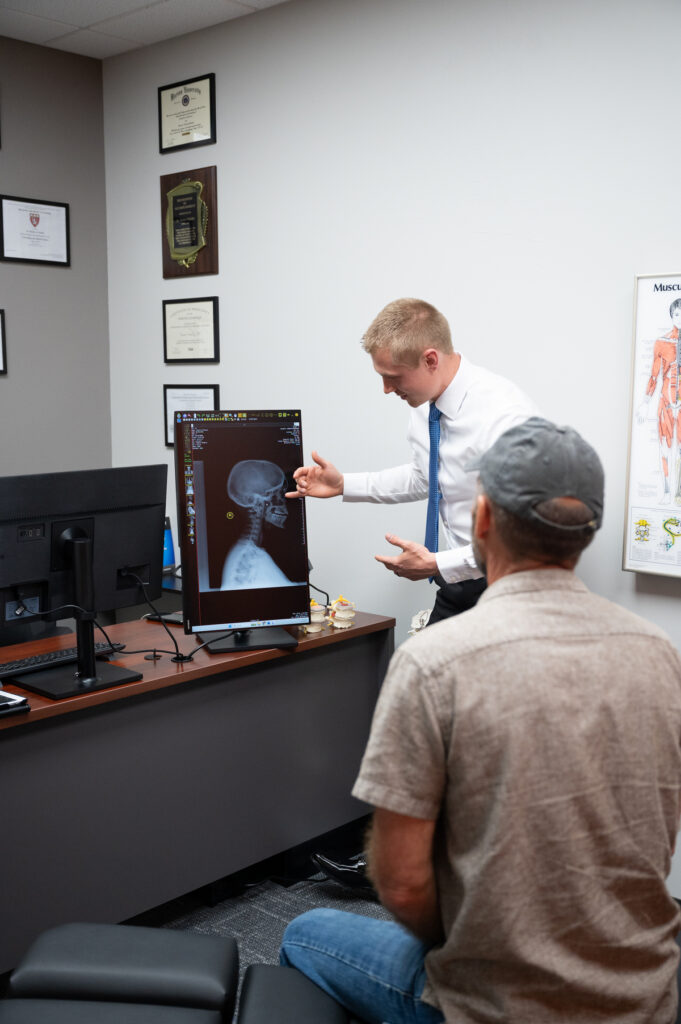

If you’ve ever dealt with neck pain, you understand how it can throw a wrench in your daily routine. Thankfully, there are effective steps you can take to prevent it and support your overall wellness. By recognizing common causes and adopting simple strategies, such as enhancing your posture and creating an ergonomic workspace, you can significantly alleviate discomfort.
Chiropractic care is an excellent option for maintaining a healthy neck and preventing pain. Regular adjustments from a qualified chiropractor can help realign your spine, reduce tension, and improve your overall mobility. Additionally, incorporating stretches and exercises specifically designed for neck health can further enhance your well-being.
Let’s dive into some essential practices that can help you keep your neck healthy and promote a lifestyle of natural wellness:
- Maintain Good Posture: Be mindful of your posture throughout the day. Whether sitting at a desk or standing, keeping your head aligned over your shoulders can help reduce strain on your neck.
- Create an Ergonomic Workspace: Ensure your workstation is set up to support your body. Your computer screen should be at eye level, and your chair should support your lower back. This setup can prevent you from leaning forward and straining your neck.
- Stay Active: Regular physical activity promotes overall health. Incorporating gentle neck stretches and exercises into your routine can help keep your muscles strong and flexible.
- Mindful Movements: When lifting objects or engaging in physical activities, use your legs instead of straining your neck or back. Keep your movements smooth and controlled to avoid injury.
- Chiropractic Care: Consider visiting a chiropractor for regular adjustments. This hands-on approach helps correct misalignments in your spine and can lead to long-lasting relief from neck pain.
By following these tips and prioritizing chiropractic care, you can take significant strides toward preventing neck pain and achieving optimal health. Remember that a healthy neck contributes to a healthier life, so start incorporating these practices today!
Key Takeaways
- To keep your neck and spine healthy, it’s essential to maintain good posture. Make sure your workstation is ergonomically designed, allowing your body to work efficiently without unnecessary strain on your neck.
- Remember the 20-20-20 rule to give your eyes (and neck) a break. Every 20 minutes, look at something 20 feet away for at least 20 seconds. This not only helps reduce eye strain but also keeps your neck from getting stiff.
- Incorporate gentle neck and shoulder stretching exercises into your daily routine. These stretches can help strengthen the muscles around your neck and improve flexibility, making you less prone to pain.
- Choosing the right pillow and sleep position is crucial for proper neck alignment while you rest. A supportive pillow can help ensure your neck is in a comfortable position, aiding in muscle repair while you sleep.
- Stress management is vital for neck health. Engage in mindfulness practices and gentle stretching. These techniques can help reduce tension in your muscles, which often contributes to neck pain.
As a chiropractor, I can attest that these strategies not only promote natural healing but also enhance overall wellness. By focusing on these simple practices, you can effectively prevent neck pain and support your body’s functionality without the need for invasive treatments.
Understanding Neck Pain: Causes and Symptoms
Neck pain is a common issue that can sneak up on you, often caused by everyday activities such as poor posture or too much time in front of screens. Do you find yourself leaning over your phone or computer? This can put undue stress on the muscles and ligaments in your neck, leading to discomfort that may feel like stiffness, soreness, or even sharp pain. As a result, turning your head can become a challenge.
Other common triggers for neck pain include sleeping in awkward positions, carrying heavy bags, or sudden movements during sports. You might also notice tension headaches that often accompany neck discomfort. It’s important to be mindful of how your neck feels throughout the day. If you start to notice tightness or persistent pain, addressing these symptoms early is key. Ignoring them can lead to chronic discomfort that interferes with your daily activities.
Chiropractic care is an effective option for addressing neck pain and promoting overall wellness. A chiropractor can help correct misalignments in your spine, which can relieve tension in your neck and improve your range of motion. Plus, chiropractic adjustments can enhance your body’s natural healing process, allowing you to recover more effectively.
To keep your neck healthy, here are some helpful tips:
- Maintain good posture: Sit up straight with your shoulders back when using your phone or computer.
- Take regular breaks: Stand up, stretch, and move around every 30 minutes to reduce strain.
- Sleep wisely: Use a supportive pillow that keeps your neck aligned with your spine.
- Stay active: Engage in regular exercise to strengthen your neck and back muscles.
The Importance of Good Posture
Maintaining good posture is essential for preventing neck pain and enhancing your overall health. When you sit or stand with proper alignment, you can significantly reduce the strain on your neck and spine, leading to a more comfortable daily life.
As a chiropractor, I want to share three compelling reasons why good posture is so important and how chiropractic care can help you achieve it:
- Reduces Strain: When your body is aligned correctly, it keeps your muscles and ligaments balanced, which minimizes stress on your neck. Regular chiropractic adjustments can help maintain this alignment, ensuring that your body functions optimally and reducing the risk of pain.
- Enhances Breathing: Good posture opens up your chest and allows your diaphragm to work effectively. This improves your oxygen intake and boosts your energy levels throughout the day. Chiropractic care can assist in achieving this alignment, helping you breathe easier and feel more energized.
- Boosts Confidence: Standing tall not only supports your physical health but also improves your mental well-being. Good posture can make you appear more confident, which can have a positive impact on various aspects of your life. With chiropractic adjustments, you can maintain the posture that supports both your body and mind.
Tips for Improving Your Posture:
- Be mindful of your posture when sitting or standing. Try to keep your shoulders back and your head aligned over your spine.
- Take breaks if you’re sitting for long periods. Stand up, stretch, and move around to relieve tension.
- Consider incorporating exercises that strengthen your core, as a strong core supports good posture.
By focusing on good posture and incorporating chiropractic care into your wellness routine, you can enjoy natural pain relief and enhance your overall health.
Ergonomic Workstation Setup
Creating an ergonomic workstation is vital for anyone who spends long hours at a desk, especially when it comes to protecting your spine and overall health. A well-set-up workspace can significantly reduce the risk of developing neck pain and other musculoskeletal issues.
As a chiropractor, I want to share some simple tips that can help you create a more comfortable environment while promoting natural healing and wellness.
Start with your monitor: it should be at eye level to prevent you from tilting your head. This simple adjustment can help maintain the natural curvature of your neck and spine. Your keyboard and mouse should be within easy reach, allowing your elbows to rest comfortably at a 90-degree angle. This positioning will help minimize strain on your shoulders and neck.
Your chair plays a crucial role in supporting your lower back. Make sure it encourages good posture, with your feet flat on the ground or on a footrest. Adjust your chair height so your thighs are parallel to the floor; this will help keep your spine aligned and reduce pressure on your lower back.
When on phone calls, consider using a headset or speakerphone. This avoids the common habit of cradling your phone between your shoulder and ear, which can lead to neck strain.
Finally, don’t overlook your lighting! Proper lighting can help reduce eye strain, which can indirectly affect your neck and back.
By following these ergonomic tips, you’ll not only promote better posture and comfort but also support your overall health.
Remember, chiropractic care is an excellent way to address any discomfort you may experience and to maintain optimal health. Regular visits to your chiropractor can help keep your spine aligned and your body functioning at its best.
Prioritize your well-being by setting up your workstation thoughtfully and considering chiropractic care for ongoing support.
Taking Breaks: The 20-20-20 Rule
To keep your neck pain at bay and promote overall wellness, it’s crucial to incorporate regular breaks into your routine using the 20-20-20 rule. Every 20 minutes, take a moment to look at something 20 feet away for 20 seconds. This practice helps reduce eye strain and encourages you to move around, which is essential for maintaining a healthy spine.
In addition to this simple exercise, remember that good posture is key to preventing discomfort. Try to sit up straight with your shoulders back, and avoid hunching over your devices.
Regular chiropractic care can also support your journey to optimal health, as it focuses on aligning your spine and enhancing your body’s natural healing capabilities.
Eye Strain Prevention
As you spend long hours focused on screens, it’s common for your eyes to feel fatigued, leading to discomfort and strain. This can also affect your overall spinal health, as poor posture while using screens can lead to neck and back pain.
To combat eye strain while maintaining your spine’s alignment, I recommend following the 20-20-20 rule: every 20 minutes, take a break and look at something 20 feet away for at least 20 seconds. This simple practice helps reduce eye strain and gives your eyes a much-needed rest.
To further enhance your eye and overall health, consider these tips:
- Blink frequently: Remember to blink often to keep your eyes moist and reduce dryness, which can sometimes lead to tension in the neck and shoulders.
- Adjust screen brightness: Ensure your screen isn’t too bright or too dim compared to your surroundings, as this can lead to squinting and straining your neck.
- Use proper lighting: Make sure your workspace is well-lit to minimize glare on your screen, allowing for better posture and comfort.
Implementing these strategies won’t only help keep your eyes comfortable but also support your spinal health.
Regular Movement Importance
Maintaining regular movement throughout your day is essential for your overall health and wellness, particularly when it comes to spinal health. As a chiropractor, I can tell you that prolonged sitting can lead to neck stiffness and discomfort, which can affect your quality of life.
To combat this, I recommend the 20-20-20 rule: every 20 minutes, take a 20-second break to look at something 20 feet away. This simple practice not only gives your eyes a rest but also serves as a reminder to incorporate movement into your day.
During these breaks, take time to stretch your neck and shoulders. Gentle neck rolls and shoulder shrugs can help alleviate tension and keep your muscles flexible. If possible, take a quick walk around your space to get your blood flowing. Movement is vital for reducing tightness and promoting a healthy spine.
To help you remember to take these mini-breaks, consider setting reminders on your phone or using apps that encourage movement. Integrating these practices into your daily routine can significantly reduce neck pain and improve your overall comfort.
By prioritizing movement and spinal health, you’re taking a proactive approach to your well-being.
Posture Correction Tips
As a local chiropractor, I want to emphasize how crucial good posture is for your overall health, especially when it comes to preventing neck pain. Poor posture can lead to unnecessary strain on your neck and spine, making it important to stay mindful of your alignment throughout the day.
One simple yet effective strategy is the 20-20-20 rule, which can help alleviate tension and promote better posture. Here’s how you can easily incorporate it into your routine:
- Every 20 minutes, take a moment to look at something 20 feet away for at least 20 seconds. This break not only gives your eyes a rest but also encourages you to shift your posture.
- During this time, take the opportunity to gently stretch your neck and shoulders. This will help release any built-up tension and improve your overall comfort.
- Ensure your workspace is set up ergonomically to support healthy posture while you work. A well-adjusted chair and desk can make a significant difference in your spinal alignment.
Remember, chiropractic care is an excellent way to support your posture and address any pain you may be experiencing. Regular adjustments can help align your spine, improve your posture, and promote natural healing.
Stretching and Strengthening Exercises
Incorporating stretching and strengthening exercises into your daily routine can significantly help in preventing neck pain, a common issue many of us face. These exercises not only relieve tension but also enhance the resilience of your neck muscles, leading to improved spinal health. As a chiropractor, I believe that maintaining a strong and flexible neck is essential for overall wellness. Here are some simple routines you can easily integrate into your day:
| Stretching Exercise | Strengthening Exercise |
|---|---|
| Neck tilts (side to side) | Neck isometrics (push against resistance) |
| Shoulder shrugs | Wall angels |
| Chin tucks | Resistance band pulls |
| Upper trapezius stretch | Prone neck extensions |
Try to dedicate a few minutes each day to these exercises. When stretching, focus on gently releasing tight muscles, ensuring you breathe deeply to promote relaxation. For strengthening, remember to engage your core for stability—this will help support your spine better during the exercises.
Consistency is key! By making these exercises a part of your daily habit, you’ll not only enhance flexibility but also build a stronger foundation for your neck, which can lead to reduced pain and improved overall health.
Additionally, consider scheduling regular visits to your chiropractor. Chiropractic care can play a vital role in maintaining your spinal health, ensuring that your body is aligned and functioning optimally. By combining chiropractic adjustments with these exercises, you can achieve the best results for your neck and overall health. Remember, natural healing and wellness come from a holistic approach—let’s work towards a pain-free life together!
The Role of Sleep in Neck Health
Sleep is crucial for maintaining a healthy neck, as it allows your body to repair and rejuvenate itself. When you get quality sleep, it can help alleviate muscle tension and inflammation, which are common causes of neck pain.
As a local chiropractor, I want to share some practical tips to ensure you’re getting the restorative rest you need for optimal neck health, while also highlighting the benefits of chiropractic care for pain relief and overall wellness.
- Choose the Right Pillow: It’s important to select a pillow that supports the natural curve of your neck. This keeps your spine aligned and helps prevent discomfort. A chiropractor can help guide you in finding the best pillow for your specific needs.
- Maintain a Comfortable Sleep Position: Sleeping on your back or side is ideal for neck health. Avoid sleeping on your stomach, as this can put unnecessary strain on your neck and lead to pain. If you’re unsure about your sleep position, a chiropractor can offer personalized advice.
- Establish a Sleep Routine: Going to bed and waking up at the same time every day helps regulate your body’s internal clock, promoting better sleep. Consistent sleep patterns can enhance recovery and wellness, which chiropractic care can further support through regular adjustments.
Remember, quality sleep is a key component of neck health, but if you’re experiencing persistent pain or discomfort, consider visiting a chiropractor.
We provide natural, non-invasive solutions to help you achieve optimal health and well-being. Your journey towards a pain-free life starts with taking care of your body, and that includes prioritizing your sleep!
Managing Stress and Tension
Stress and tension can significantly contribute to neck pain, which is why managing these factors is crucial for your well-being. As a chiropractor, I believe that incorporating natural stress-relief techniques into your daily routine can help you feel more relaxed and alleviate discomfort. Here are some effective strategies you can easily implement:
| Technique | Description |
|---|---|
| Deep Breathing | Focus on taking slow, deep breaths to calm your mind and promote relaxation. This simple practice can help reduce muscle tension in your neck. |
| Gentle Stretching | Incorporate gentle neck stretches to relieve tension. Simple movements can improve flexibility and reduce discomfort in the cervical spine. |
| Mindfulness | Engaging in mindfulness or meditation allows you to stay present and centered, reducing overall stress levels that can lead to pain. |
| Regular Exercise | Staying active through regular physical activity is vital. Exercise releases endorphins, which can naturally improve your mood and alleviate pain. |
| Time Management | Organizing your tasks and setting priorities can help you manage your time effectively, reducing feelings of overwhelm and stress. |
As a chiropractor, I emphasize the importance of a holistic approach to health. By integrating these techniques into your life, you can promote natural healing and improve your overall well-being. Remember, chiropractic care is also a fantastic way to address neck pain and tension, providing you with the support you need for optimal health. If you’re experiencing discomfort, consider consulting with a chiropractor to explore how spinal adjustments can enhance your wellness journey.
The Benefits of Heat and Cold Therapy
When it comes to alleviating neck pain, incorporating heat and cold therapy into your routine can be incredibly beneficial. Heat therapy is great for soothing tight muscles, helping them relax and easing discomfort. On the other hand, cold therapy is effective at reducing inflammation and numbing sharp pain, providing a quick relief from acute discomfort.
For optimal results, consider combining these two approaches. Start with heat to loosen up any tightness in your muscles, followed by cold therapy to tackle any inflammation. This balanced method can offer you the best of both worlds when it comes to finding relief.
As a chiropractor, I always emphasize the importance of spinal health in overall wellness. Regular chiropractic adjustments can help maintain proper alignment, which can prevent neck pain from occurring in the first place.
In addition to therapy methods, it’s also essential to pay attention to your posture throughout the day, especially if you spend long hours sitting at a desk.
Here are some general tips for managing neck pain:
- Stay Active: Gentle stretching and movement can help keep your neck muscles strong and flexible.
- Practice Good Posture: Ensure that your workstation is ergonomically set up to reduce strain on your neck.
- Take Breaks: If you’re sitting for long periods, take short breaks to stand, stretch, and move around.
- Stay Hydrated: Drinking plenty of water supports overall health and helps keep your spinal discs hydrated.
Heat Therapy Benefits
Heat therapy can be a wonderful way to soothe neck pain and promote overall wellness. When you apply heat, you’re not just providing comfort; you’re also enhancing blood circulation, relaxing tight muscles, and reducing stiffness in the neck area.
Here are three essential benefits of using heat therapy for neck discomfort that can complement your chiropractic care:
- Muscle Relaxation: The warmth from heat therapy helps to loosen tight muscles around your neck. This not only brings immediate relief but also enhances your mobility, making it easier to move your head and neck without discomfort.
- Natural Pain Relief: Heat can help to block pain signals sent to the brain. This offers a natural and effective way to manage discomfort, allowing you to feel more at ease as you go about your day.
- Improved Flexibility: Regularly incorporating heat therapy into your routine can lead to increased flexibility in your neck. This enhances your range of motion, making everyday activities, such as driving or exercising, much more manageable.
As a chiropractor, I encourage you to integrate heat therapy into your health and wellness regimen. It’s a simple, safe, and effective method for alleviating pain that works beautifully alongside chiropractic adjustments.
Just remember to use heat safely—always ensure it’s warm, not too hot, to prevent any skin irritation.
By focusing on natural healing methods like chiropractic care and heat therapy, you can take significant steps towards achieving optimal health and a pain-free lifestyle.
Make these practices a part of your daily routine, and you may notice remarkable improvements in how you feel!
Cold Therapy Advantages
While heat therapy can certainly provide soothing relief, I want to highlight the unique benefits of cold therapy, especially when it comes to neck pain. Cold therapy can be a powerful ally in reducing inflammation and swelling, which often leads to pain relief and a quicker recovery.
When you apply cold packs to your neck, they constrict blood vessels, effectively minimizing the flow of those painful chemicals that can linger in the affected area. This can offer immediate comfort, particularly after physical activity or injury. Moreover, cold therapy has the added benefit of numbing sharp pain, allowing you to go about your daily activities with less discomfort.
For those of you looking to incorporate cold therapy into your routine, here are some practical tips: always wrap your ice pack in a cloth to protect your skin from frostbite, and limit each application to 15-20 minutes to ensure optimal results without overdoing it.
While cold therapy is beneficial, remember that chiropractic care addresses the root causes of pain and promotes overall wellness. By seeking regular chiropractic adjustments, you can enhance your body’s natural healing processes, improve spinal alignment, and ultimately reduce pain more effectively than cold therapy alone.
Always consider discussing any persistent pain with your chiropractor for tailored advice and support in achieving your health goals.
Combined Treatment Approaches
Combining heat and cold therapy can greatly enhance your neck pain management strategy, especially when paired with chiropractic care. These treatments work hand-in-hand to promote healing and improve your overall comfort. Here’s how you can effectively use them together:
- Reduce Inflammation: Begin with cold therapy to help minimize swelling and numb any pain, particularly after an injury. This initial step is crucial for reducing inflammation and can be easily done at home with a cold pack or ice wrapped in a cloth.
- Relax Muscles: After the cold treatment, switch to heat therapy. Applying heat helps to promote blood flow, relax tense muscles, and ease any stiffness. You can use a warm towel, heating pad, or even take a warm shower. This step is important for preparing your muscles for movement and recovery.
- Enhance Recovery: Alternating between heat and cold can speed up your recovery process by allowing your muscles to relax while effectively managing pain. This technique can be a great complement to regular chiropractic adjustments, which help realign your spine and improve overall function.
Incorporating these therapies into your routine can provide significant relief from neck pain.
Remember, the goal of chiropractic care is to support your body’s natural healing process, helping you achieve optimal health without relying on medications or invasive procedures.
If you experience persistent pain, consider visiting your local chiropractor for personalized advice and treatment tailored to your needs. Your journey to a healthier, pain-free life can start with simple strategies like these!
When to Seek Professional Help
How do you know when it’s time to seek professional help for neck pain? If your discomfort lasts longer than a week or worsens despite home remedies like gentle stretching or heat therapy, it’s a clear sign to get checked out. Consulting a chiropractor can provide you with a natural approach to relieve pain and promote healing without the need for medications or invasive procedures.
It’s especially important to reach out if you experience numbness, tingling, or weakness in your arms or hands. These symptoms could indicate that nerves are affected and need special attention. A chiropractor can assess your spine and help restore proper alignment, which can alleviate these sensations.
If you notice a decrease in your range of motion or if pain is interfering with daily activities such as sleeping or working, don’t hesitate to seek care. A skilled chiropractor can help you regain mobility and reduce discomfort through targeted adjustments and personalized wellness strategies.
Also, if your neck pain follows an injury or is accompanied by severe headaches, fever, or unexplained weight loss, it’s crucial to seek help right away. Trust your instincts; if something feels off, it’s always better to be cautious. A professional evaluation can lead to effective treatments that support your body’s natural healing processes and prevent further complications.
Remember, maintaining a healthy spine is key to overall wellness. Incorporate regular movement, stay hydrated, and practice good posture to support your neck health.
If you’re ever in doubt about your neck pain, reaching out to a chiropractor can be a step towards achieving optimal health and wellness naturally.
Conclusion
By incorporating these chiropractic strategies into your daily routine, you can significantly reduce the risk of neck pain and promote overall wellness. Start by focusing on maintaining good posture—this is crucial in preventing strain on your neck. Setting up an ergonomic workspace can also help; ensure your chair and desk are aligned to support your spine properly.
It’s essential to take regular breaks throughout your day. This not only gives your neck a rest but also allows you to reset your posture. Incorporating gentle stretches and strengthening exercises into your routine will help keep your neck muscles resilient. Prioritizing quality sleep is equally important; a supportive pillow can make a big difference in your neck health.
Managing stress is vital as well. High stress can lead to muscle tension in your neck, so consider practicing mindfulness techniques like deep breathing or meditation to keep that tension at bay. Remember, a proactive approach today—such as regular chiropractic care—can lead to a healthier, pain-free neck tomorrow. Take charge of your well-being by considering chiropractic as the best choice for natural pain relief and optimal health!