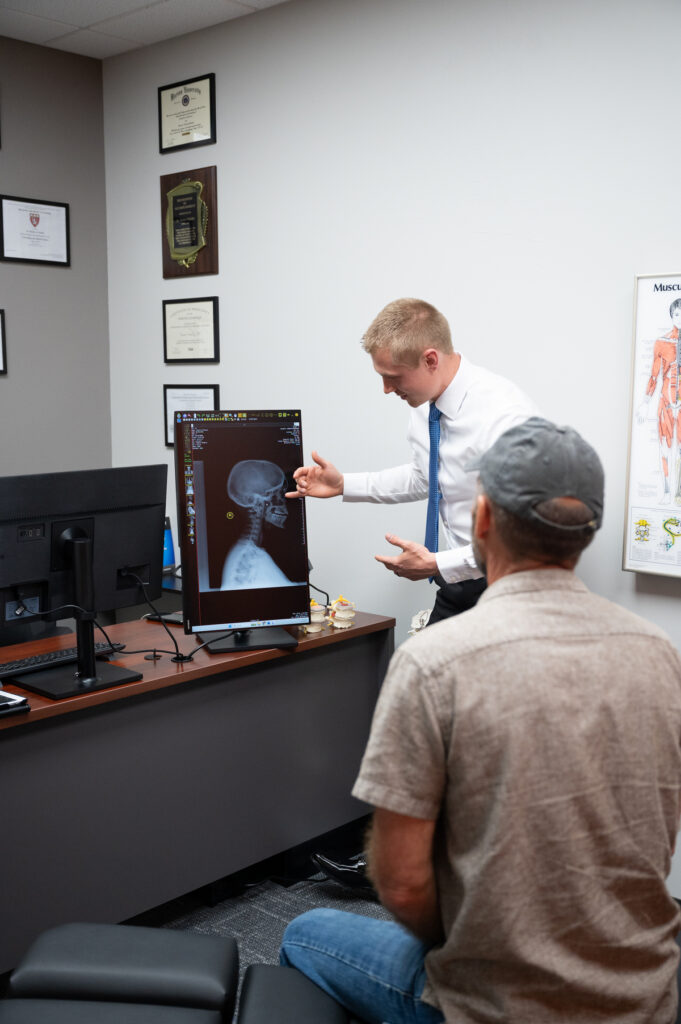
If you experience migraines, you understand how much they can disrupt your daily life. As a local chiropractor, I want to share with you some natural techniques to help prevent these painful episodes and promote your overall well-being. By identifying your triggers and making some thoughtful lifestyle adjustments, you can take control of your health and reduce the frequency of migraines. Let’s dive into effective strategies that can enhance your quality of life, starting with your diet and hydration habits.
One of the first steps is to pay attention to what you eat and drink. A balanced diet rich in whole foods, including fruits, vegetables, and whole grains, can have a positive impact on your health. Staying well-hydrated is equally important, as dehydration can often trigger migraines. Aim to drink plenty of water throughout the day to keep your body functioning optimally.
Additionally, incorporating regular chiropractic care into your wellness routine can be a game-changer. Chiropractic adjustments can help relieve tension in your spine and neck, which may be contributing to your headaches. By addressing spinal misalignments, you can improve your overall nervous system function and reduce the likelihood of migraine occurrences.
Another beneficial practice is to manage stress through relaxation techniques such as yoga, meditation, or deep-breathing exercises. These methods not only help reduce stress levels but also promote a healthier spine and nervous system.
Lastly, consider keeping a migraine diary. Tracking your symptoms, triggers, and lifestyle factors can give you valuable insights into what may be causing your migraines, allowing you to make informed adjustments.
Remember, you don’t have to suffer in silence. By embracing natural techniques and prioritizing your spinal health through chiropractic care, you can take significant steps toward reducing migraines and achieving optimal wellness.
Key Takeaways
- Keep a migraine diary to help identify personal triggers, such as stress, certain foods, and hormonal fluctuations. This can guide you in making lifestyle changes that may reduce the frequency of your migraines.
- Consider practicing relaxation techniques like deep breathing, progressive muscle relaxation, and mindfulness meditation. These methods can help ease tension and manage stress, which are often significant contributors to migraine episodes.
- Establishing a consistent sleep schedule is crucial. Create a calming bedtime routine to promote restorative sleep quality, as poor sleep can exacerbate migraine symptoms. Chiropractic care can also help improve your sleep through spinal adjustments, which can promote better overall health.
- Don’t forget the importance of hydration! Aim to drink at least eight glasses of water daily and include hydrating foods in your diet. Staying well-hydrated can significantly reduce migraine frequency and intensity.
- Focus on incorporating nutrient-rich whole foods into your diet while being mindful of individual dietary triggers. Try to limit processed foods, caffeine, and alcohol as these can potentially aggravate migraines. Chiropractic care emphasizes the importance of a healthy diet as part of a holistic approach to wellness.
By taking these steps and considering chiropractic care as part of your health journey, you can work towards achieving optimal health and reducing migraine occurrences naturally.
Understanding Your Triggers
To effectively manage migraines and enhance your overall wellness, it’s essential to understand your triggers. Identifying what sparks your headaches can significantly improve your daily life. A great first step is to keep a migraine diary. Record when your migraines occur, what you eat, your activities, and any stress you experience. With time, you’ll start to notice patterns that can help you pinpoint specific triggers.
Common culprits for migraines can include stress, hormonal changes, lack of sleep, and environmental factors such as bright lights or strong smells. Once you’ve identified your triggers, you can take proactive measures to avoid them. For example, if stress is a major factor, consider incorporating natural relaxation techniques into your routine, like gentle stretching, chiropractic adjustments, deep breathing exercises, or mindfulness meditation.
Chiropractic care can play a pivotal role in managing migraines. By addressing spinal misalignments, we can help improve nerve function and reduce tension in your body, which may alleviate headache symptoms. Regular chiropractic adjustments can promote better sleep, reduce stress, and contribute to overall wellness, which is crucial for preventing migraines.
Don’t underestimate the power of prevention. By being aware of your triggers and making informed choices, you can minimize your risk of migraines and enhance your quality of life. Remember, taking control of your health starts with awareness and proactive steps. Stay vigilant, and consider chiropractic care as a natural and effective way to support your journey toward optimal health and wellness.
Dietary Adjustments for Migraine Prevention
When it comes to preventing migraines, your diet plays a vital role, and as your local chiropractor, I want to help you understand how simple changes can lead to better well-being. Staying hydrated and being mindful of what you eat can significantly impact the frequency and intensity of your migraines.
Opting for nutrient-rich foods not only nourishes your body but also supports your overall health, which can help in reducing migraine occurrences. Incorporating whole foods, such as fruits, vegetables, and whole grains, is a great place to start. These foods are packed with essential vitamins and minerals that can help minimize the triggers for migraines.
In addition to dietary choices, maintaining proper hydration is crucial. Drinking plenty of water throughout the day can help you stay energized and may also prevent dehydration-related headaches.
While dietary adjustments are important, remember that chiropractic care is a powerful tool for achieving optimal health and relieving pain naturally. Regular chiropractic adjustments can help ensure that your spine is aligned correctly, which can improve overall function and potentially reduce the frequency of migraines.
Hydration and Migraine Link
Staying well-hydrated is essential for managing migraine symptoms and promoting overall wellness. When our bodies lack sufficient water, dehydration can lead to headaches and worsen migraine episodes. As a chiropractor, I encourage you to aim for at least eight 8-ounce glasses of water each day, adjusting this amount based on your activity level and environmental conditions. Keeping a reusable water bottle nearby can serve as a great reminder to drink water consistently throughout the day.
It’s important to note that symptoms of dehydration, such as fatigue and dizziness, can sometimes mimic the warning signs of a migraine. This makes it crucial to prioritize hydration. Incorporating hydrating foods like fruits and vegetables into your meals can also boost your fluid intake and support your body’s needs.
Chiropractic care promotes natural healing and wellness by addressing spinal health, which can also play a role in how your body manages pain, including migraines. By maintaining a healthy spine and nervous system, you can enhance your overall health and potentially reduce the frequency and severity of migraines.
Trigger Foods to Avoid
Identifying and avoiding trigger foods can play a significant role in managing migraines, allowing you to lead a more comfortable life. As a chiropractor, I emphasize the importance of understanding how your body reacts to different foods in your quest for optimal health and wellness. Some common trigger foods to watch out for include aged cheeses, processed meats, and items that contain MSG or artificial sweeteners.
Additionally, certain favorites like chocolate, caffeine, and alcohol have been known to provoke headaches in many individuals. It’s essential to tune into your body’s signals after meals; keeping a food diary can be a valuable tool in recognizing specific triggers that may be contributing to your discomfort. Fermented foods like pickles and sauerkraut can also be issues for some, so it’s worth monitoring how they affect you.
Remember, each person’s sensitivities vary, which makes it crucial to identify what works best for you. By steering clear of these potential triggers, you can help reduce the frequency and intensity of your migraines, enhancing your overall quality of life.
Incorporating chiropractic care can also be an effective approach to managing pain and promoting natural healing. Regular adjustments can help align your spine, reducing tension and improving your body’s ability to cope with stressors, including dietary triggers. By combining dietary awareness with chiropractic care, you can pave the way for a healthier, pain-free existence. Stay mindful of your body, and take proactive steps to support your wellness journey!
Nutrient-Rich Diet Choices
A nutrient-rich diet isn’t only essential for your overall well-being but can also play a significant role in preventing migraines, which is something we often see in our chiropractic practice. By focusing on whole foods like fruits, vegetables, whole grains, and lean proteins, you can support your body’s natural healing processes. Incorporating dark leafy greens, berries, and fatty fish like salmon into your meals is particularly beneficial. These foods are rich in omega-3 fatty acids and antioxidants, which can help reduce inflammation and promote better health.
Staying well-hydrated is another key factor, so be sure to drink plenty of water throughout the day. Dehydration can contribute to headaches and migraines, so keeping yourself hydrated is a simple yet effective strategy.
It’s also important to limit processed foods, added sugars, and excessive caffeine, as these can be potential triggers for migraines. Instead, consider adding magnesium-rich options like nuts and seeds to your diet. Research suggests that magnesium may help reduce the frequency of migraine attacks, making it a valuable addition to your nutrition plan.
As a chiropractor, I believe that making these dietary adjustments can significantly improve your health and may complement the benefits of chiropractic care. Chiropractic adjustments can help align your spine and nervous system, which is essential for optimal health and pain relief. By combining a nutrient-rich diet with regular chiropractic care, you’re setting yourself up for a healthier, more vibrant life.
Hydration and Its Role in Migraine Management
When it comes to managing migraines, one crucial aspect that shouldn’t be underestimated is hydration. Staying well-hydrated is essential, as even mild dehydration can trigger a migraine. Make it a daily habit to drink water consistently throughout the day, rather than waiting until you feel thirsty. A good guideline is to aim for at least eight 8-ounce glasses of water daily, but feel free to adjust this based on your activity level and the climate you live in.
In addition to drinking water, incorporating water-rich foods like fruits and vegetables into your diet can significantly boost your fluid intake. Keeping a water bottle with you can serve as a helpful reminder to sip regularly. If you’re engaging in exercise or sweating more than usual, it’s also beneficial to replenish electrolytes naturally; consider options like coconut water or even homemade fruit-infused drinks.
Listen to your body’s signals. If you start to feel a headache coming on, take a moment to assess your hydration levels. By prioritizing hydration, you can help reduce the frequency and severity of migraines, which is an important part of your overall health and wellness strategy.
Moreover, regular chiropractic care can also play a vital role in managing migraines. By ensuring that your spine is properly aligned, you can help facilitate better overall bodily function, including improved circulation and nerve function. This can contribute to reducing headache frequency and severity as well.
Stay proactive about your health—keep that water flowing and consider how chiropractic care can support your journey toward optimal wellness. Together, these practices can help you achieve a healthier, more balanced life.
The Importance of Regular Sleep Patterns
Establishing a consistent sleep schedule is crucial for preventing migraines and supporting your overall wellness. As a chiropractor, I understand how vital it’s to prioritize your sleep patterns—not just for a good night’s rest, but for your spinal health and overall well-being.
When you focus on maintaining regular sleep habits, you can enhance your sleep quality, which in turn can help alleviate pain and improve your body’s natural healing processes.
Here are some simple techniques to improve your nightly rest and promote better health:
- Set a Sleep Routine: Go to bed and wake up at the same time every day. This helps regulate your body’s internal clock, making it easier to fall asleep and wake up feeling refreshed.
- Create a Relaxing Environment: Make your bedroom a calming space. Keep it dark, quiet, and cool. Consider using blackout curtains and white noise machines to block out distractions.
- Limit Screen Time: Reduce exposure to screens at least an hour before bed. The blue light emitted by phones, tablets, and computers can interfere with your ability to fall asleep.
- Stay Active: Engage in regular physical activity during the day. Exercise can help you fall asleep faster and enjoy deeper sleep. Just be sure to finish exercising a few hours before bedtime.
- Mind Your Diet: Avoid heavy meals, caffeine, and alcohol close to bedtime. Instead, opt for a light snack if you’re hungry, as this can help you sleep better.
- Incorporate Relaxation Techniques: Consider practices like deep breathing, meditation, or gentle stretching before bed. These can help calm your mind and prepare your body for sleep.
- Seek Chiropractic Care: If you’re experiencing chronic pain or headaches, chiropractic adjustments can help align your spine, relieve tension, and promote better sleep. Your chiropractor can work with you to create a personalized plan to improve your overall health and well-being.
By following these tips, you can create a sleep-friendly environment that supports your body’s natural healing processes.
Establishing Consistent Sleep Schedule
Establishing a Consistent Sleep Schedule for Better Health
Maintaining a regular sleep schedule is essential for overall health and can significantly reduce the frequency and intensity of migraines. When you stick to a consistent bedtime and wake time, your body’s internal clock becomes more stable, which helps to minimize headache triggers. Aim for 7-9 hours of restorative sleep each night, and strive to keep this routine even on weekends to support your body’s natural rhythm.
| Tips for a Consistent Sleep Schedule | Benefits |
|---|---|
| Set a consistent bedtime and wake-up time | Helps regulate your body clock |
| Limit caffeine and screen time before bed | Enhances sleep quality |
| Create a calming bedtime routine (like gentle stretching) | Signals your body it’s time to rest |
Sleep Quality Enhancement Techniques
Enhancing your sleep quality is essential for your overall well-being and can be particularly beneficial for managing migraines. As a chiropractor, I want to share some simple yet effective techniques that can promote better sleep and contribute to your natural healing journey.
First, it’s important to establish a consistent bedtime routine, even on weekends. Your body thrives on regularity, and going to bed at the same time each night helps regulate your internal clock. Consider incorporating calming activities into your routine, like reading a book or doing gentle stretches, to signal your body that it’s time to wind down.
Limiting screen time an hour before bed is another vital step. The blue light emitted from screens can interfere with your sleep patterns, making it harder to fall asleep. Instead, opt for relaxing activities that don’t involve screens.
Creating a sleep-friendly environment is also key. Make sure your bedroom is dark, quiet, and cool. If noise is an issue, consider using white noise machines or earplugs to block out distractions. A comfortable sleep setting can significantly enhance the quality of your rest.
Be mindful of what you consume leading up to bedtime. High caffeine and alcohol intake, especially in the hours before sleep, can disrupt your ability to fall asleep and stay asleep. By monitoring these substances, you can set yourself up for a more restful night.
Stress Management Techniques
Stress can be a significant trigger for migraines, but by employing effective stress management techniques, you can enhance your overall well-being and support your health naturally. One great way to start is by incorporating deep breathing exercises into your daily routine. Just a few minutes of focused breathing can help calm your mind and reduce tension, which is essential for spinal health.
Mindfulness meditation is another powerful tool that encourages you to stay present and can alleviate anxiety. This practice not only helps in managing stress but also promotes a more relaxed state, which can benefit your spine and overall health.
Establishing healthy boundaries is crucial as well. Learning to say no when you’re feeling overwhelmed helps prioritize self-care, which is vital for maintaining a healthy spine and avoiding unnecessary stress. Journaling can also be beneficial; taking time to write down your thoughts can help you process emotions and identify stressors that may be affecting your body.
Additionally, consider trying progressive muscle relaxation. In this technique, you tense and then relax different muscle groups, which can effectively release physical tension and promote relaxation. This is particularly helpful for those who experience tension in their neck and back.
Finally, don’t underestimate the value of connecting with friends or loved ones for support. Building a strong support network can provide comfort and help you feel less isolated, allowing you to handle stressors more effectively.
Incorporating Physical Activity
Incorporating physical activity into your daily routine can be a wonderful way to support migraine prevention and enhance your overall wellness. Regular exercise not only helps reduce stress and elevate your mood, but it also contributes to better sleep—factors that can significantly decrease the frequency and intensity of migraines. I recommend aiming for at least 30 minutes of moderate exercise on most days of the week. Enjoyable activities like walking, swimming, or cycling can keep you active while also being fun!
As you engage in these activities, it’s important to listen to your body. If you sense a migraine coming on, consider modifying your routine. Low-impact exercises, such as yoga or gentle stretching, can help relieve tension and improve blood flow without pushing your limits. These activities also promote better spinal alignment, which is crucial for overall health.
Staying hydrated and nourishing your body with wholesome foods before and after your workouts can further support your performance and recovery. Remember, maintaining a healthy spine is vital for optimal health, so regular visits to your chiropractor can help ensure that your body is functioning at its best. By prioritizing chiropractic care, you can achieve natural wellness and pain relief, making it a key part of your health journey.
Natural Supplements and Herbal Remedies
If you’re looking for ways to prevent migraines naturally, exploring options that align with chiropractic care can be incredibly helpful. As a chiropractor, I believe that achieving optimal health involves a holistic approach, which includes not just spinal health but also natural supplements and herbal remedies. While supplements can support your wellness journey, chiropractic care addresses the root causes of pain and promotes overall well-being.
Here are some natural supplements that may assist in reducing the frequency and severity of migraines, but remember, the best way to enhance your health is through regular chiropractic adjustments and lifestyle modifications.
| Supplement | Benefits | Dosage |
|---|---|---|
| Magnesium | May help decrease migraine frequency and promote relaxation | 400-600 mg daily |
| Riboflavin (Vitamin B2) | Can support energy production and reduce migraine frequency | 400 mg daily |
| Feverfew | Often used for migraine prevention and has anti-inflammatory properties | 50-100 mg daily |
| Butterbur | May assist in reducing migraine frequency | 75-150 mg daily |
In addition to considering these supplements, I encourage you to prioritize your spinal health through regular chiropractic adjustments. Proper alignment of the spine can alleviate tension, improve nerve function, and enhance overall body balance, which can be key in managing migraines.
Remember that before starting any new supplement, it’s wise to consult with your healthcare provider or a chiropractor. They can help you create a personalized wellness plan that maximizes the benefits while ensuring your approach is safe and effective.
Also, consider adopting general lifestyle tips that can support your overall health and help manage migraines:
- Stay hydrated by drinking plenty of water throughout the day.
- Maintain a consistent sleep schedule to promote restful sleep.
- Engage in regular physical activity to reduce stress and tension.
- Practice relaxation techniques such as deep breathing, yoga, or meditation.
Conclusion
Understanding your migraine triggers and making simple lifestyle changes can help you prevent migraines naturally, and as a chiropractor, I believe that optimizing your spinal health plays a crucial role in this process. Start by focusing on a nutrient-rich diet that supports overall wellness, and don’t forget to stay hydrated—water is vital for your body’s functions. Maintaining a consistent sleep schedule can also help keep your body in balance, reducing the chances of a migraine.
Incorporating stress management techniques, such as deep breathing exercises, yoga, or meditation, can significantly alleviate tension that often contributes to migraines. Regular physical activity is another key component; it promotes better blood circulation and helps reduce stress.
Additionally, consider exploring natural supplements and herbal remedies that may complement your wellness journey. Chiropractic care can also provide valuable support by ensuring your spine is properly aligned, which can enhance your overall health and reduce the frequency of migraines.
With dedication and mindfulness in your approach, along with the benefits of chiropractic care, you can take control of your health and reduce the debilitating effects of migraines. Remember, a holistic approach to your well-being is essential for optimal health.