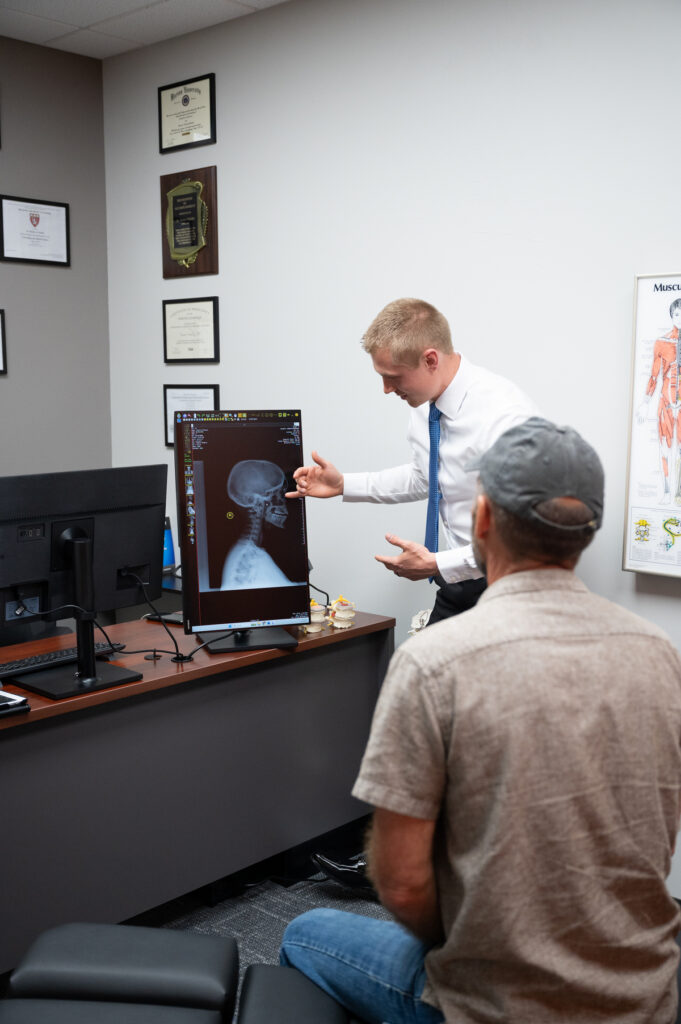
Tension headaches can be a real nuisance, but you can prevent them naturally with some simple lifestyle changes and chiropractic care. As a chiropractor, I want to emphasize the importance of understanding your triggers and managing stress effectively. Poor posture can contribute significantly to tension headaches, so it’s crucial to focus on maintaining a healthy spinal alignment throughout your day.
Incorporating regular exercise into your routine not only helps relieve tension but also promotes overall wellness. Gentle stretches and activities like yoga can improve flexibility and reduce muscle tightness, which may help prevent headaches.
There are several strategies you can explore to feel better. Consider making dietary adjustments, such as staying hydrated and eating a balanced diet rich in nutrients that support nervous system health. Additionally, relaxation techniques like deep breathing, meditation, or chiropractic adjustments can help alleviate stress and tension in your body, leading to fewer headaches.
If you’re curious about specific steps you can take to reclaim your comfort, consider scheduling a consultation with a chiropractor. We can help assess your posture, provide personalized strategies, and offer gentle adjustments to support your spinal health. Remember, prioritizing your wellness through natural methods can be an effective way to prevent tension headaches and enhance your overall quality of life.
Key Takeaways
To prevent tension headaches naturally, consider these effective strategies that can also enhance your overall wellness:
- Establish a Consistent Sleep Routine: Aim for a regular sleep schedule and create a calming sleep environment. Quality sleep is essential for your body to heal and recover, reducing the likelihood of headaches. If you’re having trouble sleeping, chiropractic adjustments can help align your spine, promoting better sleep patterns.
- Stay Hydrated: Drinking plenty of water throughout the day—about eight glasses—is crucial for preventing dehydration, which can lead to headaches. Proper hydration supports spinal health and overall body function.
- Practice Relaxation Techniques: Incorporate deep breathing exercises, progressive muscle relaxation, and mindfulness meditation into your daily routine. These practices can significantly reduce stress and tension, which are common triggers for headaches. Regular chiropractic care also helps relieve tension in the neck and shoulders, contributing to a more relaxed state.
- Be Mindful of Your Posture: Good posture is vital for avoiding strain on your neck and shoulder muscles, which can lead to headaches. Pay attention to how you sit, stand, and use your devices. Chiropractic adjustments can help correct postural imbalances, making it easier to maintain proper alignment.
- Engage in Regular Exercise: Moderate exercise and stretching promote healthy blood flow, reduce muscle tightness, and support spinal health. Activities like walking, yoga, or swimming can be beneficial. Regular chiropractic visits can enhance your physical activity by ensuring that your body is aligned and functioning optimally.
By incorporating these natural strategies into your lifestyle, you can effectively reduce the frequency and intensity of tension headaches while promoting overall health. Chiropractic care is an excellent way to support these practices and help you achieve your wellness goals.
Understand Your Triggers
To effectively prevent tension headaches, it’s crucial to understand your triggers, and as a local chiropractor, I can help guide you in this journey toward optimal health. Start by paying close attention to the factors that cause your headaches. Common culprits include stress, lack of sleep, and dehydration. A helpful way to track these triggers is to keep a headache diary. Note when your headaches occur and what activities you were engaged in prior to the pain. This will help you identify patterns and specific triggers that might be affecting you.
You may find that certain situations, such as long hours at work or skipping meals, often precede your headaches. Once you recognize these triggers, it’s time to take proactive steps to manage them. For example, if stress is a significant factor, incorporating relaxation techniques, like deep breathing exercises or gentle stretches, can be beneficial. These practices not only relieve tension but also support spinal health.
If you notice dehydration as a trigger, make it a habit to drink water regularly throughout the day. Staying hydrated is essential for overall wellness, including maintaining the health of your spine.
Maintain Proper Posture
Recognizing your triggers is just the first step; maintaining proper posture is crucial in preventing tension headaches and promoting overall wellness. Poor posture can place unnecessary strain on your neck and shoulder muscles, leading to discomfort and pain. Whether you’re seated at a desk or standing, keeping your spine aligned is essential for your health.
As a chiropractor, I believe that proper posture not only helps alleviate pain but also enhances your body’s natural healing abilities. Here are some straightforward tips to help you maintain proper posture throughout your daily activities:
| Activity | Tips for Proper Posture |
|---|---|
| Sitting at a Desk | Keep your feet flat on the floor, ensure your back is straight, and position your monitor at eye level to reduce strain. |
| Using a Phone | Hold your phone at eye level. This helps avoid the common habit of looking down, which can contribute to neck pain over time. |
| Standing and Walking | Distribute your weight evenly on both feet, keep your shoulders back, and engage your core muscles for better support. |
Incorporate Regular Exercise
Incorporating regular exercise into your daily routine can significantly help reduce the frequency and intensity of tension headaches. As a chiropractor, I want to emphasize that physical activity not only boosts blood flow but also releases endorphins, which work wonders for alleviating pain and enhancing your mood. Aim for at least 30 minutes of moderate exercise most days of the week. Simple activities like walking, swimming, or practicing yoga can be particularly effective in keeping headaches at bay.
Exercise plays a crucial role in relieving tension and improving your overall physical and mental well-being. You’ll notice that regular movement helps reduce muscle tightness, especially in areas that often contribute to headaches, such as your neck and shoulders.
As a chiropractor, I often see how spinal health is connected to muscle tension, so keeping active can promote better alignment and reduce discomfort.
In addition to regular exercise, incorporating stretching into your routine can be highly beneficial. Focus on areas that tend to hold tension, like your neck and upper back. Gentle stretches can help release tightness and improve flexibility, which in turn supports your spine’s health.
Practice Stress Management Techniques
As a local chiropractor, I understand that stress can significantly contribute to tension headaches. That’s why it’s crucial to practice effective stress management techniques that not only help you feel better but also support your overall health and wellness. By incorporating these simple strategies into your daily routine, you can alleviate stress and reduce the risk of headaches. Here are four techniques that can help you find relief:
- Deep Breathing: Set aside a few minutes each day to focus on your breath. Inhale deeply through your nose, filling your lungs completely. Hold for a few seconds, and then exhale slowly through your mouth. This practice helps calm your nervous system and can be a great way to relieve tension.
- Mindfulness Meditation: Dedicate 10-15 minutes daily to sit in a quiet space. Allow yourself to simply observe your thoughts and feelings without judgment. This practice cultivates awareness and can effectively reduce anxiety, making it easier for your body to relax and release tension.
- Progressive Muscle Relaxation: This technique involves tensing and then relaxing each muscle group in your body, starting from your toes and working your way up to your head. By focusing on each area, you promote relaxation and relieve built-up tension, which can be beneficial for maintaining a healthy spine.
- Time Management: Organizing your tasks can prevent feelings of being overwhelmed. Prioritize your responsibilities and set realistic deadlines. By managing your time effectively, you reduce stress, which can help keep headaches at bay.
Stay Hydrated
Staying hydrated is crucial not only for overall health but also for preventing tension headaches, which many of my chiropractic patients experience. When your body is low on water, it can lead to dehydration—a common trigger for headaches. To help keep these pesky headaches at bay, make it a habit to drink water throughout the day. This is especially important if you’re active or spending time in warm environments. A good rule of thumb is to aim for at least eight 8-ounce glasses of water daily, but feel free to adjust that based on your activity level and the climate you’re in.
You may not realize that even mild dehydration can impact your mood and focus, increasing stress and making you more susceptible to tension headaches. A great tip is to keep a water bottle close by as a gentle reminder to sip throughout the day.
Be mindful of your caffeine and alcohol consumption, as both can lead to quicker dehydration. If plain water doesn’t excite you, try infusing it with fruits or herbs to add some flavor—this simple change can make a big difference.
Ensure Adequate Sleep
To prevent tension headaches, ensuring you get adequate sleep is vital for your overall health and wellness. As a chiropractor, I encourage you to establish a consistent sleep routine and create a sleep-friendly environment.
This not only supports restful sleep but also promotes spinal health, which is essential in preventing headaches.
Here are some simple tips to help improve your sleep:
- Stick to a Schedule: Go to bed and wake up at the same time every day, even on weekends. This helps regulate your body’s internal clock.
- Create a Calm Space: Make your bedroom a sanctuary. Keep it dark, quiet, and cool. Consider using blackout curtains and white noise machines to enhance your sleep environment.
- Limit Screen Time: Try to avoid screens at least an hour before bed. The blue light emitted by phones and computers can interfere with your ability to fall asleep.
- Mind Your Mattress: Ensure your mattress supports your spine properly. A good mattress can make a significant difference in how well you sleep and how you feel in the morning.
- Practice Relaxation Techniques: Consider incorporating gentle stretches or mindfulness practices before bed. This can help relax your muscles and mind, making it easier to drift off.
By following these tips, you’re not only working towards better sleep but also supporting your body’s natural healing processes. Remember, chiropractic care can further enhance your sleep quality by ensuring your spine is aligned and functioning well.
Prioritizing your sleep will lead to a refreshed mind and body, helping you to live healthier and feel your best.
Establish a Sleep Routine
As a chiropractor, I understand the importance of a consistent sleep routine for your overall health and well-being, especially in preventing tension headaches. A regular sleep schedule not only helps you feel more rested but also supports your body’s natural healing processes, including spinal health. Here are four simple tips to help you establish a sleep routine that promotes optimal wellness:
- Set a Fixed Bedtime: Aim to go to bed and wake up at the same time every day, including weekends. This consistency helps regulate your body’s internal clock, which can lead to better sleep quality and a more relaxed spine.
- Limit Screen Time: Try to avoid screens at least an hour before bed. The blue light emitted by phones, tablets, and computers can interfere with your ability to fall asleep. Instead, consider winding down with a good book or some gentle stretches to ease tension in your back and neck.
- Incorporate Relaxation Techniques: Before bed, take a few minutes for deep breathing or meditation. These techniques can help calm your mind and prepare your body for a restful night. Plus, reducing stress can contribute to a healthier spine and alleviate tension headaches.
- Be Mindful of Caffeine: Pay attention to your caffeine intake, especially in the afternoon and evening. Limiting caffeine can significantly improve your sleep quality, allowing your body to heal and restore itself during the night.
By integrating these tips into your daily routine, you can enhance your sleep quality and support your spinal health. Remember, chiropractic care plays a vital role in maintaining overall wellness, so consider scheduling a visit to your chiropractor for personalized advice and care tailored to your needs.
Good sleep is essential for a healthy spine and a pain-free life!
Create a Sleep-Friendly Environment
Creating a sleep-friendly environment is vital for achieving the restorative rest your body needs, especially for spinal health and overall wellness. Start by ensuring your bedroom is dark, quiet, and cool. Consider using blackout curtains and earplugs or a white noise machine to minimize distractions that can interfere with your sleep. A comfortable bed is essential—invest in quality pillows that support your neck and spine, along with a mattress that promotes proper alignment.
Decluttering your space can also help. A tidy environment reduces chaos and contributes to a calmer mind, making it easier for you to relax and fall asleep. It’s equally important to limit screen time before bed; the blue light emitted from devices can disrupt your sleep cycle, which may lead to tension and discomfort in your body. Instead of scrolling through your phone, consider reading a book or practicing relaxation techniques that can help ease tension in your spine.
Incorporating aromatherapy, like lavender essential oil, can create a soothing atmosphere that promotes deeper sleep. By taking these steps to create a supportive sleep environment, you’ll not only enhance your sleep quality but also help prevent those pesky tension headaches and promote overall wellness. Remember, consistent, restful sleep is a key component of maintaining a healthy spine and achieving optimal health through chiropractic care.
Explore Relaxation Methods
As you seek out relaxation methods, it’s important to remember that chiropractic care plays a vital role in achieving overall wellness and relieving tension headaches. By aligning your spine and improving nervous system function, chiropractic adjustments can significantly reduce pain and enhance your body’s ability to heal naturally.
Alongside regular chiropractic visits, incorporating mindfulness and breathing techniques can further aid in your relaxation journey. Here are some simple, effective methods you can try:
- Deep Breathing: Take a few minutes each day to practice deep breathing. Inhale deeply through your nose, allowing your abdomen to expand. Hold for a moment, then exhale slowly through your mouth. This simple act helps calm your mind and can relieve stress contributing to headaches.
- Progressive Muscle Relaxation: This technique involves tensing and then relaxing each muscle group in your body, starting from your toes and working up to your head. This practice helps release physical tension and can complement the benefits of chiropractic adjustments.
- Meditation: Dedicate time to sit quietly and focus on your thoughts. If you’re new to meditation, guided apps can help you get started. Regular meditation can improve your mental clarity and reduce stress, making it a great addition to your wellness routine.
- Gentle Yoga: Engage in simple yoga stretches that promote relaxation and flexibility. Yoga can ease tension in the body, complementing chiropractic care by enhancing your posture and spinal health.
Consider Dietary Adjustments
Making dietary adjustments can significantly contribute to preventing tension headaches, which is essential for maintaining overall health and wellness. As a local chiropractor, I want to share some simple tips to help you find relief naturally and enhance your well-being.
First and foremost, staying hydrated is crucial. Dehydration is often a common trigger for headaches, so aim to drink at least eight glasses of water daily. This simple habit can help keep your body functioning optimally.
Next, focus on incorporating whole foods into your diet. Opt for fresh fruits, vibrant vegetables, whole grains, and lean proteins. These nutrient-dense foods not only support your overall health but also provide the essential vitamins and minerals your body needs to function well.
You might also consider reducing your intake of caffeine and alcohol. Both can lead to dehydration and may worsen headaches. Instead, try to find natural alternatives that keep you energized without the risk of triggering discomfort.
It’s important to be mindful of any food sensitivities you might have. Common offenders, such as aged cheeses, processed meats, and artificial sweeteners, can sometimes contribute to headaches. Keeping a food diary can be a helpful tool to identify any specific triggers that you may want to avoid.
Don’t forget the importance of regular meals! Skipping meals can lead to fluctuations in blood sugar levels, which can trigger headaches. Aim for balanced meals throughout the day to maintain steady energy levels and keep headaches at bay.
Lastly, consider incorporating magnesium-rich foods into your diet, such as leafy greens like spinach and nutrient-packed nuts. Magnesium has been shown to help reduce headache frequency, offering you another natural way to find relief.
Remember, while these dietary changes can be beneficial, chiropractic care is an excellent option for addressing tension headaches and promoting overall wellness. Regular chiropractic adjustments can help ensure that your spine is aligned and functioning optimally, which can further support your body’s natural healing processes.
Conclusion
As a local chiropractor, I want to share some valuable insights on how to prevent tension headaches naturally, while emphasizing the importance of spinal health and wellness. By understanding your triggers and making simple lifestyle adjustments, you can effectively keep those pesky headaches at bay.
First and foremost, maintaining proper posture is crucial. Poor posture can lead to misalignments in the spine, which may contribute to headache pain. Make a conscious effort to sit and stand tall, keeping your shoulders back and your head aligned over your spine. If you spend long hours at a desk, take frequent breaks to stretch and reset your posture.
Staying active is another key factor in preventing tension headaches. Regular physical activity not only keeps your body healthy but also supports a well-aligned spine. Incorporate activities like walking, yoga, or swimming into your routine to promote overall wellness.
Stress management techniques are also essential. Stress is a common trigger for tension headaches. Explore relaxation methods such as deep breathing exercises, meditation, or gentle stretching to help manage stress levels and promote a sense of calm. Chiropractic care can also be incredibly beneficial in reducing stress and tension in the body.
Don’t forget the importance of hydration and sleep! Drinking plenty of water throughout the day helps keep your body functioning optimally, while prioritizing restorative sleep can significantly impact your overall well-being. Aim for 7-9 hours of quality sleep each night to support your health and reduce headache frequency.
Additionally, consider making dietary changes to support your overall wellness. A balanced diet rich in whole foods can positively affect your health and help prevent headaches. Pay attention to any food triggers that may contribute to your headaches and eliminate them from your diet.
Finally, if you find yourself struggling with tension headaches, don’t hesitate to seek chiropractic care. A chiropractor can help identify any spinal misalignments and provide adjustments to restore proper function and alleviate pain. With these strategies, you can take control of your health and enjoy a more comfortable, headache-free life.