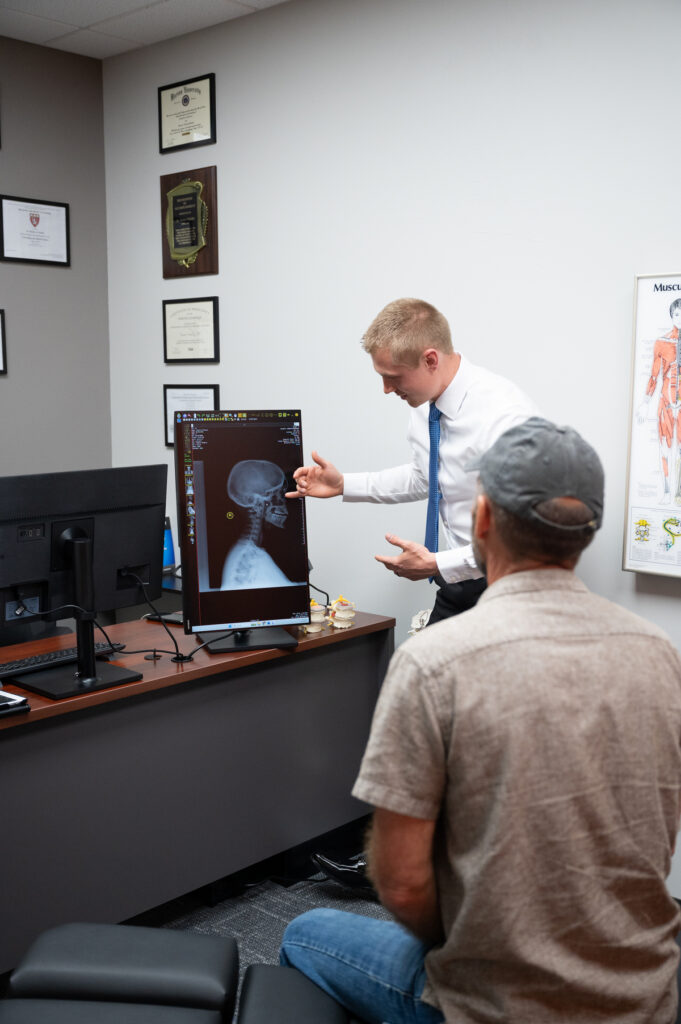

If you suffer from migraines, understanding effective relief techniques can significantly improve your quality of life. As a chiropractor, I believe that addressing the root causes of migraines is essential for lasting relief. By identifying triggers, adjusting your diet, and managing stress, you can reduce the frequency and intensity of your episodes. You may be surprised to find how simple lifestyle changes can lead to powerful results.
One important aspect to consider is hydration. Staying well-hydrated can help prevent headaches and migraines. Aim to drink plenty of water throughout the day. Additionally, prioritizing good sleep hygiene is crucial; insufficient sleep can trigger migraines, so establish a regular sleep schedule and create a calming bedtime routine.
Chiropractic care can also play a vital role in managing migraines. Misalignments in your spine can lead to tension and stress, contributing to headaches. Regular chiropractic adjustments can help restore proper alignment, relieve tension, and promote overall wellness.
Incorporating ergonomic practices into your daily routine, such as maintaining good posture and taking breaks from screens, can also be beneficial. Remember, small adjustments can have a significant impact on your well-being.
By focusing on these natural approaches and considering chiropractic care, you can take proactive steps toward managing your migraines and enhancing your overall health. Let’s explore these strategies further as we work together toward achieving optimal wellness.
Key Takeaways
- Start by keeping a migraine diary to identify and track your triggers. This will help you understand patterns in your migraines and empower you to make informed decisions about your health management.
- Staying hydrated is key! Aim for at least eight glasses of water each day and consider incorporating hydrating fruits and vegetables into your diet. Be mindful of your caffeine and alcohol intake, as these can contribute to dehydration and trigger migraines.
- As a chiropractor, I recommend exploring chiropractic care as a natural approach to improving spinal alignment. Proper alignment can relieve tension and enhance nervous system function, potentially reducing the frequency and intensity of your migraines.
- Incorporate stress management techniques into your daily routine. Activities like yoga, meditation, and deep breathing can be beneficial in lowering stress levels, which in turn may help decrease your susceptibility to migraines.
- Lastly, prioritize your sleep! Maintaining a consistent sleep schedule and creating a comfortable sleep environment can significantly improve your sleep quality, ultimately helping to prevent migraines. Remember, your overall wellness is closely tied to how well you rest.
By focusing on these natural strategies, you can take proactive steps toward achieving optimal health and finding relief from migraines without the need for medications or invasive procedures.
Understanding Migraines: Types and Triggers
Migraines can feel like a freight train hitting you, leaving you overwhelmed and in pain. However, understanding the different types of migraines and their triggers is crucial to managing this discomfort effectively. There are several types, including migraine with aura, migraine without aura, and chronic migraines. While each type may present unique symptoms, they all share a common thread: debilitating pain that can disrupt your daily life.
As a local chiropractor, I believe in the power of natural healing and the body’s ability to restore itself. One of the most beneficial steps you can take is to identify your migraine triggers. Common triggers include stress, certain foods, hormonal changes, and environmental factors such as bright lights or strong smells. Keeping a journal to track your migraines—along with activities, stress levels, and food intake—can help you identify patterns and avoid those triggers in the future.
In addition to journaling, consider incorporating chiropractic care into your wellness routine. Chiropractic adjustments can help reduce tension in the spine and neck, which may alleviate some of the pain associated with migraines. Regular chiropractic visits can also improve your overall health and well-being by promoting better spinal alignment and reducing stress on your nervous system.
Here are some general tips for managing migraines naturally:
- Stay hydrated: Drink plenty of water throughout the day to avoid dehydration, which can trigger migraines.
- Maintain a consistent sleep schedule: Aim for regular sleep patterns to help regulate your body’s natural rhythms.
- Practice stress management techniques: Incorporate relaxation exercises, such as yoga, meditation, or deep-breathing techniques, into your daily routine.
- Eat a balanced diet: Focus on whole foods and avoid known trigger foods that may contribute to your migraines.
- Move your body: Regular physical activity can help reduce stress and tension, which may lower your risk of migraines.
Lifestyle Changes to Reduce Frequency and Severity
Identifying triggers is just the first step in managing migraines; making lifestyle changes can significantly alleviate their frequency and severity. As a local chiropractor, I believe that a holistic approach to health can pave the way for natural healing and optimal well-being. By incorporating simple adjustments into your daily routine, you can experience remarkable improvements. Here are a few effective changes you can make:
- Establish a consistent sleep schedule: Aim to go to bed and wake up at the same time every day. This regularity helps to stabilize your body’s internal clock, which can reduce the likelihood of triggering migraines.
- Stay hydrated: Make it a habit to drink plenty of water throughout your day. Dehydration is a common contributor to migraines, so keeping hydrated is a simple yet effective way to support your health.
- Manage stress: It’s important to find ways to keep stress in check, as it can be a major trigger for many. Incorporate relaxation techniques into your routine, such as yoga, meditation, or deep breathing exercises. These practices not only help you unwind but also promote spinal health and overall wellness.
Dietary Adjustments for Migraine Management
Identifying trigger foods is just one piece of the puzzle when it comes to managing migraines effectively. As a chiropractor, I want to emphasize that supporting your overall health through natural means can make a significant difference in how you feel. Staying properly hydrated is also crucial—dehydration can exacerbate headaches and migraines.
Let’s dive into some dietary adjustments that can help you find relief from migraines while also promoting your overall wellness.
- Keep a Food Diary: Track what you eat and note any migraine occurrences. This can help you identify specific trigger foods that may be causing your discomfort.
- Stay Hydrated: Aim for at least eight glasses of water a day. Proper hydration can help prevent migraines from occurring in the first place.
- Incorporate Whole Foods: Focus on eating whole, unprocessed foods like fruits, vegetables, whole grains, and lean proteins. These foods not only nourish your body but also contribute to a balanced system that can help reduce migraine frequency.
- Limit Caffeine and Alcohol: While some individuals may find caffeine helpful in small amounts, overconsumption can lead to withdrawal headaches. Alcohol can also trigger migraines, so it’s wise to monitor your intake.
- Regular Meals: Eating regular meals can help maintain stable blood sugar levels, which may prevent the onset of a migraine.
Remember, chiropractic care is a powerful tool in managing pain and promoting wellness. By addressing spinal health through adjustments, you can enhance your body’s natural healing processes, reduce stress, and improve overall function, which may further support your efforts in managing migraines.
If you’re looking for a holistic approach to your health, consider scheduling a consultation with your chiropractor. Together, we can create a personalized plan that includes dietary adjustments, spinal care, and lifestyle changes to help you achieve optimal health and well-being.
Trigger Foods Identification
When it comes to managing migraines, understanding your body’s reactions to certain foods can greatly enhance your comfort and overall well-being. As a chiropractor, I believe in the power of natural healing and the importance of lifestyle choices. By paying close attention to your diet, you can identify potential trigger foods that may be contributing to your migraine episodes.
Keeping a food diary is a simple yet effective way to observe patterns in your eating habits and how they relate to your migraines. This practice can empower you to take control of your health.
Here are some common foods that many people find can trigger migraines:
- Aged cheeses: These contain tyramine, which may lead to discomfort for some individuals.
- Processed meats: Often rich in nitrates, these can also be culprits in migraine flare-ups.
- Foods high in MSG: Frequently found in snacks and takeout, these can affect certain people’s nervous systems.
To enhance your wellness journey, consider these additional tips:
- Stay Hydrated: Dehydration is a common trigger for many. Ensure you’re drinking plenty of water throughout the day.
- Eat Regular Meals: Skipping meals can lead to low blood sugar, which might provoke a migraine. Aim for balanced meals at regular intervals.
- Limit Caffeine: While some people find relief with caffeine, others may find it triggers headaches. Pay attention to how your body reacts.
- Practice Stress Management: Stress can be a significant trigger. Incorporate relaxation techniques such as yoga, meditation, or deep breathing into your daily routine.
- Explore Chiropractic Care: Regular chiropractic adjustments can support your nervous system and overall health, helping to reduce the frequency and intensity of migraines.
By choosing natural methods and making mindful dietary choices, you can work towards optimal health and well-being without the need for medications or invasive procedures.
Hydration Importance
Staying hydrated is essential for managing migraines and plays a significant role in your overall health. As a chiropractor, I want to emphasize how important hydration is for your body and spine. When you’re dehydrated, not only can it lead to headaches, but it can also increase the frequency of migraines. To help keep your body functioning optimally, aim to drink plenty of water throughout the day.
Listening to your body is key; if you feel thirsty, take that as a cue to hydrate. Additionally, incorporating hydrating foods like fruits and vegetables can boost your fluid intake and provide vital nutrients that support spinal health. Be mindful of caffeine and alcohol, as they can lead to dehydration and may affect your overall wellness.
Prioritizing hydration not only helps reduce migraine triggers but can also enhance your energy levels and mood, which are critical for maintaining a healthy lifestyle. Remember, proper hydration can support your chiropractic care by promoting better spinal health and overall well-being. Make it a habit to drink water regularly, and you’ll enjoy the many benefits of staying well-hydrated!
Over-the-Counter and Prescription Medications
When a migraine strikes, it’s important to address the root causes rather than just masking the pain with over-the-counter (OTC) medications like ibuprofen or acetaminophen. While these options may provide temporary relief, they don’t tackle the underlying issues that can lead to migraines. As a chiropractor, I encourage you to explore natural healing methods, which can include spinal adjustments to promote better alignment and function of the nervous system.
Chiropractic care focuses on improving your overall health and wellness, helping to alleviate tension that may contribute to migraines. Regular adjustments can reduce the frequency and intensity of headaches by enhancing blood flow and reducing nerve interference. In addition to chiropractic care, consider integrating relaxation techniques such as deep breathing, yoga, or meditation into your routine to manage stress, which is a common trigger for migraines.
Remember to stay hydrated and maintain a balanced diet rich in fruits and vegetables, as nutrition plays a crucial role in your overall health. By prioritizing natural approaches to wellness, you can work towards achieving optimal health and finding relief from migraine pain without relying on medications. If you experience frequent migraines, consult with a chiropractor to develop a personalized plan that focuses on your unique needs and promotes lasting wellness.
Common OTC Medications
Many individuals experience migraines and often seek quick relief through various methods. While over-the-counter (OTC) medications are a common choice, it’s important to recognize that they may only address symptoms temporarily rather than getting to the root cause of the pain. As a chiropractor, I believe that chiropractic care offers a natural and effective approach to achieving long-term relief from migraines and promoting overall wellness.
Chiropractic adjustments can help restore proper alignment to the spine, which may alleviate tension in the nervous system and reduce the frequency and intensity of migraine episodes. By addressing underlying issues, such as spinal misalignments or muscle tension, you can experience lasting improvements in your health.
In addition to chiropractic care, here are some general tips to help manage migraines naturally:
- Stay Hydrated: Dehydration can trigger migraines, so make sure to drink plenty of water throughout the day.
- Maintain a Consistent Sleep Schedule: Aim for regular sleep patterns to help regulate your body’s natural rhythms and minimize migraine occurrences.
- Practice Stress Management Techniques: Activities like yoga, meditation, or deep breathing exercises can help reduce stress, which is a common migraine trigger.
- Eat a Balanced Diet: Consuming regular meals with a variety of nutrients can help maintain stable blood sugar levels and prevent migraines.
Prescription Options Overview
While over-the-counter (OTC) medications may provide temporary relief for migraines, it’s important to explore more holistic approaches for long-term wellness. Chiropractic care focuses on the overall health of your spine and nervous system, which can play a crucial role in managing migraine symptoms. By addressing spinal misalignments through gentle adjustments, chiropractors can help restore proper function and potentially reduce the frequency and intensity of migraines.
In addition to chiropractic adjustments, there are several natural strategies you can incorporate into your daily routine. Staying well-hydrated, practicing stress-reduction techniques like yoga or meditation, and maintaining a balanced diet rich in whole foods can greatly contribute to overall wellness and help manage migraine triggers. Regular exercise, such as walking or swimming, can also boost your physical and mental health.
It’s essential to listen to your body and track any potential migraine triggers, such as certain foods or environmental factors. By working closely with your chiropractor, you can develop a personalized plan that not only addresses your migraine symptoms but also promotes overall health and well-being. With a focus on natural healing and a healthier lifestyle, chiropractic care can be a powerful ally in your journey towards optimal health.
Alternative Therapies: Acupuncture and Herbal Remedies
If you’re looking for effective ways to manage migraines, considering chiropractic care alongside alternative therapies like acupuncture and herbal remedies may be beneficial. These natural approaches can work hand-in-hand with chiropractic adjustments to help you achieve better health and wellness.
- Chiropractic Care: Regular chiropractic adjustments focus on realigning your spine and improving nervous system function, which can significantly reduce the frequency and intensity of migraines. By addressing structural issues in your spine, you may experience better overall health and less pain.
- Acupuncture: This traditional practice involves the gentle insertion of thin needles at specific points on your body. It may help alleviate migraine symptoms by promoting relaxation and enhancing blood circulation. When combined with chiropractic care, acupuncture can further support your journey toward wellness.
- Feverfew: This well-known herb is celebrated for its anti-inflammatory properties. Some people find that feverfew helps to lessen the frequency of migraine attacks. While herbal remedies can be a helpful addition, they should complement—not replace—your chiropractic treatment.
- Butterbur: Another herbal option, butterbur has been studied for its potential to prevent migraines. Just like feverfew, it can be a supportive addition to your overall health regimen when used alongside regular chiropractic care.
General Tips for Migraine Relief:
- Stay Hydrated: Dehydration can trigger migraines, so make sure to drink plenty of water throughout the day.
- Maintain Good Posture: Poor posture can strain your neck and back, contributing to headaches. Focus on sitting and standing up straight.
- Manage Stress: Stress is a common migraine trigger. Incorporate relaxation techniques such as deep breathing, yoga, or meditation into your daily routine.
- Regular Exercise: Gentle exercise can help reduce stress and tension in your body, potentially lowering your chances of experiencing migraines.
- Sleep Well: Aim for a consistent sleep schedule to ensure you’re well-rested, as irregular sleep patterns can trigger headaches.
By focusing on these natural methods and prioritizing chiropractic care, you can take significant steps toward managing your migraines and enhancing your overall health.
The Role of Hydration in Migraine Relief
Water is vital for your body’s overall health, and maintaining proper hydration can significantly contribute to relief from migraines. Dehydration can’t only trigger migraines but can also amplify their symptoms. Therefore, it’s crucial to drink enough fluids throughout the day. A good goal is to aim for at least eight glasses of water daily, but remember to adjust this based on your activity level and the climate you’re in.
When you sense a migraine approaching, try sipping water slowly. Gulping it down can sometimes upset your stomach, which is the last thing you want when dealing with a migraine. Additionally, incorporating hydrating foods like fruits and vegetables can help keep your fluid levels balanced, supporting your overall wellness.
If you often forget to drink enough water, setting reminders on your phone or keeping a water bottle within reach can be simple yet effective strategies. Staying mindful of your hydration is essential, especially when considering your overall health and wellness journey.
It’s important to notice how your body responds to hydration. If increasing your water intake helps reduce the frequency or intensity of your migraines, you’ve found a straightforward strategy to incorporate into your daily routine. Remember, while hydration is a key component, chiropractic care is an excellent choice for promoting optimal health and relieving pain naturally. By aligning your spine and ensuring your nervous system functions at its best, you can enhance your body’s ability to cope with various stressors, including migraines.
Stay hydrated and consider regular chiropractic check-ups as part of your wellness routine for the best chance at overall relief and health.
Stress Management Techniques for Migraine Sufferers
Hydration is crucial for managing migraines, and it’s important to recognize that stress can significantly aggravate your symptoms. As a chiropractor dedicated to promoting natural healing and wellness, I encourage you to incorporate these stress management techniques into your daily routine to support your overall health and well-being:
- Mindful Breathing: Spend a few minutes each day focusing on your breath. Inhale deeply through your nose, hold it for a moment, and then exhale slowly through your mouth. This simple practice can help calm your mind, reduce tension, and may even relieve some discomfort associated with migraines.
- Regular Exercise: Engaging in physical activity is beneficial not only for your body but also for your mind. Exercise releases endorphins, the body’s natural mood elevators, which can help lower stress levels. Aim for at least 30 minutes of moderate exercise most days—whether it’s a brisk walk, cycling, or any activity that you enjoy.
- Meditation or Yoga: Both practices foster relaxation and mindfulness, helping to build resilience against stress. Setting aside time for meditation or participating in a local yoga class can enhance your ability to cope with life’s challenges and may contribute to overall wellness.
In addition to these techniques, consider regular chiropractic care as part of your wellness routine. Chiropractic adjustments can help align your spine, improve nervous system function, and promote better overall health, which may reduce the frequency and severity of migraines.
The Importance of Sleep in Migraine Prevention
Adequate sleep is vital for preventing migraines, and it’s something that many people overlook when considering their overall health and wellness. When you don’t get enough rest, your body can become more vulnerable to triggers that may lead to painful migraine episodes.
Lack of sleep can throw off your body’s natural rhythms, increasing stress levels and sensitivity to pain.
As a chiropractor, I want to emphasize the importance of a holistic approach to your well-being, which includes prioritizing good sleep hygiene. Here are some practical tips to help you improve your sleep and, in turn, help reduce your migraine frequency:
- Stick to a Consistent Sleep Schedule: Try to go to bed and wake up at the same time every day, even on weekends. This consistency helps regulate your body’s internal clock, making it easier to fall asleep and wake up feeling refreshed.
- Create a Relaxing Bedtime Routine: Take some time to unwind before bed. Engage in calming activities like reading a book, practicing gentle stretches, or meditating. Avoid screens and distractions at least an hour before bedtime, as the blue light emitted from devices can interfere with your ability to fall asleep.
- Optimize Your Sleep Environment: Ensure that your bedroom is comfortable, dark, and cool. A good mattress and supportive pillows can also contribute to better sleep quality. Consider using blackout curtains and a white noise machine if needed.
- Consider Chiropractic Care: Regular chiropractic adjustments can help improve your spinal alignment, which may enhance your overall health and well-being. A well-aligned spine supports better sleep, reduces tension, and can help alleviate pain that might contribute to migraines.
- Stay Hydrated and Maintain a Balanced Diet: Proper nutrition and hydration can impact the quality of your sleep. Aim for a balanced diet rich in whole foods, and drink enough water throughout the day.
By taking these steps, you can help create an environment that promotes better sleep and overall wellness. Remember, chiropractic care is a natural and effective way to support your body’s healing process, and it can play a significant role in your journey to optimal health.
If you’re struggling with migraines, consider visiting a local chiropractor to discuss how tailored adjustments and lifestyle changes can benefit you.
Keeping a Migraine Diary: Tracking Patterns and Triggers
Keeping a migraine diary can be a transformative tool for those dealing with frequent headaches. By tracking your migraines, you gain valuable insight into specific patterns and triggers that may be impacting your health. This knowledge not only helps you understand your condition better but also empowers you to make informed decisions about managing your migraines naturally.
Here are some essential elements to include in your migraine diary:
- Migraine frequency: Keep track of how often you experience migraines and how long they last. This information can help you identify trends and potentially correlate them with other lifestyle factors.
- Possible triggers: Note any potential causes that may contribute to your migraines, such as particular foods, changes in weather, or sources of stress. Understanding these triggers can be crucial for avoiding them in the future.
- Symptoms: Document the intensity and type of pain you experience, as well as any accompanying symptoms like nausea or sensitivity to light. This can provide a clearer picture of your migraines and help you communicate effectively with your chiropractor about your condition.
In addition to maintaining a diary, consider incorporating chiropractic care into your wellness routine. Regular chiropractic adjustments can help alleviate tension in the spine and improve overall nervous system function, which may reduce the frequency and severity of migraines. By focusing on natural healing and promoting spinal health, chiropractic care is a fantastic choice for those seeking relief from pain and a path to optimal health.
Remember, achieving a healthier lifestyle involves more than just managing symptoms. Embrace holistic approaches, such as staying hydrated, practicing relaxation techniques, and maintaining a balanced diet, to support your overall well-being.
Take charge of your health, and explore how chiropractic care can be a vital part of your journey towards natural wellness.
Conclusion
Incorporating effective techniques into your daily routine can significantly enhance your ability to manage migraines. As a chiropractor, I emphasize the importance of understanding your triggers and making lifestyle adjustments to promote overall wellness. By focusing on spinal health and alignment, you can create a solid foundation that may help reduce the frequency and severity of your migraines.
Don’t underestimate the power of hydration, quality sleep, and effective stress management. These elements are crucial for maintaining balance in your body and can support your overall health. Additionally, exploring dietary adjustments can be beneficial—consider keeping a food diary to identify any potential triggers linked to your migraines.
Incorporating chiropractic care into your wellness routine can be a game-changer. Regular adjustments not only promote spinal health but also support your body’s natural healing processes, potentially leading to fewer migraines and improved overall wellness. With a personalized approach that prioritizes natural therapies, you can take control of your health.
Remember to track your migraine patterns in a diary—it can provide valuable insights to discuss with your chiropractor. Together, you can develop a tailored plan that empowers you on your journey to relief and optimal health today!