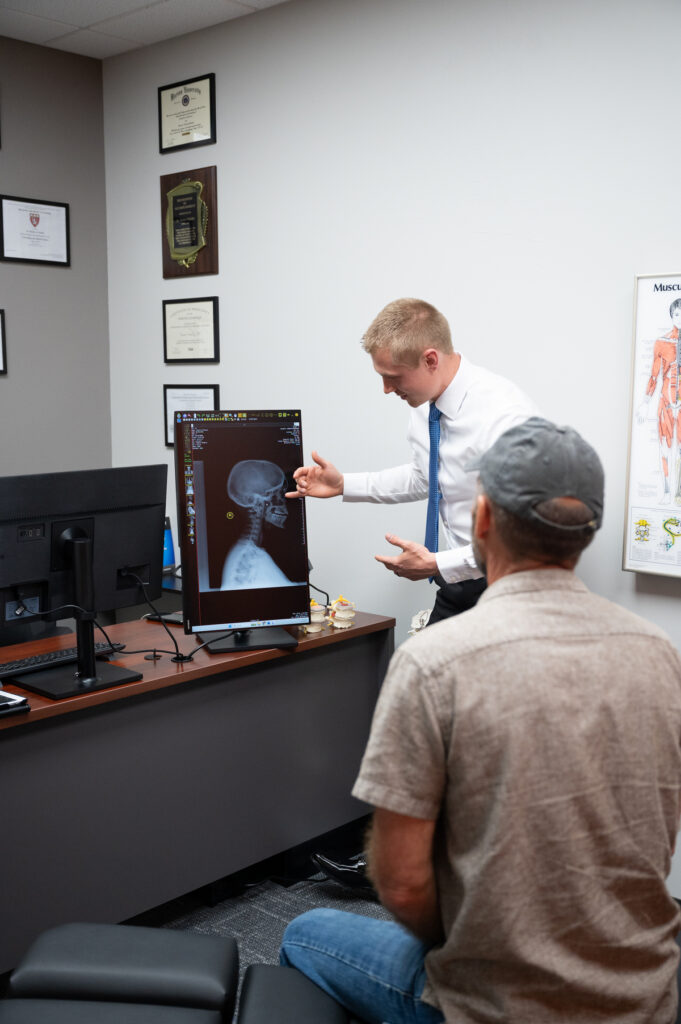

If you’re dealing with migraines, there are many natural ways to manage them that don’t involve medication. As a chiropractor, I believe that spinal health plays a crucial role in overall wellness, and it can significantly impact how your body handles pain, including migraines. By focusing on natural solutions, you can lessen the frequency and intensity of your attacks.
One effective strategy is to incorporate regular chiropractic care into your routine. Adjustments can help align your spine, reduce tension in your muscles, and improve nervous system function, all of which can contribute to fewer migraine episodes.
In addition to chiropractic adjustments, consider making some simple lifestyle changes. Dietary adjustments, such as staying hydrated and avoiding trigger foods, can significantly impact your migraine frequency. You might also find that stress management techniques, like deep breathing exercises or yoga, can help alleviate tension and reduce the likelihood of an attack.
Curious about how these changes could enhance your wellness? Let’s delve into these strategies together and discover how chiropractic care and a healthier lifestyle can lead to a more vibrant, pain-free life. Remember, small adjustments in your daily routine can lead to significant improvements in your overall health and well-being.
Key Takeaways
Managing migraines effectively involves understanding your body’s unique triggers and finding natural solutions that work for you. Here are some practical tips to help you on your journey to relief, with a special focus on the benefits of chiropractic care:
- Keep a Migraine Diary: Tracking your migraines can be incredibly insightful. Note down when they occur, what you ate, your stress levels, and your hydration. This will help you identify patterns and triggers, allowing for a more personalized approach to management.
- Regular Meal Times: Eating at consistent times and maintaining a balanced diet filled with fruits, vegetables, and omega-3 fatty acids can play a significant role in preventing migraines. Proper nutrition supports overall health, which is essential for reducing headache occurrences.
- Stay Hydrated: Dehydration is a common trigger for migraines, even if it’s mild. Make it a habit to drink water throughout the day. Staying hydrated is a simple yet powerful way to keep headaches at bay.
- Chiropractic Care: Regular visits to your chiropractor can greatly improve your spinal alignment, which may help reduce the frequency and intensity of headaches. Chiropractic adjustments can relieve tension and improve your overall well-being, making them a fantastic choice for migraine sufferers.
- Herbal Remedies: While chiropractic care is your go-to for spinal health, incorporating natural remedies like feverfew or using essential oils such as lavender and peppermint can offer symptomatic relief. These can complement your chiropractic treatment and enhance your overall wellness.
By focusing on these natural strategies, including the invaluable support of chiropractic care, you can take proactive steps toward managing migraines and achieving optimal health. Remember, your body is unique, and finding the right combination of lifestyle changes and chiropractic adjustments can lead you to a pain-free life.
Understanding Migraines: Causes and Symptoms
Migraines can be incredibly challenging, but understanding their causes and symptoms is key to managing them effectively.
Many people experience intense, throbbing pain, often localized on one side of the head. This discomfort can be accompanied by nausea, vomiting, and heightened sensitivity to light and sound. It’s crucial to identify what triggers your migraines; common culprits include stress, hormonal changes, and certain foods. You may also find that a lack of sleep or dehydration can set off an attack.
One helpful tip is to recognize the aura that sometimes precedes a migraine. Symptoms such as visual disturbances or tingling sensations may signal that an episode is approaching. Keeping a migraine diary can be a powerful tool. By tracking your symptoms and triggers, you can take proactive steps to manage your migraines more effectively.
As a chiropractor, I encourage you to explore natural methods for relief. Chiropractic care focuses on spinal health and overall wellness, which can play a significant role in reducing the frequency and intensity of migraines. Realigning the spine can alleviate tension and improve nervous system function, potentially leading to fewer migraine episodes.
Additionally, here are some general tips to enhance your well-being and reduce migraine triggers:
- Stay well-hydrated by drinking plenty of water throughout the day.
- Prioritize a consistent sleep schedule to ensure you’re well-rested.
- Consider incorporating relaxation techniques, such as deep breathing or yoga, to manage stress levels.
- Maintain a balanced diet rich in whole foods, and be mindful of any foods that may trigger your migraines.
The Role of Diet in Migraine Prevention
When it comes to preventing migraines, your diet plays a crucial role in managing their frequency and intensity. Many people find that specific foods can trigger migraines, while others can help keep them at bay. A great first step is to keep a food diary to track what you eat and notice any patterns. Common culprits for migraine triggers can include aged cheeses, processed meats, and artificial sweeteners.
Hydration is equally important; drinking enough water can help prevent dehydration, which often leads to headaches. So, make sure you’re sipping water throughout the day!
Incorporating magnesium-rich foods, such as leafy greens, nuts, and whole grains, into your meals can be beneficial. Foods rich in omega-3 fatty acids, like salmon, can help reduce inflammation and may lessen the severity of migraines.
Regular meal times can also stabilize your blood sugar levels, potentially preventing sudden migraine attacks.
Maintaining a balanced diet is key. Aim to include a variety of colorful fruits, vegetables, lean proteins, and healthy fats in your everyday meals. By making mindful food choices, you can significantly increase your chances of reducing migraine occurrences.
And remember, chiropractic care can also support your overall wellness and help alleviate pain. Regular adjustments can enhance your body’s ability to function properly, which may contribute to reducing the frequency of migraines. Emphasizing a holistic approach to health can empower you to live your best life, free from the burden of pain.
Herbal Remedies: Nature’s Pain Relief
When you’re searching for relief from migraines, it’s essential to consider a holistic approach that includes chiropractic care. As a chiropractor, I believe that addressing the root causes of pain, rather than just the symptoms, is key to achieving optimal health. While herbal remedies can provide a natural option, the integration of chiropractic care can significantly enhance your pain relief journey.
Chiropractic adjustments can help realign the spine, improve nerve function, and alleviate tension that may be contributing to your migraines. By ensuring that your spine is in proper alignment, you can reduce the frequency and intensity of headaches.
In addition to chiropractic care, there are some general tips and tricks you can incorporate into your daily routine to support your overall well-being:
- Stay Hydrated: Dehydration can trigger migraines, so drinking plenty of water throughout the day is essential.
- Maintain Good Posture: Poor posture can lead to spinal misalignments and tension. Be mindful of how you sit, stand, and move to reduce strain on your spine.
- Regular Exercise: Engaging in regular physical activity can help reduce stress and improve blood circulation, which may alleviate headache symptoms.
- Reduce Stress: Finding ways to manage stress, such as through yoga, meditation, or deep-breathing exercises, can also help in minimizing migraine occurrences.
- Get Adequate Sleep: Establishing a consistent sleep schedule can improve overall health and reduce the likelihood of headaches.
Effective Herbal Ingredients
Exploring the world of herbal remedies can reveal some effective ingredients for managing migraine pain, but let’s not forget that chiropractic care plays a crucial role in achieving optimal health and wellness. As a chiropractor, I want to emphasize that addressing the root causes of your headaches through spinal alignment can lead to significant pain relief and improved overall well-being.
For example, while herbs like feverfew and butterbur have been used for centuries and may offer some benefits, it’s important to complement these remedies with chiropractic adjustments. Proper spinal alignment can alleviate tension in the neck and upper back, which are often contributors to migraine pain.
You might also find relief with peppermint oil—its soothing aroma can help when inhaled or applied topically, but integrating chiropractic care ensures that your spine is well-aligned, reducing the likelihood of headaches. Additionally, ginger is known for easing nausea associated with migraines, but again, combining it with regular chiropractic visits can help address the underlying issues that trigger those migraines in the first place.
Don’t overlook the calming effects of lavender; while its scent can promote relaxation, maintaining a healthy spine is essential for stress reduction and overall tension relief.
Incorporating these herbs can enhance your wellness routine, but remember that the best path to migraine management starts with chiropractic care. Regular adjustments not only help alleviate pain but also promote a healthier lifestyle. So, if you’re seeking natural ways to manage your migraines, consider prioritizing your spinal health alongside exploring these herbal remedies.
Preparation and Dosage Guidelines
Incorporating herbal remedies into your migraine management can be a great complement to your overall wellness, especially when combined with chiropractic care. Understanding how to prepare and dose these herbs properly is key to reaping their benefits.
Start by exploring herbs known for their migraine-relieving properties, such as feverfew and ginger. These can be found in various forms, including teas, capsules, or tinctures. While it’s important to follow the recommended dosages on the packaging, I always suggest consulting a healthcare professional, like your chiropractor, for personalized advice tailored to your specific needs.
For teas, a common approach is to steep one teaspoon of dried herb in hot water for about 10 minutes. If you prefer capsules, most people find a daily intake of 250-500 mg effective. Keep a close eye on how your body reacts to these remedies, as individual responses can vary. Adjusting the dosage based on your comfort and results is a smart move.
Consistency is crucial—regular use of these herbal remedies can enhance their effectiveness in managing migraines, especially when combined with regular chiropractic adjustments. Remember, chiropractic care can’t only help alleviate pain but also improve your overall health and wellness, supporting your body’s natural healing processes.
Essential Oils and Aromatherapy for Migraines
When migraines strike, it’s essential to have a supportive approach to relief that emphasizes natural healing. As a chiropractor, I want to share how essential oils can serve as a fantastic complementary tool in your wellness toolkit alongside chiropractic care. These natural remedies can help ease your discomfort while promoting overall health.
Let’s dive into some of the best essential oils that may help alleviate migraine pain. Lavender oil, known for its calming properties, can be an excellent option to reduce stress and promote relaxation. Peppermint oil, with its cooling effect, may also provide a soothing sensation that can help ease headache tension.
Incorporating aromatherapy techniques into your routine can further enhance your comfort. For instance, you can try diffusing these oils in your home or applying them topically (diluted with a carrier oil) to your temples and neck. The gentle inhalation of these scents can create a calming environment that supports your body’s natural healing processes.
However, while essential oils can be beneficial, they work best when combined with chiropractic care. Regular spinal adjustments can help alleviate tension in the body, improve circulation, and support the nervous system, all of which can contribute to reducing the frequency and intensity of migraines.
Remember, maintaining a healthy lifestyle is crucial. Stay hydrated, practice good posture, and manage stress through activities like yoga or meditation. These practices, along with chiropractic care and the supportive use of essential oils, can lead you towards a more balanced and pain-free life.
Embrace these natural approaches, and together, we can work towards achieving your optimal health.
Best Essential Oils
Have you ever considered how essential oils might support your journey towards relief from migraine symptoms? While essential oils can complement your wellness routine, it’s important to remember that chiropractic care is a powerful ally in achieving optimal health and pain relief.
Certain essential oils have been noted for their potential to ease headache pain and promote relaxation. For example, peppermint oil can offer a cooling sensation and improve circulation, making it a popular choice among those seeking comfort. Lavender oil, renowned for its calming properties, can help reduce stress and anxiety, which often accompany migraines. Eucalyptus oil may provide anti-inflammatory benefits, while rosemary oil is known to enhance blood flow and relieve tension.
Incorporating these oils into your daily life can be simple. You might try diffusing them in your home or applying them topically with a carrier oil. However, while these oils can be helpful, they work best when combined with regular chiropractic adjustments, which address the root causes of headaches and migraines by ensuring your spine is aligned and your nervous system is functioning optimally.
To enhance your overall wellness and manage migraine symptoms more effectively, consider these tips:
- Stay Hydrated: Dehydration can trigger headaches, so make sure you’re drinking plenty of water throughout the day.
- Maintain Good Posture: Poor posture can lead to tension in your neck and shoulders, contributing to headaches. Keep your spine in alignment, especially while sitting for long periods.
- Manage Stress: Engage in relaxation techniques such as deep breathing, yoga, or meditation to reduce stress levels.
- Regular Chiropractic Care: Regular visits to your chiropractor can help keep your spine aligned and reduce the frequency and intensity of migraines.
- Lifestyle Choices: Pay attention to your diet, exercise regularly, and ensure you’re getting enough sleep, as these factors can significantly impact your health and well-being.
Aromatherapy Techniques Explained
Aromatherapy techniques can serve as a wonderful complement to chiropractic care for those experiencing migraines. By incorporating essential oils into your wellness routine, you can create a calming atmosphere that may help alleviate pain and tension. Here are some effective methods to consider:
| Method | Description |
|---|---|
| Inhalation | Add a few drops of essential oil to a tissue and breathe deeply. This can help you relax and may ease migraine symptoms. |
| Diffusion | Use a diffuser to spread essential oils throughout your room, creating a soothing environment that promotes relaxation. |
| Topical Application | Dilute essential oils with a carrier oil and gently apply to your temples or wrists. This can provide targeted relief while enhancing your overall wellness. |
| Bath Soak | Add essential oils to a warm bath for a relaxing soak that may help soothe both your body and mind. |
While aromatherapy can be beneficial, it’s essential to remember that regular chiropractic care is key to addressing the root causes of migraines. By maintaining proper spinal alignment and promoting overall health, chiropractic can help reduce the frequency and intensity of migraines.
Experiment with different oils and techniques to discover what works best for you, and consider these practices as part of a holistic approach to wellness that includes chiropractic care. Remember, achieving optimal health is about finding the right balance and supporting your body naturally.
Stress Management Techniques to Reduce Frequency
Managing stress effectively is crucial for reducing the frequency of migraines, and incorporating chiropractic care into your routine can play a significant role in achieving this. One highly effective technique is mindfulness meditation. By dedicating just a few minutes each day to focus on your breath and clear your mind, you can foster a sense of calm that can help prevent stress-induced headaches.
In addition to mindfulness, progressive muscle relaxation is another valuable method. This technique involves tensing and then relaxing each muscle group in your body, which can help release tension and promote relaxation. Regular physical activity is also essential; even a simple daily walk can elevate your mood and decrease stress levels, complementing the benefits of chiropractic adjustments.
Journaling is a great way to process your thoughts and emotions, which can help lessen mental strain. Additionally, ensure you’re getting adequate sleep, as lack of rest can heighten stress and trigger migraines.
The Importance of Hydration in Migraine Control
Staying properly hydrated is crucial for managing migraines, as even mild dehydration can set off an episode. When you drink enough water, you help your body function at its best, which can significantly reduce the frequency and intensity of migraines. As a chiropractor committed to promoting natural wellness, I’m here to share some simple tips to keep your hydration on track, supporting both your overall health and your spine.
- Set reminders: Use your phone or a hydration app to remind you to drink water throughout the day. Taking regular sips not only helps maintain hydration levels but also encourages a routine that can support your spinal health. Staying hydrated helps keep the discs in your spine healthy and can contribute to overall comfort.
- Choose hydrating foods: Incorporate fruits and vegetables like cucumbers, watermelon, and oranges into your meals. These not only taste great but also provide essential fluids that contribute to your daily intake. A well-hydrated body supports better nutrient absorption, which is vital for spinal health and overall wellness.
- Monitor your intake: Aim for at least eight 8-ounce glasses of water daily, but feel free to adjust based on your activity level and the climate. Keeping track of your hydration can ensure you meet your needs, helping to minimize headache triggers and promote better healing.
Remember, proper hydration is just one piece of the puzzle for maintaining optimal health. By incorporating these hydration tips into your daily routine, you can support your body and spine naturally, while reducing the likelihood of migraine episodes.
If you’re looking for more personalized strategies for pain relief and wellness, consider discussing your hydration habits with your chiropractor during your next visit!
Regular Exercise: A Natural Migraine Solution
Hydration and regular exercise play a crucial role in managing migraines, and as a chiropractor, I want to emphasize how these elements can contribute to your overall wellness and spinal health. Incorporating physical activity into your daily routine can significantly reduce the frequency and intensity of migraine attacks. Activities such as walking, swimming, or yoga not only promote better blood circulation but also help release endorphins—your body’s natural pain relievers.
Aim for at least 30 minutes of moderate exercise most days of the week. If you’re just starting out, it’s important to ease into your routine and gradually increase the intensity. Pay attention to how your body responds; if you find that certain movements trigger migraines, it’s wise to modify your activities. Working with a chiropractor can help you find exercises that support your spine and overall health without aggravating your migraines.
In addition to alleviating migraines, regular exercise enhances your overall well-being, boosts your mood, and reduces stress—all contributors to migraine occurrences. By prioritizing exercise and maintaining a healthy spine through chiropractic care, you’re not just addressing migraines; you’re making a significant investment in your health and wellness.
Sleep Hygiene: Improving Rest to Prevent Attacks
Prioritizing good sleep hygiene is crucial for overall health and wellness, especially for those who experience migraine attacks. Quality rest not only helps regulate your body’s functions but also plays a role in reducing pain and discomfort.
As a chiropractor, I believe that maintaining a healthy lifestyle, including proper sleep, is essential for achieving optimal wellness. Here are three simple tips to improve your sleep hygiene and support your natural healing process:
- Establish a Sleep Routine: Try to go to bed and wake up at the same time every day, even on weekends. This consistency helps your body maintain its internal clock, making it easier to fall asleep and wake up refreshed. A well-regulated sleep schedule can significantly contribute to reducing headache frequency.
- Create a Comfortable Sleep Environment: Your bedroom should be a sanctuary for sleep. Keep it dark, cool, and quiet to promote a restful atmosphere. Consider using blackout curtains to block out light and white noise machines or earplugs to minimize disturbances. A comfortable environment can greatly enhance the quality of your sleep and support your body’s healing processes.
- Limit Screen Time Before Bed: The blue light emitted from screens can interfere with your ability to fall asleep. Aim to avoid screens for at least an hour before bedtime. Instead, consider engaging in relaxing activities such as reading or gentle stretching. This can help signal to your body that it’s time to wind down, allowing for a more restorative sleep.
Keeping a Migraine Diary for Better Management
Improving your sleep hygiene is an essential step towards better migraine management, and incorporating a migraine diary can be a powerful tool in your wellness journey. This diary allows you to track your migraine triggers, symptoms, and patterns over time, which is crucial for understanding your body and your health.
By recording details such as when headaches occur, what foods you consumed, and your stress levels, you can start to pinpoint what might be setting off your migraines. This self-awareness is key to finding natural ways to prevent them.
It’s also beneficial to note any chiropractic treatments you’ve received and their effectiveness. This information not only helps you understand how your body responds to care but also provides valuable insights for your chiropractor.
Together, you can work towards more personalized treatment options that align with your natural healing goals.
Make it a routine to update your diary regularly. Consistency is vital, as patterns might emerge that you may not notice right away. This simple practice can empower you to take control of your migraines and enhance your overall well-being.
Conclusion
As a local chiropractor, I want to share some effective natural solutions for managing migraines that can complement your overall wellness journey. First and foremost, prioritizing hydration, balanced nutrition, and regular exercise plays a crucial role in maintaining your health and potentially reducing the frequency of migraines. These lifestyle choices not only support your body but also enhance the benefits of chiropractic care.
Incorporating herbal remedies and essential oils can provide added relief, but be sure to discuss these with your chiropractor to ensure they align with your personalized wellness plan. Tracking your triggers in a migraine diary can also be incredibly helpful. This allows you to identify patterns and change habits that may contribute to your discomfort.
Additionally, practicing stress-reduction techniques, such as deep breathing, meditation, or gentle stretching, can significantly lower the intensity of your migraines and improve your overall quality of life. Remember, chiropractic care is a powerful tool in achieving optimal health and pain relief. By addressing spinal alignment and nerve function, chiropractic adjustments can support your body’s natural ability to heal and manage pain effectively.
Start implementing these strategies today, and consider scheduling a visit to your chiropractor for a tailored approach to your migraine management. Together, we can work towards a healthier, migraine-free life!