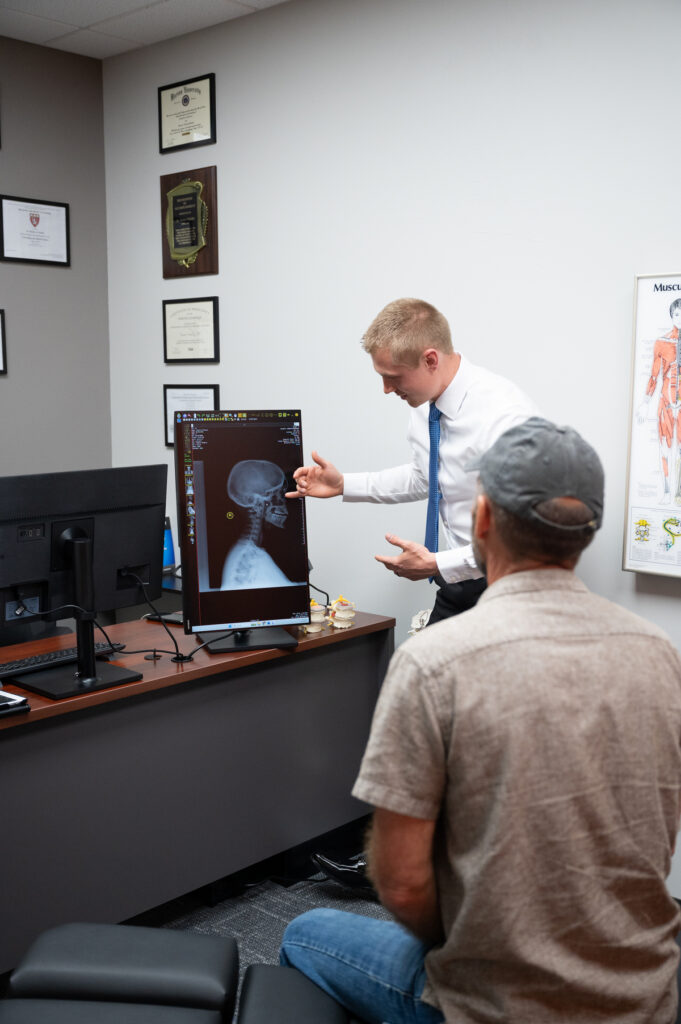

Finding the right frequency for chiropractic visits can make a significant difference in managing migraine symptoms naturally. Understanding your unique triggers is crucial, and collaborating closely with your chiropractor can empower you on your journey to wellness.
Starting with weekly appointments often lays a strong foundation for your treatment plan. This regularity allows your chiropractor to assess your progress, make necessary adjustments, and provide tailored care that addresses your specific needs. As your symptoms change, you may find that adjusting your visit frequency can enhance your overall relief.
So, what are some effective strategies for customizing your chiropractic follow-up visits? Here are some tips:
- Listen to Your Body: Pay attention to how you feel after each session. If you notice significant improvement, you might extend the time between visits. Conversely, if symptoms flare up, don’t hesitate to schedule more frequent appointments.
- Keep a Migraine Journal: Documenting your symptoms, triggers, and responses to treatment can help you and your chiropractor make informed decisions about your care.
- Open Communication: Be sure to communicate openly with your chiropractor about any changes in your symptoms or lifestyle. This dialogue can help tailor your treatment effectively.
- Incorporate Lifestyle Changes: Alongside chiropractic care, consider adopting lifestyle changes such as stress management techniques, hydration, and a balanced diet. These can contribute to reducing the frequency and intensity of migraines.
- Consistency is Key: Regular chiropractic adjustments can help maintain spinal alignment and overall health, potentially reducing migraine occurrences over time.
- Explore Complementary Therapies: Discuss with your chiropractor about additional natural therapies that can support your treatment, such as massage, acupuncture, or relaxation techniques.
- Stay Educated: Continue learning about migraine management and natural wellness strategies. Knowledge empowers you to take control of your health.
By focusing on these strategies and prioritizing regular chiropractic care, you can enhance your journey toward optimal health and find effective relief from migraines naturally. Remember, your chiropractor is your partner in this process, and together you can create a personalized plan that works for you.
Key Takeaways
- Start with weekly visits to help establish a foundation for your migraine management. This allows us to closely monitor how often you experience migraines and how intense they are.
- As we track your progress, we can adjust the frequency of your visits. If you notice a decrease in the severity or frequency of your migraines, we can reduce the number of visits.
- If your migraine symptoms continue or worsen, we can increase the frequency of your appointments to ensure you receive timely support and adjustments to your treatment plan.
- Regular follow-ups are key! They help us evaluate how well the treatment is working and make real-time changes to keep you on the path to relief.
- It’s a great idea to keep a symptom journal and share it with me during your visits. This will help us optimize your visit frequency and improve your overall migraine management. By working together, we can make chiropractic care your go-to solution for natural pain relief and better health!
Remember, consistency is important in your journey to wellness!
Understanding Your Migraine Triggers
Understanding Your Migraine Triggers: A Path to Natural Relief
As a chiropractor, I believe that understanding your migraine triggers is essential in your journey to achieving optimal health and wellness. You may notice that specific situations or habits tend to spark your migraines. By identifying these triggers, you can take proactive steps to manage your symptoms effectively and promote natural healing.
One effective method is to keep a headache diary. In this diary, make note of when your headaches occur, any foods you’ve eaten, your stress levels, and environmental changes, such as the weather. This practice not only helps you recognize patterns but also empowers you to take control of your health.
Common triggers for migraines include certain foods, dehydration, lack of sleep, and stress. For example, if you realize that aged cheeses or processed meats lead to migraines, consider eliminating them from your diet. Staying hydrated is equally important—make sure to drink plenty of water throughout the day.
Another significant factor in managing migraines is stress. Techniques such as mindfulness, deep breathing exercises, and yoga can greatly reduce stress levels, helping to decrease the frequency and intensity of your migraines. Incorporating regular chiropractic care into your routine can also be beneficial.
Chiropractic adjustments can help ensure your spine is aligned and functioning optimally, which can contribute to overall wellness and pain relief.
Establishing a Baseline With Your Healthcare Provider
Once you’ve identified your migraine triggers, the next step is to establish a baseline with your chiropractor. This baseline is essential for tracking the frequency, intensity, and overall response to your migraine symptoms and helps to create a personalized wellness plan that suits your needs.
To create an effective baseline, consider documenting:
- Migraine frequency: Keep track of how often you experience migraines each month. This information can help your chiropractor understand patterns and potential underlying issues.
- Intensity levels: Rate the severity of your pain on a scale from 1 to 10. Recognizing the intensity can help your chiropractor tailor your treatment approach.
- Response to natural therapies: Note how well different chiropractic adjustments, lifestyle changes, or natural remedies work for you. This will aid your chiropractor in refining your care plan.
Having this data ready makes it easier for your chiropractor to grasp your unique situation and make informed decisions about your treatment. Establishing a baseline not only enhances your migraine management but also opens the door for future adjustments in your wellness plan.
In addition to chiropractic care, here are some general tips to help manage migraines naturally:
- Stay hydrated: Dehydration can trigger migraines, so make sure you drink plenty of water throughout the day.
- Maintain a consistent sleep schedule: Aim for a regular sleep routine to improve your overall wellness and reduce migraine frequency.
- Practice stress-reduction techniques: Incorporate relaxation methods like deep breathing, yoga, or meditation to help alleviate tension that can lead to migraines.
The Importance of Regular Follow-Up Appointments
Regular follow-up appointments with your chiropractor are crucial for effectively managing your migraines and achieving optimal health.
These visits allow us to monitor your progress and make any necessary adjustments to your treatment plan.
By consistently checking in, you ensure that I’m aware of any changes in your symptoms or overall well-being, which helps us fine-tune your care for better results.
During these appointments, we can evaluate how well your body is responding to the treatment, identify potential triggers for your migraines, and suggest additional therapies or lifestyle adjustments.
This ongoing communication not only helps us work together as a team but also empowers you to take control of your health.
Staying committed to regular follow-ups enhances your understanding of your condition and supports your journey towards relief.
It’s important to remember that consistency is vital for achieving long-term relief from migraines and improving your overall quality of life.
Here are a few tips to make the most of your chiropractic visits:
- Keep a Symptom Journal: Track your migraine occurrences, noting any potential triggers or patterns. This information can be invaluable during your appointments.
- Ask Questions: Don’t hesitate to bring up any concerns or uncertainties you have about your treatment or lifestyle changes. This helps ensure you’re fully informed and engaged in your care.
- Stay Active: Incorporate gentle exercises and stretches recommended by your chiropractor into your daily routine to support your spinal health and overall wellness.
- Practice Stress Management: Techniques such as deep breathing exercises, meditation, or yoga can help reduce stress, which is often a significant trigger for migraines.
Incorporating Alternative Therapies Into Your Routine
Incorporating alternative therapies into your routine can significantly enhance your migraine management and overall well-being. While chiropractic care is a powerful approach to achieving optimal health and alleviating pain, exploring additional therapies can provide a more holistic path to wellness.
Here are a few options to consider alongside chiropractic care:
- Acupuncture: Many individuals experience relief from migraines through acupuncture, which involves the gentle insertion of needles at specific points on the body. This technique may help reduce the frequency and intensity of migraines, complementing the benefits of chiropractic adjustments.
- Yoga and Meditation: These practices promote relaxation and mindfulness, which can be crucial in managing stress—a common trigger for migraines. Incorporating yoga and meditation into your daily routine can help you cultivate a sense of calm and balance, enhancing the results of your chiropractic care.
- Herbal Supplements: Some herbs, such as butterbur and feverfew, have shown potential in aiding migraine prevention. While they can be beneficial, it’s essential to consult with your chiropractor or healthcare provider to ensure they’re safe and suitable for you.
By integrating these alternative therapies with chiropractic care, you can empower yourself to take control of your migraine management. Remember to experiment with different methods to discover what works best for you. Always feel free to discuss these options with your chiropractor to ensure a safe and effective approach to your health and wellness.
Together, you can create a comprehensive plan that addresses your needs and supports your journey toward a healthier, pain-free life.
Adjusting Visit Frequencies Based on Treatment Response
Finding the right balance in your wellness routine can greatly impact how you manage migraines. As you observe how your body responds to different treatments, be prepared to adjust your visit frequency to your chiropractor accordingly. If you experience fewer attacks or less severe symptoms, consider spacing out your appointments. This allows you to continue progressing on your healing journey without adding unnecessary strain to your schedule.
Conversely, if your symptoms continue or become more intense, increase your visits. Regular adjustments with your chiropractor can provide timely support and help refine your treatment plan. Pay attention to your body, keep a record of your symptoms, and share your experiences openly with your chiropractor. This collaboration is key to finding the most effective approach for your health.
Conclusion
Finding the right visit frequency for migraine relief is essential for effectively managing your symptoms. As a chiropractor, I encourage you to start with weekly sessions to help identify your triggers and establish a solid foundation for your care. During these visits, we can work together to adjust your spinal alignment, which can significantly impact your overall health and well-being.
Once you start feeling more stable, consider transitioning to biweekly or monthly appointments. However, it’s important to listen to your body and adjust the frequency based on how you’re responding to treatment. Remember, this journey is uniquely yours. Keeping a journal of your symptoms can be incredibly helpful, and always feel free to share your experiences with me so we can tailor your care accordingly.
In addition to regular chiropractic adjustments, here are some general tips to help you manage migraines naturally:
- Stay Hydrated: Dehydration can trigger migraines, so make sure you’re drinking plenty of water throughout the day.
- Maintain a Consistent Routine: Try to go to bed and wake up at the same time every day to regulate your sleep patterns.
- Eat Balanced Meals: Don’t skip meals and aim for a diet rich in fruits, vegetables, and whole grains to keep your energy levels stable.
- Manage Stress: Incorporate relaxation techniques such as deep breathing, meditation, or gentle yoga to help reduce tension and stress.
- Exercise Regularly: Engage in regular physical activity to boost your overall health and reduce the frequency of migraines.
By prioritizing chiropractic care and implementing these lifestyle changes, you can pave the way to a more comfortable, migraine-free life. Remember, natural healing takes time, and I’m here to guide you every step of the way!